Slovenia Travel Guide: Everything You Need to Plan Your Trip

by Abu | Last Updated October 8, 2026

Slovenia is one of those countries that rarely tops European travel bucket lists, yet almost everyone I speak to after visiting says the same thing: “I wish I’d stayed longer.”
It’s easy to understand why. In the space of just a few hours, you can stroll through a charming capital city, hike beneath Alpine peaks, relax beside emerald lakes, explore spectacular caves, and finish the day watching the sunset along the Adriatic coast.
What I like most about Slovenia is how effortless it feels to explore. Distances are short, the roads are excellent, nature is never far away, and even the country’s most popular attractions rarely feel overcrowded. It offers the perfect balance between outdoor adventure, historic towns, and relaxed travel, making it one of Europe’s most rewarding destinations.
In this Slovenia Travel Guide, I’ll share everything you need to know before you go—from the best places to visit and how many days to spend, to getting around, budgeting, and practical tips to help you plan your trip with confidence.
Many travelers combine Slovenia with Northern Italy, making this Full Italy Travel Guide a useful companion when planning your trip. Or use our Europe Trip Planner to build a seamless itinerary that combines Slovenia with Northern Italy and beyond.
Planning your trip last minute?
- 🏨 Find hotels in Slovenia on Hotels.com or Booking.com – Stay in Ljubljana for easy sightseeing, choose Lake Bled for stunning alpine scenery, or book a coastal hotel in Piran for an Adriatic escape.
- 🚆 Compare trains, buses, and flights on Omio – Easily travel between Ljubljana, Lake Bled, Maribor, Piran, and nearby destinations in Italy, Austria, and Croatia.
- 🚗 Compare car rental deals on DiscoverCars – The best way to explore Triglav National Park, the Soča Valley, Lake Bohinj, and Slovenia’s charming countryside at your own pace.
- 📱 Stay connected with Airalo eSIM – Get mobile data instantly for navigation, booking tickets, and staying connected throughout your trip.
- 🎟️ Explore tours and activities with Viator – Discover guided tours of Lake Bled, Ljubljana, Postojna Cave, Škocjan Caves, wine regions, and Slovenia’s top outdoor adventures.

Why Visit Slovenia?
If you’re looking for a destination that combines spectacular scenery, charming towns, and outdoor adventure without the crowds of Europe’s biggest tourist hotspots, Slovenia is hard to beat.
Although it’s one of Europe’s smaller countries, Slovenia packs an incredible variety of landscapes into a surprisingly compact area. In a single trip, you can wander the pedestrian-friendly streets of Ljubljana, admire the fairytale setting of Lake Bled, hike through Triglav National Park, explore the underground wonders of Postojna Cave, and finish your journey on the Slovenian coast in Piran.
One of the biggest advantages of visiting Slovenia is how easy it is to explore. Driving from the mountains to the coast takes only a few hours, making it possible to experience several completely different regions without spending long days on the road. If you’re planning a Slovenia road trip or a journey through Central Europe or the Balkans, Slovenia fits naturally into almost any itinerary.
Another reason I enjoy traveling here is the pace. Even at its most popular attractions, Slovenia generally feels calmer than many neighboring destinations. You can spend more time enjoying the scenery, experiencing the local culture, and exploring nature in Slovenia, while spending less time waiting in queues or navigating large crowds.
Whether you’re traveling as a couple, with family, or on a solo adventure, Slovenia offers something for every style of traveler. It’s equally rewarding if you’re looking for hiking in Slovenia, scenic drives, historic towns, outdoor activities, or simply a peaceful place to slow down and reconnect with nature.
If you’re wondering where to begin, the next section highlights the destinations I think every first-time visitor should include in their Slovenia itinerary.
Best Places to Visit in Slovenia
One of the things that makes Slovenia such an enjoyable destination is its incredible variety. Despite its small size, you’ll find Alpine lakes, medieval towns, dramatic caves, vineyards, mountains, and a beautiful stretch of coastline, all within a relatively short drive of each other.
If it’s your first visit, these are the places I think deserve a spot on your itinerary.
Ljubljana

Ljubljana is one of Europe’s most underrated capital cities. Compact, pedestrian-friendly, and full of character, it’s the perfect place to begin your trip. Spend your time exploring the Old Town, crossing the famous Triple Bridge, visiting Ljubljana Castle, and relaxing beside the Ljubljanica River, where cafés and restaurants create a lively atmosphere throughout the day.
What surprised me most was how relaxed the city feels. Instead of rushing from one attraction to another, I found myself slowing down, sitting beside the river with a coffee, and simply enjoying the atmosphere. It’s the kind of capital that invites you to wander without a plan—and somehow that’s when you discover its real charm.
Planning to spend a few days in the capital? Our Ljubljana Travel Guide covers everything you need to know, while our guide to the best things to do and see in Ljubljana will help you make the most of your visit.
Lake Bled
No visit to Slovenia feels complete without seeing Lake Bled. The emerald lake, its picturesque island church, and the medieval castle overlooking the water create one of the country’s most iconic landscapes. Whether you take a traditional pletna boat to the island or simply walk the lakeside path, it’s a destination that easily lives up to its reputation.
I still remember stopping halfway around the lakeside trail and just taking in the view. It’s one of those rare places that genuinely looks just as beautiful in real life as it does in photographs. If you have the time, arrive early in the morning or stay until sunset—the atmosphere changes completely once most visitors have gone.
Triglav National Park
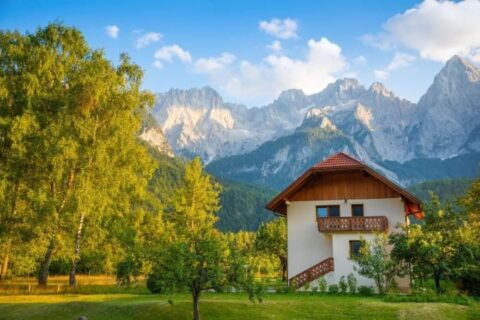
For anyone who loves nature, Triglav National Park is one of Slovenia’s greatest treasures. Home to the Julian Alps, crystal-clear rivers, waterfalls, and countless hiking trails, it’s an ideal destination for outdoor enthusiasts. Even if you’re not planning a serious hike, simply driving through the park offers some of the country’s most spectacular scenery.
One thing I quickly learned is that the journey is just as rewarding as the destination. I found myself stopping every few kilometers for another viewpoint, waterfall, or mountain panorama. Don’t be surprised if what should be a two-hour drive turns into an entire day of exploring.
Postojna Cave & Škocjan Caves

Slovenia is famous for its remarkable cave systems, and both Postojna Cave and the Škocjan Caves are well worth visiting. Postojna impresses with its underground railway and enormous chambers, while Škocjan Caves, a UNESCO World Heritage Site, are known for their dramatic underground canyon and breathtaking natural formations.
Even if you’ve visited caves elsewhere in Europe, these feel completely different. Walking through vast underground chambers while listening to the sound of rushing water creates an experience that’s difficult to forget—and one that photos can never quite capture.
Piran
On Slovenia’s short but beautiful Adriatic coast, Piran is easily my favorite town. Venetian architecture, narrow stone streets, seafood restaurants, and sunsets over the sea give it a completely different feel from the rest of the country. It’s the perfect place to slow down for a day or two before continuing your journey.
One of my favorite evenings was simply wandering through the old streets before finding a waterfront restaurant for dinner as the sun disappeared over the Adriatic. There’s no rush here. The best way to experience Piran is to slow down and let the town reveal itself one quiet street at a time.
The Soča Valley

The Soča Valley is home to one of Europe’s most beautiful rivers. Famous for its striking turquoise water, the valley attracts hikers, kayakers, rafters, photographers, and anyone who enjoys spectacular mountain scenery. Even if you’re simply driving through, it’s one of the most memorable regions in Slovenia.
No matter how many photos I’d seen beforehand, I still wasn’t prepared for the color of the Soča River. On a sunny day, the water almost looks unreal. It’s one of those places where you’ll probably stop far more often than you planned—camera in hand, wondering if the next viewpoint could possibly be even better.
These destinations perfectly capture what makes Slovenia so special. One day you can be exploring a vibrant capital city, the next hiking through the Alps, cruising across a fairytale lake, or enjoying fresh seafood by the coast. Few countries in Europe offer so much variety in such a compact space—and that’s exactly why Slovenia leaves such a lasting impression.
How Many Days Do You Need in Slovenia?
One of the biggest surprises about Slovenia is how much you can see in a relatively short amount of time. The country may be small, but every region offers something different, from Alpine landscapes and emerald rivers to charming cities and a beautiful Adriatic coastline.
How long you should stay really depends on the type of trip you’re planning.
2–3 Days: A Perfect Long Weekend
If you’re visiting Slovenia for a long weekend, focus on the country’s highlights rather than trying to see everything. I’d recommend basing yourself in Ljubljana and taking a day trip to Lake Bled. If time allows, you could also visit Postojna Cave or spend an afternoon exploring Piran before heading home. You’ll leave wanting to come back—but that’s not necessarily a bad thing.

5–7 Days: The Ideal First Trip
For most travelers, I think five to seven days is the sweet spot. This gives you enough time to experience Slovenia without feeling rushed. You can explore Ljubljana, spend time around Lake Bled, drive through Triglav National Park, admire the turquoise waters of the Soča Valley, discover one of the country’s spectacular cave systems, and finish your trip on the coast in Piran. This is also the length of trip I’d recommend to anyone visiting Slovenia for the first time.
10 Days or More: Explore Beyond the Highlights
If you have ten days or longer, Slovenia becomes even more rewarding. Instead of simply ticking off the country’s most famous destinations, you’ll have time to explore wine regions, lesser-known villages, scenic hiking trails, and quieter corners that many visitors never reach.
One of the things I appreciate most about Slovenia is that slowing down always seems to improve the experience. With a little extra time, you can spend an afternoon beside a lake, enjoy a leisurely meal in a local restaurant, or take the scenic route simply because it looks interesting.
My Recommendation
If I were planning my first visit today, I’d choose six or seven days without hesitation. It’s long enough to experience the incredible diversity that makes Slovenia so special, while still leaving a few places to discover on a future trip. Rather than rushing from one attraction to the next, you’ll have time to enjoy the journey—and that’s often when Slovenia leaves its biggest impression.
Explore more with our Slovenia trip itinerary for a day-by-day route.
Best Time to Visit Slovenia
One of the things I appreciate most about Slovenia is that there’s no bad time to visit—only different experiences depending on the season. Whether you’re planning scenic hikes in the Julian Alps, relaxing beside Lake Bled, exploring Ljubljana, or skiing in the mountains, each season offers something unique. The best time to visit really depends on what you want to do.
Spring (April to June)
Spring is one of my favorite times to explore Slovenia. The countryside turns green, wildflowers begin to bloom, waterfalls are at their most impressive, and temperatures are perfect for sightseeing and hiking. It’s also a quieter time of year, meaning you’ll often enjoy popular destinations like Lake Bled and Ljubljana before the peak summer crowds arrive. If you enjoy nature and photography, spring is difficult to beat.
Summer (July to August)
Summer is Slovenia’s busiest travel season, and it’s easy to understand why. Long sunny days make it the perfect time for hiking, swimming in alpine lakes, kayaking on the Soča River, or exploring the Adriatic coast around Piran.
Although you’ll encounter more visitors at major attractions, Slovenia never feels as overcrowded as many neighboring European destinations. Booking accommodation early is still a good idea, especially around Lake Bled and the coast.
Autumn (September to October)

If I had to recommend just one season, it would probably be autumn. The weather is still pleasantly warm, summer crowds begin to disappear, vineyards take on beautiful autumn colors, and hiking conditions remain excellent throughout much of the country.
There’s something particularly relaxing about visiting Slovenia in autumn. Cafés are quieter, roads are less busy, and you can enjoy many of the country’s most beautiful landscapes at a slower pace.
Winter (November to March)
Winter transforms Slovenia into a completely different destination. Snow covers the Julian Alps, ski resorts come to life, and festive Christmas markets fill cities like Ljubljana with lights and seasonal charm.
Even if you’re not visiting to ski, winter is a wonderful time for anyone looking for cozy cafés, snowy mountain scenery, and fewer tourists at many of the country’s most popular attractions.
My Recommendation
For a first visit, I’d choose either late spring or early autumn. Both seasons offer comfortable temperatures, excellent sightseeing conditions, beautiful scenery, and fewer crowds than the peak summer months. You’ll have the flexibility to enjoy cities, lakes, mountains, and the coast without feeling rushed, making it easier to experience everything that makes Slovenia such a rewarding destination.
How to Get to Slovenia
One of the things I love about traveling to Slovenia is how accessible it is. Thanks to its central location, it’s easy to reach whether you’re flying in for a long weekend, driving across the border from Italy, or traveling through Central Europe by train or bus.
The best way to decide how to get to Slovenia depends on the type of trip you’re planning. If you’re focusing on Ljubljana, flying is usually the quickest option. But if you’re combining several countries into one itinerary—as many travelers do—a road trip can be an unforgettable experience.
Flying to Slovenia
Flying is the fastest way to reach Slovenia for most international visitors. The country’s main gateway is Ljubljana Jože Pučnik Airport, located around 30 minutes from the capital. It offers direct and seasonal flights from many European cities, with convenient connections by shuttle, taxi, bus, or rental car.
If you can’t find a suitable flight, don’t worry. One of the advantages of Slovenia’s location is that several nearby Slovenia airports and international airports provide excellent alternatives. Many travelers fly into Venice, Trieste, Zagreb, or Graz, then continue their journey by car or train. It’s a great way to combine Slovenia with neighboring countries on the same trip.
Driving from Italy
Driving is my favorite way to arrive in Slovenia, especially if you’re already exploring Northern Italy. Crossing the border is usually quick and seamless thanks to the Schengen Area, making it incredibly easy to combine destinations like Venice, Trieste, the Dolomites, and Lake Bled in one unforgettable journey.
The biggest advantage of having a car is the freedom it gives you. Some of my favorite moments came from taking scenic roads, stopping at unexpected viewpoints, and exploring small villages that aren’t always easy to reach by public transport.
If you’re planning the same route, our complete guide to driving from Italy to Slovenia explains everything you need to know about border crossings, motorway vignettes, tolls, driving regulations, and practical travel tips.
If Slovenia is just one stop on a longer adventure, you can continue your journey with this Balkan road trip itinerary.
By Train
Traveling to Slovenia by train is a comfortable and scenic option, particularly if you’re already visiting neighboring countries. International rail services connect Ljubljana with cities including Vienna, Zagreb, Budapest, and Trieste, making rail travel a convenient choice for exploring Central Europe.
While trains are reliable for reaching Slovenia’s major cities, you’ll often need a local bus or rental car to continue to places like Lake Bled, Triglav National Park, or the Soča Valley.
By Bus
International buses are one of the most affordable ways to reach Slovenia. Frequent services connect Ljubljana with destinations across Italy, Austria, Croatia, Hungary, and Germany, making buses a practical option for budget-conscious travelers.
Once you’re in Slovenia, regional bus services make it easy to reach many of the country’s most popular towns and attractions. If you’re not planning to rent a car, they’re an excellent way to continue your journey without stretching your budget.

Getting Around Slovenia
One of the biggest advantages of traveling around Slovenia is how easy it is to get from one destination to another. The country is compact, roads are well maintained, and even longer journeys rarely take more than a few hours. The best way to explore Slovenia depends on the type of trip you’re planning, but I found that having a little flexibility makes a huge difference.
Driving in Slovenia

If you want to experience Slovenia beyond its main cities, renting a car is easily the best option. Driving allows you to explore places like Lake Bled, the Soča Valley, Triglav National Park, and the country’s charming wine regions at your own pace. Many of Slovenia’s most beautiful viewpoints, hiking trails, and hidden villages are difficult to reach using public transport alone.
One thing I really enjoyed was how relaxed driving felt compared to many other European countries. Roads are generally in excellent condition, traffic outside the major cities is light, and distances are short enough that you’re never spending an entire day behind the wheel.
Just remember that motorways require a Slovenian vignette, which is mandatory for most rental cars using the country’s highways.
Planning to continue into Croatia, Montenegro, or other neighboring countries? This guide to Balkan toll roads will help you understand toll systems and expected driving costs across the Balkan region.

Slovenia Public Transport

If you don’t plan to rent a car, Slovenia’s public transport network is a reliable alternative for visiting the country’s main destinations. Regular trains and buses connect Ljubljana with cities such as Maribor, Koper, Celje, and Jesenice, while coach services make it easy to reach popular attractions like Lake Bled and Postojna Cave.
Although public transport is comfortable and affordable, journeys can take longer than driving, particularly if you’re visiting more remote mountain regions or planning multiple stops in a single trip.
Which Option Would I Choose?
For a first visit, I’d happily use public transport if I were staying around Ljubljana and Lake Bled. But for anything longer than a weekend, I’d rent a car without hesitation. Some of my favorite moments in Slovenia came from taking the scenic route, stopping at unexpected viewpoints, and exploring places that weren’t on my original itinerary.
Where to Stay in Slovenia
Choosing where to stay in Slovenia is surprisingly easy because the country is compact enough that you can experience several different regions during the same trip. Rather than staying in one place for your entire holiday, I recommend splitting your time between two or three destinations to experience the country’s incredible variety.
Ljubljana – Best for First-Time Visitors
If it’s your first trip to Slovenia, I’d make Ljubljana your base for at least two or three nights. The capital is well connected, easy to explore on foot, and perfectly positioned for day trips to Lake Bled, Postojna Cave, and other nearby attractions.
I also found Ljubljana to be one of Europe’s most enjoyable capital cities to stay in. Everything feels relaxed, the Old Town comes alive in the evenings, and you’ll have no shortage of excellent restaurants and riverside cafés within walking distance.
Lake Bled – Best for Nature Lovers
If waking up beside an alpine lake sounds like your idea of the perfect holiday, Lake Bled won’t disappoint. Spending at least one night here allows you to enjoy the lake before the day-trippers arrive and after they leave. Early mornings are particularly special when the water is calm, and the surrounding mountains reflect beautifully across the lake.
Piran – Best for a Coastal Escape
For something completely different, head to Piran on Slovenia’s Adriatic coast. Its narrow medieval streets, colorful Venetian architecture, and waterfront restaurants create a relaxed atmosphere that’s perfect after several days of sightseeing or hiking.
I especially enjoyed wandering through the old town in the evening, when the streets become quieter, and the waterfront is filled with people enjoying dinner as the sun sets over the sea.
Kranjska Gora – Best for Outdoor Adventures
If your trip focuses on hiking, mountain scenery, or winter sports, Kranjska Gora is an excellent base. Located close to Triglav National Park, it’s ideal for exploring the Julian Alps, discovering scenic mountain roads, and accessing some of Slovenia’s best hiking trails. In winter, it transforms into one of the country’s most popular ski destinations.
For most travelers, the best places to stay in Slovenia are Ljubljana, Lake Bled, and Piran. This combination lets you experience the country’s vibrant capital, iconic alpine scenery, and beautiful coastline without spending hours traveling between destinations.
Top Things to Do in Slovenia
One of the reasons I enjoyed traveling around Slovenia so much is that no two days ever felt the same. One morning, you can be walking through a vibrant capital city, by the afternoon, you’re cruising across an alpine lake, and the next day, you’re hiking through mountains or exploring underground caves.
If you’re visiting Slovenia for the first time, these are the experiences I wouldn’t miss.
Explore Lake Bled

No matter how many photos you’ve seen, Lake Bled somehow manages to look even better in person. Walk the scenic path around the lake, take a traditional pletna boat to Bled Island, climb to Bled Castle, or simply find a lakeside café and enjoy one of Slovenia’s most iconic views.
One of my favorite moments was arriving early in the morning before most visitors had arrived. The lake was perfectly still, and it felt like I had one of Europe’s most famous landscapes almost entirely to myself.
Visit Ljubljana Castle
Overlooking the capital, Ljubljana Castle is one of the city’s most recognizable landmarks. You can reach it on foot or take the funicular before exploring the castle walls, exhibitions, and panoramic viewpoints across the rooftops of Ljubljana. Even if you’ve visited castles elsewhere in Europe, I’d still recommend making time for this one. The views alone are worth the climb.
Hike in Triglav National Park

If you enjoy spending time outdoors, Triglav National Park should be near the top of your itinerary. Whether you choose a short walk to a waterfall or a full-day mountain hike, the park offers some of the most spectacular scenery in Slovenia. Crystal-clear rivers, dramatic peaks, and peaceful forests make it a paradise for nature lovers.
Discover the Soča Valley
The Soča Valley is famous for its unbelievably turquoise river, but there’s much more to discover than the water itself. Scenic drives, suspension bridges, hiking trails, rafting adventures, and charming villages all make this one of the country’s most memorable regions. I found myself stopping constantly—not because I had planned to, but because every bend in the road revealed another incredible viewpoint.
Explore Postojna Cave

Descending into Postojna Cave feels like entering another world. The underground train ride, enormous chambers, and incredible rock formations create one of Slovenia’s most unique experiences. It’s one of those attractions that’s genuinely suitable for almost everyone, whether you’re traveling as a couple, with children, or on your own.
Visit the Škocjan Caves
A visit to the Škocjan Caves, a UNESCO World Heritage Site, offers a completely different underground experience. Walking across bridges suspended above a vast underground canyon while listening to the roar of the river below is something I’ll never forget. It’s dramatic, unexpected, and unlike any cave system I’ve visited elsewhere in Europe.
Relax on the Adriatic Coast
Many travelers don’t realize that Slovenia has its own stretch of Adriatic coastline. Although it’s only around 47 kilometers long, towns like Piran, Izola, and Koper offer beautiful waterfronts, fresh seafood, and a slower Mediterranean atmosphere that’s perfect after several days of sightseeing or hiking.
Taste Traditional Slovenian Cuisine
Food became one of the biggest surprises of my trip. From comforting dishes like štruklji, Idrija žlikrofi, and Kranjska klobasa to fresh seafood on the coast and excellent local wines, every region has its own specialties. One of the best ways to experience Slovenia is simply by sitting down at a local restaurant and trying whatever the house recommends—you’ll rarely be disappointed.
Don’t try to squeeze every attraction into one trip. One of the things that makes Slovenia so enjoyable is its relaxed pace.
Instead of rushing from place to place, leave time for scenic detours, long lunches, and unexpected stops along the way. Those unplanned moments often become the memories you’ll remember most.
Slovenia Travel Costs
One of the reasons I often recommend Slovenia is that it offers excellent value compared to many other European destinations. While it isn’t as inexpensive as some Balkan countries, it’s generally more affordable than neighboring Austria, Switzerland, or Northern Italy, especially when it comes to accommodation, dining, and outdoor activities.
The overall Slovenia travel cost depends on your travel style, but most visitors can comfortably explore the country without stretching their budget.
Accommodation
Accommodation prices vary depending on the season and destination. Budget hostels and guesthouses typically start from €25–50 per night, while comfortable mid-range hotels usually cost between €90–160. If you’re looking for luxury lakeside resorts or boutique hotels around Lake Bled, expect prices from €180–350+ during the peak summer months.
Booking early is always a good idea if you’re traveling in July or August.
Food & Drinks
Eating out in Slovenia is one of the highlights of any trip. A meal at a local restaurant generally costs €12–20, while a three-course dinner at a quality restaurant ranges from €30–50 per person. Coffee usually costs around €2–3, and local beer or wine is often surprisingly affordable.
One thing I appreciated was that many family-run restaurants offered generous portions without the tourist prices you’ll sometimes find elsewhere in Europe.
Transport
If you’re renting a car, expect prices to start from around €35–60 per day, depending on the season and vehicle type. Fuel prices are similar to those in many other European countries, while motorway travel requires a Slovenian vignette, which should be factored into your budget if you plan on driving.
Public transport is another affordable option, with buses and trains providing inexpensive connections between the country’s main cities and attractions.
Attractions
Many of Slovenia’s most beautiful experiences are surprisingly affordable. Walking through Ljubljana’s Old Town, exploring Piran, or hiking in Triglav National Park costs very little, while attractions such as Postojna Cave, Bled Castle, or guided activities naturally require a larger budget.
If you’re someone who enjoys spending time outdoors, you’ll quickly discover that some of Slovenia’s best experiences are completely free.
Estimated Daily Budget
As a general guide, here’s what you can expect to spend per person each day:
| Travel Style | Daily Budget |
|---|---|
| Budget | €60–90 |
| Mid-range | €120–200 |
| Luxury | €250+ |
Of course, the cost of traveling in Slovenia will vary depending on where you stay, how you get around, and the activities you choose, but compared with many Western European destinations, Slovenia offers outstanding value for money.
Budget Tip
If you’re looking to keep costs down, consider visiting Slovenia during the shoulder seasons of spring or autumn. Accommodation prices are generally lower, attractions are less crowded, and the weather is still ideal for sightseeing and outdoor activities. It’s one of the easiest ways to enjoy everything Slovenia has to offer while getting even better value for your money.
Traditional Slovenian Food You Should Try

One of the biggest surprises of my trip was Slovenian cuisine. Before visiting, I honestly didn’t know what to expect, but I quickly discovered that the country’s food is every bit as diverse as its landscapes.
Influenced by Italy, Austria, Hungary, and the Balkans, traditional Slovenian food combines hearty mountain dishes, fresh local ingredients, homemade pastries, and excellent wines. Every region has its own specialties, making food an essential part of the travel experience.
If it’s your first visit, there are a few dishes I think everyone should try. Kranjska klobasa, Slovenia’s famous smoked sausage, is a hearty local favorite that’s perfect after a morning of exploring. Another classic is štruklji, soft rolled dumplings filled with everything from cheese and herbs to walnuts and apples. I ended up trying both the savory and sweet versions, and honestly, I’d happily order either again.
You’ll also come across Idrija žlikrofi, delicate potato-filled dumplings that are one of Slovenia’s best-known regional specialties. If your travels take you to the Adriatic coast, don’t miss the opportunity to enjoy freshly caught seafood in towns like Piran, where grilled fish, calamari, and mussels are often served alongside excellent local wines.
Speaking of wine, one thing that surprised me was just how good it is. Slovenia may not be as famous as Italy or France for wine production, but regions like Goriška Brda, the Vipava Valley, and the area around Maribor produce exceptional white, red, and orange wines that deserve far more international attention.
Before leaving Slovenia, make sure you try potica, the country’s traditional rolled cake filled with walnuts, poppy seeds, hazelnuts, or other seasonal ingredients. Pair it with a coffee in a local café, and you’ll have one of those simple travel moments that often become the most memorable.
Rather than searching for familiar international restaurants, I’d encourage you to eat where the locals do. Some of my favorite meals in Slovenia came from small family-run restaurants where the menu changed with the seasons and every dish felt homemade. Sometimes the best travel experiences begin simply by ordering something you’ve never heard of before.
Essential Slovenia Travel Tips
A little planning goes a long way in Slovenia. The country is easy to explore, welcoming to visitors, and very safe, but knowing a few local customs before you arrive can make your trip even smoother. These are the Slovenia travel tips I think every first-time visitor should know.
Currency: Slovenia uses the Euro (€), making it easy for travelers coming from other Eurozone countries. Credit and debit cards are widely accepted, although it’s still worth carrying a small amount of cash for local markets, mountain huts, or smaller family-run businesses.
Language: The official language is Slovene, but you’ll find that English is spoken by many people working in hotels, restaurants, tourist attractions, and larger towns. Learning a few basic Slovene phrases is always appreciated and often leads to a friendly smile.
Safety: Slovenia is consistently ranked as one of the safest countries in Europe. During my travels, I always felt comfortable exploring cities, hiking trails, and small villages. As with anywhere, it’s sensible to keep an eye on your belongings in busy tourist areas, but overall it’s a very relaxed destination.
Payments: Card payments are accepted almost everywhere, including supermarkets, cafés, fuel stations, and most attractions. Contactless payment is common, making it easy to travel without carrying large amounts of cash.
Mobile Data: If you’re visiting from outside the EU, consider buying an eSIM before you arrive. Having mobile data makes it much easier to use navigation apps, check hiking routes, book accommodation, and find restaurants while you’re on the move.
Tipping: Tipping isn’t compulsory in Slovenia, but it’s always appreciated for good service. Rounding up the bill or leaving around 5–10% in restaurants is a thoughtful gesture if you’ve enjoyed your meal.
Packing: Pack comfortable walking shoes regardless of the season. Even if your itinerary focuses on cities like Ljubljana or Piran, you’ll probably find yourself walking far more than expected. If you’re planning to visit the mountains or Triglav National Park, it’s also worth bringing a lightweight waterproof jacket, as weather conditions can change quickly.
One final piece of travel tips for Slovenia: don’t overplan every day. Some of my favorite memories came from stopping at a viewpoint that wasn’t on my itinerary, discovering a small village by chance, or spending an extra hour in a café because the atmosphere was simply too good to leave.
Slovenia or Croatia: Which Should You Choose?
Choosing between Slovenia or Croatia isn’t easy because both countries offer incredible travel experiences. The good news is that they’re close enough to combine into one trip, but if you only have time for one destination, the best choice depends on the type of holiday you’re looking for.
While Slovenia is known for its alpine scenery, emerald lakes, and outdoor adventures, Croatia is famous for its Adriatic coastline, historic cities, and island-hopping opportunities. Neither is better—they simply offer different experiences.
| If you’re looking for… | Choose… |
|---|---|
| Alpine lakes and mountains | Slovenia |
| Beautiful beaches and islands | Croatia |
| Scenic road trips | Both |
| Outdoor activities and hiking | Slovenia |
| Historic coastal towns | Croatia |
| Fewer crowds | Slovenia |
| Island hopping | Croatia |
| Short weekend break | Slovenia |
| Summer beach holiday | Croatia |
| Nature and national parks | Both |
One of the things I enjoyed most about Slovenia was how easy it was to experience several completely different landscapes in a single trip. One day, I was walking around Lake Bled, the next I was driving through the Soča Valley, and shortly afterward, I was enjoying the relaxed atmosphere of Piran on the Adriatic coast.
On the other hand, Croatia is difficult to beat if your dream holiday revolves around crystal-clear beaches, historic seaside towns like Dubrovnik and Split, and spending your days exploring islands by ferry.
My Advice
If this is your first trip to the region, I’d choose Slovenia if you enjoy mountains, lakes, hiking, and a relaxed pace of travel. Choose Croatia if your priority is sunshine, beaches, coastal cities, and island escapes.
Of course, if you have a week or more, my recommendation is simple—visit both. They’re wonderfully different, complement each other perfectly, and together create one of the most rewarding trips in Europe.

Slovenia or Italy: Which One Would I Choose?
Whenever someone asks me whether they should visit Slovenia or Italy, my first response is always the same: “What kind of trip are you dreaming about?”
If you picture yourself exploring destinations like Milan, Venice, Verona, Florence, or Rome, admiring world-famous landmarks, sipping espresso in lively piazzas, and experiencing places you’ve seen in films and history books, then Italy is hard to beat. It’s one of those destinations that almost always lives up to the expectations.
Slovenia offers a completely different kind of experience. Instead of checking off iconic sights, you’ll spend your days wandering charming streets in Ljubljana, admiring the beauty of Lake Bled, driving through the Julian Alps, or discovering peaceful corners that still feel refreshingly untouched by mass tourism.
That’s why I don’t really see them as competing destinations. I see them as two halves of an incredible journey.
Spend a few days exploring the lakes, mountains, and forests of Slovenia, then cross into Northern Italy for world-famous cities, incredible food, and centuries of history. The contrast between the two countries is exactly what makes the experience so memorable.
If I only had three or four days, I’d probably stay in one country and enjoy it properly rather than rushing between both. But if you have a week or longer? I honestly wouldn’t choose. I’d combine them.
It’s one of the easiest multi-country trips in Europe, and one that constantly surprises people with just how different each destination feels despite sharing a border.
Can’t decide? Many travelers discover that the perfect solution is to combine both countries on one trip, traveling from Italy to Slovenia by car.
Slovenia Travel Guide: Frequently Asked Questions
What is the best month to visit Slovenia?
For most travelers, May, June, September, and early October offer the best balance of pleasant weather, fewer crowds, and ideal conditions for sightseeing, hiking, and exploring the country’s natural attractions.
Is Slovenia safe for tourists?
Yes. Slovenia is consistently ranked among the safest countries in Europe. Violent crime is rare, public transport is reliable, and most visitors feel comfortable exploring both cities and rural areas.
Do you need a car in Slovenia?
Not necessarily. If you’re staying in Ljubljana and visiting a few popular attractions, trains and buses work well. However, renting a car gives you much greater flexibility to explore places like Triglav National Park, the Soča Valley, and smaller villages at your own pace.
How many days should I spend in Slovenia?
For a first visit, I’d recommend spending between five and seven days. This gives you enough time to experience Ljubljana, Lake Bled, Triglav National Park, the Soča Valley, and part of the Adriatic coast without feeling rushed.
Can you combine Slovenia and Italy in one trip?
Definitely, many travelers combine Slovenia with Northern Italy thanks to the short travel distances between destinations like Venice, Milan, the Dolomites, and Lake Como. It’s one of the easiest and most rewarding multi-country itineraries in Europe.
What is Slovenia famous for?
Slovenia is best known for Lake Bled, Ljubljana, Triglav National Park, Postojna Cave, the Soča Valley, and its stunning natural landscapes. It’s also renowned for outdoor adventures, scenic road trips, and sustainable tourism.
Conclusion
Slovenia may be one of Europe’s smaller countries, but don’t let its size fool you. From fairytale lakes and dramatic mountain landscapes to charming cities, underground caves, and a beautiful Adriatic coastline, it offers an incredible variety of experiences within just a few hours of each other.
What makes Slovenia truly special isn’t just the places you’ll visit—it’s how easy and enjoyable the journey between them becomes. One day you might be exploring the streets of Ljubljana, the next hiking through Triglav National Park, and by evening watching the sunset over the Adriatic in Piran. Few destinations pack so much diversity into such a compact area.
If you’re planning your first visit, start with the highlights, leave room for unexpected detours, and don’t be surprised if you begin planning your return before you’ve even left.
About Abu
Explore More
-
 Best Day Trips from Split, Croatia: Islands, Waterfalls & Historic Towns
 -
 10 Day Croatia Itinerary: The Perfect Route for First-Time Visitors
 -
 Croatia Travel Guide: Where to Go, When to Visit & What to Know
 -
 Montenegro Itinerary: Perfect 5, 7 & 10 Day Routes for First-Time Visitors
Book Your Tour
Rent Car
💬 We’d love to hear from you!
Have questions, tips, or personal travel stories to share? Drop them in the comments below — your insights help fellow travelers plan their adventures too.