Montenegro Travel Guide: Everything You Need to Plan an Unforgettable Trip

by Luca | Last Updated September 6, 2026

Montenegro was one of those countries that made me question how so much could fit into such a small space. One moment I was looking across the calm waters of the Bay of Kotor, surrounded by mountains that seemed to rise straight from the sea, and not long afterward the scenery had completely changed. Medieval towns, beaches, deep canyons, mountain roads, and peaceful lakes all somehow belong to the same tiny country.
That’s what I enjoyed most about traveling here. You don’t need weeks to experience completely different sides of Montenegro, but that doesn’t mean you should rush through it. Some places deserve an afternoon with no real plan rather than another attraction squeezed onto the schedule.
In this Montenegro travel guide, I’ll share what I learned from my trip and everything I’d want to know if I were planning it again: the places to visit in Montenegro, how long to stay, when to go, where to base yourself, transportation options, typical costs, and the practical details that make traveling around the country much easier.
If you’re traveling to Montenegro for the first time, my advice is to resist looking at its size on the map and assuming you can see everything in three days. You probably can cover a surprising amount of ground—but Montenegro is much better when you give yourself enough time to actually enjoy where you are.
If you’re planning to explore Montenegro by car, as I did, our 7-day Montenegro road trip route covers the best stops, scenic roads, coastal towns, and mountain destinations to help you plan the journey.
Why Visit Montenegro?
Montenegro is worth visiting for one simple reason: you get an incredible amount of variety without traveling enormous distances. Few destinations let you wander through a medieval coastal town in the morning and find yourself surrounded by mountains, forests, lakes, or dramatic canyons later the same day.
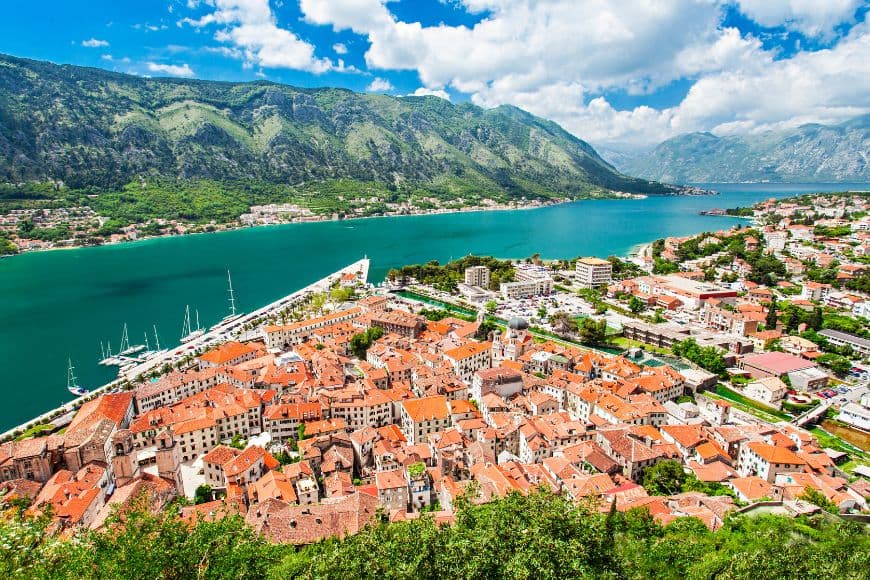
The Montenegro coast is an obvious highlight. The Bay of Kotor combines historic towns such as Kotor and Perast with spectacular mountain scenery, while farther south you’ll find Budva, Sveti Stefan, quieter coastal villages, and the long beaches around Ulcinj.
But I wouldn’t limit a trip to the Adriatic coast. Lake Skadar offers a completely different experience, with peaceful waterways, small villages, wetlands, and mountain scenery. Head farther inland, and Durmitor National Park reveals another side of the country entirely, with alpine landscapes, hiking trails, glacial lakes, and the dramatic Tara River Canyon.
For me, this contrast is what makes Montenegro special. I didn’t have to choose between historic towns, beaches, or mountain scenery—I could experience all three during the same trip.
Montenegro also works beautifully as part of a longer Balkan journey, with Croatia, Bosnia and Herzegovina, Serbia, Kosovo, and Albania nearby. But I wouldn’t treat it simply as a stop between neighboring countries. Give Montenegro enough time of its own; there is far more to experience here than its size suggests.
Planning a Last-Minute Trip to Montenegro?
If you’re planning a last-minute trip to Montenegro, here are a few resources that can help you save both time and money:
- 🏨 Find hotels on Hotels.com or Booking.com – Stay in Kotor, Budva, Perast, Herceg Novi, Žabljak, or anywhere across Montenegro.
- 🚌 Compare buses and flights on Omio – Check transport options for reaching Montenegro and traveling from neighboring European destinations.
- 🚗 Compare car rental deals on DiscoverCars – A convenient option if you want more freedom to explore Lake Skadar, Durmitor National Park, the coast, and smaller villages.
- 📱 Stay connected with an Airalo eSIM – Get mobile data ready for your trip without needing to find a local SIM card after arriving.
- 🎟️ Book tours with Viator – Find boat trips, Bay of Kotor excursions, Durmitor adventures, Tara River rafting, and other experiences around Montenegro.
Best Places to Visit in Montenegro
One of the biggest mistakes first-time visitors can make is treating Montenegro as if Kotor is the whole country. Kotor deserves its reputation, but some of the most memorable places to visit in Montenegro are found beyond the famous bay, from medieval coastal towns and peaceful lakes to national parks and dramatic mountain landscapes.
What I particularly like about Montenegro is how quickly the atmosphere changes. You don’t need to travel hundreds of kilometers to feel as though you’ve arrived somewhere completely different.
Kotor
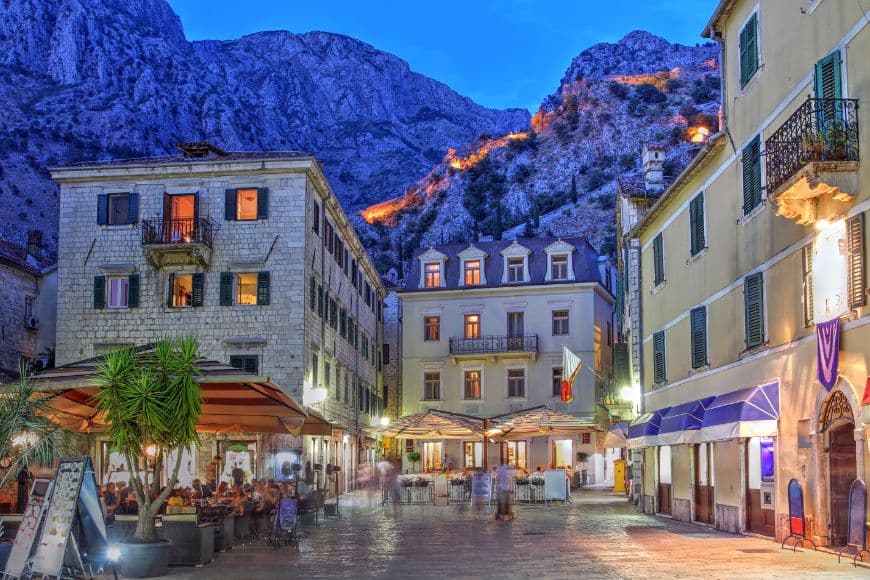
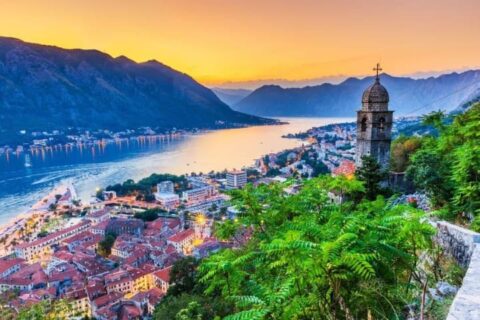
Kotor is the obvious starting point for many travelers, and for good reason. The UNESCO-listed old town sits beneath steep mountains at the edge of the Bay of Kotor, creating one of the most impressive settings on the Adriatic. Inside the walls, you’ll find narrow stone streets, small squares, churches, cafés, and historic buildings that are best explored without following a strict route.
If you’re comfortable with the climb, heading above the old town rewards you with the classic panoramic view over Kotor and the bay. It’s one of those occasions when the effort feels completely justified once you see the landscape from above.
I’d also try to experience Kotor early in the morning or later in the evening. The atmosphere changes considerably when the busiest day visitors and cruise passengers disappear, and wandering through the old town becomes much more enjoyable.
Perast
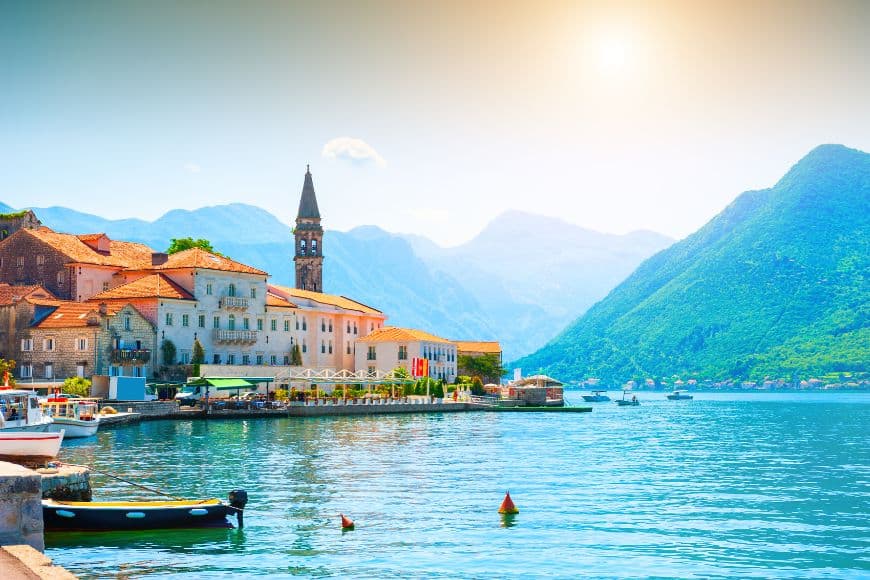
Perast is much smaller than Kotor, but that’s part of its appeal. This beautiful waterfront town is lined with stone buildings, churches, old palaces, and restaurants overlooking the Bay of Kotor.
One of the highlights is taking a short boat ride to Our Lady of the Rocks, the tiny artificial island sitting offshore with its distinctive church. Even without the boat trip, simply walking along Perast’s waterfront and looking across the bay is worth the visit.
I wouldn’t rush through Perast just because there aren’t dozens of attractions to tick off. Grab a coffee or lunch beside the water and enjoy the slower pace. For me, places like this are much better when you stop trying to find the “next thing to do.”
Budva
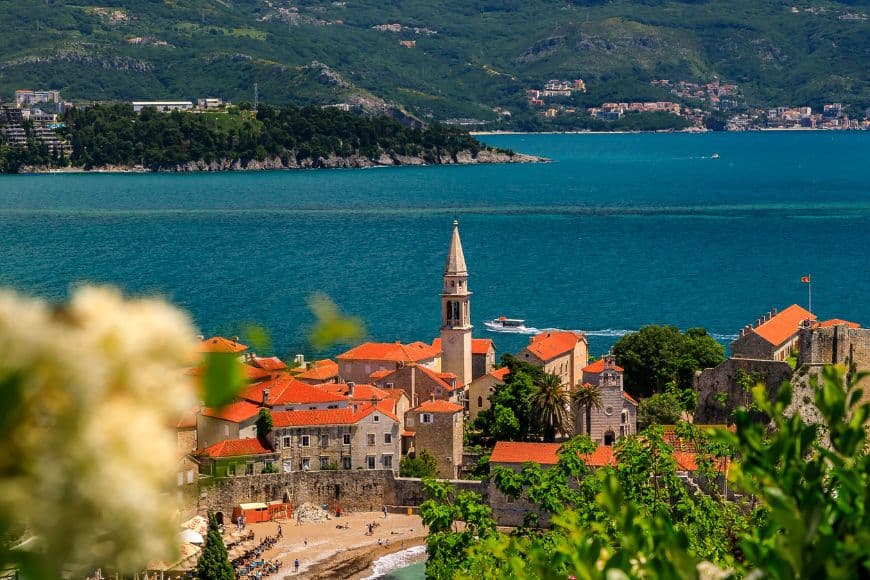
Budva shows you a livelier side of the Montenegro coast. It’s one of the country’s main beach destinations, with a busy promenade, restaurants, nightlife, resorts, and several beaches surrounding its historic center.
The walled Old Town is the part I’d make sure not to miss. Its narrow lanes, stone buildings, churches, and sea views provide a welcome contrast to the modern development surrounding it.
Budva gets particularly busy during summer, so your experience will depend heavily on when you visit. If you’re looking for beaches and nightlife, that energy may be exactly what you want. If you prefer somewhere quieter, I’d visit Budva for the day and base yourself elsewhere.
Sveti Stefan
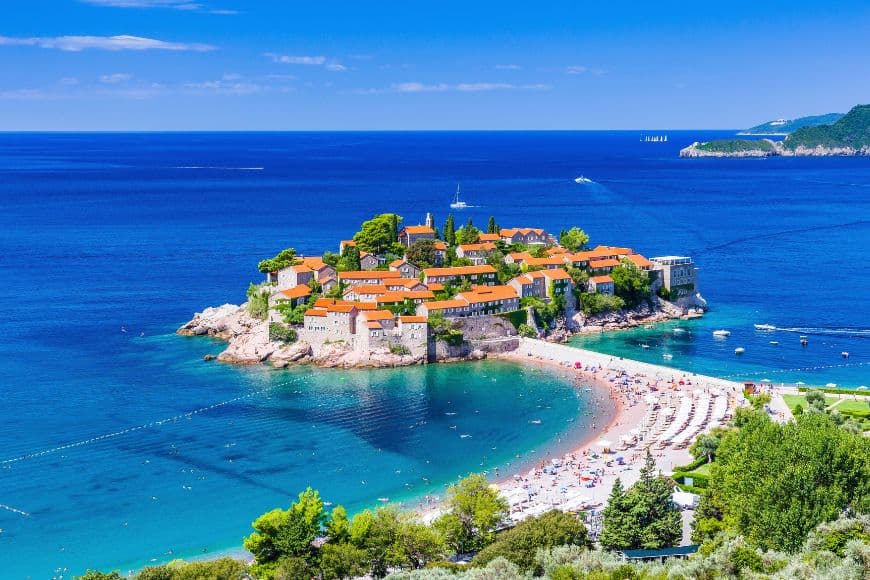
Few places represent Montenegro visually quite like Sveti Stefan. The tiny fortified settlement sits on a rocky islet connected to the mainland by a narrow strip of land, creating one of the country’s most recognizable coastal views.
Access to the island itself can depend on the operation of the resort, so I wouldn’t plan your visit around getting inside. The real attraction for most travelers is the landscape and the viewpoints overlooking the island and coastline.
It’s easy to combine Sveti Stefan with Budva or a longer journey along the Adriatic coast. Even a relatively short stop is worthwhile if you’re already traveling through the area.
Herceg Novi
Herceg Novi sits near the entrance to the Bay of Kotor and offers a good alternative to staying in the much busier Kotor area. The town combines waterfront promenades, historic fortresses, old streets, cafés, and plenty of Mediterranean character.
Be prepared for stairs—the town climbs steeply away from the waterfront—but those different levels also create some lovely views across the bay.
I’d especially consider Herceg Novi if you’re spending several days around the bay. It feels less dominated by short visits than Kotor and gives you another perspective on this beautiful part of Montenegro.
Lake Skadar
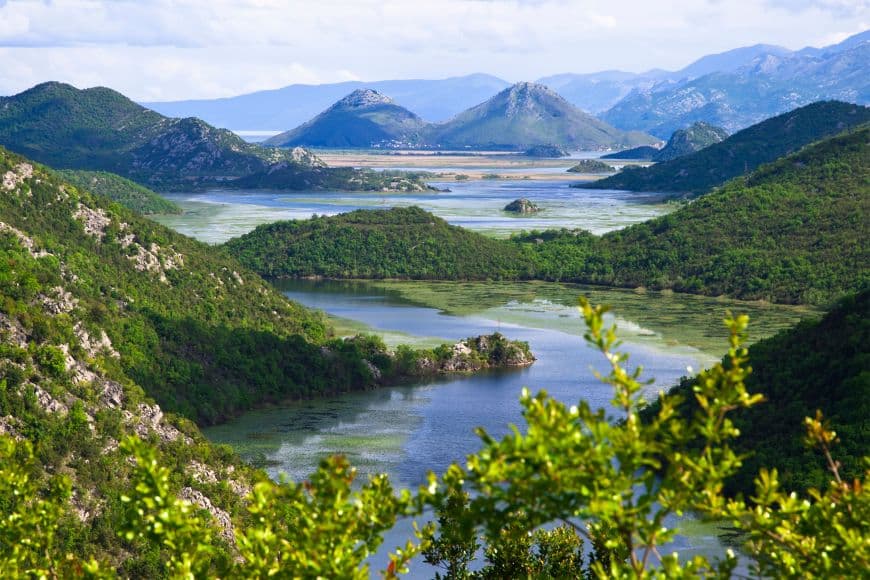
Lake Skadar reveals a completely different side of the country. Shared between Montenegro and Albania, this enormous lake is surrounded by wetlands, mountains, traditional villages, and some spectacular viewpoints.
Boat trips are one of the most popular ways to experience the lake, particularly from Virpazar. Depending on the season, you’ll see water lilies, birds, small islands, monasteries, and landscapes that feel remarkably peaceful compared with Montenegro’s busy coastal resorts.
I’d avoid treating Lake Skadar as simply another quick stop between destinations. Give yourself time for the viewpoints, villages, or a boat trip. It’s one of the places that really demonstrates how varied Montenegro can be.
Durmitor National Park
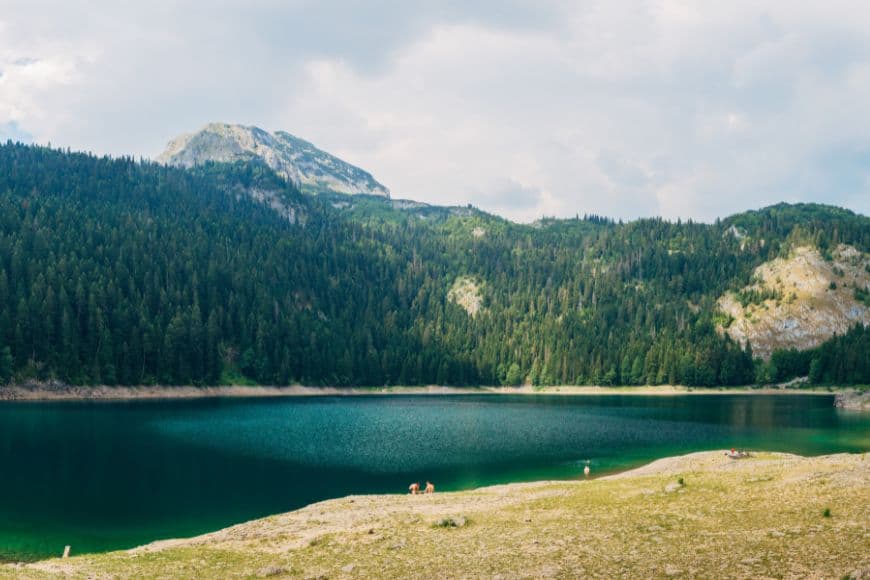
If you’ve spent the first part of your trip along the Adriatic, arriving in Durmitor National Park can feel like entering another country. Coastal towns give way to forests, alpine peaks, deep valleys, and glacial lakes.
Žabljak is the main base for exploring the area, with the famous Black Lake nearby and access to hiking trails and outdoor activities. You don’t have to be a serious hiker to appreciate Durmitor either; there are plenty of scenic areas that can be enjoyed without tackling demanding trails.
I’d strongly consider including Durmitor on any longer Montenegro trip. The coast gets most of the international attention, but the mountains were one of the things that made the country feel genuinely special to me.
Tara River Canyon
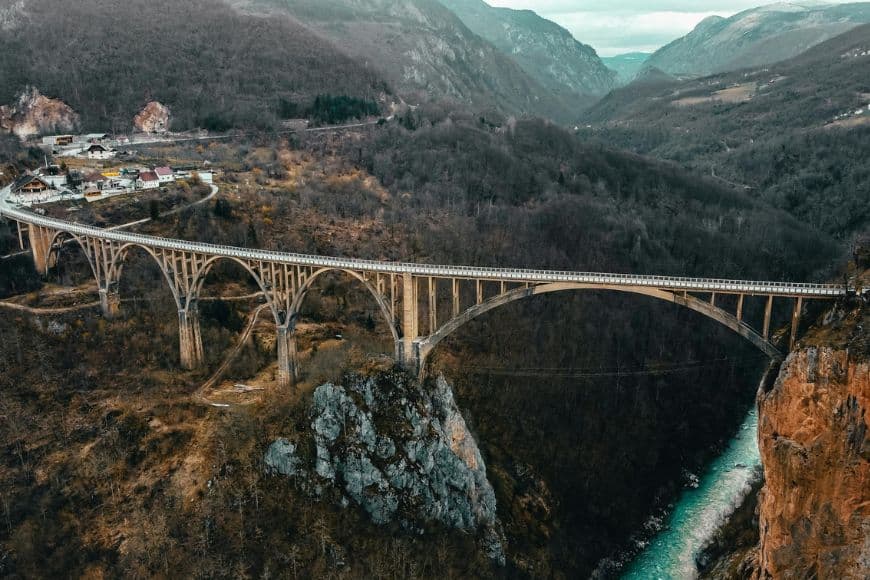
The Tara River Canyon is one of Montenegro’s most dramatic natural attractions and pairs naturally with a visit to Durmitor. The turquoise Tara River cuts through towering forest-covered cliffs, creating scenery that’s completely different from the Adriatic coast.
Rafting is one of the area’s most popular activities, particularly during the warmer months. If that’s not your thing, you can still experience the canyon from viewpoints and around the impressive Đurđevića Tara Bridge.
This is another place where I’d avoid trying to squeeze everything into a rushed day. Combining Tara Canyon with Durmitor gives you a much better introduction to Montenegro’s wild northern landscapes.
Ulcinj
Ulcinj feels noticeably different from Kotor, Budva, and the northern coast. Its Ottoman heritage, old town, long beaches, and proximity to Albania give southern Montenegro its own distinctive character.
The area is particularly known for Velika Plaža, a long sandy beach stretching south of town. That’s quite a contrast to many of the smaller pebble and stone beaches you’ll encounter elsewhere along Montenegro’s coastline.
Ulcinj also makes a logical stop if you’re combining Montenegro with Albania. But even if you’re staying entirely within Montenegro, it’s worth considering if you want beaches and an atmosphere that feels different from the Bay of Kotor.
Podgorica
Podgorica isn’t the reason most people visit Montenegro, and I wouldn’t pretend otherwise. The coast, mountains, and historic towns are likely to be much higher on your list.
However, Montenegro’s capital is an important transportation hub and may naturally become part of your trip if you’re flying into Podgorica Airport or traveling onward by bus or train. If you have some spare time, you’ll find cafés, parks, restaurants, and a much more everyday side of Montenegrin life.
I wouldn’t sacrifice a day in Kotor or Durmitor specifically to see Podgorica, but if your travel plans already bring you here, there’s no reason to immediately rush away either.
Cetinje
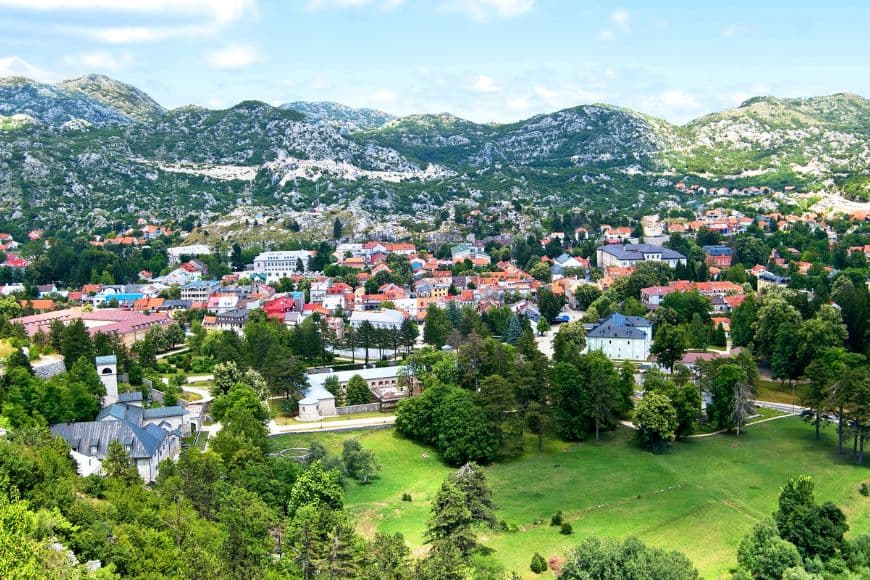
Cetinje is Montenegro’s former royal capital and one of the country’s most interesting stops for travelers who want some historical context alongside all that spectacular scenery.
The city contains museums, monasteries, former embassy buildings, and reminders of the period when Cetinje served as the center of Montenegrin political and cultural life. It has a noticeably quieter atmosphere than the coastal resorts.
I’d consider combining Cetinje with another nearby destination rather than necessarily building an entire trip around it. It’s a worthwhile stop that helps explain Montenegro’s history and identity—and adds another layer to a country that’s very easy to underestimate when you first look at it on a map.
How Many Days Do You Need in Montenegro?
For most first-time visitors, 7 days in Montenegro is a good amount of time. A week gives you enough time to experience the Bay of Kotor and Adriatic coast while also venturing inland to places such as Lake Skadar or Durmitor National Park without turning every day into a race between destinations.
How long you need really depends on how much of the country you want to experience:
- 3–4 days: Focus on Kotor, Perast, and part of the coast. This works well for a short Balkan trip, but you’ll mostly experience Montenegro’s coastal side.
- 5–7 days: Add Budva, Sveti Stefan, and Lake Skadar while keeping a reasonably comfortable pace.
- 7–10 days: My preferred range for a first trip. You’ll have enough time for the coast, historic towns, Lake Skadar, and the mountain landscapes around Durmitor.
- 10–14 days: Ideal if you prefer slow travel, want more beach or hiking time, or plan to explore places such as Ulcinj, Herceg Novi, and northern Montenegro.
When deciding how many days in Montenegro you need, don’t let the country’s small size fool you. Distances may look short on the map, but mountain roads, summer traffic, and stops along the way can make journeys take longer than expected.
Personally, I’d choose 7–10 days if your schedule allows. That’s enough time to appreciate the contrast between the Adriatic coast and Montenegro’s interior rather than simply moving from one famous attraction to the next.
If you only have three or four days, I’d rather explore one region properly than try to squeeze Kotor, Budva, Lake Skadar, and Durmitor into the same rushed trip.
If you’re ready to turn those days into an actual route, our Montenegro itinerary includes flexible 5, 7, and 10-day options covering the Bay of Kotor, Lake Skadar, Durmitor, and more.
When Is the Best Time to Visit Montenegro?
The best time to visit Montenegro is generally May to June or September to early October. You still get warm, pleasant weather along the coast, but you’ll avoid much of the intense heat, higher accommodation prices, and crowds that arrive during July and August.
That said, the right time really depends on what you want from the trip.
Spring: April to June
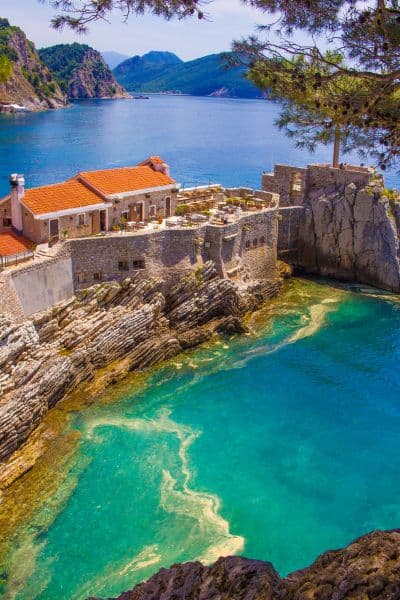
Spring is one of my favorite periods for exploring Montenegro. By May, temperatures along the coast are comfortable for sightseeing, the landscapes are green, and places like Kotor and Budva haven’t yet reached their summer peak.
June is particularly attractive if you want to combine sightseeing, beaches, and outdoor activities. The sea is warming up, days are long, and mountain areas are becoming increasingly accessible.
Summer: July and August
July and August bring the hottest weather and the liveliest atmosphere, especially along the Montenegro coast. If your priority is swimming, beaches, nightlife, and long summer evenings, this is the obvious time to visit.
The trade-off is crowds. Kotor can become particularly busy when cruise ships arrive, while Budva and other coastal resorts fill with summer visitors. Accommodation prices also tend to be at their highest.
If summer is your only option, I’d still go. Just book accommodation early and explore popular old towns in the morning or later in the evening when possible.
Autumn: September to October
September might offer the best overall balance. The sea is still warm enough for swimming, temperatures are comfortable, and the busiest summer period has started to fade.
October can also be excellent for sightseeing and exploring historic towns, although the weather becomes less predictable as the month progresses.
Winter: November to March
Winter shows a completely different side of Montenegro. Coastal towns become much quieter, while the mountains around Žabljak and Durmitor National Park turn into winter destinations.
It’s not the season I’d choose for a classic first-time Montenegro trip combining beaches, towns, and national parks, but it can work very well if you specifically want snow, skiing, lower prices, or a quieter coastal experience.
My pick: For a first visit, I’d choose June or September. Both months give you the flexibility to enjoy the coast, historic towns, lakes, and mountains without experiencing Montenegro at its busiest.
How to Get to Montenegro
Montenegro is relatively easy to reach from elsewhere in Europe and fits naturally into a longer Balkan trip. Most international visitors either fly into one of the country’s two airports or arrive overland from Croatia, Albania, Bosnia and Herzegovina, or Serbia.
Flying to Montenegro
Montenegro has two main international airports: Podgorica Airport and Tivat Airport.
Tivat Airport is the most convenient option if your trip is focused on Kotor, Perast, Budva, and the Bay of Kotor. Kotor is only a short journey away, making Tivat particularly useful for travelers planning to spend most of their time along the coast.
Podgorica Airport is better positioned for the capital, Lake Skadar, and trips that continue toward northern or southern Montenegro. It can also offer different flight options depending on where you’re traveling from.
I’d check fares to both airports rather than automatically choosing one. A cheaper flight isn’t always a better deal if you then need to spend several additional hours reaching your first destination.
Flying to Dubrovnik
Dubrovnik Airport in Croatia can also be a useful alternative, especially if you’re visiting the Bay of Kotor or combining Croatia and Montenegro in the same trip.
The important thing to remember is that you’re crossing an international border. Travel times between Dubrovnik and Montenegro can vary considerably depending on traffic and queues at the border, particularly during the busy summer season.
I wouldn’t schedule a tight connection immediately after crossing the border. Give yourself some breathing room.
Arriving from Neighboring Countries
If you’re already traveling through the Balkans, getting to Montenegro overland is straightforward from several neighboring countries.
- From Croatia: You can travel from Dubrovnik to Herceg Novi and Kotor by bus, private transfer, or rental car. If you’re driving, remember you’ll be crossing an international border, so allow extra time during the busy summer months. If you’re combining the two countries by car, our 10-day Croatia road trip route can help you explore the Croatian coast before continuing south into Montenegro.
- From Albania: Buses connect Shkodër with Montenegro, making it relatively easy to combine the two countries without a car. If you’re driving, crossing from northern Albania into Montenegro also fits naturally into a longer Balkan route. If Albania is also part of your trip, our complete guide to visiting Albania covers the best places to visit, transportation, accommodation, costs, and practical advice for planning your time there.
- From Bosnia and Herzegovina: You can reach Montenegro by bus or car from cities such as Mostar and Sarajevo. Driving gives you more flexibility, while buses are a practical option for travelers exploring the Balkans without renting a vehicle.
- From Serbia: You can travel to Montenegro by bus, car, or train. The Belgrade–Bar railway is the standout option, offering one of the most scenic rail journeys in the Balkans.
If Montenegro is part of a multi-country trip, I’d allow some flexibility on border-crossing days. The distance on Google Maps may look short, but border queues can make the actual journey considerably longer than expected.
Getting Around Montenegro
Getting around Montenegro is relatively straightforward, especially between the main coastal towns, but the best transport option depends on where you want to go. You can comfortably visit many of the country’s major destinations without driving, while renting a car becomes much more useful when you start exploring national parks, mountain areas, and smaller villages.
Public Transport in Montenegro
Public transport in Montenegro mainly relies on buses, which connect destinations such as Kotor, Budva, Herceg Novi, Podgorica, Bar, and Ulcinj. For a trip focused primarily on the coast and larger towns, traveling by bus is a perfectly realistic option.
Schedules and journey times can vary, particularly during summer when coastal traffic becomes heavier. I’d avoid building an itinerary around very tight connections and leave some flexibility between journeys.
Renting a Car in Montenegro
Renting a car gives you much more freedom once you venture beyond the main towns. It’s particularly useful for exploring Lake Skadar, Durmitor National Park, scenic viewpoints, smaller villages, and places that would otherwise require tours or more complicated transport connections.
I’d consider a rental car if nature and the countryside are a major part of your trip. If you’re mainly staying around Kotor and Budva, however, I wouldn’t rent one simply because you think Montenegro requires a car—it doesn’t. Mountain and coastal roads can also be narrow and winding, so I’d allow more time than the distance on the map might suggest.


Traveling by Train
Montenegro’s rail network is limited, so trains aren’t the main way most visitors get around the country. However, the Podgorica–Bar railway can be useful if your plans include the capital and Adriatic coast.
The railway also continues north toward Serbia as part of the famous Belgrade–Bar route. For most other tourist destinations, buses or a car will be more practical.

Taxis and Private Transfers
Taxis and private transfers are useful for airport journeys, shorter trips around the coast, or situations where bus schedules don’t fit your plans.
I’d agree on the fare beforehand when necessary or arrange transfers through a reputable provider or your accommodation, particularly for longer journeys.
The important thing is that Montenegro without a car is absolutely possible. A car gives you more flexibility, especially inland, but buses combined with occasional transfers or organized tours can cover a surprisingly large part of the country.
Where to Stay in Montenegro
Choosing where to stay in Montenegro depends less on finding one perfect base and more on deciding which side of the country you want to experience. For a short trip, staying around the Bay of Kotor or Budva makes sense. With a week or more, I’d split the trip between the coast and northern Montenegro rather than trying to explore everything from one location.
Kotor – Best for First-Time Visitors
Kotor is my first choice if you’re visiting Montenegro for the first time. You’ll have the UNESCO-listed Old Town on your doorstep, beautiful views across the bay, plenty of restaurants, and easy access to Perast and other nearby destinations.
Staying inside the Old Town puts you right in the atmosphere, but accommodation just outside the walls can be quieter and more convenient if you’re arriving with luggage or a car.
Budva – Best for Beaches and Nightlife
Budva makes more sense if beaches, restaurants, and nightlife are priorities. There’s a much livelier resort atmosphere here than in Kotor, particularly during July and August. I’d choose Budva over Kotor for a summer beach-focused vacation, but Kotor would still be my preference for history, atmosphere, and exploring the bay.
Perast – Best for a Quieter Stay
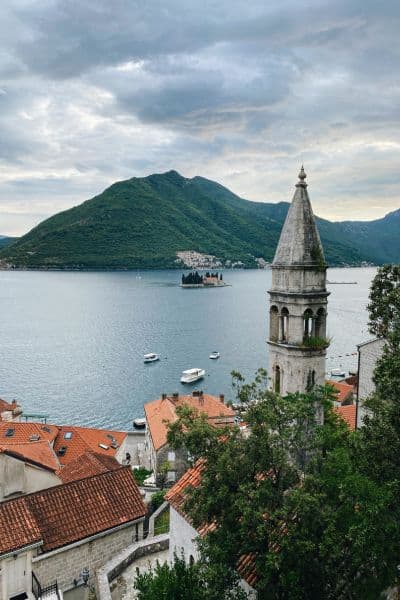
Perast is a lovely choice if you want somewhere smaller and more peaceful. Evenings are particularly enjoyable once many day visitors have left and the waterfront becomes quieter. The trade-off is having fewer restaurants, shops, and transport options than Kotor, so I’d choose Perast for atmosphere rather than convenience.
Herceg Novi – Best Alternative on the Bay
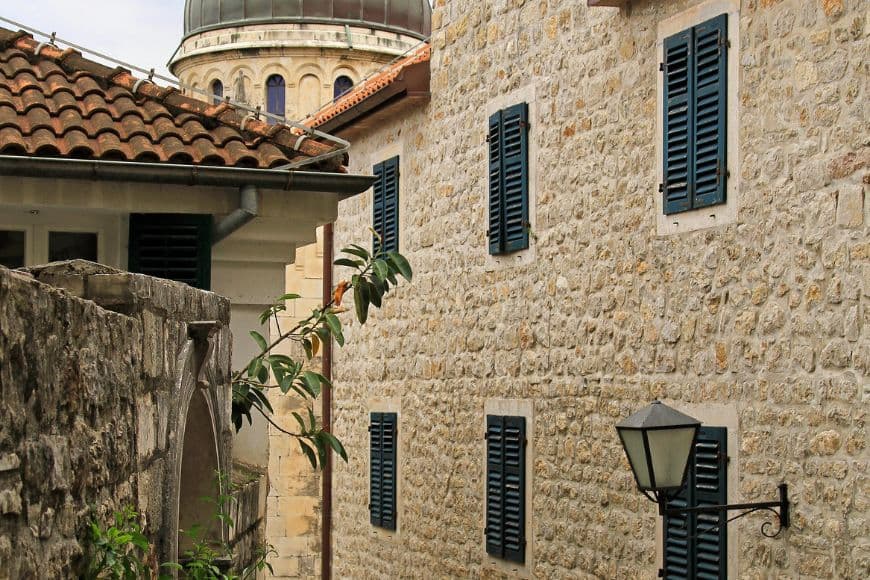
Herceg Novi works well if you want to stay around the Bay of Kotor but prefer somewhere less centered around Kotor’s tourist crowds. You’ll have waterfront walks, historic areas, restaurants, and good access to other parts of the bay, making it particularly appealing for a slower trip.
Žabljak – Best for Mountains and Durmitor
If Durmitor National Park is part of your plans, stay in Žabljak rather than attempting to visit northern Montenegro as a rushed day trip from the coast. It’s the main base for hiking, Black Lake, Tara Canyon, and other outdoor activities. Spending at least two nights here gives you a much better chance to experience the mountains without constantly watching the clock.
Ulcinj – Best for Southern Montenegro
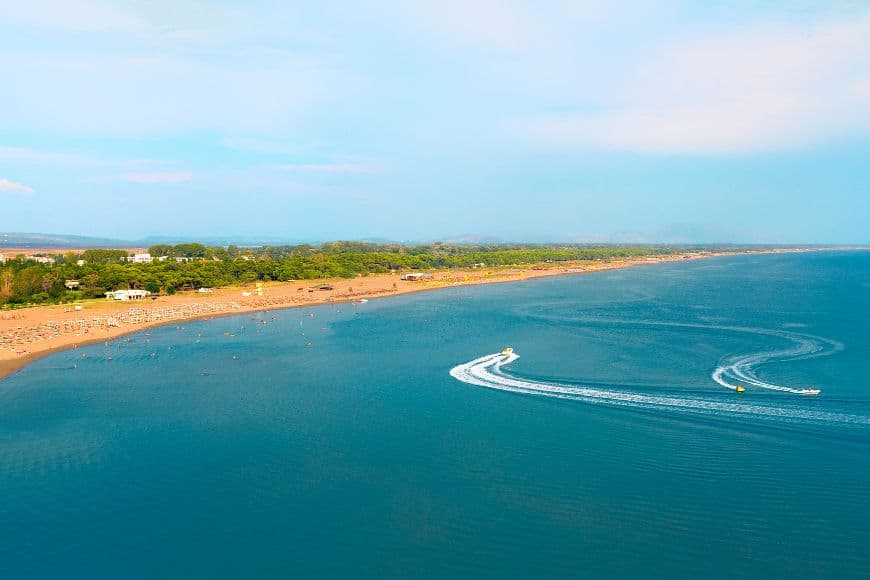
Ulcinj is a strong choice for travelers looking for long beaches and a different atmosphere from the Bay of Kotor. It’s also particularly convenient if Montenegro is being combined with Albania.
For most first-time visitors, I’d split Montenegro accommodation between Kotor and Žabljak if the trip is long enough. That combination gives you two completely different experiences—the historic Adriatic coast and Montenegro’s dramatic mountain interior.
How Much Does a Trip to Montenegro Cost?
A trip to Montenegro typically costs around €50–80 per day for budget travelers, €100–170 per day for a comfortable mid-range trip, and €200 or more per day for a higher-end experience. Your actual Montenegro travel costs will depend heavily on where you stay, when you visit, and how you choose to get around.
One useful thing to know when planning your budget is that the Montenegro currency is the euro (€), despite Montenegro not being a member of the European Union. That makes budgeting particularly straightforward if you’re arriving from another eurozone country.
For most travelers, the main expenses will be:
- Accommodation: Prices vary considerably between the coast and inland areas. Kotor and Budva are noticeably more expensive during July and August.
- Food: Local bakeries, cafés, and traditional restaurants can offer excellent value, while waterfront restaurants in the busiest tourist areas naturally cost more.
- Transportation: Buses are generally the most economical way to travel between towns. Renting a car costs more but gives you greater flexibility, particularly inland.
- Activities: Hiking and exploring historic towns can cost very little, while boat trips, rafting, guided tours, and other organized activities will increase your daily budget.
- Beach expenses: Some popular coastal areas charge for sunbeds and umbrellas, which can add up if you’re spending several days at the beach.
From my experience, Montenegro can still offer very good value, but I wouldn’t describe every part of the country as cheap. The Bay of Kotor and popular coastal resorts during peak summer can be considerably more expensive than smaller towns or inland Montenegro.
If you’re trying to keep costs under control, traveling in June or September can make a noticeable difference. You’ll often find better accommodation value while still enjoying excellent weather and everything that makes Montenegro worth visiting.
Food and Drink in Montenegro
One thing I wouldn’t treat as an afterthought in Montenegro is the food. Montenegro food changes noticeably as you travel from the Adriatic coast into the mountains, with Mediterranean influences dominating near the sea and much heartier dishes appearing inland.
Along the coast, I’d take advantage of the fresh seafood. Grilled fish, squid, octopus, mussels, and prawns are common, particularly around Kotor, Budva, and the Bay of Kotor. Restaurants directly on the waterfront can be more expensive, so walking a few streets away can sometimes give you better value.
Once you head inland, traditional Montenegrin food becomes heavier and more rustic. A few things worth trying include:
- Njeguški pršut – smoked and dried ham traditionally associated with the village of Njeguši.
- Kačamak – a hearty dish made with potatoes, cornmeal, and cheese, particularly popular in the mountain regions.
- Cicvara – a rich traditional dish made with cheese, dairy, and flour or cornmeal.
- Burek – flaky pastry filled with meat, cheese, spinach, or other ingredients and an excellent inexpensive breakfast or snack.
- Grilled meats – including ćevapi and other Balkan-style meat dishes that you’ll find throughout the country.
- Kajmak – a rich, creamy dairy product often served alongside bread or grilled meat.
Coffee is also very much part of everyday life here. Rather than grabbing one and immediately leaving, take your time. Sitting at a café watching life pass by is part of the experience, especially in the old towns and smaller coastal communities.
I found the contrast between fresh seafood beside the Adriatic and hearty mountain food particularly fitting for Montenegro. Just like the landscape, what ends up on your plate can change considerably after only a few hours of travel.
Montenegro Travel Essentials
A few practical details are worth knowing before you arrive. None of them makes Montenegro particularly difficult to travel around, but sorting them out beforehand means less time dealing with small problems once you’re there.
- Currency: Montenegro uses the euro (€) even though the country isn’t a member of the European Union. Cards are widely accepted in hotels, restaurants, and larger businesses, but I’d still carry some cash for cafés, markets, smaller establishments, and more remote areas.
- Language: Montenegrin is the official language. You’ll generally find English spoken in hotels, restaurants, and popular tourist destinations, particularly around Kotor and Budva. Learning a simple hvala (thank you) never hurts.
- Mobile data: Getting a Montenegro SIM card is straightforward, or you can arrange an eSIM Montenegro plan before arriving if you’d rather have data ready immediately. Mobile coverage is generally good in populated areas but can become less reliable in remote mountain regions.
- Safety: Montenegro safety shouldn’t be a major concern for most visitors. Normal precautions apply—keep an eye on valuables in crowded areas, use reputable transportation, and take appropriate precautions when hiking, swimming, or exploring unfamiliar mountain areas.
- Tap water: Tap water is generally considered safe in most towns, although conditions can vary locally. If you’re staying somewhere remote, I’d ask your accommodation if you’re unsure.
- Electricity: Montenegro uses Type C and F plugs with a 230V supply, the same system used across much of continental Europe.
- Tipping: Tipping isn’t compulsory, but rounding up the bill or leaving around 5–10% for good restaurant service is appreciated.
- Travel insurance: I wouldn’t travel without it, particularly if your plans include hiking in Durmitor, rafting the Tara River, swimming, renting a car, or other outdoor activities.
These are the basics I’d sort out before traveling to Montenegro. The country is relatively easy to navigate once you’re there, and a little preparation covers most of the practical details.
Can You Travel Around Montenegro Without a Car?
Yes, Montenegro without a car is absolutely possible, particularly if your trip focuses on Kotor, Budva, Herceg Novi, Podgorica, Bar, and Ulcinj. Buses connect the main towns, and you can use local tours, taxis, or private transfers for places that are more difficult to reach independently.
For a first trip centered on the coast, I wouldn’t rent a car simply because you think you need one. Kotor makes a convenient base for exploring the Bay of Kotor, while regular bus connections make moving between the main coastal destinations relatively straightforward.
Where a car starts to become more useful is when you want to explore Montenegro’s interior. Lake Skadar, Durmitor National Park, Tara River Canyon, remote viewpoints, mountain villages, and smaller stops are much easier to experience when you’re not working around bus schedules.
There are still alternatives. Organized day tours can cover many of these places, and combining buses with occasional transfers works well if you don’t want to drive.
I’d make the decision based on the kind of trip you’re planning:
- Mostly Kotor, Budva and the coast: You can comfortably travel without a car.
- Coast plus a few major inland destinations: Public transport combined with tours or transfers can work well.
- Mountains, national parks and smaller villages: A rental car gives you significantly more freedom.
- Multi-country Balkan trip: Either option can work, but check cross-border rental conditions before taking a rental car into neighboring countries.
Personally, I see a car as a convenience in Montenegro rather than a necessity. If you enjoy independent exploration and spontaneous stops, you’ll appreciate having one. If you’d rather not deal with narrow roads, parking, or driving abroad, you can still see a substantial part of the country without getting behind the wheel.
FAQs About Traveling to Montenegro
Is Montenegro worth visiting?
Yes. Montenegro is worth visiting for its combination of historic coastal towns, beaches, mountains, national parks, and dramatic scenery. Its compact size also makes it possible to experience the Bay of Kotor, Adriatic coast, Lake Skadar, and mountain landscapes during the same trip.
Is Montenegro expensive for tourists?
Montenegro can still offer good value, particularly outside the busiest coastal destinations. Budget travelers can expect to spend around €50–80 per day, while a comfortable mid-range trip may cost approximately €100–170 per day. Kotor, Budva, and other popular coastal areas become noticeably more expensive during peak summer.
Do you need a car in Montenegro?
No. Buses connect many major destinations, including Kotor, Budva, Herceg Novi, Podgorica, Bar, and Ulcinj. A rental car becomes more useful if you want to explore Durmitor National Park, Lake Skadar, mountain villages, scenic viewpoints, and more remote areas independently.
Is Montenegro safe for tourists?
Montenegro is generally a safe destination for tourists. Normal travel precautions still apply, particularly around valuables in crowded places and when hiking, swimming, driving, or taking part in outdoor activities.
Can you use euros in Montenegro?
Yes. Montenegro uses the euro (€) as its currency even though the country isn’t a member of the European Union. Cards are widely accepted in tourist areas, but carrying some cash is useful for smaller businesses and more remote locations.
Is Kotor or Budva better for first-time visitors?
I’d choose Kotor for a first visit if history, scenery, and exploring the Bay of Kotor are your priorities. Budva is a better fit if you’re mainly interested in beaches, nightlife, and a livelier summer atmosphere. The two are close enough that you can easily include both in the same trip.
Continue Exploring the Balkans
Planning to explore beyond Montenegro? These guides can help you build the next part of your journey:
- Plan a longer journey through the Balkans – Our Balkan road trip guide covers routes, destinations, and practical advice for exploring several countries by car.
- Cross Balkan borders with confidence – Check our guide to Balkan border crossings for documents, insurance, rental-car rules, and practical advice before traveling between countries.
- Explore the region without renting a car – Our Balkans without a car guide covers buses, trains, ferries, transfers, and other ways to travel between destinations.
- Continue south through Albania – Our Albania itinerary for 7, 10 and 14 days helps you choose a route based on how much time you have and what you want to experience.
- Discover another side of the Balkans in Slovenia – Our guide to exploring Slovenia covers Ljubljana, Lake Bled, the Julian Alps, the coast, transportation, costs, and practical trip planning.
- Plan your Montenegro itinerary – Choose from flexible 5, 7, and 10-day routes combining Kotor, the Adriatic coast, Lake Skadar, Durmitor, and Montenegro’s mountain scenery.
Final Thoughts
Montenegro is one of those countries that feels much bigger once you start exploring it. On a map, the distances look small, but within those short distances you can move from medieval towns and the calm waters of the Bay of Kotor to beaches, peaceful lakes, deep canyons, and rugged mountain landscapes.
That variety was what stayed with me most. I enjoyed the coast, but I wouldn’t make the mistake of seeing Montenegro only as an Adriatic destination. Places like Lake Skadar and Durmitor show a completely different side of the country and, for me, are part of what makes a trip here so rewarding.
If you’re visiting for the first time, give yourself at least a week if you can, don’t try to turn every day into a checklist, and leave some room for places you hadn’t originally planned to stop.
Hopefully, this Montenegro travel guide gives you everything you need to start planning confidently. Choose a few places that genuinely interest you, decide whether public transport or a rental car suits your trip, and build from there.
Montenegro may be small, but that’s exactly why I’d slow down rather than rush through it.
About Luca
Explore More
- 10 Day Croatia Itinerary: The Perfect Route for First-Time Visitors
- Croatia Travel Guide: Where to Go, When to Visit & What to Know
- Montenegro Itinerary: Perfect 5, 7 & 10 Day Routes for First-Time Visitors
- Albania Travel Tips For First-Time Visitors: What to Know Before You Go
Book Your Tour
Rent Car

💬 We’d love to hear from you!
Have questions, tips, or personal travel stories to share? Drop them in the comments below — your insights help fellow travelers plan their adventures too.