Croatia Travel Guide: Where to Go, When to Visit & What to Know

by Asia A. | Last Updated September 15, 2026

Croatia is one of those countries where I found the hardest part wasn’t deciding whether somewhere was worth visiting—it was deciding what to leave out. Every time I looked at the route, there seemed to be another coastal town, island, national park, or historic city tempting me to add one more stop.
And Croatia really does change as you move through it. Dubrovnik might be the image many travelers have in mind before arriving, but the country goes far beyond its famous walled city. Split feels completely different, the islands bring another rhythm to the trip, and heading toward places like Plitvice Lakes or farther north into Istria almost feels like starting a new journey.
One thing I learned while exploring Croatia is not to underestimate the distances simply because several places look close on the map. A beautiful coastal road, a ferry connection, a stop you hadn’t planned, or simply finding somewhere you don’t want to leave can easily change the day. Personally, I think that’s part of the fun—and one of the reasons I’d avoid building an itinerary where every hour is already accounted for.
There’s also a temptation to treat Croatia as a checklist: Dubrovnik, Split, Hvar, Plitvice, done. I wouldn’t. Some of my favorite travel experiences come when there’s enough time to wander through an old town without chasing the next attraction, sit beside the Adriatic for longer than planned, or change the route because somewhere looks interesting.
In this Croatia travel guide, I’ll help you figure out the practical side of planning your own trip, including the best places to visit in Croatia, how many days you need, when to go, how to get around, where to stay, typical travel costs, ferries, food, and the essential things worth knowing before you arrive.
Whether you’re planning a week along the Croatia coast, an island-focused summer holiday, or a longer journey through several regions, don’t worry about seeing everything. Croatia gives you plenty of reasons to come back. For a first trip, I’d rather choose fewer places and actually enjoy them than spend half the holiday wondering how quickly I can reach the next one.
Planning a Last-Minute Trip to Croatia?
If you’re planning a last-minute trip to Croatia, these resources can help you organize the essentials quickly and avoid spending half your trip comparing options:
- 🏨 Find hotels on Hotels.com or Booking.com – Compare accommodation in Dubrovnik, Split, Zagreb, Zadar, Rovinj, the Croatian islands, and other destinations across the country.
- 🚌 Compare buses, trains, and flights on Omio – Check transportation between Croatian cities and connections from neighboring European countries.
- 🎟️ Book tours and experiences with Viator – Find island boat trips, Dubrovnik and Split tours, national park excursions, and other activities throughout Croatia.
- 🚗 Compare car rental deals on DiscoverCars – Particularly useful if you want the freedom to explore Istria, national parks, smaller coastal towns, and destinations away from the main transport routes.
- 📱 Stay connected with an Airalo eSIM – Arrange mobile data before arriving so you’re connected as soon as you land.
- 🛡️ Don’t forget travel insurance, especially if your plans include driving, hiking, boating, swimming, or other outdoor activities.
Travelandoo Tip: If you’re visiting Croatia in July or August, I’d prioritize booking accommodation and any important ferry connections first. Those are the parts of the trip I’d least want to leave until the last minute.
Why Visit Croatia?
Croatia is easy to recommend because you don’t have to choose between a cultural trip, a beach holiday, and time in nature. You can have elements of all three, and the experience changes considerably depending on which part of the country you’re exploring.
The Croatia coast is naturally the biggest attraction for many visitors. Dubrovnik’s historic walls, Split’s ancient center, the waterfront towns of Zadar and Šibenik, and the beautiful landscapes of Istria give you hundreds of kilometers of Adriatic coastline to explore. Then there are the Croatian islands, where places such as Hvar and Korčula let you slow the pace, spend more time around the water, and experience another side of coastal life.
But I wouldn’t build a first trip entirely around the sea. One of the things I enjoyed about Croatia was being able to leave the Adriatic behind and suddenly find myself surrounded by a completely different landscape. Plitvice Lakes National Park, with its lakes, forests, and waterfalls, is the obvious example, while Krka National Park is another easy way to add nature to a coastal itinerary.
The cities also have very different personalities. Dubrovnik feels dramatic and historic, Split has this fascinating mixture of everyday city life and ancient architecture, while Zagreb gives you a completely different experience from the coastal destinations. Head into Istria and places such as Rovinj and Pula change the atmosphere again.
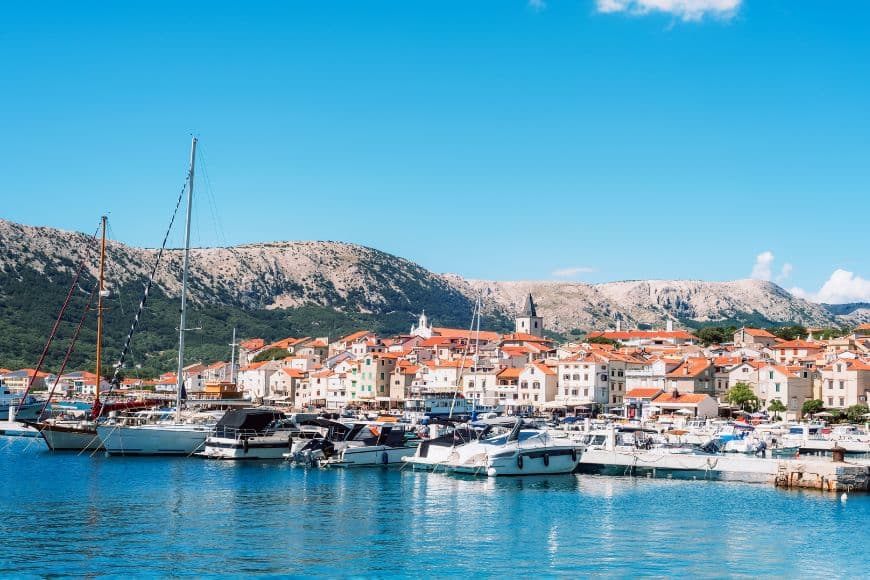
Croatia is also particularly good for a multi-stop trip. You can travel between major destinations by bus, connect the coast and islands using ferries in Croatia, or rent a car if you want more freedom to explore national parks, smaller towns, and rural areas.
And if Croatia is part of a longer Balkan journey, its location works beautifully. Slovenia is immediately to the north, Montenegro and Bosnia and Herzegovina are easy additions farther south, and ferry connections across the Adriatic can also make Italy part of a wider trip.
For me, though, the biggest reason to visit Croatia is the variety. You can come primarily for the Adriatic and leave remembering an old town, an island, a waterfall, a meal, or a completely unplanned stop just as much as the beaches.
If you prefer exploring by car, our Ten-day Croatia road trip follows a practical route through some of the country’s most rewarding stops.
Best Places to Visit in Croatia
One of the easiest mistakes to make when planning Croatia is focusing almost entirely on Dubrovnik and Split. Both absolutely deserve a place on a first trip, but some of the best places to visit in Croatia are found beyond those two cities, from the islands of the Adriatic to Istria and the national parks inland.
What I particularly like is that these destinations don’t feel like variations of the same place. Moving from Dubrovnik to Split, then to an island such as Hvar or Korčula, and later inland to Plitvice can completely change the character of the trip.
Dubrovnik
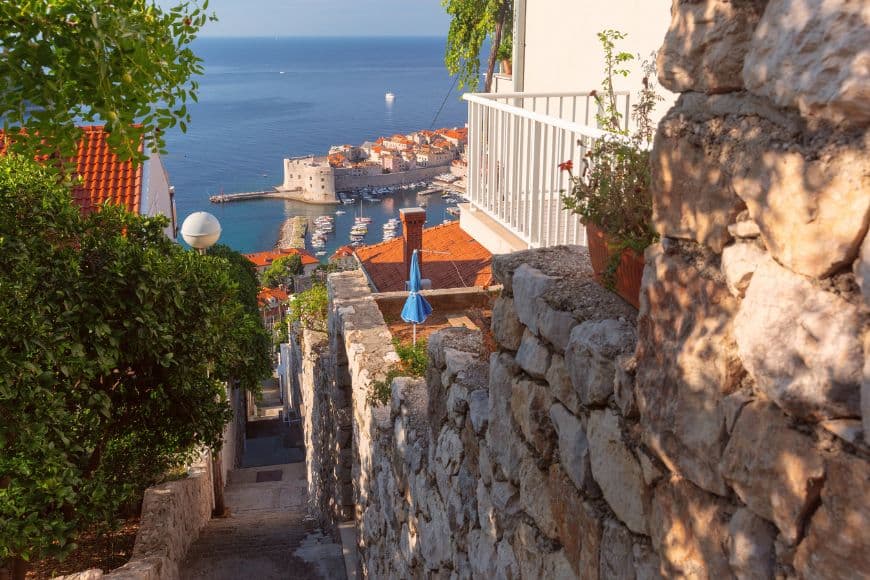
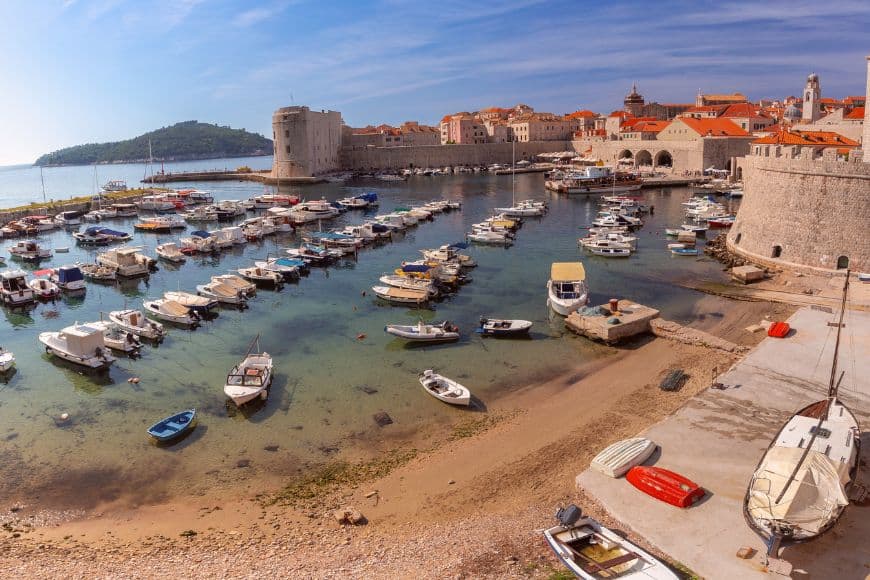
Dubrovnik is Croatia’s most famous destination, and once you see the Old Town surrounded by its enormous stone walls and the blue Adriatic beyond them, it’s easy to understand why. Walking through the historic center is an experience in itself, with narrow streets, stone buildings, churches, small squares, and views appearing unexpectedly between the buildings.
Walking the city walls is one thing I’d make time for. Seeing the terracotta rooftops on one side and the Adriatic on the other gives you a completely different perspective of the city. I’d also wander away from Stradun and explore some of the quieter side streets rather than treating the Old Town as a route between major attractions.
The biggest challenge with Dubrovnik is its popularity. During summer and when cruise passengers arrive, the Old Town can become extremely busy. If possible, I’d explore early in the morning or later in the afternoon and evening. Dubrovnik is far more enjoyable when you give yourself enough time to experience the city beyond its busiest hours.
If you’re continuing north by car, our guide to the best stops between Dubrovnik and Split shows where it’s worth breaking up the journey along the Dalmatian coast.
Split
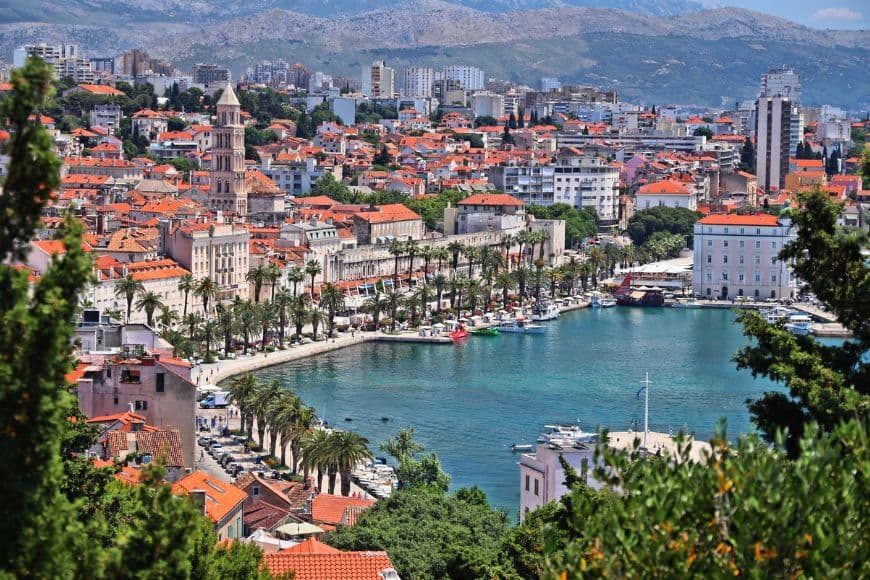
Split feels very different from Dubrovnik, and that’s exactly why I’d include both if your schedule allows. At its heart is Diocletian’s Palace, but don’t expect a historical site separated from the modern city. Restaurants, cafés, shops, homes, and everyday life have developed within and around the ancient palace.
I enjoyed that mixture because Split doesn’t feel like somewhere you simply enter, visit, and leave. You can explore the old streets and palace cellars, walk along the Riva waterfront, stop for coffee, and then suddenly realize you’ve spent considerably longer in the center than you planned.
Split is also one of the most practical bases on the Croatian coast. From here, you can continue toward nearby coastal destinations, take excursions into the surrounding region, or catch ferries to several Croatian islands. If island hopping is part of your trip, Split will probably become an important part of your route.
Zagreb
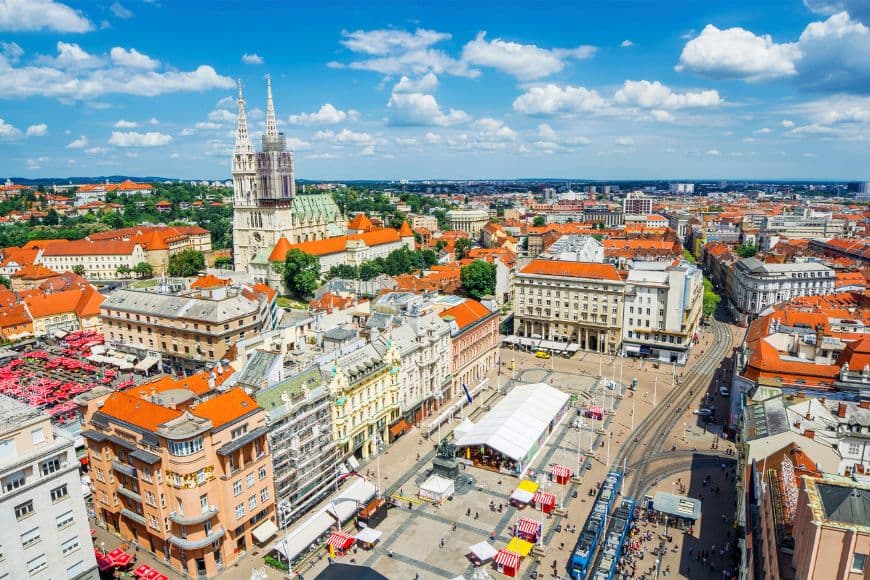
Zagreb sometimes gets overlooked because travelers naturally gravitate toward the Adriatic, but Croatia’s capital offers a completely different side of the country. The historic Upper Town, markets, museums, parks, cafés, and Austro-Hungarian architecture make Zagreb feel more Central European than the coastal cities. I’d especially consider spending time here if you’re arriving overland from Slovenia or continuing toward Plitvice Lakes.
I wouldn’t necessarily take several days away from the coast just to include Zagreb on a short summer holiday. But on a longer trip, having a day or two here adds useful contrast and prevents Croatia from becoming entirely about beaches and medieval coastal towns.
Zadar
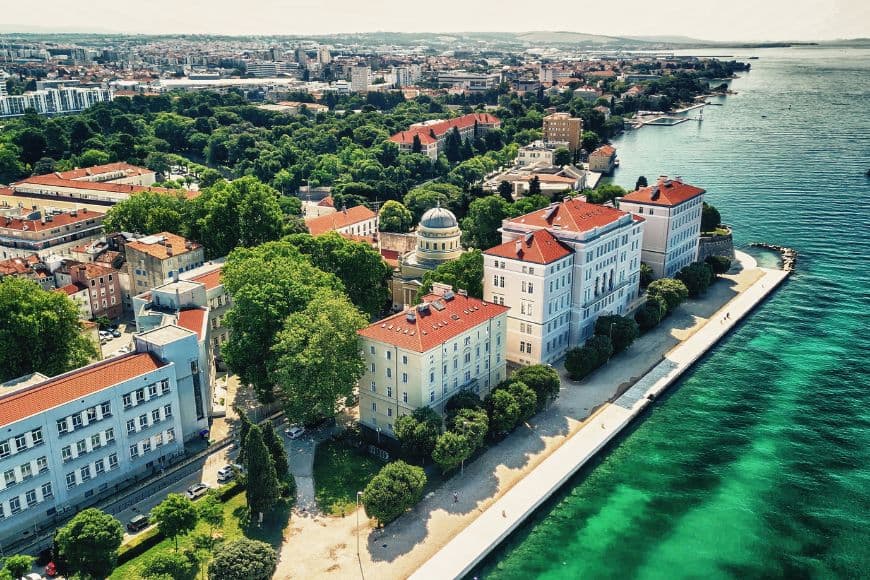
Zadar combines a historic center with a relaxed waterfront atmosphere and is one of the places I’d consider if you want a coastal city that generally feels less dominated by international tourism than Dubrovnik. The Old Town occupies a peninsula filled with Roman remains, churches, squares, cafés, and pedestrian streets. Along the waterfront, you’ll find the Sea Organ, where the movement of the waves creates sounds through pipes built into the promenade.
I’d stay for sunset if possible. The waterfront is one of those places where there’s no need to rush toward another attraction—just find somewhere to sit and enjoy the evening.
Rovinj
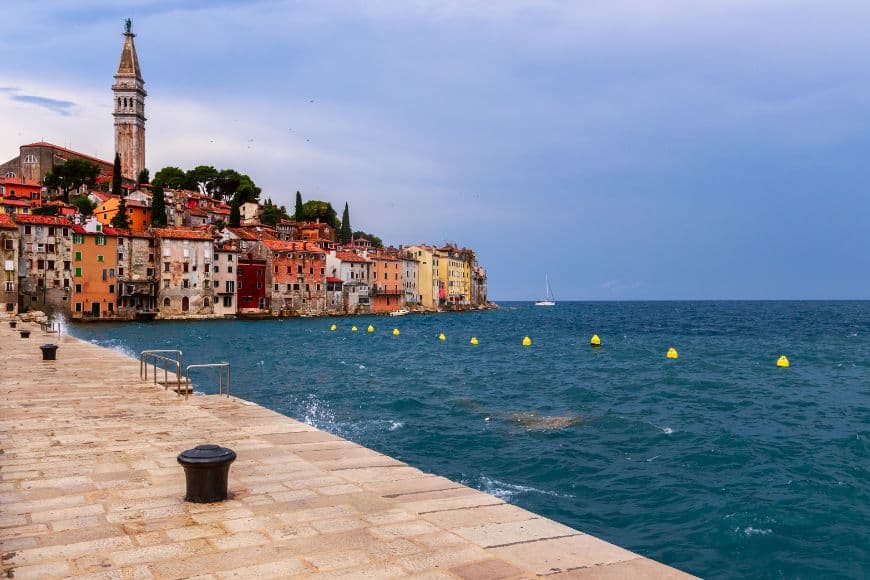
Rovinj is one of the places that gives Istria such a different personality from Dalmatia. Its old town rises from the Adriatic on a compact peninsula, with colorful buildings, narrow streets, small galleries, restaurants, and the Church of St. Euphemia overlooking everything from above.
This is somewhere I’d explore slowly. Part of Rovinj’s appeal is wandering uphill through streets where you don’t really know where you’re going and eventually finding your way back toward the waterfront.
Rovinj also makes an excellent base for discovering more of Istria. If your Croatia trip extends beyond the classic Dubrovnik–Split route, I’d strongly consider giving this part of the country a few days rather than visiting it as an afterthought.
Pula
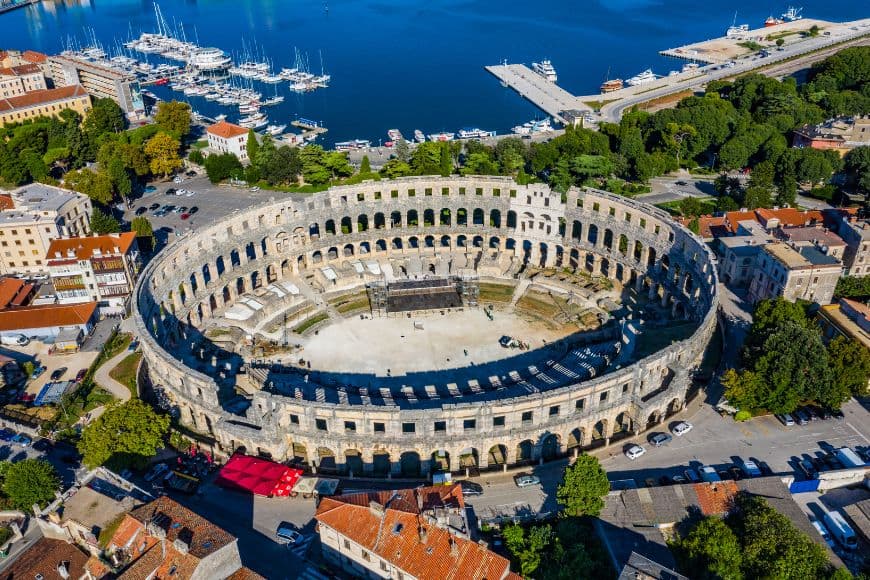
Pula is another strong reason to include Istria, particularly if you’re interested in Roman history. The city’s enormous Roman amphitheater dominates the center and is one of the most impressive ancient structures you’ll encounter in Croatia. Beyond the arena, you’ll find additional Roman remains, local markets, restaurants, and easy access to beaches and other parts of the Istrian peninsula.
I’d combine Pula with Rovinj rather than treating them as competing destinations. Together they show two different sides of Istria: Rovinj for atmosphere and waterfront charm, and Pula for history and Roman heritage.
Šibenik
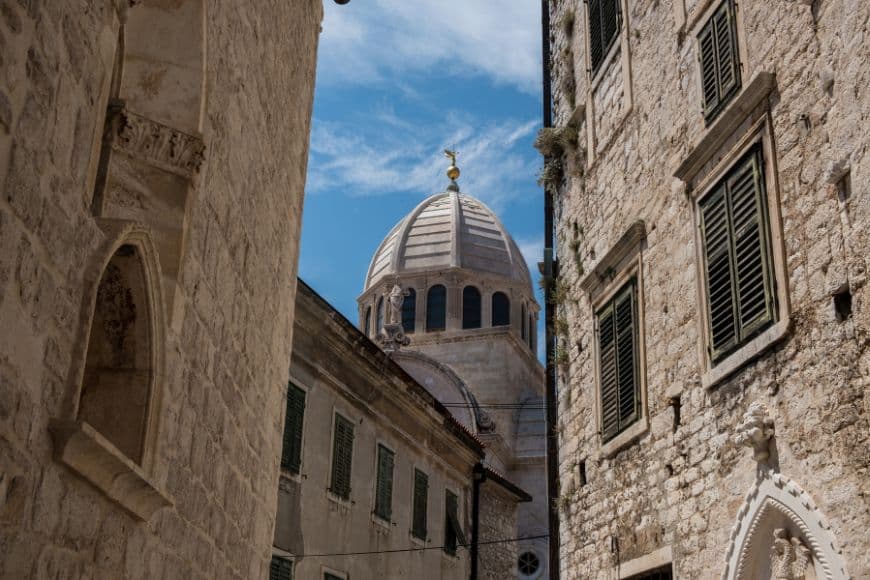
Šibenik often gets overlooked between better-known Split and Zadar, which is one reason it’s worth considering. Its historic center climbs through a maze of stone streets and stairways, with the Cathedral of St. James as its most famous landmark. The town feels compact enough to explore without a complicated plan. Wander through the old streets, climb toward the fortresses for views, and give yourself time around the waterfront.
Šibenik is also particularly useful as a base or stop if Krka National Park is on your itinerary, making it easy to combine a historic coastal city with one of Croatia’s best-known natural attractions.
Plitvice Lakes National Park
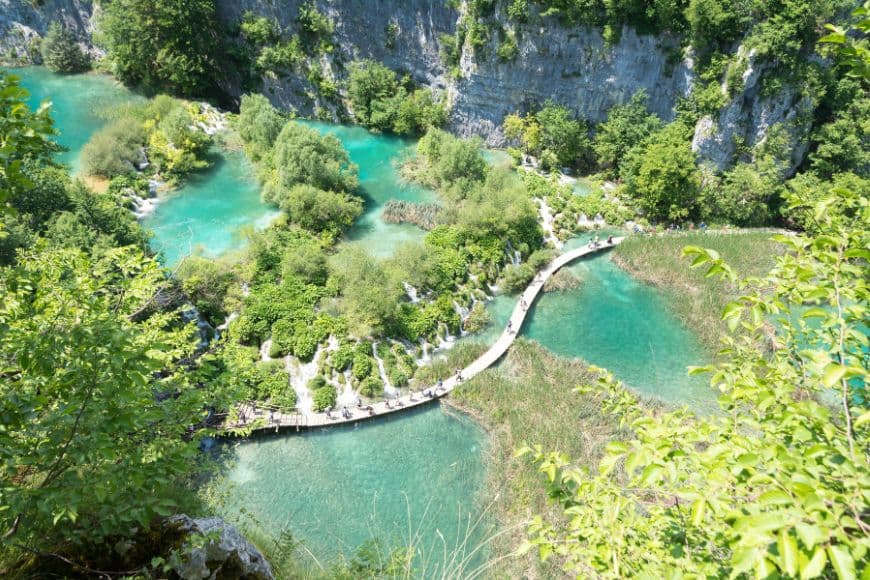
If I were choosing one inland destination to add to a first Croatia trip, Plitvice Lakes National Park would be difficult to leave out. Its interconnected lakes, waterfalls, forests, boardwalks, and remarkably clear water create a landscape completely different from the Adriatic coast.
The main thing I’d avoid is treating Plitvice as a quick photo stop. There are several walking routes through the park, and giving yourself enough time allows you to move beyond the busiest areas and actually enjoy the landscape.
Starting early is particularly worthwhile during the busier months. Apart from avoiding some of the crowds, the cooler morning temperatures make walking considerably more comfortable.
If you’re driving, our guide to visiting Plitvice Lakes by car covers routes, parking, and the practical details worth knowing before you arrive.
Krka National Park
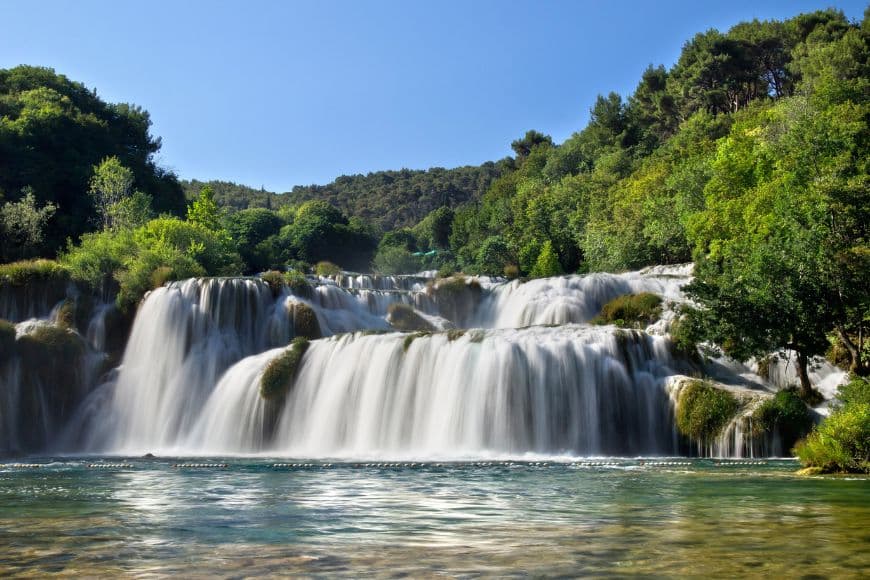
Krka National Park is another excellent way to introduce nature into a coastal itinerary, especially if you’re already traveling around Split or Šibenik. Waterfalls are the main attraction, but the wider park includes river scenery, walking areas, historic sites, and boat excursions. Its location makes Krka relatively easy to combine with other destinations without completely changing your route.
If your itinerary already includes Plitvice, you don’t necessarily need to force both parks into a short trip. With more time, however, each offers a different experience and fits naturally into different parts of Croatia.
Hvar
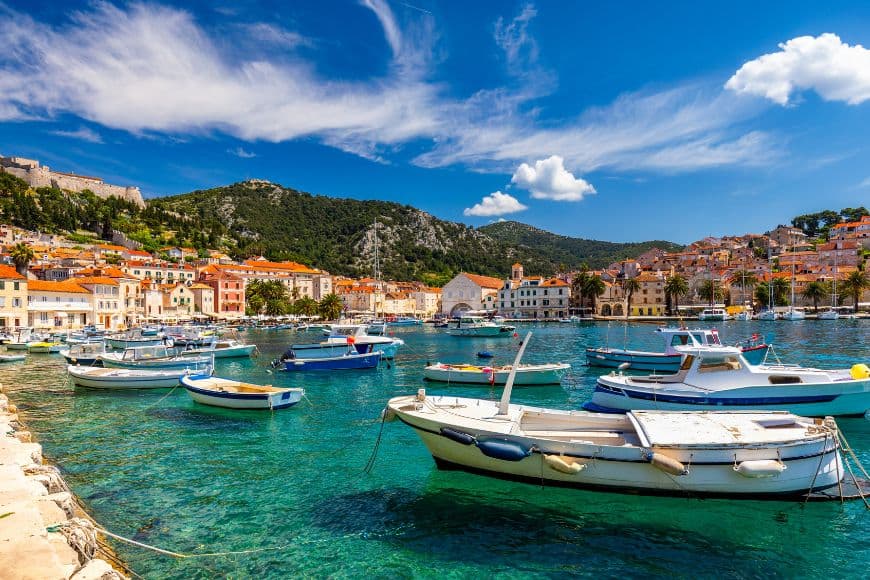
Hvar has a reputation for nightlife and glamorous summer holidays, but that’s only one side of the island. Hvar Town is beautiful, with its historic center, waterfront, fortress, and views across the nearby Pakleni Islands, while elsewhere you’ll find beaches, villages, vineyards, and quieter landscapes. If you only visit on a day trip, you’ll get a taste of the island. Staying overnight gives you more opportunity to experience it after some of the daytime visitors have left.
Hvar is particularly easy to include if you’re traveling through Split, making it a natural first island experience for many visitors. Just remember that accommodation can become expensive during the peak summer season.
Korčula
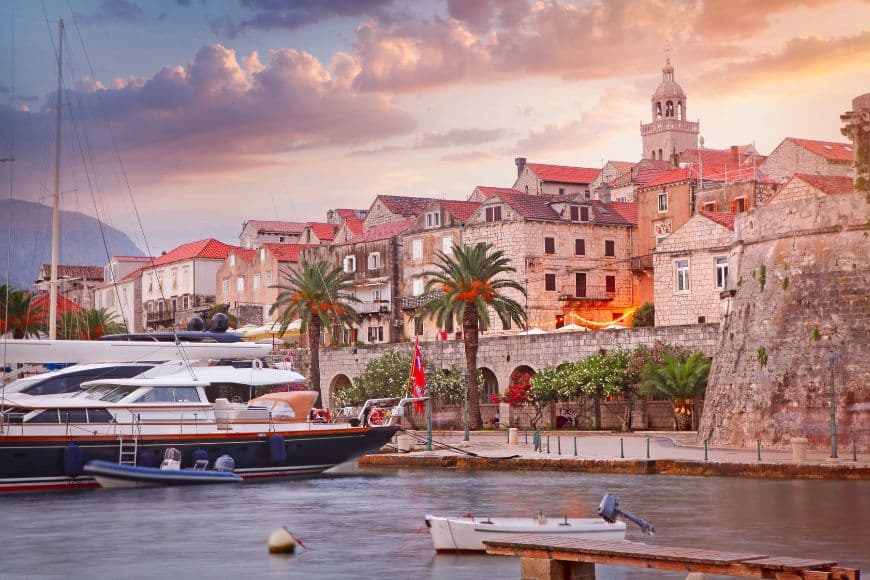
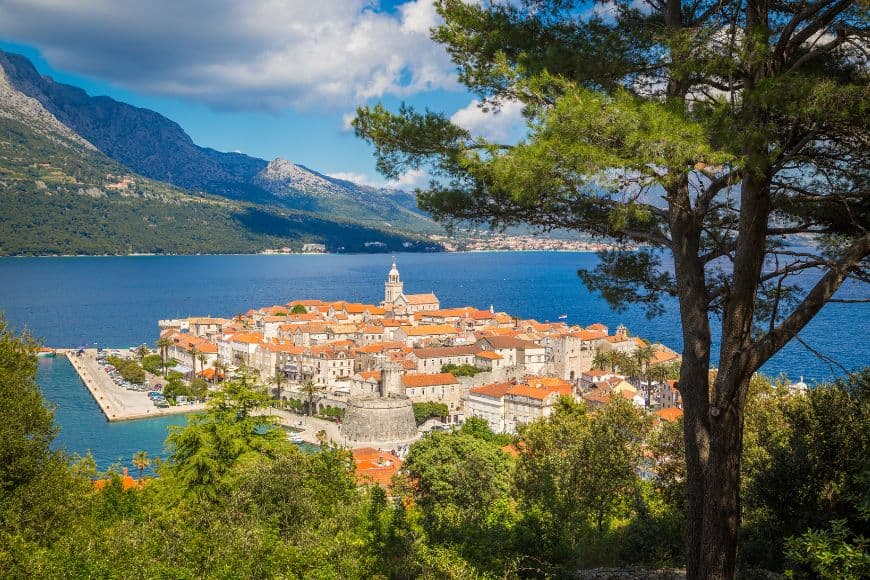
Korčula is the island I’d consider if you want something a little slower. Korčula Town has a beautiful fortified historic center surrounded by the Adriatic, while the rest of the island offers beaches, vineyards, small villages, and plenty of places where the pace drops considerably.
I wouldn’t visit Korčula with a long checklist. Rent a bike or car if you want to explore farther, spend time around the water, try some local wine, and allow the island itself to become part of the experience rather than simply another stop.
That’s also why I wouldn’t try to include every famous Croatian island on the same trip. Hvar and Korčula can both be excellent choices, but sometimes choosing one and staying longer gives you a much better island experience than constantly packing for the next ferry.
How Many Days Is Enough for Croatia?
For most first-time visitors, 7 to 10 days in Croatia is a good amount of time. A week gives you enough time to combine a few major destinations without spending every day in transit, while 10 days gives you much more freedom to add an island, a national park, or another region.
The important thing is not to underestimate Croatia’s shape. Distances can look manageable on a map, but traveling along the coast, coordinating ferries, and moving between islands can make a journey take longer than expected. I’d rather build a route around three or four places that work naturally together than try to cross half the country just because it’s technically possible.
Here’s roughly how I’d approach it:
- 3–5 days: Focus on one region. Dubrovnik and the surrounding coast, Split with a nearby island, or Zagreb and Plitvice Lakes can all work well for a shorter trip.
- 7 days: A good introduction to Croatia. You could combine Split, Dubrovnik, and an island, or explore part of the Dalmatian coast with Plitvice or Krka National Park.
- 10 days: My preferred minimum if you want more variety. Ten days gives you enough time for historic cities, the Adriatic coast, an island, and at least one national park without making the entire trip feel rushed.
- 14 days: Ideal for a broader first trip. You can explore several regions, spend more time on the islands, or include places such as Zagreb and Istria alongside the Dalmatian coast.
If you’re wondering how many days in Croatia you personally need, I’d start with what interests you most. A beach- and island-focused trip doesn’t need to cover Zagreb or Istria, while someone interested in national parks and historic cities doesn’t need to squeeze three islands into the itinerary.
For my own first trip, I’d choose 10 days in Croatia if the schedule allowed it. Seven days can make an excellent trip, but those extra three days give you room to slow down, deal with ferry schedules without stress, and occasionally stay somewhere simply because you’re enjoying it.
And if you have two full weeks, I wouldn’t use the extra time just to add destinations. Croatia is exactly the kind of place where spending an additional night beside the Adriatic can be a much better decision than adding another pin to the map.
If you have around ten days, I’ve put together a complete 10-day Croatia itinerary that takes you from Zagreb through Plitvice Lakes, Split, and Hvar before finishing in Dubrovnik. It gives you a good mix of cities, nature, and island time without trying to squeeze too much into one trip.
When Is the Best Time to Visit Croatia?
The best time to visit Croatia depends on what you want from the trip, but for most travelers I’d choose May to June or September to early October. You still get pleasant weather along the Adriatic, ferries and tourism services are running regularly, and you avoid some of the biggest crowds and highest accommodation prices of July and August. Croatia changes considerably with the seasons, and this matters even more if you’re combining cities, islands, beaches, and national parks in the same trip.
Spring: April to June
Spring is a great time for sightseeing and exploring Croatia’s historic cities. April is generally quieter, while May brings warmer temperatures and increasingly pleasant conditions along the coast.
By June, Croatia really starts to feel like a summer destination. Days are long, the Adriatic is warming up, and the islands are becoming livelier without necessarily having the intensity of peak season.
If I wanted to combine Dubrovnik, Split, national parks, and a couple of days around the islands, June would be one of my first choices. You get much of the summer experience while avoiding the absolute peak of July and August.
Summer: July and August
July and August are peak season, particularly along the Croatia coast and on popular islands such as Hvar. If your priority is swimming, beaches, boating, nightlife, and long evenings beside the Adriatic, this is when Croatia is at its liveliest. The downside is hardly a secret: crowds and prices.
Dubrovnik and Split can become extremely busy; popular islands receive large numbers of visitors, and accommodation in the most sought-after destinations can become considerably more expensive. Plitvice Lakes and Krka can also be crowded during the busiest parts of the day.
I wouldn’t avoid Croatia simply because July or August is your only opportunity to visit. I’d just plan differently—book important accommodation and ferry connections early, start sightseeing in popular places in the morning, and leave some space for smaller towns and beaches away from the busiest areas.
Autumn: September to October
September is probably my favorite all-round choice for a Croatia trip. The Adriatic is still warm after the summer, beach days remain realistic, and the busiest part of the season begins to ease. It’s an excellent time to combine cities, islands, national parks, and the coast without quite the same pressure as peak summer.
Early October can also work very well, particularly if sightseeing, food, historic towns, and national parks matter more to you than spending every day at the beach. As the month progresses, however, weather becomes less predictable, and some seasonal island services begin to reduce.
Winter: November to March
Winter is a very different Croatia. Zagreb and other cities continue with everyday life, while many coastal destinations become significantly quieter than they are during summer.
This can be appealing if you’re interested in historic cities, local atmosphere, lower accommodation prices, and traveling without summer crowds. But I wouldn’t choose winter for a classic first trip built around beaches, island hopping, and the Adriatic.
Ferry services still operate on essential routes, but some tourism businesses and seasonal connections can be reduced, so an island-heavy itinerary requires more planning.
My pick: For a first visit, I’d choose June or September. If swimming and the islands are important, September is especially attractive because you still get that Adriatic summer feeling while much of the peak-season rush is beginning to disappear.
How to Get to Croatia
Croatia is well connected with the rest of Europe, so getting there is usually straightforward. The best arrival point depends heavily on your itinerary, though. Croatia is a long country, and flying into Zagreb when your entire trip is around Dubrovnik and southern Dalmatia can add unnecessary travel time.
If you already know roughly which part of Croatia you want to explore, I’d choose your arrival airport or overland route around that rather than simply booking whichever flight appears cheapest.
Flying to Croatia
Croatia has several airports used by international travelers, with Zagreb, Split, Dubrovnik, and Zadar among the most useful for a first trip.
- Dubrovnik Airport is the obvious choice if you’re concentrating on Dubrovnik and southern Croatia or continuing toward Montenegro.
- Split Airport works particularly well for Split, central Dalmatia, and travelers planning to continue to islands such as Hvar or Korčula.
- Zadar Airport can be convenient for northern Dalmatia and destinations around Zadar, while Zagreb Airport makes more sense for the capital, inland Croatia, or a trip beginning in the north.
Depending on the season, you’ll find considerably more direct flights to coastal airports during the warmer months. I’d compare several arrival points before booking, especially if you’re planning a multi-city trip. Flying into one part of Croatia and departing from another can sometimes save you from unnecessarily retracing your route.
Arriving from Slovenia
Croatia and Slovenia are very easy to combine, particularly if you’re exploring Zagreb, Istria, or northern Croatia. Buses and trains connect the two countries on selected routes, while driving gives you considerably more flexibility if your journey includes smaller towns or the Istrian peninsula.
If Slovenia is part of the same trip, our guide to exploring Slovenia covers Ljubljana, Lake Bled, the Julian Alps, the coast, transportation, costs, and practical planning advice.
Arriving from Montenegro
Traveling between Montenegro and Croatia works particularly well if Dubrovnik is part of your route. From the Bay of Kotor and Herceg Novi, you can continue toward Dubrovnik by bus, private transfer, or car.
The distance isn’t enormous, but this is one journey where I wouldn’t trust the driving time on the map too literally. You’re crossing an international border, and queues can add considerably to the journey during the busy summer months.
If you’re coming from Montenegro, our complete guide to visiting Montenegro can help you plan the earlier part of the trip, including transportation, accommodation, costs, and the country’s main destinations.
Arriving from Bosnia and Herzegovina
Croatia shares a long border with Bosnia and Herzegovina, making it relatively easy to combine the two countries. Bus and road connections are available from cities such as Sarajevo and Mostar toward several Croatian destinations. Mostar in particular fits naturally with a journey toward Split or Dubrovnik.
Again, allow some flexibility around border-crossing days rather than scheduling an important flight or ferry immediately after an international road journey.
Arriving from Italy
Italy and Croatia sit opposite each other across the Adriatic, which creates some interesting options beyond flying. Flights connect Italian cities with Croatia, while seasonal and regular ferry routes can link parts of the Italian Adriatic coast with Croatian coastal destinations. Which routes make sense depends heavily on the season and where your Croatia trip begins.
If you’re already traveling through northern Italy, reaching Croatia overland through Slovenia can also be a practical option, particularly if your first destination is Istria or Zagreb.
The main thing I’d decide first is where you actually want your Croatia trip to start. With a country this long, choosing the right arrival point can save you far more time than finding a flight that’s slightly cheaper but lands hundreds of kilometers away from your first destination.
If you’re driving from Italy, our Italy to Croatia by car guide covers the main routes, border considerations, tolls, and practical planning for the journey.
Getting Around Croatia
Getting around Croatia is relatively easy, but there isn’t one transport option that works best everywhere. Buses are useful for traveling between cities, ferries become essential once you start exploring the islands, and a rental car gives you much more flexibility for national parks, Istria, and smaller destinations.
I wouldn’t automatically rent a car for the entire trip. If you’re spending several days in Dubrovnik or Split and then heading to an island, the car can easily spend more time parked than moving. I’d decide based on the route rather than assuming you need one simply because you’re visiting several places.
Public Transport in Croatia
Public transport in Croatia relies heavily on buses for intercity travel, particularly along the Adriatic coast where the railway network doesn’t reach many of the destinations visitors want to see.
Major cities and tourist destinations such as Zagreb, Zadar, Split, Šibenik, and Dubrovnik have bus connections, making it completely realistic to build a multi-city trip without driving.
I’d leave some flexibility between connections, especially during summer. Coastal traffic can make journey times less predictable, and I wouldn’t schedule a bus arrival immediately before an important ferry departure.
For travelers sticking mainly to cities and major coastal destinations, buses combined with ferries can cover a surprisingly large part of Croatia.
Traveling Croatia by Ferry
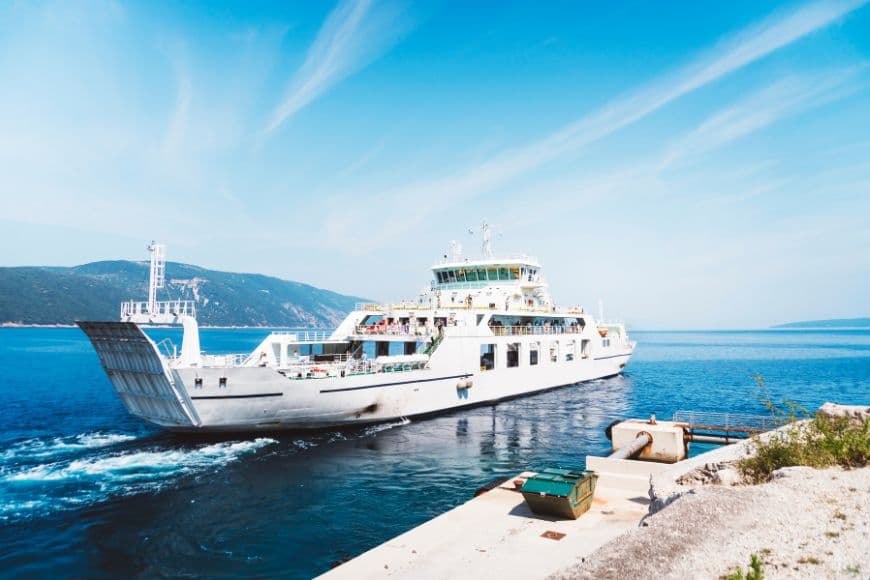
Ferries are what make traveling around Croatia different from many other European destinations. If Hvar, Korčula, Brač, or other Croatian islands are part of your plans, you’ll almost certainly use one at some point.
Passenger ferries and catamarans connect several coastal cities and islands, while car ferries are available on selected routes. Split is one of the most useful ferry hubs, although connections also operate from Dubrovnik, Zadar, Rijeka, and other coastal ports depending on your destination and season.
One thing I’d check before finalizing an island itinerary is the actual ferry schedule. Don’t assume that two nearby islands are directly connected every day simply because they look close on the map. Routes and frequencies can vary by season.
During the busiest summer months, I’d also avoid leaving an important ferry journey until the last minute, particularly if that connection affects accommodation or an onward flight.
If you’re taking a rental car onto the islands, our guide to exploring the Croatian islands by car ferry explains how vehicle ferries work and what to consider when planning your route.
Renting a Car in Croatia
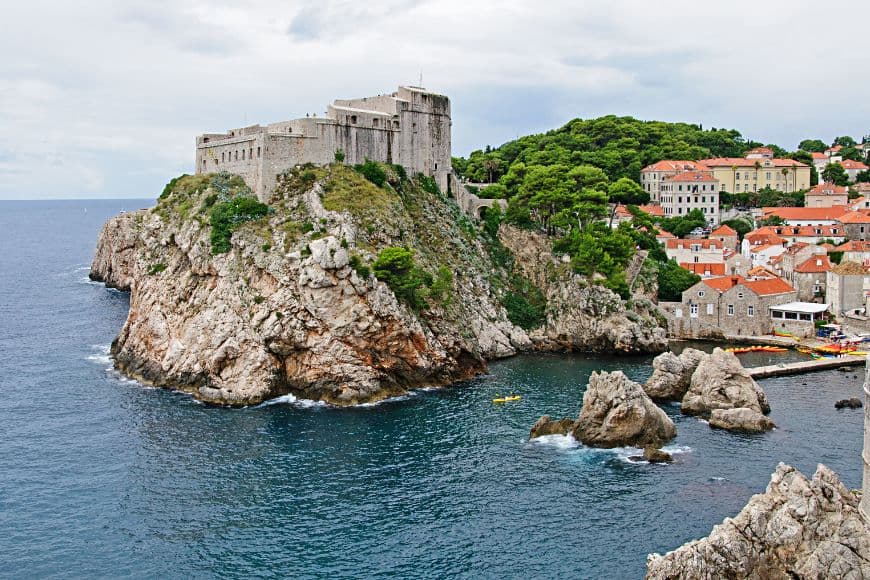
Renting a car in Croatia becomes much more useful once you want to move beyond the main city-to-city routes. Istria is a perfect example: having a car makes it much easier to combine Rovinj and Pula with smaller hill towns, villages, and countryside stops.
A car is also convenient for reaching Plitvice Lakes National Park, exploring less accessible coastal areas, and building a route where spontaneous stops are part of the experience.
On the other hand, I wouldn’t rent one just to explore Dubrovnik or central Split. Parking can be inconvenient and expensive, while both historic centers are places you’ll explore on foot anyway.
If the Adriatic coastline is the main reason you’re renting a car, our guide to driving the Dalmatian Coast covers the scenic route, practical stops, and what to expect along the way.


Traveling Croatia by Train
Croatia does have a railway network, but trains aren’t the most practical way to reach many of the country’s major coastal destinations. Rail travel is more useful around Zagreb and for certain inland and northern routes. Once your itinerary moves toward much of Dalmatia and the southern Adriatic coast, buses generally become the more practical public transport option.
I wouldn’t build a first Croatia trip around trains alone. They can form part of the journey, but buses and ferries will usually be much more important.

Tours and Private Transfers
Tours and private transfers are useful when public transport technically exists but doesn’t fit your schedule—or when you want to reach somewhere awkward without renting a car for several days.
They can work particularly well for national park excursions, day trips from Dubrovnik or Split, and travelers who want to combine several smaller stops in one day.
For a Croatia without a car trip, I’d use buses and ferries for the main journeys and add tours or transfers selectively where they genuinely make the itinerary easier.
You absolutely don’t need a car to experience Croatia. But if your plans involve national parks, rural Istria, smaller villages, or plenty of spontaneous stops, having one gives you considerably more freedom.
Where to Stay in Croatia
Deciding where to stay in Croatia depends heavily on the type of trip you’re planning. Croatia is too spread out for one base to work for the entire country, so on a longer trip I’d choose two or three strategic locations rather than constantly changing hotels.
For most first-time visitors, the biggest decision is whether to focus primarily on Dalmatia and the islands or build a broader route that also includes Zagreb, Istria, or the national parks.
Dubrovnik – Best for History and Southern Croatia
Dubrovnik is the obvious base if you want to explore southern Croatia. Staying close to the Old Town gives you easy access to the city’s main sights, restaurants, waterfront, and boat connections without needing a car.
Accommodation inside the walls puts you right in the middle of the atmosphere, but there are practical trade-offs. You’ll be dealing with stairs, luggage, and generally higher prices. Staying just outside the Old Town can give you easier access while still keeping everything within walking distance.
If I were staying several nights, I’d personally look slightly beyond the busiest streets rather than insisting on sleeping directly inside the historic center. Dubrovnik is compact enough that you don’t need to be on Stradun to enjoy it.
Split – Best All-Round Coastal Base
For a first trip, Split might be the most practical base on the Croatia coast. You have Diocletian’s Palace and the historic center within walking distance, beaches nearby, excellent bus connections, and one of the country’s most useful ferry ports. That makes Split particularly convenient if you want to combine mainland Croatia with Hvar, Brač, Korčula, or other islands.
I also like Split as a base because you don’t necessarily need to change accommodation every time you want to see somewhere new. Several destinations can be reached as day trips, allowing you to unpack for a few nights and slow the pace down.
Zagreb – Best for Culture and Inland Croatia
Zagreb is the logical base if your trip includes Croatia’s capital, northern regions, or an onward journey toward Slovenia. The city offers a completely different atmosphere from the Adriatic destinations, with museums, markets, cafés, parks, and historic neighborhoods rather than beaches and island connections.
I’d include Zagreb on a longer Croatia trip rather than squeezing it into a short coastal holiday. If you have enough time, though, spending a couple of nights here adds a side of Croatia that visitors who fly directly to the coast never really see.
Zadar – Best for Northern Dalmatia
Zadar is a good choice if you want a smaller coastal base with easy access to northern Dalmatia. Its historic center is compact and walkable, the waterfront is particularly enjoyable in the evening, and the location works well for travelers planning to explore nearby islands, national parks, or continue north toward Istria.
I’d consider Zadar especially on a road trip where you want to break the journey between central Dalmatia and northern Croatia rather than driving straight through.
Rovinj – Best for Exploring Istria
If Istria is part of your trip, Rovinj would be my first choice for a base. The old town has plenty of atmosphere in the evening, and having several nights here gives you time to enjoy Rovinj itself while exploring more of the peninsula during the day.
A rental car becomes particularly useful here. Pula, coastal villages, vineyards, and Istria’s inland hill towns are much easier to combine when you’re not dependent on individual transport connections.
Hvar – Best for an Island Stay
If you want at least one proper island experience rather than simply taking a day trip, Hvar is an easy choice. Hvar Town gives you restaurants, nightlife, historic streets, beaches, boat excursions, and excellent Adriatic scenery. Staying overnight also means you can enjoy the town before and after many day visitors arrive.
But I wouldn’t assume Hvar is the only island worth staying on. If you prefer somewhere slower, Korčula may suit you better, while other islands can work depending on your route.
For a first trip, I wouldn’t change hotels every night just to say I’d stayed in more places. Something like Split + an island + Dubrovnik works beautifully for a Dalmatian trip, while a longer journey could add Zagreb or Rovinj. Fewer bases usually means more time actually enjoying Croatia—and considerably less time dragging luggage across cobblestones.
Plan Your Trip with Our Favorite Travel Resources
Compare tours, transportation, hotels, car rentals, travel insurance, eSIMs, and practical travel resources used by travelers around the world.
Day trips, experiences & tickets
Road trips & flexible travel
Hotels, apartments & stays
Compare transport routes
Day trips, experiences & tickets
Gear, luggage & road trip tools
Plan Your Trip with Our Favorite Travel Resources
Compare tours, transportation, hotels, car rentals, travel insurance, eSIMs, and practical travel resources used by travelers around the world.
How Much Does a Trip to Croatia Cost?
Croatia isn't the bargain destination it once had a reputation for being, particularly in places such as Dubrovnik, Split, and Hvar during the summer. That said, Croatia travel costs vary considerably depending on where you go, when you visit, and how you travel.
As a rough guide, I'd budget around €60–90 per person per day for a budget trip, €120–200 for a comfortable mid-range trip, and €250 or more for a higher-end experience. These figures don't include international flights, and peak-season accommodation can easily push the total higher.
Croatia uses the euro (€), which makes budgeting straightforward if you're arriving from another eurozone country.
For most travelers, the main expenses will be:
- Accommodation: This is likely to be your biggest variable. Dubrovnik, Split, Hvar, and other popular coastal destinations become significantly more expensive during July and August. Traveling in May, June, September, or early October can make a noticeable difference.
- Food: You can keep costs reasonable with bakeries, cafés, local restaurants, and casual meals, while seafood restaurants and dining directly beside the waterfront in major tourist destinations will naturally cost more.
- Transportation: Intercity buses can be an economical way to move between destinations. Ferries add another expense if you're island hopping, while renting a car means budgeting for the rental itself, fuel, parking, tolls, and potentially ferry transport if you're taking the vehicle to an island.
- Activities: Walking historic centers and enjoying beaches can cost very little, but national park entrance fees, boat excursions, guided tours, kayaking, and other organized experiences can quickly increase your daily spending.
- Island travel: If several Croatian islands are part of your itinerary, remember to budget for ferry or catamaran tickets. Moving frequently between islands can cost more than choosing one or two and staying longer.
From my perspective, Croatia can still offer good value, but I wouldn't plan a trip assuming everything will be inexpensive simply because you're traveling in the Balkans. The difference between spending August in Dubrovnik and Hvar and traveling through inland Croatia or Istria outside peak season can be substantial.
If you're trying to control your Croatia trip cost without sacrificing the experience, I'd look first at when you're traveling rather than cutting everything once you arrive. June and September are particularly attractive because you can still enjoy the Adriatic, islands, and outdoor activities while often avoiding the highest peak-season prices.
Food and Drink in Croatia
Food is one of the areas where Croatia's regional differences become particularly obvious. What you'll find on the Adriatic coast can feel very different from what appears on the table in Zagreb or farther inland, and I wouldn't leave Croatia without trying food from more than one region.
Along the coast and across the Croatian islands, Mediterranean influences are everywhere. Fresh fish, grilled squid, octopus, shellfish, olive oil, garlic, and seasonal vegetables appear regularly on menus. If you're somewhere beside the Adriatic, this is where I'd take advantage of seafood rather than automatically ordering something familiar.
One dish worth looking for is black risotto, or crni rižot, traditionally prepared with cuttlefish or squid and given its distinctive dark color by squid ink. It's particularly associated with coastal Croatia and is much better approached without worrying about what your teeth look like afterward.
Another Croatian dish I'd try is peka. Meat, octopus, or other ingredients are slowly cooked with vegetables beneath a bell-shaped metal lid covered with hot embers. This isn't usually the kind of meal you order when you're already starving—it often needs to be arranged in advance—but it's worth planning for if you find a good traditional restaurant serving it.
Head north into Istria, and the food changes again. The region is known for truffles, olive oil, seafood, handmade pasta, and wine. If you're spending a few days around Rovinj or Pula, I'd make food part of the reason for exploring inland Istria rather than limiting yourself to the coast.
Zagreb and continental Croatia bring heartier dishes into the picture. One local specialty worth trying is štrukli, pastry filled with fresh cheese that can be baked or boiled. You'll also encounter stews, roasted and grilled meats, sausages, and dishes that show Croatia's Central European influences much more clearly than the seafood-focused cuisine of Dalmatia.
Croatian wine is also worth exploring. Istria is particularly associated with Malvazija Istarska, while Dalmatia produces several distinctive local varieties. You don't need to turn the trip into a wine tour to appreciate them; simply asking for a local wine with dinner is an easy way to try something from the region you're visiting.
And then there are the bakeries. Like elsewhere in the Balkans, they're extremely useful when you want an inexpensive breakfast or something quick between destinations. Burek and other savory pastries are easy to find and can be considerably more satisfying than paying tourist-center prices for a rushed lunch.
What I like about Croatian food is that it follows the journey. Seafood beside the Adriatic, truffles and pasta in Istria, and heavier dishes inland all reflect where you are. Rather than searching for one definitive “Croatian meal,” I'd eat regionally as you travel—that's where the food becomes part of the trip rather than simply something you stop for between attractions.
Croatia Travel Essentials
Croatia is an easy country to travel around once you know a few practical details. Most things are straightforward, but sorting out money, mobile data, documents, and a few everyday basics before arriving means you can spend considerably less time dealing with logistics once the trip begins.
Currency and Paying in Croatia
The official Croatia currency is the euro (€). Credit and debit cards are widely accepted in hotels, restaurants, supermarkets, and many tourist businesses, particularly in cities and popular coastal destinations. I still wouldn't travel completely without cash, though. Small cafés, local markets, parking machines, bakeries, and smaller businesses can occasionally make having a few euros useful.
ATMs are widely available, but I'd pay attention to the operator and any fees displayed before confirming a withdrawal. If an ATM or card terminal offers to convert the transaction into your home currency, paying in euros and allowing your own bank to handle the conversion is usually worth considering.
SIM Cards and eSIMs in Croatia
Getting connected is simple. Local mobile operators offer prepaid SIM cards, while an eSIM for Croatia can be even more convenient if your phone supports one. Personally, I prefer arranging mobile data before arriving. Having internet immediately is useful for navigation, checking ferry or bus information, contacting accommodation, and dealing with the inevitable moment when you realize the restaurant you saved is actually on the other side of town.
If you're traveling through several Balkan or European countries, compare regional eSIM packages with Croatia-only plans before buying.
Entry Requirements and Travel Documents
Croatia is part of both the European Union and the Schengen Area, so entry requirements depend on your nationality and where you're arriving from. EU and Schengen travelers generally have straightforward entry procedures, while visitors from outside the area should check the passport and visa requirements that apply to their nationality before traveling.
If you're combining Croatia with Montenegro or Bosnia and Herzegovina, remember that you'll be leaving the Schengen Area and crossing an international border. Keep your passport or other required travel documents accessible rather than buried somewhere at the bottom of your luggage.
Language in Croatia
The official language is Croatian. English is commonly spoken in major tourist destinations, hotels, restaurants, and tourism businesses, so most international visitors can travel around without significant language difficulties.
That doesn't mean I'd make zero effort, though. Learning a few Croatian words such as hvala (thank you) and molim (please/you're welcome) takes almost no effort and is always a nice touch.
Electricity and Plug Type
Croatia uses Type C and Type F plugs, the same types commonly found across much of continental Europe, with a standard supply of 230V and 50Hz. Travelers arriving from countries using different plugs will need an adapter, while some devices may also require checking voltage compatibility.
Is Croatia Safe?
Croatia is generally considered a safe destination for tourists, and normal travel precautions are usually sufficient. I'd use the same habits I would elsewhere in Europe: keep an eye on valuables in crowded tourist areas, don't leave belongings unattended on beaches, and take sensible precautions when walking around unfamiliar places late at night.
For outdoor activities, the risks are often more practical than crime-related. Summer heat can be intense, hiking terrain can be rocky, and swimming or boating conditions deserve the same respect you'd give them anywhere else.
If you're driving, also remember that a beautiful coastal road can be distracting enough without trying to check the map at the same time.
Tap Water
Tap water is generally safe to drink in Croatia, so carrying a reusable bottle can save money and reduce the number of plastic bottles you buy during the trip. I'd especially keep one with me when visiting national parks or exploring cities during summer. Croatian sunshine beside the Adriatic is wonderful until you realize you've spent three hours walking around Dubrovnik in August with half a glass of water.
Most of these practical details are simple, which is one of the reasons Croatia works so well for independent travel. Once you've sorted out your documents, money, and mobile connection, there isn't much standing between you and actually enjoying the trip.
Can You Travel Around Croatia Without a Car?
Yes, you can absolutely travel around Croatia without a car, especially if your itinerary focuses on major cities, the Adriatic coast, and the islands.
For a route connecting places such as Zagreb, Zadar, Split, Dubrovnik, Hvar, or Korčula, I wouldn't consider a rental car essential. Intercity buses cover many of the main mainland routes, while ferries and catamarans connect the coast with the Croatian islands.
In fact, traveling without a car can sometimes make an island-focused trip easier. You don't need to worry about vehicle ferry tickets or parking, and historic centers such as Dubrovnik and Split are places you'll mostly explore on foot anyway.
Where a car becomes much more useful is when you want to explore beyond the main transport network. Istria, smaller villages, remote beaches, rural areas, and more flexible visits to national parks are all easier when you have your own vehicle.
For me, the best approach is to rent a car only when the route actually benefits from one. You could comfortably travel between cities and islands using buses and ferries, then rent a car for a few days to explore Istria or other less accessible areas.
So, Croatia without a car is completely realistic. Just build your itinerary around transport connections and check ferry schedules before booking island accommodation.
If Croatia is part of a larger regional trip, our guide to traveling the Balkans without a car explains how to combine buses, trains, ferries, and transfers across several Balkan countries.
Continue Exploring Croatia and the Balkans
Croatia works beautifully as a standalone destination, but it's also one of the easiest countries to include in a longer journey through the Balkans and Central Europe. If you're continuing your trip—or simply want more detailed help planning Croatia—these guides are a good place to start:
- 10-Day Croatia Road Trip Itinerary – A detailed driving route for exploring Croatia by car, with major stops and practical road-trip planning advice.
- Montenegro Travel Guide – Continue south along the Adriatic and discover Kotor, the Bay of Kotor, Lake Skadar, Durmitor, and Montenegro's coast.
- Albania Travel Guide – Continue farther south to discover Tirana, Berat, Gjirokastër, the Albanian Riviera, mountain landscapes, and practical tips for planning your trip.
- Slovenia Itinerary – Plan a multi-stop journey through Slovenia with routes designed around different trip lengths.
- Plitvice to Split Road Trip – Continue from Croatia’s most famous national park toward the Dalmatian coast, with practical route advice and useful stops along the way.
Croatia Travel FAQs
Is Croatia worth visiting?
Yes. Croatia is particularly rewarding if you enjoy historic cities, Adriatic beaches, islands, national parks, and scenic coastal landscapes. Dubrovnik and Split may be the headline destinations, but places such as Rovinj, Zadar, Plitvice Lakes, Hvar, and Korčula give you plenty of reasons to explore beyond the obvious stops.
Is Croatia expensive for tourists?
Croatia can be moderately expensive, particularly in Dubrovnik, Split, and popular islands during July and August. Accommodation is usually the biggest variable. Traveling in May, June, September, or early October can help reduce Croatia travel costs while still giving you good conditions for sightseeing and coastal activities.
Do you need a car in Croatia?
No. You can visit many of Croatia's major destinations using buses and ferries. A rental car becomes more useful if you want to explore Istria, smaller towns, rural areas, remote beaches, or national parks with greater flexibility.
Is Croatia safe for tourists?
Croatia is generally considered a safe destination for travelers. Normal precautions around valuables and crowded tourist areas are sensible, while summer heat, swimming conditions, hiking, and driving are worth taking seriously when planning outdoor activities.
What is the best month to visit Croatia?
For me, June and September offer the best balance. You can still enjoy warm weather, the Adriatic coast, and the islands while avoiding some of the crowds and highest prices associated with July and August.
Is Split or Dubrovnik better for first-time visitors?
I'd try to visit both if your itinerary allows because they offer very different experiences. Dubrovnik is the more dramatic historic destination, while Split feels more like a living coastal city and is a particularly useful base for exploring central Dalmatia and the islands.
If you can only choose one, I'd pick Split for a longer, more varied stay and Dubrovnik for a shorter trip focused on history and one of Croatia's most distinctive cities.
Final Thoughts
Croatia is one of those destinations where trying to see everything can actually make the trip less enjoyable. There are simply too many historic cities, islands, national parks, beaches, and coastal towns to squeeze into a single visit.
For a first trip, I'd focus on the places that fit naturally together. Dubrovnik and Split make an excellent introduction to the Dalmatian coast; adding an island such as Hvar or Korčula brings a completely different pace, while Plitvice or Krka gives you a break from the Adriatic. With more time, Zagreb and Istria can show you yet another side of the country.
And don't worry if you leave somewhere out. I actually think that's a better problem to have than spending the entire trip moving from one hotel to another just to complete a checklist.
Whether you explore Croatia by car, travel between cities by bus, or build your journey around ferries and the islands, leave some room for plans to change. A beach you hadn't heard about, a town you intended to visit for two hours, or an evening beside the Adriatic can easily become one of the highlights of the trip.
Hopefully, this Croatia travel guide has given you everything you need to start building a trip that works for you—not just a list of places you're supposed to see.
Choose your route, give yourself enough time, and enjoy Croatia at a pace that actually feels like a holiday.
About Asia A.
Explore More
- 10 Day Croatia Itinerary: The Perfect Route for First-Time Visitors
- Montenegro Itinerary: Perfect 5, 7 & 10 Day Routes for First-Time Visitors
- Montenegro Travel Guide: Everything You Need to Plan an Unforgettable Trip
- Albania Travel Tips For First-Time Visitors: What to Know Before You Go
Book Your Tour
Rent Car

💬 We’d love to hear from you!
Have questions, tips, or personal travel stories to share? Drop them in the comments below — your insights help fellow travelers plan their adventures too.