10 Day Croatia Itinerary: The Perfect Route for First-Time Visitors

by Abu | Last Updated September 15, 2026
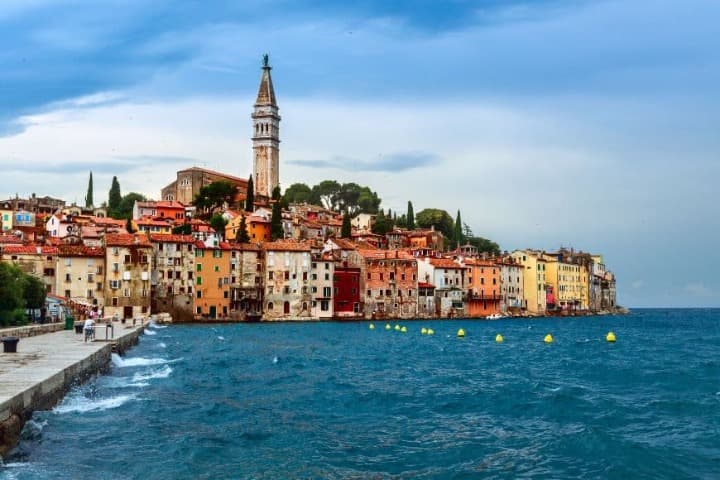
Planning a first trip to Croatia can get complicated surprisingly quickly. Dubrovnik and Split feel essential, the islands are difficult to resist, Plitvice Lakes deserves more than a rushed stop, and before long you’ve created an itinerary that involves changing hotels almost every night. That’s exactly what I wanted to avoid with this 10 day Croatia itinerary.
Instead of trying to squeeze every famous destination into one trip, this route follows a natural journey from Zagreb to Plitvice Lakes, Split, Hvar, and Dubrovnik. You’ll experience Croatia’s capital, one of its most spectacular national parks, the Dalmatian coast, a proper island stay, and its most famous historic city without spending half the holiday racing toward the next stop.
I’ve also designed the route so you don’t need to rent a car for the entire trip. You can travel between the main destinations using buses and ferries, rent a car for part of the journey if you want more flexibility, or combine different transport options depending on how you prefer to travel.
Over these ten days in Croatia, we’ll slow down where it matters. Split gets more than a quick walk through Diocletian’s Palace, Hvar becomes an overnight island experience rather than another rushed day trip, and Plitvice fits naturally into the journey south instead of requiring a long return excursion from the coast.
This 10 day Croatia itinerary includes the complete day-by-day route, where to stay each night, how to travel between destinations, ferry and bus advice, rental car options, estimated costs, and practical tips for making the trip work.
You won’t see every corner of Croatia in ten days—and I don’t think you should try. The goal is to finish the trip remembering the places you visited, not just the transportation you used to reach them.
Planning a Last-Minute Trip to Croatia?
If your trip is coming up soon, I’d book the essentials first—especially during the busy summer months.
- 🏨 Where to stay: Compare accommodation on Booking.com and Hotels.com, particularly in Hvar and Dubrovnik where good options can disappear quickly.
- 🚌 Getting around: Use Omio to compare buses and other transport options, and check ferry schedules for your Split–Hvar and Hvar–Dubrovnik connections.
- 🚗 Renting a car: Compare rental cars with DiscoverCars if you’re driving the Zagreb → Plitvice → Split section.
- 🎟️ Tours & activities: Check Viator for Dubrovnik tours, boat trips, island excursions, and other activities you’d like to reserve before arrival.
- 📱 Stay connected: Arrange an Airalo eSIM before your trip so you have mobile data as soon as you arrive in Croatia.
10-Day Croatia Itinerary at a Glance
This 10-day Croatia itinerary follows a mostly north-to-south route, starting in Zagreb and finishing beside the Adriatic in Dubrovnik. Along the way, you’ll move from Croatia’s capital to the lakes and waterfalls of Plitvice, spend time in Split, slow down for two nights on Hvar, and finish with several days in Dubrovnik.
| Day | Destination | Overnight |
|---|---|---|
| Day 1 | Arrive in Zagreb | Zagreb |
| Day 2 | Zagreb → Plitvice Lakes | Plitvice Lakes |
| Day 3 | Plitvice Lakes → Split | Split |
| Day 4 | Explore Split | Split |
| Day 5 | Split → Hvar | Hvar |
| Day 6 | Explore Hvar | Hvar |
| Day 7 | Hvar → Dubrovnik | Dubrovnik |
| Day 8 | Explore Dubrovnik | Dubrovnik |
| Day 9 | Dubrovnik or Optional Day Trip | Dubrovnik |
| Day 10 | Dubrovnik & Departure | — |
What I like about this route is that every stop adds something different. Zagreb gives you Croatia’s urban and Central European side, Plitvice Lakes National Park brings you into the country’s natural landscapes, Split introduces Dalmatia, Hvar gives you time on one of the Croatian islands, and Dubrovnik provides a memorable finish on the southern Adriatic.
More importantly, the route avoids unnecessary backtracking. Instead of staying in Split and spending hours traveling to Plitvice and back on the same day, we use the national park as part of the journey south.
You also don’t have to choose between a road trip and public transport before following this itinerary. Renting a car in Croatia makes certain parts of the route more flexible, particularly around Plitvice, but buses and ferries can connect the main stops perfectly well. We’ll look at both options later so you can choose what works best for your trip.
If you’re flying into Croatia, check open-jaw flights into Zagreb and out of Dubrovnik before booking a return ticket from the same airport. Avoiding the journey back north can save a substantial amount of travel time on a 10-day trip.
Is 10 Days in Croatia Enough?
Yes, 10 days in Croatia is enough for an excellent first trip, provided you resist the temptation to turn the country into a checklist. Ten days gives you enough time to combine several very different sides of Croatia: Zagreb’s historic neighborhoods and café culture, the lakes and waterfalls of Plitvice, the ancient streets of Split, a proper stay on a Croatian island, and Dubrovnik’s famous walled Old Town. What it doesn’t give you is enough time to see everything.
Trying to add Istria, Zadar, several islands, Krka National Park, and every interesting coastal town would quickly turn a comfortable trip into a series of transfers. I’d rather spend two nights on Hvar than arrive in the morning, take a few photographs, and immediately start checking the ferry schedule for the next island.
That’s also why this route uses only five main stops:
Zagreb → Plitvice Lakes → Split → Hvar → Dubrovnik
For a first trip to Croatia, I think that’s a good balance. You get cities, nature, the Adriatic coast, and island time while still having several days where you don’t need to pack your bags in the morning.
If beaches and islands are your main priority, you could skip Zagreb and spend those extra days along the coast or add Korčula. If history and nature interest you more, keep Zagreb and Plitvice exactly where they are. We’ll look at those alternatives later when we customize the itinerary.
And if you’re fortunate enough to have two weeks, that’s when I’d start thinking seriously about adding Istria, Zadar, another island, or simply staying longer in the places already on the route. For most first-time visitors, though, 10 days is a very good amount of time for Croatia. The trick isn’t finding more places to add—it’s knowing when to stop adding them.
The Perfect 10-Day Croatia Itinerary
Now that we’ve covered the route, let’s get into the actual journey. I’ve kept the first day intentionally light. Arrival days rarely go exactly to plan, and Zagreb is a much better introduction when you’re not trying to squeeze half the city between collecting your luggage and dinner.
Day 1: Arrive in Zagreb
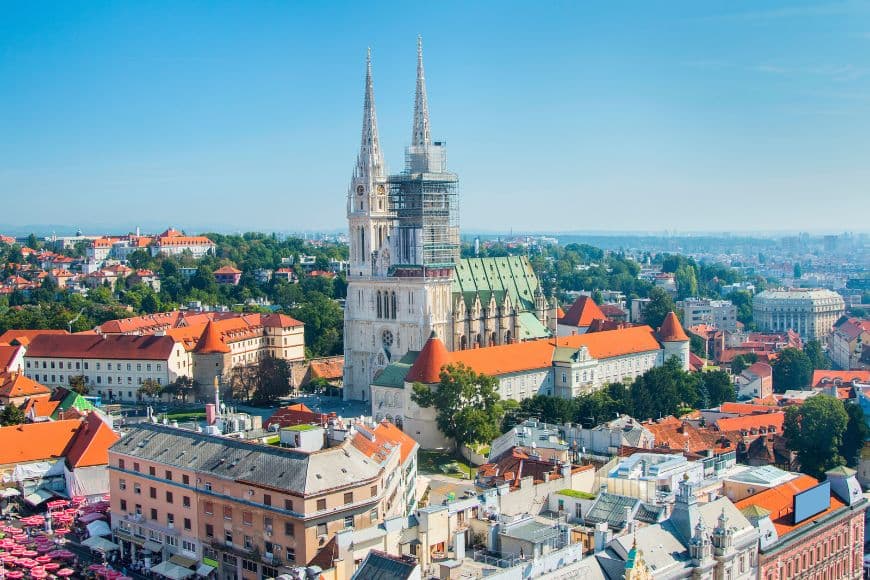
Your 10-day Croatia itinerary begins in Zagreb, Croatia’s capital and a very different introduction to the country from the Adriatic cities you’ll visit later. After checking into your accommodation, I’d spend the first afternoon simply getting to know the center rather than arriving with a long list of attractions to complete.
Start around Ban Jelačić Square, the natural meeting point between Zagreb’s Lower and Upper Towns. From here, wander toward the historic Upper Town, where cobbled streets, colorful buildings, small squares, and some of the city’s best-known landmarks are concentrated within a relatively compact area.
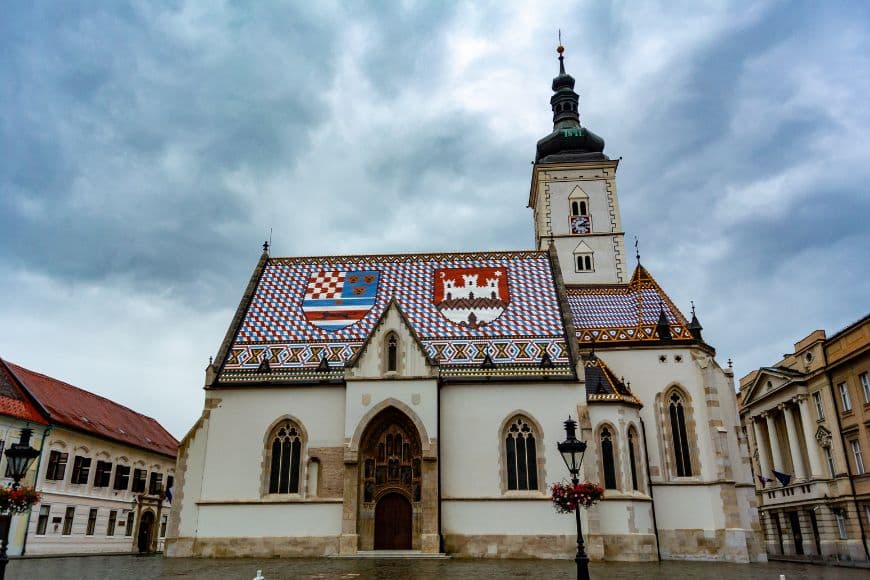
One place worth including is St. Mark’s Church, instantly recognizable by the colorful tiled roof displaying the coats of arms of Croatia, Dalmatia, Slavonia, and Zagreb. Nearby streets are perfect for the kind of unstructured wandering I prefer on a first afternoon in a new city.
From there, make your way toward Stone Gate and gradually back into the Lower Town. If you still have energy, explore some of the streets around the center or find a café and let the sightseeing end there.
Zagreb has a strong café culture, and your first evening doesn’t need to be complicated. Have dinner somewhere around the center, take a walk after dark, and save the serious exploring for another trip—or the following morning if your schedule allows.
Where to stay: I’d stay in or close to central Zagreb, ideally somewhere that allows you to explore the main historic areas on foot and gives you convenient access to transportation for the journey toward Plitvice the following day.
Getting around: You won’t need a rental car for Zagreb itself. The center is highly walkable, while trams are useful if your accommodation or arrival point is farther away.
Don’t choose your Zagreb hotel purely because it offers parking if you’re not collecting a rental car until Day 2. A central location is considerably more useful for your first evening, and you can avoid paying for a car that spends its first day sitting still.
Day 2: Zagreb to Plitvice Lakes
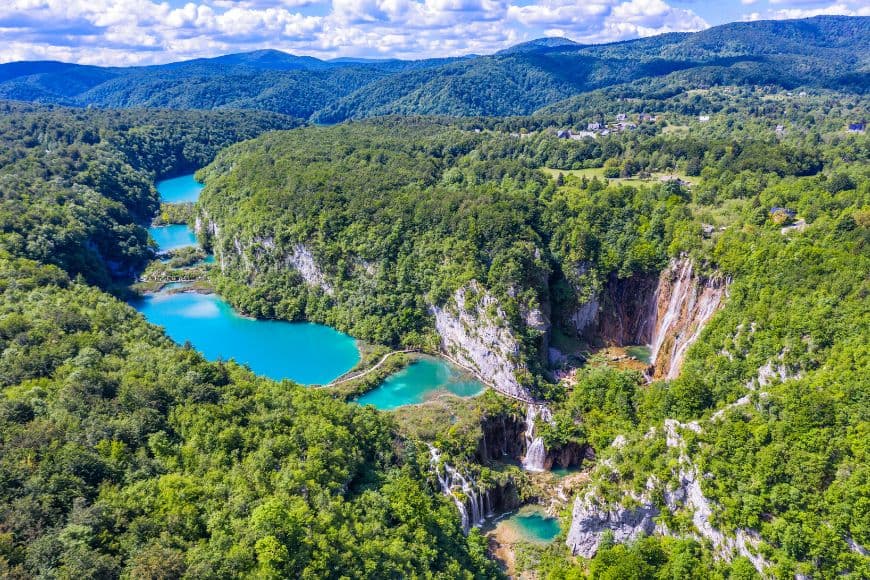
Today, you’ll leave Zagreb behind and head toward one of Croatia’s most spectacular natural attractions, Plitvice Lakes National Park. I like placing Plitvice here because it becomes part of the journey south rather than a long day trip from Split. You’re moving in the direction you already need to travel, and staying near the park gives you much more flexibility than trying to squeeze several hours of sightseeing between two long transfers.
If you have a little time in Zagreb before leaving, use the morning for anything you missed on Day 1. Grab breakfast around the center, visit Dolac Market, or simply enjoy one last coffee before continuing toward Plitvice.
The journey from Zagreb to Plitvice Lakes takes roughly two to three hours depending on your transport and traffic. Buses are available for travelers using public transport, while renting a car gives you more control over your departure time and makes this particular part of the itinerary especially easy. Once you arrive, you have two good options.
If you reach Plitvice early enough, spend the afternoon exploring part of the park. This can make the following morning more relaxed and give you time to experience the lakes without trying to cover everything in one continuous visit.
Alternatively, check into your accommodation, have a slower afternoon, and save the park for first thing tomorrow morning. That’s the option I’d favor if you’ve arrived later in the day. There’s little benefit in rushing into Plitvice simply to say you’ve visited it.
The park is made up of a series of interconnected lakes, waterfalls, forest trails, and wooden boardwalks, so comfortable walking shoes are much more useful here than anything particularly stylish. You’ll get plenty of opportunities for photographs without needing to hunt for them.
Where to stay: Stay near one of the entrances to Plitvice Lakes National Park. Being close to the park makes an early start on Day 3 considerably easier.
Getting there without a car: Buses connect Zagreb with the Plitvice area, making this stop possible even if you’re completing the entire itinerary using public transport. Check your stop carefully when booking because accommodation around Plitvice can be spread across several nearby villages.
Getting there by car: Driving gives you more freedom over when you leave Zagreb and where you stay around the park. If you’re driving this part of the route, our guide to visiting Plitvice Lakes by car covers the routes, parking, and practical details worth knowing before you arrive.
Don’t book accommodation simply because its address contains “Plitvice.” Check its actual distance from the park entrance you intend to use. A property that looks nearby on a booking page can be much less convenient once you factor in how you’ll reach the entrance without a car.
Day 3: Plitvice Lakes to Split
Day 3 of our 10-day Croatia itinerary starts with one of the trip’s natural highlights before making the transition from Croatia’s green interior to the Adriatic coast. If you didn’t explore the park yesterday afternoon, I’d get an early start at Plitvice Lakes National Park. Staying nearby the night before pays off here—you can enter the park in the morning without first spending several hours traveling from Zagreb or Split.
Plitvice is divided between the Upper and Lower Lakes, connected by forest trails, wooden boardwalks, electric boats, and waterfalls. You don’t necessarily need to walk every available trail to appreciate the park. Choose a route that fits your available time and energy, particularly because you still have the journey to Split ahead of you.
Allow several hours for your Plitvice Lakes itinerary, but avoid turning the morning into a race. The scenery is the reason we’re here, and stopping occasionally rather than constantly checking how many kilometers remain makes a big difference. After exploring the park, it’s time to travel from Plitvice Lakes to Split.
If you’re driving in Croatia, this is one of the sections where having a car is particularly convenient. You can leave when you’re ready, make stops along the way, and continue directly to your accommodation in Split. We have a separate Plitvice to Split road trip guide if you’re driving and want a more detailed look at the route.
Travelers following this Croatia itinerary without a car can also make the journey by bus. Services connect the Plitvice area with Split, although departure times can vary by season. I would check the current schedule before your trip rather than building the day around an assumed departure time. By the time you reach Split, the character of the trip changes completely.
After checking in, don’t worry about serious sightseeing tonight. Head toward the Split waterfront, walk along the Riva, and enter the narrow streets surrounding Diocletian’s Palace. You’ll have tomorrow to properly explore the historic center.
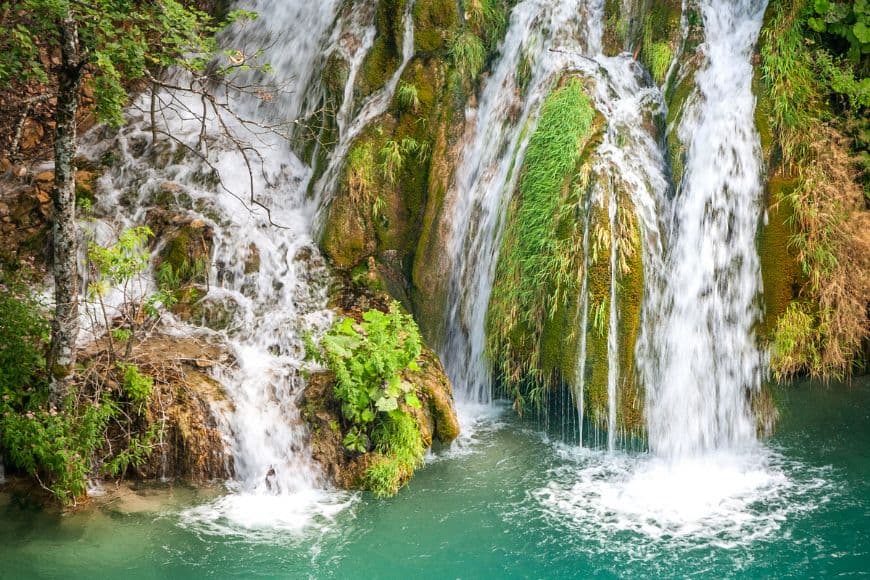
For me, this is one of the most satisfying transitions during ten days in Croatia: waterfalls and forest in the morning, then stone streets, palm trees, and the Adriatic by evening.
Where to stay: Stay around Split Old Town or within comfortable walking distance of it. Being reasonably close to both the historic center and ferry port will also make Day 5 considerably easier when you travel to Hvar.
Traveling by bus: If you’re using public transport in Croatia, check the Plitvice-to-Split connection in advance, particularly outside the main summer season. Leave yourself enough time between finishing your park visit and the scheduled departure.
Traveling by car: You don’t need a car to explore central Split. If you’re renting one specifically for Zagreb, Plitvice, and the journey south, Split can therefore be a sensible place to return it before the island portion of the trip.
Don’t plan a long list of Split attractions for tonight. Day 3 already combines several hours at Plitvice with a significant transfer. A relaxed evening on the Riva is enough—you have a full day in Split tomorrow.
Day 4: Explore Split
After yesterday’s journey from Plitvice, Day 4 of your 10-day Croatia itinerary is deliberately simple: no buses, no ferries, no hotel changes. Today is about enjoying Split properly. And Split is one of those cities where I think having time to wander matters more than having a huge sightseeing list.
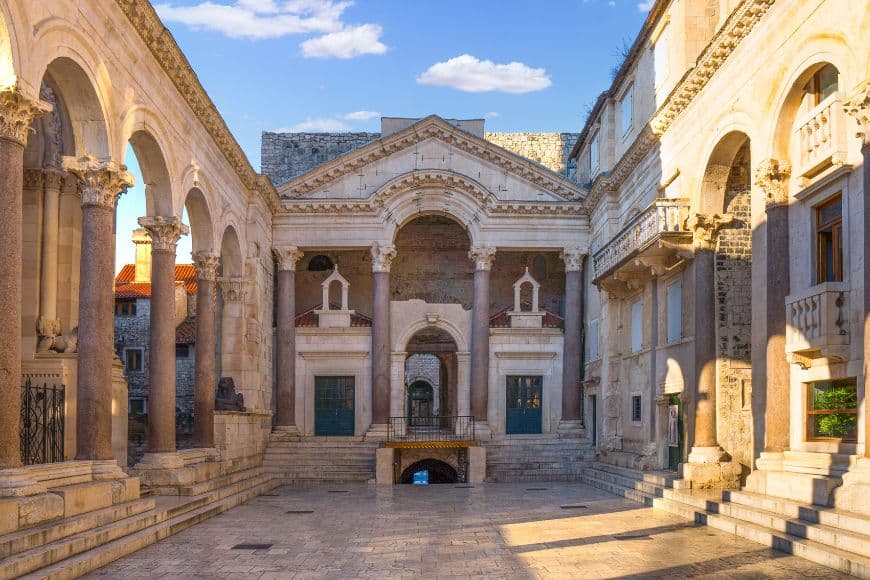
Start with Diocletian’s Palace, but don’t expect a traditional palace surrounded by gates and ticket booths. The first time you walk through this part of Split, it’s easy to forget that you’re inside what began as a Roman imperial complex. Today, its ancient walls contain homes, cafés, restaurants, shops, narrow passages, and little squares where everyday life continues around the ruins.
That’s what I personally enjoy most about Split. It doesn’t feel like you’re walking around an archaeological site that has been separated from the modern city. You can turn down an ordinary-looking passage and suddenly find yourself surrounded by Roman columns or standing beneath an ancient arch.
Spend some time around the Peristyle, then explore the surrounding lanes of Split Old Town without worrying too much about following a fixed route. Some of my favorite moments in places like Split come when I stop navigating and simply see where the next narrow street leads.
Eventually, you’ll probably find yourself back on the Riva, Split’s palm-lined waterfront. I wouldn’t treat it as another attraction to tick off. Grab a coffee, sit for a while, and watch the ferries and boats coming and going. Tomorrow, one of those ferries will be taking you to Hvar.
If you want a change of scenery later in the afternoon, walk toward Marjan Hill. The paths and viewpoints around Marjan provide a completely different side of the city, with pine trees, coastline, and views back toward Split. Alternatively, make this your slower afternoon. Find a beach, have a long lunch, or return to the Old Town once the temperature begins to drop.
This is also why I gave Split two nights in this Croatia itinerary for first-time visitors. You could technically see the major sights in a few hours, but you’d miss much of what makes the city enjoyable. Split works better when you have enough time to stop exploring and simply be there.
Where to stay: You’ll spend a second night in Split. Staying within walking distance of both the Old Town and ferry port is particularly useful tonight because tomorrow’s journey continues by sea.
Getting around: Central Split is compact enough to explore mostly on foot. You won’t need a rental car today, which is another reason returning one after the Plitvice Lakes to Split journey can make sense.
Visit the busiest parts of Diocletian’s Palace earlier in the morning, then come back in the evening. Split’s historic center feels very different once the day-trippers begin disappearing and the streets become part of the city’s evening life again.
Day 5: Split to Hvar
Day 5 of your ten day Croatia itinerary is when we leave the mainland behind and get our first proper taste of the Croatian islands. And this is exactly why I prefer staying on Hvar rather than treating it as a rushed day trip from Split.
Start the morning by heading to Split’s ferry port for the journey from Split to Hvar. Passenger catamarans connect Split with Hvar, although operators and schedules vary depending on the season. In summer especially, I’d book the Split to Hvar ferry in advance rather than arriving at the port and hoping your preferred departure still has space.
The crossing itself is part of the experience. After several days traveling overland, watching Split disappear behind you while the Dalmatian islands begin appearing across the Adriatic feels like the trip has entered a completely different phase.
Once you arrive on Hvar Island, check into your accommodation and resist the temptation to immediately start chasing beaches and boat trips. We have tomorrow for that. I’d use this afternoon to explore Hvar Town itself.
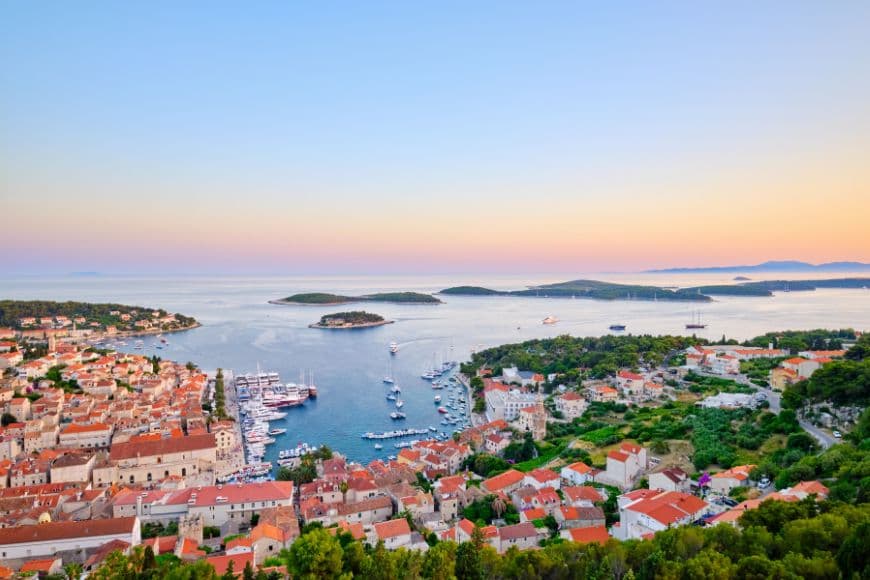
Begin around the waterfront and St. Stephen’s Square, then wander through the old stone streets climbing away from the harbor. Hvar Town is compact, so there’s really no need for an aggressive sightseeing plan. Later in the afternoon, walk up to the Spanish Fortress (Fortica) overlooking the town. For me, this is the moment Hvar really makes sense.
Down at harbor level, Hvar can feel busy—boats arriving, restaurants filling up, people moving through the waterfront. From the fortress, you suddenly see the whole setting: the terracotta roofs below you, the harbor, and the Pakleni Islands scattered across the blue Adriatic beyond.
I’d time the walk for later in the day if possible. Apart from avoiding some of the heat, the views become even better as the light softens toward evening. Then come back down for dinner around Hvar Town and enjoy the fact that you don’t have to catch a ferry back to Split. That last part matters.
Day-tripping to Hvar is certainly possible, but staying overnight changes the experience. Once some of the daytime visitors leave, you can slow down, have dinner without watching the clock, walk along the harbor afterward, and wake up already on the island tomorrow morning. That’s why I’ve included two nights here in this Croatia travel itinerary rather than squeezing several islands into the same amount of time.
Where to stay: For a first visit, I’d stay in or within walking distance of Hvar Town. It keeps restaurants, the waterfront, ferry connections, and boat excursions easily accessible without needing your own vehicle.
Getting from Split to Hvar: Passenger ferries and catamarans are the easiest option for this itinerary. If you’re traveling with a rental car, remember that passenger services and car ferries are different. Taking a vehicle onto the islands requires more planning, which we cover in our guide to Croatian islands by car ferry.
When booking your ferry, check the exact Hvar arrival port rather than looking only at the island name. Hvar is an island, not a single ferry terminal, and arriving somewhere other than Hvar Town can add an unexpected transfer to your day.
Day 6: Explore Hvar
After several days of moving between destinations, today is where I’d deliberately slow things down. You have a full day on Hvar Island, no hotel change to worry about, and plenty of ways to spend it depending on the weather and how energetic you’re feeling. After yesterday’s introduction to Hvar Town, I’d use today to discover the quieter side of the island—or simply enjoy being beside the Adriatic.
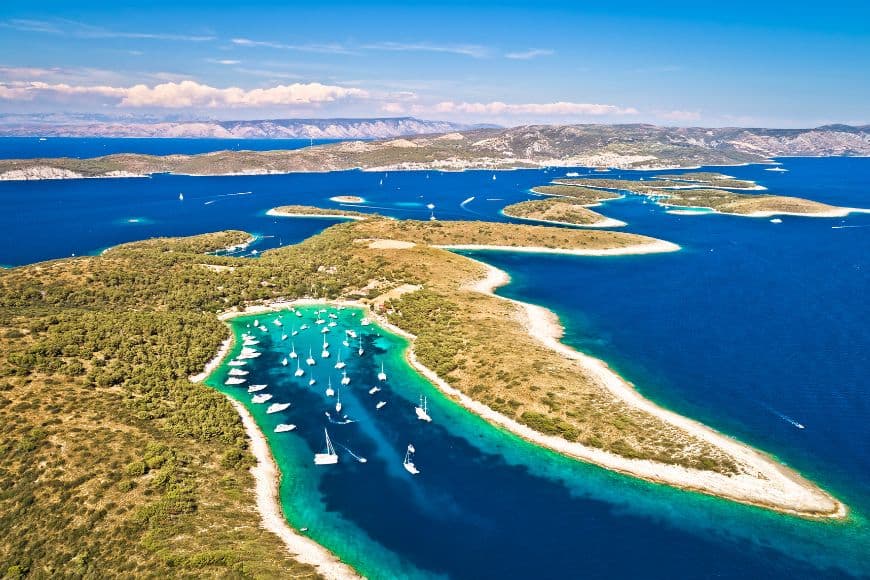
One of the easiest options is a boat trip around the Pakleni Islands, the small archipelago just offshore from Hvar Town. You can spend several hours moving between coves, swimming spots, and beaches before returning to Hvar later in the afternoon.
If you’d rather stay on Hvar itself, choose one or two of the island’s beaches and give yourself time to actually enjoy them. With only 10 days in Croatia, I think this is much better than trying to turn every free hour into another excursion.
Personally, this is where I’d slow the trip right down. After Zagreb, Plitvice, Split, and several travel days, I wouldn’t feel any pressure to fill the day with attractions. Some of my favorite days on the Croatian coast have been the simple ones: a swim, a long lunch, another coffee that lasts much longer than intended, and absolutely no urgency to move anywhere.
If you prefer exploring, head to Stari Grad, one of the oldest settlements on Hvar. Its stone lanes, waterfront, and more relaxed atmosphere provide a nice contrast to the livelier Hvar Town.
You could also explore some of Hvar’s inland villages, vineyards, and landscapes. A scooter or rental car can give you more freedom here, but you certainly don’t need one to have a great day on the island. For travelers interested in Croatian island hopping, it can be tempting to squeeze another island into today. I wouldn’t.
Korčula and the other Croatian islands deserve more than a hurried visit between ferry connections. Two nights on Hvar give you something much more valuable: enough time to experience island life without constantly thinking about where you need to go next.
Return to Hvar Town for your second evening. Have dinner around the harbor or wander into the smaller streets behind the waterfront, then enjoy one last evening on the island before continuing south tomorrow.
Where to stay: Spend your second night in Hvar Town. Keeping the same accommodation for two nights is an important part of making this route feel like a holiday rather than a sequence of transfers.
Getting around Hvar: Hvar Town is easy to explore on foot. Boats are convenient for the Pakleni Islands, while buses, taxis, scooters, or rental cars are useful if you want to explore farther across Hvar Island.
Keep today’s plans flexible until you’re actually on Hvar. Check the weather and sea conditions before committing to a boat trip. If the Adriatic isn’t cooperating, Stari Grad, the island’s villages, beaches, and a long lunch make a very good Plan B.
Day 7: Hvar to Dubrovnik
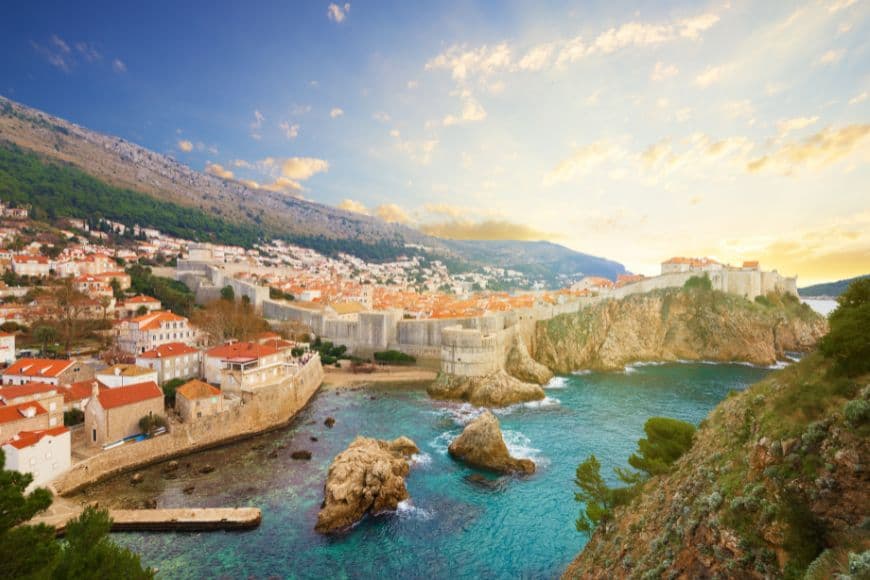
After two nights on Hvar, it’s time to leave the islands behind and continue south toward Dubrovnik, the final base of the trip. When direct passenger ferries are operating, traveling from Hvar to Dubrovnik is the most appealing option. Instead of retracing your route to Split, you continue south along the Adriatic and arrive directly in Dubrovnik.
The important word here is when. The Hvar to Dubrovnik ferry is seasonal, and schedules and operators can change from year to year. I wouldn’t build the trip around a particular sailing until you’ve checked the timetable for your actual travel dates.
If a direct ferry doesn’t work for your dates, don’t panic—the itinerary doesn’t fall apart. You can return to the mainland and continue toward Dubrovnik using a combination of ferry and bus or arrange a private transfer. We’ll cover the transport options in more detail later. Whichever route you take, I’d keep the rest of today relatively light. After checking into your accommodation, head toward Dubrovnik Old Town for your first look at the city.
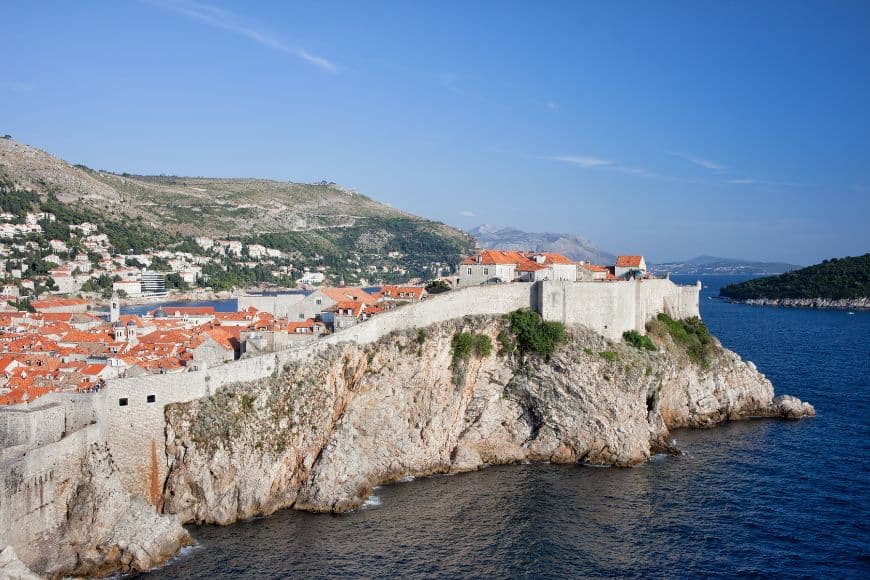
Walking through one of the gates and onto the polished stone streets is one of those Croatia moments that photographs don’t quite prepare you for. The walls feel larger, the streets narrower, and the whole Old Town more compact than it appears when you’re looking at it from above.
Personally, I wouldn’t walk the Dubrovnik city walls this afternoon. That’s one of the highlights of the trip, and I’d save it for tomorrow when you’re rested and can choose a better time of day.
Instead, wander along Stradun, explore some of the smaller lanes branching away from the main street, and get a feel for the Old Town without following a strict sightseeing route.
One thing I particularly enjoy about Dubrovnik is walking away from Stradun and climbing into the quieter side streets. Within a few minutes, the crowds can thin considerably, and you’ll start seeing stairways, tiny passages, residential buildings, and little corners that feel completely different from the main thoroughfare. Find somewhere for dinner, enjoy the Old Town in the evening, and leave the serious sightseeing for tomorrow.
By this point in our 10-day Croatia itinerary, you’ve traveled from Zagreb through the country’s interior, reached the Dalmatian coast, and spent two nights on Hvar. Dubrovnik feels like a natural finale rather than another destination squeezed onto the end.
Where to stay: For a first visit, staying inside or within walking distance of Dubrovnik Old Town is extremely convenient. Accommodation immediately outside the walls can also give you easier access without sacrificing the ability to explore the center on foot.
Getting from Hvar to Dubrovnik: A direct passenger ferry is the simplest option when seasonal services match your dates. Otherwise, combine ferry and mainland transport. Always check the current Croatia ferry routes before booking accommodation and onward connections.
Dubrovnik involves far more stairs than the map suggests. Before booking accommodation, check not only its distance from the Old Town but also the elevation and access route—especially if you’re traveling with heavy luggage.
Day 8: Explore Dubrovnik
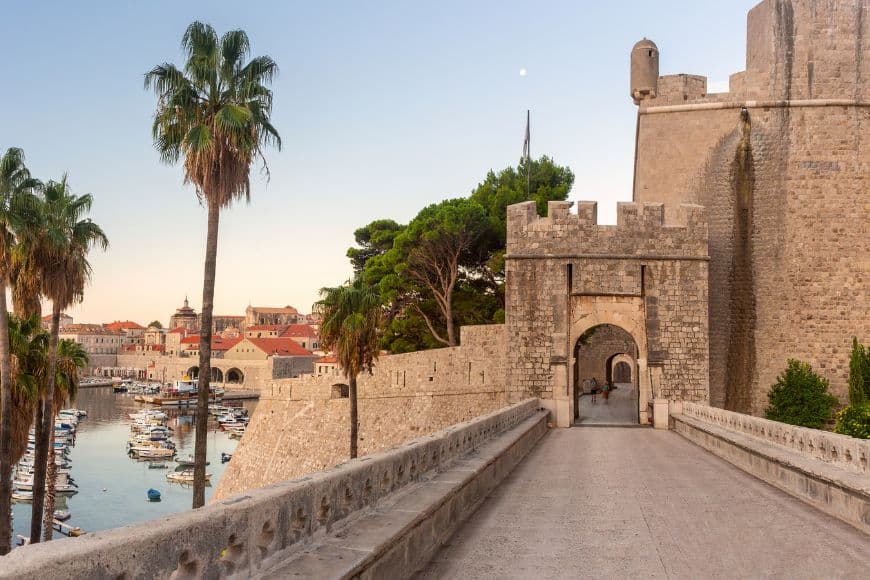
Today deserves an early start. Dubrovnik is one of Croatia’s most visited destinations, and I’ve found that the Old Town is at its best before the streets become busy and the midday heat settles between the stone buildings. I’d make the Dubrovnik city walls your first major stop.
The complete circuit gives you constantly changing views: terracotta rooftops on one side, the Adriatic on the other, and glimpses into courtyards and narrow streets below. It also gives you a much better understanding of how compact Dubrovnik Old Town really is. Don’t rush the walk. There are plenty of places where you’ll want to stop, particularly around the sections overlooking the sea and Lovrijenac Fortress.
Once you’re back at street level, explore the Old Town more closely. Walk along Stradun, but spend just as much time disappearing into the smaller lanes leading away from it. Dubrovnik becomes much more interesting when you stop treating its main street as the entire city.
You’ll come across small squares, churches, stone staircases, hidden passages, and residential corners that are easy to miss if you’re moving from one famous landmark to another. By lunch time, I’d slow things down.
One thing I’ve learned while traveling around Mediterranean cities is that trying to sightsee continuously through the hottest part of the day rarely makes the experience better. Dubrovnik’s stone streets and walls can become particularly hot in summer, so this is a good time for a long lunch or a break back at your accommodation.
Later in the afternoon, visit Lovrijenac Fortress if you haven’t already, or simply continue wandering through the Old Town at a more relaxed pace. For the evening, you have another option: head up Mount Srđ for one of the classic views over Dubrovnik.
The Dubrovnik cable car is the easiest way up when operating, although you can also reach the viewpoint by road or hike. From the top, you can see the entire walled city, Lokrum Island, the coastline, and the Adriatic stretching into the distance. If the weather cooperates, I’d aim to be there toward sunset.
Seeing Dubrovnik from above after spending the day walking through its streets gives you a completely different perspective—and it’s one of those occasions when the famous view really does live up to the photographs.
Where to stay: Remain in Dubrovnik for another night. Not changing hotels today gives you the freedom to start early, take a midday break, and return to the Old Town later when it’s cooler.
Getting around: You won’t need a car for today’s Dubrovnik itinerary. The Old Town is pedestrianized, and most of the major sights are reached on foot. Local buses are useful if you’re staying farther from the historic center.
Don’t automatically walk the city walls at midday just because that’s when you happen to arrive. In summer, an early-morning or later-afternoon visit is usually much more comfortable—and the softer light is far better for those rooftop and Adriatic views.
Day 9: Dubrovnik or an Optional Day Trip
After yesterday’s full sightseeing day, I deliberately leave Day 9 open. You can use it to see another side of Dubrovnik, spend some time by the water, or turn it into a day trip beyond the city.
Personally, unless this is likely to be your only visit to the region, I wouldn’t automatically choose the option that involves the most driving. Having a flexible day near the end of a trip is surprisingly valuable.
Option 1: Slow Down in Dubrovnik
If you want an easier day, take the short boat ride to Lokrum Island. It’s close enough to Dubrovnik to feel effortless but gives you greenery, swimming spots, walking paths, and a completely different atmosphere from the stone streets of the Old Town.
Another option is kayaking along the coast, spending a few hours at the beach, or returning to parts of Dubrovnik Old Town that you rushed through yesterday.
This would probably be my choice after eight fairly active days. One of the easiest mistakes when planning 10 days in Croatia is assuming every day needs a major destination attached to it.
Option 2: Visit Cavtat and the Dubrovnik Coast
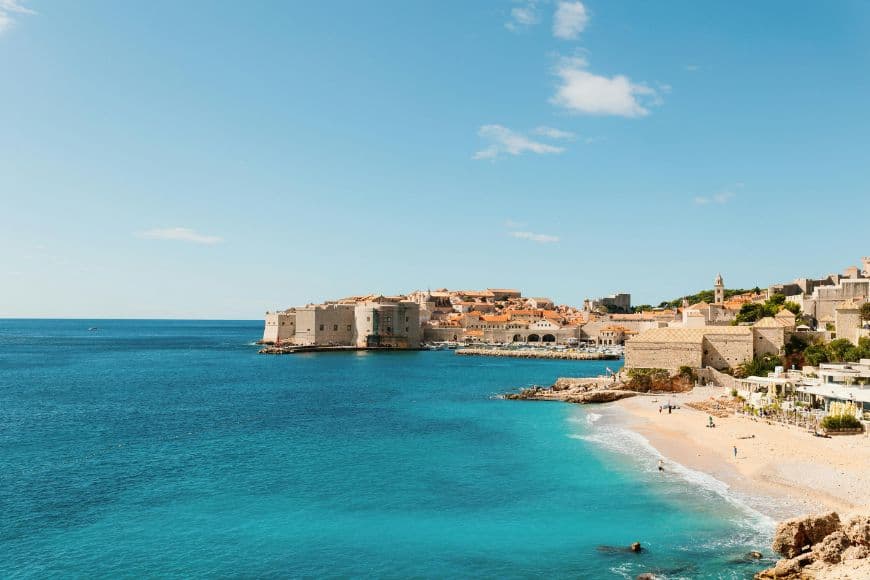
For something different without committing to a long international excursion, head south to Cavtat. The small coastal town offers a much quieter waterfront, swimming spots, restaurants, and walking paths around the peninsula. It works particularly well if you want to see more of the southern Croatian coast while keeping the day relaxed. You can then return to Dubrovnik for your final evening.
Option 3: Take a Day Trip to Mostar
If you’ve never visited Bosnia and Herzegovina, Mostar is one of the most popular day trips from Dubrovnik. The historic center and famous Stari Most make it a fascinating contrast to the Croatian coast, but remember that you’re crossing an international border. Travel time and border delays can make this a considerably longer day than Lokrum or Cavtat. I wouldn’t squeeze Mostar in simply because it’s nearby on the map. Choose it because you genuinely want to experience Bosnia and Herzegovina.
Option 4: Dubrovnik to Kotor
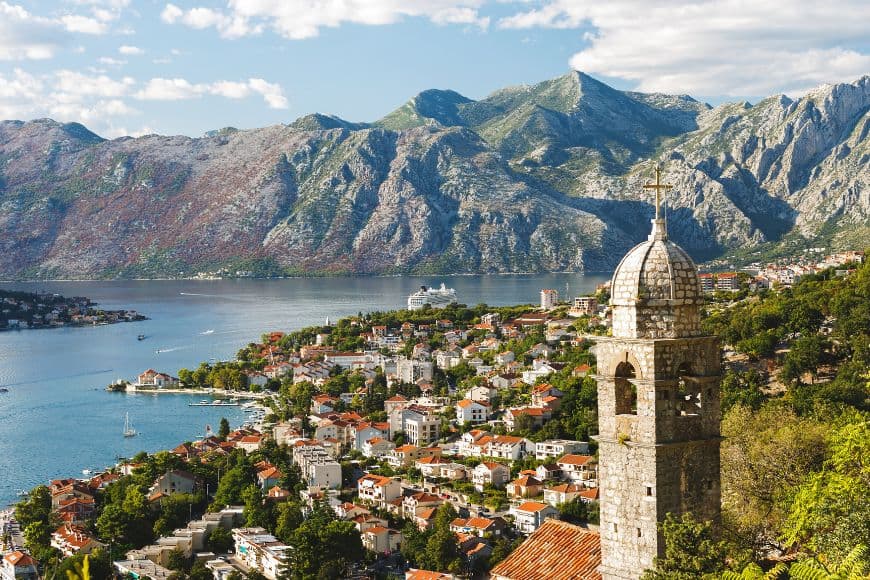
Another possibility is traveling from Dubrovnik to Kotor in Montenegro. Kotor’s medieval Old Town and the mountains surrounding the Bay of Kotor make this one of the most dramatic excursions you can take from Dubrovnik. Again, though, this involves crossing an international border, so journey times can be unpredictable during busy periods.
If Montenegro is already on your travel wish list, I’d actually consider extending the trip rather than reducing it to a few hours in Kotor. Dubrovnik is a natural starting point for continuing south into Montenegro.
Whichever option you choose, try to return with enough time for one final evening in Dubrovnik. After several nights here, you’ll probably already have a favorite street, viewpoint, café, or corner of the Old Town—and I’d rather finish the day there than squeeze in one more attraction.
Where to stay: Dubrovnik for your third and final night.
Don’t book an international Dubrovnik day trip too tightly around your final flight. Border crossings toward Montenegro or Bosnia and Herzegovina can take longer than expected, particularly during the busy summer season. Day 9 works because you’re sleeping in Dubrovnik again afterward.
Day 10: Dubrovnik and Departure
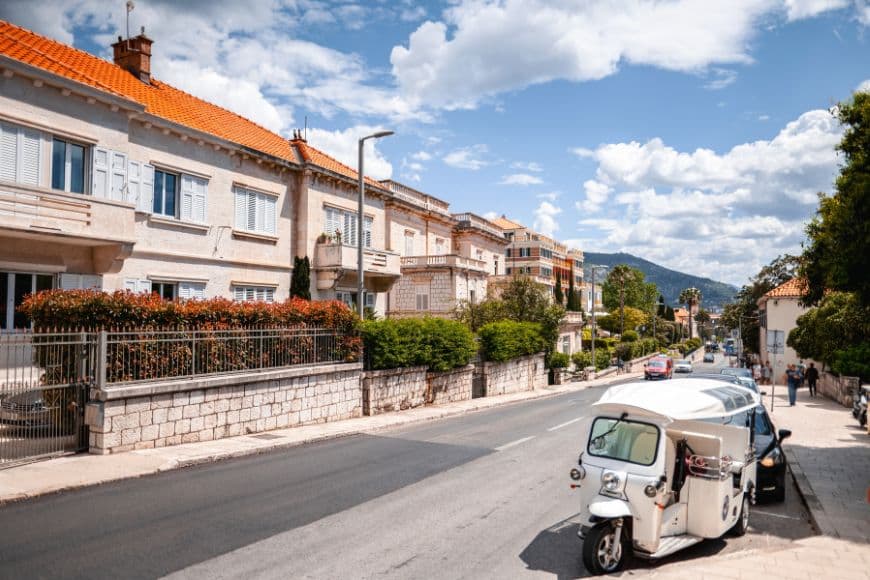
Your final morning in Croatia shouldn’t need another sightseeing schedule. After nine days moving from Zagreb through Plitvice, Split, Hvar, and finally Dubrovnik, I’d keep the last few hours deliberately easy. Have breakfast somewhere near the Old Town, take one final walk through the streets, and revisit whichever part of Dubrovnik you enjoyed most.
If you have a later flight, this is a good opportunity to pick up anything you’ve been postponing, enjoy a final coffee along the waterfront, or walk through the Old Town when you aren’t trying to reach another attraction.
Personally, I like leaving the final morning of an itinerary relatively empty. There’s always somewhere you wanted to return to, something you missed, or simply a café that looked too good to rush past. More importantly, you’re not spending the last hours of the trip watching the clock while standing in an entrance queue.
When it’s time to leave, Dubrovnik Airport is outside the city, so allow enough time for the journey rather than treating it like an airport located beside the Old Town.
Airport shuttle buses and private transfers are common options, while taxis and ride-hailing services may also be available. If you’re driving, factor in the time needed to return your rental car before checking in for your flight. And this is one of the biggest advantages of finishing our 10-day Croatia itinerary in Dubrovnik rather than returning north.
You’ve traveled in one direction:
Zagreb → Plitvice Lakes → Split → Hvar → Dubrovnik
There’s no unnecessary final journey back to Zagreb or Split simply because that’s where the trip began. If you can arrange flights into Zagreb and home from Dubrovnik, the route remains efficient right until the end.
Of course, Dubrovnik doesn’t necessarily have to be the end. If you have a few additional days, you’re perfectly positioned to continue south into Montenegro or travel into Bosnia and Herzegovina. We’ll look at those extensions later.
Getting to Dubrovnik Airport: Check the transport options that correspond with your flight time rather than relying on a fixed timetable far in advance. Shuttle schedules can be linked to flight departures and may change seasonally.
If you have an early flight: I’d prioritize an easy airport transfer over squeezing in one final Old Town walk. Ten days of good planning shouldn’t end with a sprint to the departure gate.
If you’re booking this route before purchasing your flights, compare a multi-city ticket—into Zagreb and out of Dubrovnik—with a standard return fare. Even if the airfare is slightly higher, avoiding the journey back across Croatia can easily make the overall trip more convenient.
Plan Your Trip with Our Favorite Travel Resources
Compare tours, transportation, hotels, car rentals, travel insurance, eSIMs, and practical travel resources used by travelers around the world.
Day trips, experiences & tickets
Road trips & flexible travel
Hotels, apartments & stays
Compare transport routes
Day trips, experiences & tickets
Gear, luggage & road trip tools
Plan Your Trip with Our Favorite Travel Resources
Compare tours, transportation, hotels, car rentals, travel insurance, eSIMs, and practical travel resources used by travelers around the world.
Traveling Croatia by Bus
If you don't want to rent a car, this route still works very well. Traveling Croatia by bus is particularly useful for the mainland sections of the trip, and combining buses with ferries gives you a practical way to complete the itinerary without driving.
For our route, the two bus journeys that matter most are:
Zagreb → Plitvice Lakes → Split
Intercity buses in Croatia connect Zagreb with the Plitvice area, and onward services can take you from Plitvice toward Split. That means you can follow the same north-to-south route without having to return to Zagreb or use Plitvice as a day trip from the coast.The main trade-off is flexibility.
With a rental car, you decide when to leave. When using public transport in Croatia, your day has to work around the available departures. That's particularly important at Plitvice, where you don't want to discover halfway through your walk that you've left yourself too little time to reach the bus stop.
I'd check both the Zagreb to Plitvice bus and Plitvice to Split bus before finalizing your accommodation. Schedules can vary by season, so I wouldn't rely on departure times you found in an old travel article months before your trip.
I also prefer leaving a comfortable buffer before an important connection. Croatia isn't the place where I'd finish a four-hour national park walk at 15:50 because my bus supposedly leaves at 16:00.
Once you reach Split, buses become less important for this particular itinerary. From there, the route shifts toward ferries for Split → Hvar and, when seasonal connections allow, Hvar → Dubrovnik.
That's why Croatia without a car works especially well here. We're not trying to force public transport onto a route designed entirely around driving. Each section uses the transport that makes the most sense:
Zagreb → Plitvice: Bus
Plitvice → Split: Bus
Split → Hvar: Ferry
Hvar → Dubrovnik: Ferry when the seasonal direct connection operates; otherwise a combination of ferry and mainland transport
If you're traveling during July or August, I'd book important intercity journeys ahead rather than assuming you'll always find a seat on the departure you want. Outside peak season, the bigger consideration can be reduced frequency rather than availability.
For checking and comparing intercity transport options, platforms such as Omio can also be useful alongside the individual operators' schedules.
When booking accommodation around Plitvice, check where your bus actually stops. Unlike Zagreb or Split, “Plitvice” isn't one compact transport hub. Staying somewhere that requires another taxi transfer can quickly erase the convenience—and savings—of traveling by bus.
Traveling Croatia by Ferry
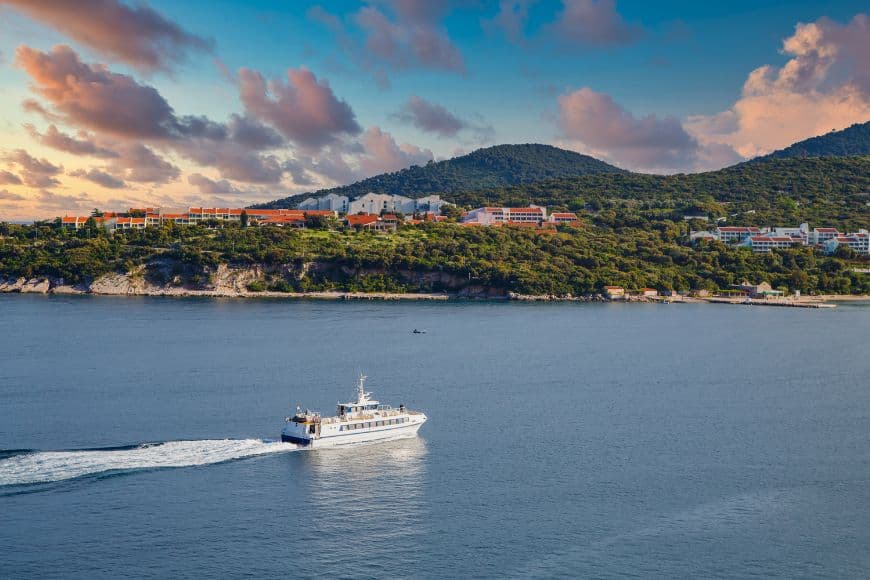
Ferries are what make the island section of this itinerary work. Once you reach Split, traveling Croatia by ferry becomes more useful than keeping a rental car, particularly when your next stop is Hvar.
For this route, the two connections that matter most are:
Split → Hvar
Hvar → Dubrovnik
The Split to Hvar ferry is one of the key connections for visitors exploring the Croatian islands. Passenger catamarans are generally the most convenient choice when you're traveling without a vehicle, taking you from Split toward Hvar without the hassle of transporting a car onto the island.
During the busy summer months, I wouldn't leave this ticket until the last minute. Popular sailings can fill up, and having your ferry booked also makes it much easier to choose accommodation and plan your check-out time in Split. The second important connection is Hvar to Dubrovnik.
Direct passenger services can make this one of the nicest transfers of the entire trip: instead of returning to Split and then traveling south overland, you continue along the Adriatic toward Dubrovnik.
However, this is where you need to pay attention to seasonality. Croatia ferry routes aren't identical throughout the year, and some island-to-Dubrovnik services operate only during part of the season. Always check the current timetable for your actual travel dates before building the rest of your bookings around a particular sailing.
Personally, I treat ferry schedules in Croatia the same way I treat opening hours for major attractions: they're something I verify when planning the trip, not something I assume will still be identical because I used the route before. There's also an important difference between passenger ferries and car ferries.
If you're following this itinerary without a vehicle, passenger ferries and catamarans are usually the simplest option. If you're driving in Croatia and want to take your rental car onto Hvar or another island, you'll need to plan around vehicle-carrying ferry routes instead.
That can affect not only your departure port but also where you arrive on the island. Our guide to exploring the Croatian islands by car ferry goes into much more detail if you're planning an island road trip.
For this ten day Croatia itinerary, though, I'd keep things simple: return the rental car in Split if you've used one for the mainland section, then continue with your luggage as a foot passenger.
It gives you much more freedom when choosing ferry connections and means you don't spend your time on Hvar worrying about parking or arranging another vehicle crossing.
Never book a Croatian island connection based only on “Split to Hvar” or “Hvar to Dubrovnik.” Check the departure port, arrival port, operator, travel date, and whether the service carries passengers only or vehicles as well. That five-minute check can prevent a surprisingly complicated travel day.

Where to Stay During Your 10-Day Croatia Itinerary
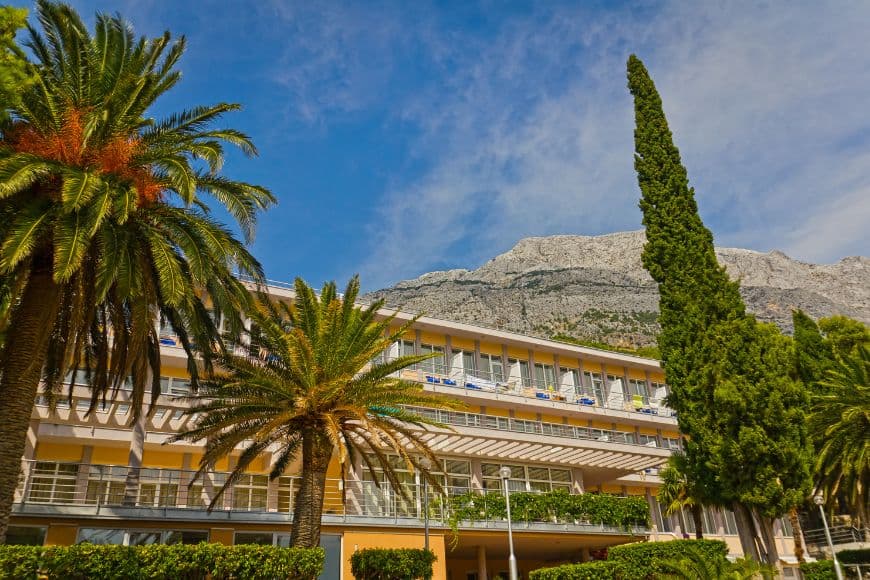
One of the reasons this route works is that the overnight stops match the pace of the journey. You're not changing hotels every morning, but you're also not using distant cities as bases for exhausting day trips.
Here's how I'd divide the nine nights:
| Destination | Nights | Why Stay Here |
|---|---|---|
| Zagreb | 1 | Easy starting point and time to explore the capital |
| Plitvice Lakes | 1 | Early access to the national park without a long day trip |
| Split | 2 | Full day for the historic center and convenient ferry connections |
| Hvar | 2 | Enough time to experience the island beyond a day trip |
| Dubrovnik | 3 | Old Town sightseeing plus a flexible final day |
Where to Stay in Zagreb
For one night, I'd prioritize location over facilities. Look for accommodation around the city center, Lower Town, or within comfortable walking distance of Ban Jelačić Square. You'll be able to explore Zagreb easily on Day 1 and won't waste your limited time commuting across the city.
If you're renting a car in Croatia, check whether you actually need it on arrival day. Picking it up the following morning can save you the trouble and expense of finding central parking.
Where to Stay Near Plitvice Lakes
This is the stop where location matters most. If you're using public transport in Croatia, look for accommodation with straightforward access to the park entrance and your onward bus toward Split. A cheap room several kilometers away isn't much of a bargain if you need taxis in both directions.
Drivers have more flexibility, but I'd still stay relatively close to Plitvice Lakes National Park. The whole purpose of sleeping here is to make an early visit easier.
Where to Stay in Split
For two nights, I'd choose somewhere around Split Old Town, the Riva, or within easy walking distance of both the historic center and ferry port. You don't necessarily need to stay inside Diocletian's Palace itself. Properties just outside the busiest historic streets can sometimes offer more space and a quieter night while keeping everything within walking distance. Being near the ferry port is particularly useful because Day 5 begins with the journey from Split to Hvar.
Where to Stay in Hvar
For a first visit, Hvar Town is the easiest base. You'll have restaurants, beaches, boat excursions, nightlife, and passenger ferry connections close by, and you can explore much of the town without transportation.
Personally, I'd pay attention to elevation when choosing accommodation here. A property can appear extremely close to the waterfront on a map while requiring a serious climb up steps with your luggage. The view from the balcony might be magnificent; getting the suitcase there may be less magnificent.
If nightlife isn't important and you'd prefer somewhere quieter, Stari Grad can be an attractive alternative, but you'll need to plan your transfers around the ferry connections used in this itinerary.
Where to Stay in Dubrovnik
You have three nights in Dubrovnik, so choosing the right location matters more here. Staying inside Dubrovnik Old Town puts you directly among the historic streets and major attractions, but accommodation can be expensive and carrying luggage through pedestrian streets and stairways isn't always convenient.
I often prefer staying just outside the walls. You can still walk into the Old Town within minutes while potentially getting easier transport access and a little more breathing room.
Areas farther from the historic center can offer better value, but check the bus connection and elevation before booking. Dubrovnik is one of those cities where 500 meters on a map doesn't necessarily mean an easy 500-meter walk.
For this 10-day Croatia itinerary, I'd spend a little more for convenient locations rather than constantly choosing the cheapest accommodation available. With several relatively short stays, saving 20 or 30 euros isn't particularly useful if you lose an hour every morning getting to where you actually want to be.
Before booking any hotel or apartment, check its location against your next departure point, not just nearby attractions. In Split and Hvar especially, being conveniently positioned for the following ferry can make travel days considerably easier.
How Much Does a 10-Day Croatia Itinerary Cost?
Croatia isn't the bargain destination it once was, particularly along the Dalmatian coast during July and August. But your Croatia trip cost can still vary enormously depending on when you travel, where you stay, and how often you eat in the most tourist-heavy parts of Split, Hvar, and Dubrovnik.
For this 10-day Croatia itinerary, I'd roughly budget like this per person, assuming two people share accommodation:
| Travel Style | Estimated Daily Budget | Approx. 10-Day Cost |
|---|---|---|
| Budget | €70–€110 | €700–€1,100 |
| Mid-range | €130–€220 | €1,300–€2,200 |
| Comfortable | €250+ | €2,500+ |
These are planning ranges rather than fixed prices. Flights to and from Croatia aren't included, and summer accommodation can push the total considerably higher.
Accommodation
Accommodation will probably be the largest part of your Croatia travel budget. Zagreb and the Plitvice area can offer reasonable options, but prices usually increase once you reach the coast. Split is generally manageable with advance planning, while Hvar and Dubrovnik can become considerably more expensive during peak summer.
Traveling in June or September can make a noticeable difference, especially if you're looking for well-located mid-range accommodation rather than luxury hotels.
Food and Drink
You can keep food costs relatively reasonable by mixing restaurants with bakeries, cafés, markets, and casual meals. Personally, I wouldn't build a Croatia budget around eating the cheapest possible meal three times a day. Food is part of the trip. I'd rather have a simple breakfast or lunch and leave room in the budget for a good dinner beside the Adriatic.
Restaurants around the most famous parts of Hvar and Dubrovnik Old Town tend to command higher prices, so walking a few streets away from the busiest areas can help.
Buses and Ferries
If you're completing Croatia without a car, transportation shouldn't dominate your overall budget. You'll mainly need to account for the Zagreb to Plitvice bus, the onward journey to Split, the Split to Hvar ferry, and your connection from Hvar toward Dubrovnik. I'd leave some flexibility in the budget rather than calculating transport down to the last euro. Ferry prices and available services vary by route, operator, and season.
Rental Car
If you're renting a car in Croatia for Zagreb → Plitvice → Split, remember that the advertised rental rate isn't necessarily the final cost. Insurance, fuel, parking, one-way fees, and additional-driver charges can all affect the total. That's another reason I wouldn't keep a rental car for all ten days unless you're specifically planning a Croatia road trip. Splitting the cost between two or more travelers can make the car much more competitive with public transport, particularly on the Plitvice section.
Attractions and Activities
You'll also need room in the budget for attractions such as Plitvice Lakes National Park, Dubrovnik's city walls, museums, boat trips around the Pakleni Islands, kayaking, or other optional excursions. This is one area where I'd avoid trying to do everything. I'd rather pay for two or three experiences I genuinely want than spend hundreds of euros simply because every “things to do” list says they're essential.
So, How Expensive Is Croatia for 10 Days?
For most couples or independent travelers following this route, I'd consider roughly €1,300–€2,200 per person a useful mid-range planning budget before international flights.
You can certainly spend less by choosing hostels or inexpensive apartments, using buses and ferries, and traveling outside peak summer. Equally, upscale hotels in Hvar and Dubrovnik, private transfers, boat tours, and frequent restaurant meals can push 10 days in Croatia cost well beyond €2,500 per person.
Best Time for a 10-Day Croatia Trip
For this ten day Croatia itinerary, I'd choose June or September. Both give you warm weather, good conditions for exploring Plitvice and the coastal cities, and generally strong ferry connections without the peak crowds of July and August. July and August are excellent for beaches and island life, but Split, Hvar, and Dubrovnik are at their busiest and most expensive.
May is great for sightseeing, although the sea can still be cool and some seasonal ferry services may be limited. October is quieter but requires more careful planning around weather and ferry schedules. For me, Croatia in September is particularly attractive: the Adriatic is still warm, the coast remains lively, and sightseeing is generally more comfortable.
How to Customize This 10-Day Croatia Itinerary
This route works well for a first visit, but you can easily adjust it depending on what matters most to you.
If You Want More Islands
Replace one Dubrovnik night with Korčula, creating more of a Croatia island-hopping itinerary. Just remember that every additional island means another ferry connection.
If You Prefer Beaches
Spend less time in Zagreb and add the extra night to Hvar or the Dubrovnik coast. This gives you more time for beaches, swimming, and a slower Adriatic experience.
If You Prefer Nature
Keep Plitvice as planned and consider adding Krka National Park near Split. I'd add it only if nature is a priority rather than sacrificing your full day in Split automatically.
If You're Traveling Without a Car
Very little needs to change. This Croatia itinerary without a car already works with buses between Zagreb, Plitvice, and Split, followed by ferries toward Hvar and Dubrovnik.
If You're Taking a Croatia Road Trip
If driving is part of the experience rather than simply transportation, I'd follow our dedicated 10-day Croatia road trip itinerary instead. It gives you much more freedom to explore smaller coastal towns and scenic stops that don't fit naturally into this route.
Customize by replacing stops rather than simply adding more. Ten days doesn't magically become twelve because Korčula looks beautiful.
Extending Your Croatia Trip
If you have more than 10 days, Dubrovnik puts you in an excellent position to continue exploring the Balkans rather than flying home immediately.
Add Montenegro
Continue south from Dubrovnik toward Kotor and the Bay of Kotor. With another 3–5 days, you can explore much more than Kotor and turn it into a proper Montenegro trip.
Add Bosnia and Herzegovina
Head inland toward Mostar. Rather than squeezing it into a long day trip from Dubrovnik, an overnight stay gives you more time to experience the city.
Add Slovenia
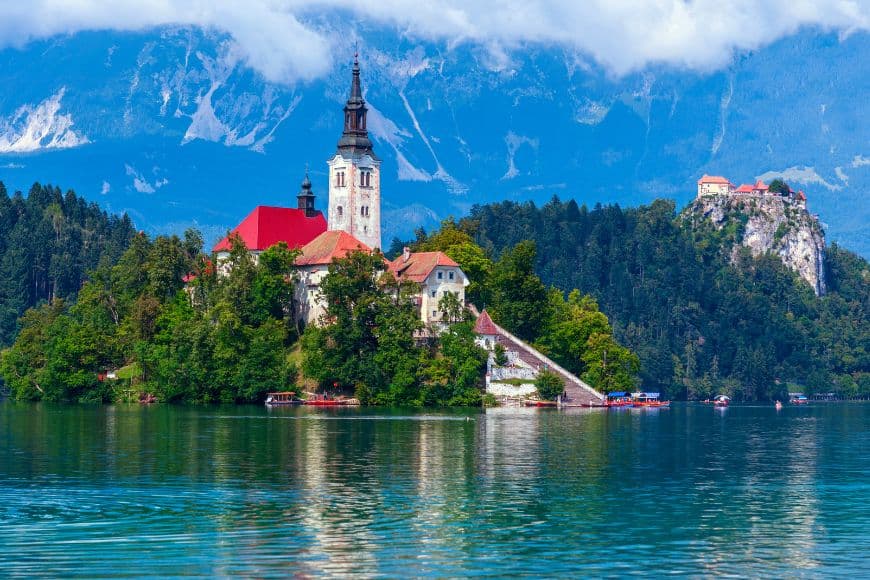
If you have extra time at the beginning of the trip, Slovenia and Croatia combine particularly well. Ljubljana and Lake Bled can be added before continuing toward Zagreb. For a longer Balkan journey, you can also connect this route with our Balkan road trip itinerary and continue through several countries.
10-Day Croatia Itinerary FAQs
Is 10 days enough for Croatia?
Yes. 10 days in Croatia gives you enough time to combine Zagreb, Plitvice Lakes, Split, Hvar, and Dubrovnik without rushing through every destination.
What is the best Croatia itinerary for first-time visitors?
For a first visit, I'd recommend Zagreb → Plitvice Lakes → Split → Hvar → Dubrovnik. It combines cities, national parks, the Dalmatian coast, and island time in one logical route.
How many places should you visit in 10 days in Croatia?
I'd limit the trip to around four or five main stops. Adding too many destinations means spending more of your holiday checking out of hotels and waiting for transportation.
Do you need a rental car for 10 days in Croatia?
No. This 10-day Croatia itinerary can be completed using buses and ferries. A rental car is most useful between Zagreb, Plitvice, and Split.
Can you travel around Croatia by bus and ferry?
Yes. Intercity buses work well on the mainland, while ferries connect Split with Hvar and other Croatian islands. Some coastal ferry routes are seasonal, so always check schedules for your dates.
Is it better to start a Croatia itinerary in Zagreb or Dubrovnik?
Either direction works, but I prefer starting in Zagreb and finishing in Dubrovnik. The scenery gradually shifts from inland Croatia to the Adriatic coast, giving the trip a natural progression.
Continue Planning Your Croatia Trip
If you're planning this 10-day Croatia itinerary, these guides will help with the next stage of your trip:
- Croatia Travel Guide — Practical advice on transportation, accommodation, costs, the best places to visit, and everything else worth knowing before you go.
- Ten Day Croatia Road Trip Route — A better choice if you want driving to be a major part of your Croatian adventure.
- Driving the Dalmatian Coast — Scenic stops and practical advice for exploring one of Croatia's most beautiful coastal routes by car.
- Plitvice to Split Road Trip Route — A detailed guide to the journey between Plitvice Lakes and the Dalmatian coast.
Final Thoughts
Ten days won't show you every corner of Croatia, but that's exactly why I like this route.
Zagreb → Plitvice Lakes → Split → Hvar → Dubrovnik gives you five very different experiences without turning the trip into a race between hotel check-ins and transport connections.
You get Croatia's capital, the incredible landscapes of Plitvice, Roman history in Split, proper island time on Hvar, and a memorable finish beside the walls of Dubrovnik. More importantly, this epic 10-day Croatia itinerary works whether you prefer renting a car for part of the journey or traveling mainly by bus and ferry.
If this is your first trip to Croatia, don't worry about the places you aren't visiting. I would much rather leave Croatia wanting to return for Istria, Zadar, Korčula, and the other islands than come home remembering mostly buses, ferries, and suitcases.
Ten days is enough. Choose a good route, slow down where it matters, and enjoy Croatia rather than trying to complete it.
About Abu
Explore More
-
 Best Day Trips from Split, Croatia: Islands, Waterfalls & Historic Towns
 -
 Croatia Travel Guide: Where to Go, When to Visit & What to Know
 -
 Montenegro Itinerary: Perfect 5, 7 & 10 Day Routes for First-Time Visitors
 -
 Montenegro Travel Guide: Everything You Need to Plan an Unforgettable Trip
Book Your Tour
Rent Car

💬 We’d love to hear from you!
Have questions, tips, or personal travel stories to share? Drop them in the comments below — your insights help fellow travelers plan their adventures too.