Croatia vs Italy: Which Is Better to Visit?

by Abu | Last Updated November 22, 2026
Choosing between Croatia vs Italy isn’t easy, especially when both countries offer beautiful coastlines, historic towns, incredible food, and some of Europe’s most memorable scenery. Although they share the Adriatic Sea, I’ve always found that what makes these destinations appealing is also what makes choosing between them so interesting: they offer distinctly different ways to experience Southern Europe.
Italy is a country I’d recommend to travelers who enjoy combining history, art, culture, food, and varied landscapes. You can spend your mornings exploring the ancient streets of Rome, admiring Renaissance art in Florence, wandering through Venice’s canals, or escaping to the rolling hills of Tuscany. And that’s before considering the Dolomites, the Amalfi Coast, Sicily, or Sardinia.
Croatia, on the other hand, is particularly appealing if you’re dreaming of a Mediterranean holiday centered around the sea. Its spectacular Adriatic coastline, picturesque islands, and historic towns such as Dubrovnik and Split make it an excellent destination for combining beach time with sightseeing. Inland, places such as Plitvice Lakes National Park reveal another side of the country.
But which one would I choose for a holiday?
That depends on the kind of experience you’re looking for. If food, art, and famous cultural landmarks are high on your list, Italy has an obvious appeal. If you prefer island hopping, turquoise waters, and exploring coastal towns at a more manageable pace, Croatia might be exactly what you’re looking for.
I’d also consider your budget, how much time you have, and whether you prefer traveling by train, bus, ferry, or rental car. These practical differences can have a surprisingly big impact on your trip.
In this guide, I’ll compare Croatia and Italy across the things that matter most when planning a holiday, including beaches, travel costs, food, attractions, island hopping, transportation, and the best time to visit.
And if you’re tempted by both destinations, I’ll also explain how you can combine them into one memorable European adventure.
Planning a Last-Minute Trip to Croatia or Italy?
Organize your Mediterranean getaway with these travel essentials:
- 🏨 Hotels: Compare accommodation on Hotels.com and Booking.com.
- 🚌 Transport: Find trains, buses, and ferries on Omio.
- 🚗 Car Rentals: Compare rental car deals on DiscoverCars.
- 🎟️ Tours & Activities: Book sightseeing tours and experiences on Viator.
- 📱 eSIM: Stay connected during your trip with Airalo.
Quick tip: Planning to visit both countries? Check ferry schedules, cross-border rental car conditions, and travel connections before booking your accommodation.
Croatia vs Italy: Quick Comparison
Although Croatia and Italy share the Adriatic Sea, they offer noticeably different travel experiences. Italy is a much larger country with an extraordinary variety of historic cities, regional cuisines, landscapes, and cultural attractions. Croatia is more compact, making it particularly appealing for travelers who want to combine coastal towns, island hopping, and natural scenery without covering enormous distances.
When comparing Croatia vs Italy, I’d start by thinking about what you want from your holiday rather than which country has the most famous attractions.
Italy is difficult to beat for cultural sightseeing, food experiences, and the freedom to explore several major cities by train. Croatia, meanwhile, is an excellent choice for travelers drawn to clear Adriatic waters, historic seaside towns, and beautiful islands.
Here’s how the two destinations compare at a glance.
| Feature | Croatia 🇭🇷 | Italy 🇮🇹 |
|---|---|---|
| Best For | Coastal holidays, island hopping, national parks | History, culture, food, varied landscapes |
| Beaches | Mostly pebble and rocky beaches, with some sandy options | Sandy, pebble, and rocky beaches across different regions |
| Coastal Highlights | Dalmatian Coast, Istria, Dubrovnik, Hvar | Amalfi Coast, Puglia, Sicily, Sardinia |
| Islands | Brač, Hvar, Korčula, Vis | Sicily, Sardinia, Capri, Ischia |
| Historic Destinations | Dubrovnik, Split, Trogir, Rovinj | Rome, Florence, Venice, Naples |
| Nature | Plitvice Lakes, Krka, Paklenica | Dolomites, Italian Lakes, Tuscany, Mount Etna |
| Food | Seafood, peka, Istrian truffles, regional dishes | Pasta, pizza, seafood, regional Italian cuisine |
| Travel Costs | Moderate to expensive in popular coastal areas | Highly variable depending on region and season |
| Public Transport | Buses and ferries; trains useful on selected routes | Extensive rail network, buses, and ferries |
| Road Trips | Scenic Adriatic coastal routes | Diverse routes through mountains, countryside, and coastlines |
| Ideal Trip Length | 7–14 days | 7–14 days for selected regions; longer for broader exploration |
| Currency | Euro (€) | Euro (€) |
One thing I’d emphasize is that neither country is automatically the better choice for everyone. If you’re planning your first European holiday and want to visit famous cultural landmarks, Italy offers an incredible range of possibilities.
But if your idea of a perfect trip involves exploring small coastal towns, taking ferries between islands, and swimming in clear water, Croatia could be more appealing.
Choose Italy for cultural variety, food, and extensive transport connections. Choose Croatia for a more focused Adriatic holiday combining historic towns, islands, and outdoor activities.
Croatia vs Italy: Which Has Better Beaches?
If beaches are one of your main priorities, the Croatia vs Italy comparison becomes particularly interesting. Both countries have spectacular Mediterranean coastlines, but the types of beaches, surrounding landscapes, and overall holiday experiences can be quite different.
Croatia is especially well known for its remarkably clear Adriatic waters and picturesque pebble coves. Italy offers greater geographical variety, from long sandy beaches to dramatic cliffs, hidden coves, and beautiful island coastlines.
I wouldn’t choose between them based on photographs alone. The type of beach you enjoy, how easily you can reach it, and whether you prefer lively resorts or quieter coastal villages can make a significant difference.
Beaches in Croatia
Croatia’s coastline is one of its biggest attractions, particularly along the Dalmatian Coast and around the country’s many islands. One of the most recognizable beaches is Zlatni Rat on the island of Brač. Its distinctive shape extends into the Adriatic Sea, surrounded by clear water and beautiful coastal scenery. It’s a popular destination, especially during summer, so I’d recommend arriving early if you prefer a more relaxed atmosphere.
The Makarska Riviera is another excellent choice, with beaches backed by the dramatic Biokovo mountain range. Towns such as Brela and Baška Voda combine attractive shorelines with restaurants, accommodation, and opportunities for coastal excursions.
Further south, Dubrovnik offers several swimming spots, including Banje Beach, where you can enjoy views toward the city’s historic walls. However, its popularity means that beach space can become limited during July and August. For a quieter experience, I’d consider exploring smaller coves around Korčula, Vis, or less-developed parts of the Dalmatian coastline.
One practical detail worth remembering is that many Croatian beaches are pebbly or rocky rather than sandy. Water shoes can be useful, and some swimming areas have rocky access points or concrete platforms.
Personally, I think Croatia’s biggest appeal for beach lovers is the opportunity to combine swimming with island exploration and historic coastal towns. You don’t necessarily need to spend an entire holiday at one resort.
Beaches in Italy
Italy has a much larger and more varied coastline, making it possible to find almost every type of Mediterranean beach experience.
Sardinia is one of the country’s most impressive destinations for beach scenery. Areas such as the Costa Smeralda, La Maddalena Archipelago, and the beaches around Villasimius are known for turquoise waters, pale sand, and beautiful natural surroundings.
Sicily offers another excellent combination of beaches, culture, and coastal landscapes. San Vito Lo Capo is particularly appealing for its sandy shoreline, while the area around Taormina combines swimming opportunities with dramatic scenery and historic attractions.
In southern Italy, Puglia has become increasingly popular for its beaches. The Salento Peninsula offers clear water, sandy stretches, and attractive coastal towns, particularly around Porto Cesareo and the Ionian coastline.
The Amalfi Coast provides a different experience. Its beaches are often relatively small, surrounded by steep cliffs and colorful villages. Places such as Positano are undeniably scenic, but I’d hesitate to recommend the Amalfi Coast to someone whose main priority is finding long, spacious sandy beaches. For that kind of holiday, I’d look more closely at Sardinia, Puglia, or selected areas of Sicily.
Italy also has an established beach-club culture, where private establishments rent umbrellas and sun loungers. These facilities can be convenient, but costs vary considerably, especially in fashionable coastal destinations.
Which Country Wins for Beaches?
I’d give Italy a slight advantage for beach variety, particularly because Sardinia, Sicily, and Puglia offer so many different coastal experiences. Croatia, however, is particularly appealing for travelers who enjoy clear water, picturesque pebble coves, and visiting several islands during the same holiday.
If you prefer soft sandy beaches, Italy generally offers more choices. If you’re happy with pebbles and enjoy swimming in transparent Adriatic waters, Croatia is an excellent option. For families with young children, I’d pay particular attention to beach access, water depth, shade, and facilities rather than choosing a country based solely on scenery.
And whichever destination you choose, I’d recommend considering June or September if you want pleasant beach weather without the busiest summer crowds.
Italy wins for beach diversity and sandy options, while Croatia stands out for its Adriatic swimming spots and island-focused coastal holidays.
Which Country Has Better Scenery and Nature?
Beyond beaches and historic cities, both Croatia and Italy offer extraordinary natural landscapes. From dramatic mountains and waterfalls to peaceful lakes and spectacular coastlines, there are plenty of opportunities to explore beyond the main tourist destinations.
The biggest difference is scale.
Italy’s size and geographical diversity allow you to experience everything from Alpine peaks to volcanic islands. Croatia offers an impressive concentration of national parks, coastal mountains, waterfalls, and islands within a smaller country.
Nature and Landscapes in Croatia
Croatia is particularly rewarding for travelers who want to combine outdoor activities with coastal sightseeing. Plitvice Lakes National Park is one of the country’s most famous natural attractions, known for its interconnected lakes, waterfalls, and wooden walking paths through forested landscapes.
I’d recommend allowing enough time to explore the park properly rather than treating it as a quick photo stop. The walking routes vary in length, and the experience is much more enjoyable when you aren’t rushing between viewpoints.
Krka National Park is another popular destination, particularly for travelers staying around Split or Šibenik. Its waterfalls and walking trails make it a convenient addition to a Dalmatian Coast itinerary.
For mountain scenery, Paklenica National Park offers hiking trails, dramatic limestone canyons, and opportunities for rock climbing. The Velebit mountain range provides a completely different perspective from Croatia’s famous coastal resorts.
The country’s islands also contribute to its natural appeal. Mljet National Park, for example, combines forested landscapes, saltwater lakes, and a peaceful island atmosphere.
What I particularly like about Croatia as a travel destination is how naturally these experiences can fit into a coastal itinerary. You can spend several days exploring historic towns and beaches, then head inland for hiking or a national park excursion.
Nature and Landscapes in Italy
Italy’s natural diversity is difficult to match, especially if you enjoy exploring different landscapes during separate trips. In northern Italy, the Dolomites offer some of Europe’s most spectacular mountain scenery. Dramatic limestone peaks, alpine lakes, hiking trails, and picturesque villages make the region particularly appealing for outdoor enthusiasts. I’d recommend spending several days in the Dolomites rather than trying to see everything on a single excursion. Distances between valleys, mountain roads, and changing weather conditions all deserve consideration.
The Italian Lakes provide a gentler experience. Lake Como, Lake Garda, and Lake Maggiore combine mountain scenery, waterfront towns, gardens, and opportunities for boat trips. Tuscany offers an entirely different landscape, with rolling hills, vineyards, cypress-lined roads, and historic hilltop villages. It’s a wonderful region for travelers who enjoy slower journeys through the countryside.
Further south, Mount Etna in Sicily introduces volcanic scenery, while the landscapes around the Amalfi Coast combine steep cliffs, terraced hillsides, and dramatic sea views.
And these are only a few examples. Italy also offers the Gran Paradiso National Park, the Apennine Mountains, and beautiful protected coastal areas. For me, Italy’s strongest advantage is the sheer range of experiences available. A trip focused on the Dolomites feels completely different from a holiday exploring Sicily or Tuscany.
Which Country Wins for Nature?
I’d choose Italy for overall landscape diversity, particularly if you enjoy mountains, lakes, countryside, volcanic scenery, and varied outdoor activities. Croatia is an excellent alternative if you want to combine national parks, waterfalls, coastal mountains, and islands within a relatively focused itinerary.
One important consideration is travel time. Italy’s natural highlights are spread across a much larger area, so I’d recommend choosing one or two regions rather than attempting to cover everything in a short holiday.
Croatia can be easier to explore on a compact itinerary, although visiting remote parks and mountain areas may still require a rental car or organized excursions.
Italy has the advantage for natural variety, while Croatia is particularly rewarding for combining coastal scenery and national parks on the same trip.
Croatia vs Italy: Which Is Cheaper?
Travel costs are an important consideration when comparing Croatia vs Italy, especially if you’re planning a longer holiday. Both countries can accommodate different budgets, but neither is automatically a cheap destination.
Croatia was once widely considered a more affordable alternative to Italy. While that can still be true in certain areas, prices have increased considerably in popular Croatian destinations, particularly along the Dalmatian Coast.
Dubrovnik, Hvar, and Split can be expensive during July and August, especially when it comes to accommodation near historic centers, waterfront restaurants, and organized excursions.
Italy presents a different challenge. Prices vary enormously between regions. A holiday in Venice, the Amalfi Coast, or fashionable parts of Sardinia can cost significantly more than exploring smaller towns in Puglia, Umbria, or inland Sicily.
Personally, I wouldn’t assume that Croatia is cheaper simply because it’s a smaller country. I’d compare the specific destinations, travel dates, and accommodation options before making a decision.
Estimated Daily Travel Budget
The following figures are broad planning estimates per person, assuming two people share a room. They include accommodation, meals, local transportation, and a modest allowance for sightseeing. International flights and major car-rental expenses are excluded.
| Travel Style | Croatia 🇭🇷 | Italy 🇮🇹 |
|---|---|---|
| Budget Travel | €45–75 per day | €55–90 per day |
| Mid-Range Travel | €90–160 per day | €100–180 per day |
| Comfortable Travel | €170–280+ per day | €190–320+ per day |
These are indicative budgets rather than live price quotes. Your actual spending will depend on the season, destination, accommodation standards, and activities.
In Croatia, accommodation can account for a substantial portion of your budget during summer. Staying outside Dubrovnik’s Old Town or choosing smaller coastal destinations instead of the most popular islands may help reduce costs.
Ferries are another expense worth considering. If you’re planning to visit several Croatian islands, individual tickets, luggage arrangements, and possible vehicle transport can add to the overall cost.
Italy offers more transportation options, particularly between major cities. High-speed trains can be convenient, although tickets purchased close to departure may be expensive. Regional trains and buses are often more affordable alternatives.
For food, I find that both countries offer opportunities to eat well without spending excessively. In Italy, casual trattorias, bakeries, and local markets can provide good value. In Croatia, traditional restaurants away from busy waterfronts may be more affordable than those in major tourist areas.
One advantage is that both Croatia and Italy use the euro, making it easier to compare prices and manage your travel budget. If I were planning a trip with limited funds, I’d consider visiting in May, June, or September rather than during the busiest summer weeks. I’d also look beyond the most famous destinations, where accommodation prices can be considerably lower.
For travelers comparing Croatia vs Italy travel costs, Croatia may offer better value for certain coastal holidays, but the difference is not always substantial. Italy can be surprisingly affordable when you explore less expensive regions and make good use of public transportation.
Ultimately, the destinations you choose will have a greater impact on your budget than the country itself.
Food and Dining: Croatia vs Italy
Food is one of the most enjoyable parts of traveling, and both Croatia and Italy have rich culinary traditions shaped by geography, history, and regional ingredients.
Italy is internationally famous for its cuisine, but what makes eating there particularly interesting is how dramatically the food changes between regions. Croatia also offers much more culinary variety than visitors sometimes expect, with Mediterranean influences along the coast and heartier traditional dishes inland.
When comparing Croatian food vs Italian food, I’d recommend looking beyond the most recognizable dishes. Some of the most rewarding dining experiences come from exploring local specialties rather than choosing familiar international options.
Food in Italy
Italian cuisine is one of the country’s biggest attractions, and for good reason. In Rome, traditional dishes such as carbonara, cacio e pepe, and amatriciana reflect the city’s culinary identity. Florence and the surrounding Tuscan countryside are known for hearty meat dishes, rustic soups, and regional wines.
Naples is famous for its pizza, while southern Italy offers an abundance of seafood, fresh vegetables, olive oil, and simple pasta dishes. In northern Italy, you’ll find risotto, polenta, fresh pasta, and specialties influenced by Alpine traditions.
What I particularly appreciate about Italian food culture is the emphasis on regional identity. Even neighboring towns can have their own traditional recipes, local cheeses, and distinctive ways of preparing familiar ingredients.
If you’re visiting several regions, I’d recommend trying their local specialties rather than ordering the same dishes throughout your trip. For example, a seafood meal along the Amalfi Coast offers a completely different experience from enjoying handmade pasta in Bologna or traditional dishes in a Tuscan village.
Italy is also an excellent destination for travelers who enjoy visiting markets, discovering small bakeries, and taking cooking classes.
One practical tip: restaurants immediately beside famous landmarks are not always the best places to experience regional cuisine. I’d usually look a few streets away from the busiest tourist areas and check menus before sitting down.
Food in Croatia
Croatian cuisine is influenced by Mediterranean, Central European, and Balkan traditions, creating a diverse food culture that changes considerably between the coast and inland regions. Along the Dalmatian Coast, seafood plays an important role. Grilled fish, squid, octopus, and shellfish are common, often prepared with olive oil, garlic, and fresh herbs.
One traditional dish worth trying is peka, where meat or seafood is slowly cooked with vegetables beneath a bell-shaped lid covered with hot embers. It’s particularly associated with traditional restaurants and family-style dining.
Istria has a different culinary identity, with dishes featuring truffles, handmade pasta, olive oil, and local wines. The region’s historical connections with Italy are particularly noticeable in its food.
In Zagreb and inland Croatia, you’ll encounter heartier dishes, including stews, roasted meats, and specialties influenced by Central European cooking traditions. I’d recommend exploring traditional konobas, which are Croatian taverns often serving regional dishes in a relaxed setting.
For travelers who enjoy seafood, Croatia can be particularly rewarding. However, I’d pay attention to how fresh fish is priced, especially in popular coastal restaurants where it may be sold by weight.
Another experience worth considering is visiting local markets. They offer an opportunity to discover seasonal produce, cheeses, olive oils, and regional ingredients without necessarily booking an expensive restaurant.
Croatia’s food scene may be less internationally famous than Italy’s, but that doesn’t make it less interesting.
Which Country Is Better for Food Lovers?
If food is one of the main reasons you’re traveling, I’d lean toward Italy.
Its extraordinary regional diversity, internationally celebrated dishes, and established culinary traditions make it an excellent destination for food-focused holidays. You could easily plan an entire trip around the food of Emilia-Romagna, Tuscany, Campania, or Sicily.
Croatia, however, is an appealing choice if you enjoy fresh seafood, Mediterranean cooking, traditional taverns, and discovering regional dishes that may be less familiar.
Personally, I wouldn’t treat Croatian cuisine as simply a smaller version of Italian food. The two countries share certain Mediterranean influences, but their culinary identities are distinct.
For a dedicated food holiday, Italy would be my first recommendation. For a coastal trip where seafood, local wines, and relaxed dining are important parts of the experience, Croatia is an excellent alternative.
Best Places to Visit in Croatia and Italy
Both countries offer remarkable destinations, from ancient cities and UNESCO World Heritage Sites to picturesque coastal towns and beautiful countryside. However, one of the biggest differences between Croatia vs Italy is the scale of the experience.
Italy has a much larger collection of internationally famous cities and cultural landmarks, while Croatia’s most popular attractions are often concentrated along the Adriatic coast and in several outstanding national parks.
That doesn’t mean Croatia lacks cultural depth. Its historic towns, Roman heritage, Venetian architecture, and traditional villages are among the country’s biggest attractions.
I’d recommend choosing destinations based on your interests and available time rather than trying to visit every famous landmark.
Best Places to Visit in Croatia
Dubrovnik
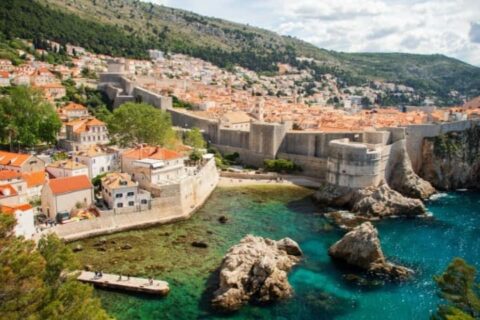
Dubrovnik is one of Croatia’s most recognizable destinations, famous for its medieval walls, limestone streets, and spectacular position overlooking the Adriatic Sea.
Walking through the Old Town is one of the highlights of visiting southern Croatia. The city walls offer beautiful views, although I’d recommend exploring early in the morning or later in the afternoon during summer to avoid some of the busiest periods. Dubrovnik is also a useful starting point for boat excursions and exploring nearby islands.
Split
Split combines Roman history with a lively waterfront atmosphere.
The city’s most famous attraction is Diocletian’s Palace, a remarkable Roman complex that forms part of the historic center rather than functioning as a conventional museum.
What makes Split particularly appealing is the opportunity to combine sightseeing with beach time, restaurants, and ferry connections to nearby islands. I’d consider it an excellent base for travelers who want to explore the Dalmatian Coast without constantly changing accommodation.
Zadar
Zadar is a good alternative for travelers looking for historic streets, coastal scenery, and a slightly different atmosphere from Dubrovnik or Split.
Its Roman remains, waterfront promenade, Sea Organ, and Greeting to the Sun installation make it an interesting place to spend a day or two.
Zadar also works well as a base for exploring nearby islands and national parks.
Rovinj and Istria
Rovinj is one of the most picturesque towns on the Istrian Peninsula, with colorful buildings, narrow streets, and a charming harbor. Istria is particularly appealing if you enjoy combining coastal villages with countryside excursions, traditional food, and smaller historic towns.
I’d recommend considering Rovinj, Poreč, and inland destinations such as Motovun if you prefer a slower-paced holiday.
Plitvice Lakes National Park
Although it’s not a city, Plitvice deserves a place on almost any list of Croatia’s most memorable attractions. Its lakes, waterfalls, and forest trails provide a welcome contrast to the country’s coastal destinations.
I’d recommend planning your visit carefully, checking the available walking routes, and booking tickets in advance when required.
Croatia’s biggest advantage is that many of these highlights can be combined into a manageable itinerary, particularly if you focus on one or two regions.
Best Places to Visit in Italy
Rome
Rome is one of Europe’s great cultural destinations, with ancient monuments, beautiful piazzas, historic neighborhoods, and an extraordinary collection of museums and churches.
The Colosseum, Roman Forum, Pantheon, and Vatican Museums are among its most famous attractions, but I think Rome is also a city that rewards travelers who leave time for wandering.
I’d recommend spending at least three days in Rome rather than trying to see everything in a single rushed visit.
Florence and Tuscany
Florence is an essential destination for travelers interested in Renaissance art, architecture, and Italian history. The Duomo, Uffizi Gallery, Ponte Vecchio, and surrounding historic streets offer plenty to explore.
Beyond Florence, Tuscany’s countryside is filled with vineyards, hilltop towns, and scenic landscapes. I’d recommend combining Florence with smaller destinations such as Siena, San Gimignano, or towns in the Val d’Orcia if you have enough time.
Venice
Venice offers a travel experience unlike almost anywhere else in Europe.
Its canals, historic palaces, bridges, and atmospheric neighborhoods make it one of Italy’s most distinctive destinations.
Although the main attractions in Venice can become crowded, I’d encourage travelers to explore beyond St. Mark’s Square and the Rialto Bridge.
Some of Venice’s most memorable corners are found in quieter neighborhoods, particularly when you allow yourself time to wander without a strict schedule.
Naples and the Amalfi Coast
Naples is a fascinating destination for travelers who enjoy history, lively streets, and traditional Italian food. It’s also a practical base for visiting Pompeii, Mount Vesuvius, and nearby coastal destinations.
The Amalfi Coast, meanwhile, is famous for its colorful villages, dramatic cliffs, and spectacular Mediterranean scenery. I’d recommend planning transportation carefully, particularly during summer when coastal roads and popular towns can become extremely busy.
The Italian Lakes and Dolomites
For travelers who prefer natural scenery, northern Italy offers some remarkable destinations. Lake Como and Lake Garda combine waterfront villages, mountain views, and boat excursions, while the Dolomites are particularly appealing for hiking, scenic drives, and alpine landscapes.
I’d recommend choosing between a lake-focused holiday and a mountain itinerary if you only have a few days. Trying to cover too many destinations can quickly turn a relaxing trip into a rushed one.
Sicily and Sardinia
Italy’s two largest islands deserve consideration as destinations in their own right. Sicily combines ancient archaeological sites, historic cities, volcanic landscapes, and beautiful beaches.
Sardinia is particularly appealing for its coastline, turquoise waters, traditional villages, and opportunities to explore beyond the main resorts.
Both islands are large enough to justify a dedicated holiday rather than a short excursion.
Which Country Offers the Best Sightseeing?
For travelers interested primarily in famous cultural landmarks, major museums, and historic cities, Italy has the advantage. Rome, Florence, Venice, Naples, and numerous smaller towns provide an extraordinary range of experiences.
Croatia is particularly appealing if you want to combine historic coastal towns with island excursions, beaches, and national parks.
If I had only one week and wanted a relaxed Adriatic holiday, I’d seriously consider Croatia, focusing on Split, nearby islands, and perhaps Dubrovnik.
For a first trip centered on art, history, architecture, and regional cuisine, I’d choose Italy and concentrate on two or three destinations rather than attempting to explore the entire country.
Croatia vs Italy: Which Is Better for Island Hopping?
If exploring beautiful islands is one of your main reasons for visiting the Mediterranean, the Croatia vs Italy comparison becomes particularly interesting.
Both countries have spectacular islands, clear waters, charming coastal villages, and plenty of opportunities for boat excursions. However, the experience of island hopping in Croatia is quite different from exploring Italy’s islands.
Croatia is particularly appealing if you want to visit several islands during the same holiday. Italy offers a broader variety of island experiences, from small destinations you can explore in a day to large islands that deserve an entire trip.
Personally, I’d make this decision based on how much time you want to spend traveling between islands and whether you prefer a relaxed beach holiday or a more varied cultural adventure.
Island Hopping in Croatia
Croatia is one of Europe’s most appealing destinations for island hopping, especially along the Dalmatian Coast. With more than a thousand islands and islets, the Croatian Adriatic offers an extraordinary variety of coastal landscapes, historic villages, secluded coves, and lively summer destinations.
Split is one of the most convenient starting points for an island-hopping itinerary. From here, passenger ferries and catamarans connect several popular destinations, including Brač, Hvar, and Vis.
Hvar is particularly famous for its attractive harbor, historic streets, restaurants, and lively summer atmosphere. Beyond Hvar Town, the island also has quieter villages, vineyards, and beautiful swimming spots.
Brač offers a different experience. It’s home to the famous Zlatni Rat Beach, but I’d also recommend considering smaller coastal towns such as Bol, Supetar, and Milna.
Korčula is another island worth including, especially if you enjoy historic architecture and a more relaxed atmosphere. Its medieval old town, vineyards, and coastal villages make it an appealing destination for a few days.
For travelers looking for quieter surroundings, Vis is particularly interesting. Its smaller settlements, beaches, and boat excursions offer a different pace from Croatia’s busiest island destinations.
One thing I particularly like about planning a Croatian island-hopping holiday is that you can combine several islands without needing to rent a car for the entire trip.
Passenger ferries and catamarans make it possible to travel between selected islands and mainland ports, although not every island has direct connections to every other island.
I’d recommend checking ferry routes before booking accommodation. Some journeys require returning to Split or another mainland port, and schedules vary depending on the season.
If you’re planning to bring a rental car onto an island, you’ll also need to check vehicle ferry availability, rental-company restrictions, and ticket prices.
For a first Croatian island-hopping trip, I’d consider spending two or three nights on each island rather than changing accommodation every day.
Island Hopping in Italy
Italy’s islands offer a different kind of Mediterranean adventure.
Rather than concentrating on one major island-hopping region, Italy has several island groups scattered around its coastline, each with its own character. The Bay of Naples is one of the most accessible places to explore multiple islands.
Capri is famous for its dramatic cliffs, elegant atmosphere, scenic viewpoints, and the Blue Grotto. It’s a popular day trip from Naples or Sorrento, although I’d recommend staying overnight if you want to experience the island after many day visitors have left.
Nearby Ischia offers a more relaxed atmosphere, with thermal springs, beaches, gardens, and attractive coastal towns. Procida is smaller and particularly appealing for its colorful waterfront and traditional island character.
For travelers interested in a longer island adventure, the Aeolian Islands north of Sicily are another excellent option.
Lipari, Salina, Vulcano, and Stromboli offer volcanic landscapes, traditional villages, boat excursions, and opportunities to explore several islands within the same archipelago.
Sardinia and Sicily are very different destinations. Both are large islands with enough attractions, historic towns, beaches, and natural scenery to justify a dedicated holiday.
I wouldn’t recommend treating either as a quick island-hopping stop. Exploring Sicily or Sardinia properly takes time, particularly if you want to visit multiple regions.
Italy also has smaller island destinations, including Elba in Tuscany and the Tremiti Islands off the coast of Puglia.
For me, the biggest appeal of Italian islands is their diversity. You can choose between a sophisticated coastal escape, volcanic landscapes, historic towns, or a longer road trip around a large Mediterranean island.
However, traveling between different Italian island groups generally requires more planning than following a concentrated island-hopping route in Croatia.
Which Country Is Better for Island Hopping?
I’d choose Croatia for a traditional island-hopping holiday, particularly if you want to visit several islands over seven to ten days.
The Dalmatian ferry network, coastal towns, and relatively concentrated geography make it particularly suitable for this type of trip.
Italy would be my preference if I wanted to explore one distinctive island group in greater depth, such as the Bay of Naples or the Aeolian Islands.
For a beach-focused island holiday with a rental car, Sardinia is another excellent choice.
The main thing I’d avoid is trying to visit too many islands in a short period. Ferry schedules, luggage, transfers, and accommodation changes can quickly consume valuable holiday time.
Both countries are beautiful, but Croatia makes multi-island travel a more central part of the overall experience.
Getting Around: Is Croatia or Italy Easier to Explore?
Transportation can make a considerable difference when choosing between Croatia vs Italy, especially if you’re planning an independent holiday.
Both countries have buses, ferries, and rental car options, but their public transportation networks are organized quite differently.
Italy has one of Europe’s most extensive railway systems, making it relatively straightforward to travel between major cities without a car.
Croatia relies more heavily on intercity buses and ferries, particularly along the Adriatic coast and between its islands.
I’d recommend deciding how you want to travel before choosing your destinations. A route that looks simple on a map may involve several connections, particularly when ferries or remote coastal villages are involved.
Getting Around Croatia
Croatia’s intercity bus network is one of the most practical ways to travel between popular destinations.
Buses connect major cities and coastal towns such as Zagreb, Zadar, Split, Šibenik, and Dubrovnik, making it possible to explore much of the country without renting a car.
For example, you can travel along the Dalmatian Coast using buses, stopping in different towns along the way.
However, I’d allow some flexibility during summer, when coastal traffic can make journeys longer than expected.
Croatia also has a railway network, but its usefulness depends on your itinerary. Trains connect Zagreb with several inland destinations, while rail connections are less convenient for exploring much of the Dalmatian coastline.
Split has a railway connection, but Dubrovnik does not have a passenger railway station.
For island travel, ferries and catamarans are essential. Companies such as Jadrolinija operate important routes between mainland ports and islands, while other operators provide additional passenger services.
Personally, I’d recommend using buses and passenger ferries if you’re planning a holiday focused on Split, Dubrovnik, and a few islands.
Renting a car becomes more attractive if you want to explore Istria’s inland villages, smaller coastal destinations, or national parks that are difficult to reach using public transport.
One thing to remember is that parking can be expensive or limited in historic coastal towns, particularly during peak summer.
Getting Around Italy
Italy is generally easier to explore using public transportation, especially if your itinerary includes major cities.
High-speed trains connect destinations such as Rome, Florence, Milan, Naples, Bologna, and Venice, making it possible to travel between several famous attractions without renting a car.
Trenitalia and Italo operate high-speed services on important routes, while regional trains connect many smaller towns and cities.
For a first Italian holiday, I’d strongly recommend considering a train-based itinerary.
For example, combining Rome, Florence, and Venice is relatively straightforward by rail, and you avoid the challenges of driving through busy city centers.
Italy also has extensive regional bus networks, although service frequency and convenience vary considerably between destinations.
In coastal areas, ferries provide connections to islands and seaside towns. Services operate around the Bay of Naples, along selected coastal routes, and between mainland ports and larger islands.
However, not every Italian destination is equally convenient without a car.
Rural Tuscany, parts of Puglia, smaller Sicilian towns, and certain mountain destinations can be more difficult to explore using public transportation alone.
I’d recommend renting a car when you want to explore countryside villages, remote beaches, or mountain areas rather than major cities.
Driving in Italy also requires attention to restricted traffic zones, known as Zona a Traffico Limitato (ZTL), which are common in historic centers.
Entering these areas without authorization can result in fines, even when the restriction isn’t immediately obvious to visitors.
Which Country Is Easier Without a Car?
For travelers planning a holiday without renting a car, Italy generally has the advantage.
Its extensive railway network makes it particularly convenient for exploring major cities, and you can build an excellent itinerary around public transportation.
Croatia is still very manageable without a car, especially if you’re concentrating on coastal towns and islands connected by buses and ferries.
In fact, for an island-hopping holiday, I’d often prefer traveling without a car rather than paying to transport one between islands.
The important distinction is the type of itinerary.
If you’re planning to visit Rome, Florence, Venice, and Naples, Italy is the more convenient choice.
If you want to explore Split, Hvar, Korčula, and Dubrovnik, Croatia can also work very well without a rental car, provided you plan your ferry connections carefully.
For remote villages, national parks, and countryside exploration, both countries require more planning.
Neither destination demands a rental car for a rewarding holiday. I’d simply choose a route that suits the transportation options available rather than trying to force every destination into one trip.
Which Is Better for a Road Trip: Croatia or Italy?
If you enjoy exploring independently, stopping at scenic viewpoints, and discovering smaller towns along the way, both Croatia and Italy offer fantastic road trip opportunities.
However, the experience of driving through these countries can be quite different.
Croatia is particularly appealing for coastal road trips, with routes connecting historic towns, Adriatic beaches, and national parks.
Italy offers greater variety, from winding mountain roads in the Dolomites to vineyard-covered hills in Tuscany and spectacular coastal routes in southern Italy.
When comparing a Croatia vs Italy road trip, I’d consider the distances involved, the type of scenery you prefer, and how comfortable you are driving on unfamiliar roads.
Road Trips in Croatia
One of Croatia’s most rewarding road trips follows the Dalmatian Coast.
A popular route begins in Zadar, continues through Šibenik and Split, and eventually reaches Dubrovnik.
Along the way, you can explore historic towns, enjoy coastal viewpoints, visit beaches, and take excursions to nearby islands.
I’d recommend allowing at least seven to ten days for a relaxed journey, especially if you want to include national parks or spend time in smaller destinations.
Krka National Park is a convenient stop for travelers exploring central Dalmatia, while Plitvice Lakes can be incorporated into a longer route through the country.
The Makarska Riviera is another beautiful stretch of coastline, with beaches backed by the dramatic Biokovo mountains.
For a different experience, Istria offers a combination of coastal towns and inland countryside.
A road trip through Rovinj, Poreč, Pula, and Motovun can be particularly rewarding if you enjoy historic villages, local food, and shorter driving distances.
One thing I’d emphasize is that driving along Croatia’s coastline during July and August can be slower than expected.
Traffic around popular towns, limited parking, and busy coastal roads can affect your itinerary.
I’d also check ferry arrangements carefully if you’re planning to take a rental car onto Croatian islands. Vehicle spaces can be limited, and not every passenger ferry accepts cars.
For me, Croatia’s biggest advantage as a road trip destination is the opportunity to combine several coastal highlights without covering enormous distances.
Road Trips in Italy
Italy offers an extraordinary variety of road trip experiences, and choosing the right region is essential.
Tuscany is one of the country’s most appealing destinations for a relaxed countryside drive.
Routes through the Val d’Orcia, Siena, Montepulciano, and Pienza combine beautiful landscapes, historic villages, vineyards, and traditional restaurants.
I’d recommend spending several days exploring this region rather than simply driving between famous towns.
The Dolomites offer a completely different experience, with mountain passes, alpine villages, lakes, and dramatic viewpoints.
Driving through the mountains can be spectacular, but I’d plan carefully around weather conditions, seasonal road restrictions, and the time needed for hiking or sightseeing.
Southern Italy also offers memorable road trips.
Puglia is particularly appealing for travelers who want to combine historic towns, countryside landscapes, and coastal destinations. Places such as Alberobello, Ostuni, Polignano a Mare, and Lecce can form part of a rewarding regional itinerary.
The Amalfi Coast is famous for its dramatic coastal road, but I’d hesitate to recommend driving it during peak summer unless you’re comfortable with narrow roads, heavy traffic, and expensive parking.
In many cases, ferries, buses, or private transfers can be more relaxing alternatives.
Sicily and Sardinia are also excellent destinations for longer road trips, particularly if you want to explore beaches, historic towns, and countryside attractions beyond the main tourist centers.
One practical consideration when driving in Italy is the combination of motorway tolls, parking restrictions, and ZTL zones.
I’d recommend checking accommodation parking arrangements before booking, especially in historic towns.
Which Country Is Better for a Road Trip?
I wouldn’t declare an absolute winner here because the two countries offer different strengths.
Croatia is particularly appealing for a focused coastal road trip, especially if you want to combine the Dalmatian Coast, historic towns, beaches, and national parks.
Italy is better suited to travelers looking for greater variety, with opportunities to explore mountains, vineyards, countryside villages, and several distinct coastal regions.
If I had ten days and wanted to spend most of my time beside the Adriatic Sea, I’d seriously consider Croatia.
If I wanted a slower countryside journey centered on food, historic villages, and scenic drives, Tuscany or Puglia would be high on my list.
And if mountain scenery were my priority, I’d lean toward the Dolomites.
Whichever country you choose, I’d avoid planning excessively long driving days. The best road trips usually leave enough time for spontaneous stops, local restaurants, and places you didn’t originally plan to visit.

Croatia vs Italy: Safety, Crowds, and Travel Experience
Both Croatia and Italy are generally safe and welcoming destinations for tourists, with well-established tourism industries and plenty of accommodation, restaurants, transportation options, and organized activities. However, the experience of visiting each country can feel quite different, especially during the busiest summer months.
When comparing Croatia vs Italy, I wouldn’t make safety the deciding factor. Instead, I’d pay closer attention to where you’re planning to stay, how you intend to travel, and whether you enjoy lively tourist destinations or prefer quieter places where you can explore at your own pace.
In Croatia, popular destinations such as Dubrovnik, Split, and Hvar are accustomed to international visitors, and English is widely spoken in the main tourist areas. Coastal towns generally feel easy to navigate, particularly when you’re staying within walking distance of the historic center or waterfront. However, smaller islands and rural destinations may require more planning, especially outside the main tourist season when transportation connections and some visitor services become less frequent.
Italy has an equally established tourism infrastructure, but the experience varies considerably between regions. Major cities such as Rome, Florence, Milan, and Venice have extensive transportation networks, tourist information services, and a wide selection of accommodation. In smaller towns and rural areas, public transport may be less frequent, and knowing a few basic Italian phrases can make everyday interactions easier.
As with most popular European destinations, petty theft is something to be aware of in crowded areas. In Italy, I’d take particular care around busy railway stations, public transportation, and major attractions where pickpocketing can occur. In Croatia, I’d apply the same common-sense precautions around crowded waterfronts, beaches, and tourist centers. Keeping valuables secure, using reputable transportation services, and checking current travel advisories are sensible precautions in either country.
Crowds in Croatia
Croatia’s biggest challenge during peak summer is the concentration of visitors in a relatively small number of famous coastal destinations.
Dubrovnik is a particularly good example. Its historic center is beautiful, but the combination of cruise ship passengers, day-trippers, and overnight visitors can make the narrow streets extremely busy during July and August. Split and Hvar also attract large numbers of summer travelers, while popular beaches and ferry routes can become crowded.
If I were planning a Croatian holiday in August, I’d avoid scheduling every day around the most famous attractions. Instead, I’d combine the popular destinations with smaller coastal towns, quieter islands, or inland excursions. Spending a few nights in one location rather than constantly moving between busy resorts can also make the experience more enjoyable.
I’d also recommend booking accommodation and important ferry connections well in advance during the summer season. While it’s possible to travel spontaneously in Croatia, the most convenient options can become limited when demand is high.
Crowds in Italy
Italy experiences heavy tourism throughout much of the year, particularly in internationally famous destinations such as Rome, Venice, Florence, and the Amalfi Coast.
One important difference is that Italy’s visitor numbers are spread across a much larger country. While certain attractions can feel extremely crowded, there are countless smaller towns, countryside destinations, and lesser-known regions where you can enjoy a quieter atmosphere.
For example, instead of spending an entire holiday moving between Rome, Florence, and Venice, I’d consider including a few days in Umbria, smaller Tuscan towns, or a less-visited part of southern Italy. This creates a more balanced itinerary and gives you opportunities to experience everyday Italian life beyond the busiest tourist centers.
Personally, I think one of the best ways to enjoy Italy is to avoid treating every day as a sightseeing checklist. Leaving time for a long lunch, wandering through a neighborhood, or simply enjoying an evening in a local piazza can be just as rewarding as visiting another famous monument.
Which Country Offers a More Relaxed Travel Experience?
For a coastal holiday focused on swimming, island excursions, and historic seaside towns, Croatia can offer a wonderfully relaxed atmosphere, particularly outside July and August. However, the most popular destinations become extremely busy during peak summer, so choosing your base carefully makes a real difference.
Italy offers greater variety in travel styles. You can plan a busy cultural itinerary through major cities, spend a peaceful week in the Tuscan countryside, or enjoy a slower coastal holiday in Puglia or Sardinia. That flexibility is one of its biggest advantages, although it also means that planning a realistic itinerary is essential.
If I wanted a relatively simple Mediterranean holiday, I’d lean toward Croatia in June or September. For a trip combining cultural sightseeing with quieter countryside experiences, Italy would be particularly appealing. In either country, I’d prioritize fewer destinations and longer stays over trying to see everything.
Best Time to Visit Croatia and Italy
Choosing the right season can have a significant impact on your holiday, especially if you’re planning to combine beaches, sightseeing, and outdoor activities.
Both Croatia and Italy enjoy warm Mediterranean summers along much of their coastlines, but their climates vary depending on the region. Croatia’s Adriatic coast has a different seasonal pattern from its inland and mountainous areas, while Italy stretches from the Alps in the north to the Mediterranean islands of Sicily and Sardinia.
For most travelers comparing Croatia vs Italy, I’d recommend considering May, June, or September. These months often provide a good balance between pleasant temperatures, manageable crowds, and opportunities for sightseeing. However, the ideal time depends on whether you’re planning a beach holiday, a city break, or an outdoor adventure.
Visiting Croatia in Spring and Summer
Spring is a lovely time to explore Croatia’s historic towns and national parks. April and May generally bring milder temperatures, making destinations such as Dubrovnik, Split, Rovinj, and Plitvice Lakes particularly appealing for sightseeing and walking.
However, the sea can still be cool for swimming, especially earlier in spring. Some seasonal ferry routes, beach facilities, and island businesses may also operate on reduced schedules before the main summer season begins.
June is one of the months I’d seriously consider for a Croatian coastal holiday. The weather is usually warm enough for spending time outdoors, the sea is becoming more comfortable for swimming, and the atmosphere is generally less hectic than during the busiest weeks of July and August.
Summer is the peak season for Croatia’s Adriatic coastline. July and August bring hot weather, lively waterfronts, festivals, and frequent ferry connections on many popular routes. This is an excellent period for travelers who prioritize swimming, boating, and island hopping, but it also comes with higher accommodation prices and larger crowds.
If you’re visiting during these months, I’d recommend booking accommodation early and allowing extra time for coastal driving and ferry transfers. I’d also avoid planning demanding sightseeing activities during the hottest part of the afternoon, particularly in Dubrovnik or Split.
Visiting Italy in Spring and Summer
Italy is particularly rewarding during spring, especially for travelers interested in historic cities, countryside landscapes, and cultural attractions.
April and May are often excellent months for visiting Rome, Florence, Venice, and Tuscany. Temperatures are generally more comfortable for walking than during midsummer, while gardens, countryside landscapes, and outdoor cafés become especially attractive.
That said, spring isn’t necessarily a quiet season everywhere. Easter holidays, public holidays, and major events can bring substantial crowds to popular destinations, so I’d still recommend booking important attractions and accommodation in advance.
Summer in Italy is ideal for many beach destinations, particularly Sardinia, Sicily, Puglia, and coastal areas where swimming and seaside activities are the main priorities.
However, I’d be cautious about planning an intensive city sightseeing itinerary during July or August. Rome, Florence, and Naples can become very hot, making long days of walking less comfortable. Some smaller businesses also close for holidays around Ferragosto in mid-August, although major tourist destinations remain active.
For a summer trip, I’d personally focus more on coastal areas, lakes, or mountain destinations rather than trying to visit several major cities in quick succession.
The Dolomites are particularly appealing during summer for hiking and outdoor activities, although mountain weather can change quickly and popular trails become busy during peak holiday periods.
Is September a Good Time to Visit Croatia or Italy?
September would be one of my first choices for either country, especially for a holiday combining beaches, sightseeing, and scenic excursions.
In Croatia, the Adriatic Sea often remains pleasantly warm after the summer months, while popular coastal towns gradually become less crowded. Many restaurants, tours, and ferry services continue operating, although some seasonal schedules begin to change as autumn approaches.
Italy also offers excellent September travel opportunities. Coastal destinations can still be suitable for swimming, particularly in the south, while cities and countryside regions become more comfortable for sightseeing as the most intense summer heat begins to ease.
I’d particularly recommend September for travelers who want to combine different experiences rather than spend their entire holiday on the beach. You might explore Croatian coastal towns and national parks, or combine Italian cities with countryside excursions and a few days beside the sea.
October can also be rewarding, especially for cultural sightseeing, food-focused trips, and exploring historic towns. However, the weather becomes less predictable, and swimming conditions or seasonal transport services may be less reliable.
What About Winter?
This is one area where Italy has a clear advantage for travelers seeking a wider range of year-round experiences.
Rome, Florence, Naples, Bologna, and other Italian cities remain appealing during winter, with museums, historic attractions, restaurants, and cultural activities available throughout the year. Northern Italy also offers skiing and winter sports in the Alps and Dolomites.
Croatia can still be enjoyable in winter, particularly for exploring Zagreb, Dubrovnik, or Split without the summer crowds. Zagreb’s Christmas markets and seasonal events can also make it an attractive winter destination.
However, many Croatian coastal resorts and smaller islands become considerably quieter during the colder months, with fewer ferry services, seasonal restaurant closures, and limited beach-related activities.
For a winter city break, I’d generally recommend Italy because of its extensive cultural attractions and transportation connections. Croatia is better suited to travelers who appreciate quieter destinations and don’t mind reduced seasonal services.
Overall, June and September are particularly attractive for both countries, while Italy offers more varied opportunities for travel throughout the year. If I were choosing a single month for a Mediterranean holiday combining beaches and sightseeing, September would be difficult to beat.
How Many Days Do You Need in Croatia or Italy?
One of the biggest differences between Croatia and Italy is how much time you’ll need to explore their main attractions.
Croatia’s relatively compact geography makes it possible to combine several coastal destinations, islands, and national parks within a one- or two-week holiday. Italy is much larger, and its major attractions are spread across different regions, so trying to visit too many places in a short period can quickly become exhausting.
When planning a Croatia vs Italy itinerary, I’d recommend thinking about the type of experience you want rather than simply counting how many famous destinations you can include.
Is 5–7 Days Enough for Croatia or Italy?
A week is enough to enjoy either country, provided you concentrate on a manageable area.
In Croatia, I’d recommend focusing on the Dalmatian Coast or Istria rather than attempting to travel across the entire country.
For example, you could spend three nights in Split, take a day trip to a nearby island, and continue to Dubrovnik for another two or three nights. Alternatively, you could base yourself in Split and explore nearby destinations such as Trogir, Šibenik, or Brač without changing accommodation too frequently.
If you prefer a quieter experience, a week in Istria can be equally rewarding. Rovinj, Pula, Poreč, and inland villages offer a good combination of historic towns, coastal scenery, and local food.
Italy requires a little more selectivity because there are so many possible destinations.
For a first visit, I’d consider combining Rome and Florence, allowing three or four days in Rome and the remaining time in Florence. Another option is to focus entirely on one region, such as Tuscany, Puglia, or the Amalfi Coast and surrounding area.
Personally, I wouldn’t recommend trying to visit Rome, Florence, Venice, and the Amalfi Coast in a single week. Although transportation connections are generally good, you’d spend too much time moving between destinations and not enough time enjoying them.
A well-planned week in either country can be extremely rewarding, but I’d prioritize quality over quantity.
What Can You See in 10 Days?
Ten days gives you considerably more flexibility, especially if you want to combine different types of experiences.
In Croatia, a ten-day itinerary can include several highlights of the Dalmatian Coast, with enough time for historic towns, beaches, island excursions, and perhaps a national park.
One route I’d recommend begins in Zadar, continues through Šibenik and Split, and finishes in Dubrovnik. Depending on your interests, you could include Krka National Park or spend a couple of nights on an island such as Hvar or Korčula.
The key is to avoid changing accommodation every night. I’d rather spend two or three nights in a destination and explore the surrounding area than constantly pack and unpack.
In Italy, ten days is enough to combine two or three major destinations comfortably.
A classic itinerary might include Rome, Florence, and Venice, using high-speed trains to travel between them. This works particularly well for first-time visitors interested in history, art, architecture, and Italian cuisine.
Alternatively, you could spend ten days exploring a single region in greater depth. Sicily, Sardinia, Tuscany, or Puglia all offer enough variety for a memorable holiday without requiring long-distance travel across the country.
If you’re traveling with children or prefer a slower pace, I’d lean toward a regional itinerary rather than moving between several major cities.
Is Two Weeks Enough to Explore Croatia or Italy?
With 14 days, you can plan a more varied holiday in either destination, although you still won’t see everything.
In Croatia, two weeks allows you to combine the Dalmatian Coast with several islands and selected inland attractions. You might begin in Zagreb, visit Plitvice Lakes National Park, continue to Zadar and Split, spend time on one or two islands, and finish in Dubrovnik.
This would be a relatively active itinerary, so I’d recommend allowing enough time for transportation and choosing your stops carefully.
Another approach is to concentrate on coastal Croatia and spend more time swimming, exploring historic towns, and enjoying island life. For many travelers, this creates a more relaxing holiday than trying to cover the entire country.
Italy offers even more possibilities with two weeks.
You could combine Rome, Florence, Venice, and a few days in Tuscany, or create a north-to-south itinerary that includes major cities and coastal destinations. However, I’d still avoid attempting to see too many regions in one trip.
If I had two weeks in Italy, I’d be tempted to choose two contrasting areas rather than four or five. For example, combining Rome and Tuscany with a few days in the countryside offers a good balance between cultural sightseeing and slower travel.
Another appealing option is to dedicate the entire trip to southern Italy, exploring Naples, the Amalfi Coast, Puglia, or selected parts of Sicily.
The advantage of spending longer in one region is that you have time to discover smaller towns, local restaurants, and attractions that don’t always appear on standard sightseeing itineraries.
Which Country Is Better for a Short Holiday?
For a holiday of five to seven days, Croatia can be particularly convenient if you’re planning to explore a relatively compact coastal area. You can combine historic towns, beaches, and island excursions without needing to travel across a very large country.
Italy is equally suitable for a short trip when you focus on one city or region. Its excellent train connections make combinations such as Rome and Florence particularly practical, while destinations such as Venice, Lake Como, or the Amalfi Coast can work well as the focus of a shorter holiday.
For ten days or longer, both countries offer plenty of possibilities. Croatia is especially appealing for a coastal itinerary with several stops, while Italy rewards travelers who want to explore different regions, cultural attractions, and landscapes.
My advice would be to plan around the experiences that matter most to you and leave some flexibility in your schedule. Whether you’re exploring the Croatian islands or traveling through the Italian countryside, having time to enjoy a destination is often more rewarding than simply adding another stop to your itinerary.
Can You Visit Croatia and Italy on the Same Trip?
Absolutely! Croatia and Italy are separated by the Adriatic Sea, and combining both countries can be an excellent option if you have enough time.
One route I’d recommend is exploring Venice and northeastern Italy before traveling through Slovenia toward Istria, where you can visit Croatian destinations such as Rovinj, Pula, and Poreč. This works particularly well for a road trip, although you’ll need to check cross-border rental car permissions and any additional fees.
Ferries provide another possibility. Seasonal passenger services connect selected Italian and Croatian ports, including routes across the northern Adriatic. However, schedules vary considerably throughout the year, so I’d always verify current departures before booking accommodation.
Flying between the countries can also be practical, especially if you’re planning to combine destinations that are far apart, such as Rome and Dubrovnik.
Personally, I’d allow at least 10–14 days for a combined Italy and Croatia itinerary, focusing on a few destinations rather than trying to cover both countries extensively. With only one week, I’d recommend choosing one country and enjoying it at a more relaxed pace.
FAQs About Croatia vs Italy
Is Croatia or Italy better for a beach holiday?
Italy offers greater beach variety, particularly in Sardinia, Sicily, and Puglia, where you’ll find beautiful sandy beaches and clear Mediterranean waters. Croatia is especially appealing for its turquoise Adriatic waters, picturesque pebble coves, and island-hopping opportunities. I’d choose Italy for sandy beaches and Croatia for a holiday centered on exploring islands.
Is Croatia cheaper than Italy?
Croatia can be more affordable in certain areas, but the difference isn’t always significant. Dubrovnik, Hvar, and other popular Croatian coastal destinations can be expensive during summer. Italy also has affordable regions, particularly away from its most famous tourist destinations. I’d compare specific locations and travel dates rather than assuming one country is always cheaper.
Which country is better for first-time visitors?
Italy is particularly appealing for first-time visitors interested in famous cultural landmarks, historic cities, and regional cuisine. Croatia is an excellent alternative for travelers who prefer coastal towns, island excursions, and a more concentrated Adriatic itinerary. Both countries have well-developed tourism infrastructure.
Is Croatia or Italy better without a car?
Italy generally has the advantage thanks to its extensive railway network connecting major cities such as Rome, Florence, Venice, and Milan. Croatia is also manageable without a car, particularly along the Dalmatian Coast, where buses and ferries connect many popular destinations.
Which country has better food?
I’d lean toward Italy for its extraordinary regional culinary diversity, from Neapolitan pizza and Roman pasta dishes to Tuscan specialties and Sicilian cuisine. Croatia also offers excellent seafood, traditional Dalmatian dishes, Istrian truffles, and local wines, making it a rewarding destination for food lovers.
Is Croatia or Italy better for families?
Both countries are excellent for family holidays. Italy offers sandy beaches, family-friendly attractions, and convenient train connections, while Croatia has clear swimming waters, coastal resorts, and outdoor activities. I’d prioritize beach accessibility, accommodation facilities, and manageable travel distances when choosing.
Can you visit Croatia and Italy in one week?
It’s possible to combine selected destinations in northeastern Italy and northern Croatia within seven days. However, I’d recommend spending the week in one country unless you’re already traveling near the border. Ten to fourteen days allows for a more comfortable combined itinerary.
Final Thoughts: Should You Visit Croatia or Italy?
So, Croatia vs Italy: which is better to visit?
After comparing beaches, food, scenery, travel costs, attractions, and transportation, I’d say both countries deserve a place on your European travel list. The right choice depends on the kind of holiday you’re looking for.
Choose Croatia if you’re dreaming of an Adriatic escape filled with beautiful islands, historic coastal towns, clear swimming waters, and national parks. It’s particularly appealing for a seven- to ten-day holiday focused on the coastline.
Choose Italy if you want a wider variety of cultural attractions, historic cities, regional food experiences, and landscapes. From Rome and Florence to Tuscany, the Dolomites, and Sicily, Italy offers enough diversity for several completely different holidays.
If I were planning a summer trip centered on island hopping and swimming, Croatia would be high on my list. For a journey combining history, food, countryside scenery, and cultural sightseeing, I’d lean toward Italy.
And if you have two weeks or more, why not explore both?
Whichever destination you choose, my advice is to avoid rushing. Some of the most rewarding travel experiences come from spending a little longer in one place, discovering smaller towns, and enjoying the local atmosphere rather than constantly moving to the next attraction.
About Abu
Explore More
-
 Montenegro vs Albania: Which Is Better to Visit?
-
 Lake Bled vs Lake Bohinj: Which Is Better to Visit?
-
 Best Day Trips from Split, Croatia: Islands, Waterfalls & Historic Towns
-
 10 Day Croatia Itinerary: The Perfect Route for First-Time Visitors
Book Your Tour
Rent Car

💬 We’d love to hear from you!
Have questions, tips, or personal travel stories to share? Drop them in the comments below — your insights help fellow travelers plan their adventures too.