Best Destinations for Slow Travel in Italy: 12 Places to Unwind

by Asia A. | Last Updated November 8, 2026
Italy is a country that rewards travelers who take their time. Beyond the famous landmarks, crowded piazzas, and packed sightseeing itineraries, there’s another side of Italy waiting to be discovered: quiet villages, family-run trattorias, peaceful countryside, and coastal towns where life moves at a gentler pace.
That’s what makes slow travel in Italy so appealing. Instead of rushing between Rome, Florence, and Venice in a single week, you can spend a few days exploring one region, getting to know its local traditions, and enjoying experiences that don’t require a strict schedule.
Imagine starting your morning with a cappuccino in a small Umbrian town, cycling along Lucca’s historic walls, or spending an afternoon overlooking the rolling hills of Tuscany. These simple moments often become just as memorable as visiting Italy’s most famous attractions.
And slow travel doesn’t mean doing less or missing out. It’s about choosing experiences that matter to you and giving yourself enough time to enjoy them.
In this guide, I’ll share 12 of the best slow travel destinations in Italy, from lesser-known lakeside villages to beautiful countryside retreats. You’ll also find practical advice on where to stay, how long to spend in each destination, and how to plan a more relaxed Italian getaway.
Planning your Italy vacation?
Try our Italy trip planner to create a smart itinerary between cities with real travel routes and transport options.
How to Choose the Perfect Slow Travel Destination in Italy
The beauty of slow travel in Italy is that there’s no single way to experience it. Some travelers feel most relaxed wandering through medieval villages, while others prefer spending their days beside a lake, exploring vineyards, or enjoying long lunches overlooking the Mediterranean.
Before choosing your destination, think about what kind of experience you’d enjoy most. If you love countryside scenery, regions such as Tuscany and Umbria are excellent choices. You can stay in an agriturismo, explore nearby villages, sample regional dishes, and spend your afternoons surrounded by vineyards and olive groves.
For a coastal escape, smaller towns along the Italian Riviera or in southern Italy offer opportunities for seaside walks, local seafood, and relaxing days by the water. Just remember that even peaceful destinations can become crowded during July and August.
Transportation is another important consideration. Places such as Lucca and Orvieto are relatively easy to explore without a car, while rural areas like Val d’Orcia are more convenient with your own vehicle.
I’d also recommend choosing a destination where you can comfortably spend at least two or three nights. Staying longer gives you time to discover local markets, enjoy spontaneous experiences, and explore without constantly packing your bags.
Ultimately, the best slow travel destination isn’t necessarily the quietest or most remote. It’s somewhere that encourages you to settle in, explore at your own pace, and appreciate the everyday pleasures of Italian life.
12 Best Slow Travel Destinations in Italy
Italy has countless beautiful places where you can escape the rush of traditional sightseeing, but some destinations are particularly well suited to travelers who prefer a more relaxed pace.
From medieval hilltop towns to peaceful lakeside villages, these 12 destinations offer opportunities to experience local culture, enjoy regional food, and explore without constantly checking the time.
1. Orvieto, Umbria — Medieval Streets and Countryside Views
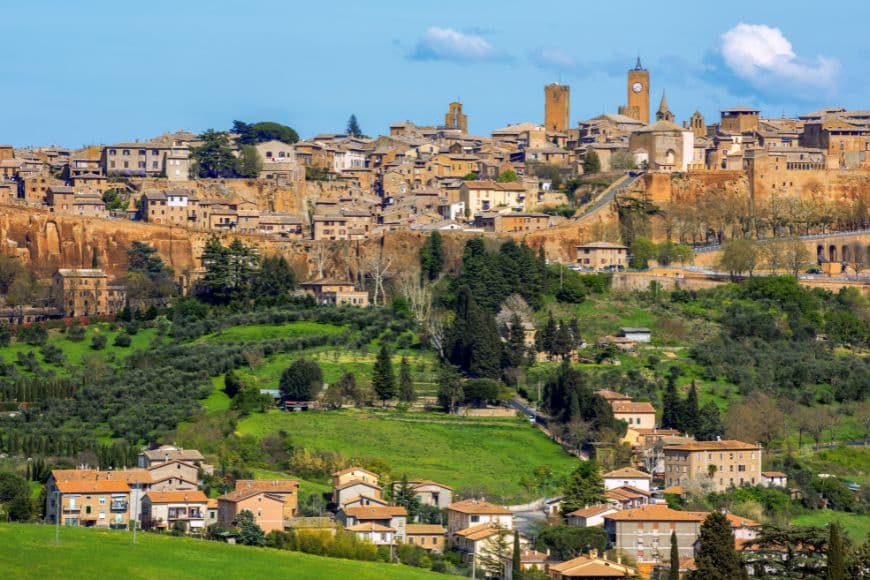
Perched dramatically on a volcanic plateau above the Umbrian countryside, Orvieto is one of those small Italian towns that invites you to slow down from the moment you arrive. Its medieval streets, small piazzas, and traditional restaurants create an atmosphere that’s perfect for exploring without a strict itinerary.
I’d recommend beginning your visit at the magnificent Orvieto Cathedral, famous for its intricate Gothic façade and remarkable frescoes. From there, wander through the historic center, stopping at local shops, quiet courtyards, and viewpoints overlooking the surrounding vineyards and rolling hills.
One of the most interesting experiences is exploring Orvieto Underground, a network of caves and tunnels carved beneath the town over centuries. You can also visit St. Patrick’s Well, an impressive Renaissance structure with a remarkable double-helix staircase.
What makes Orvieto especially appealing for slow travelers is its manageable size. You can enjoy the main attractions without rushing, then spend your evenings sampling Umbrian specialties and local wines. It’s also accessible by train from Rome and Florence, with a funicular connecting the railway station to the upper town.
Ideal stay: 2–3 nights, allowing time for the historic center, local dining, and nearby countryside excursions.
2. Lucca, Tuscany — Cycling, Cafés, and Historic Walls
While Florence and Pisa attract much of Tuscany’s attention, Lucca offers a wonderfully relaxed alternative for travelers who want to experience Italian city life at a gentler pace.
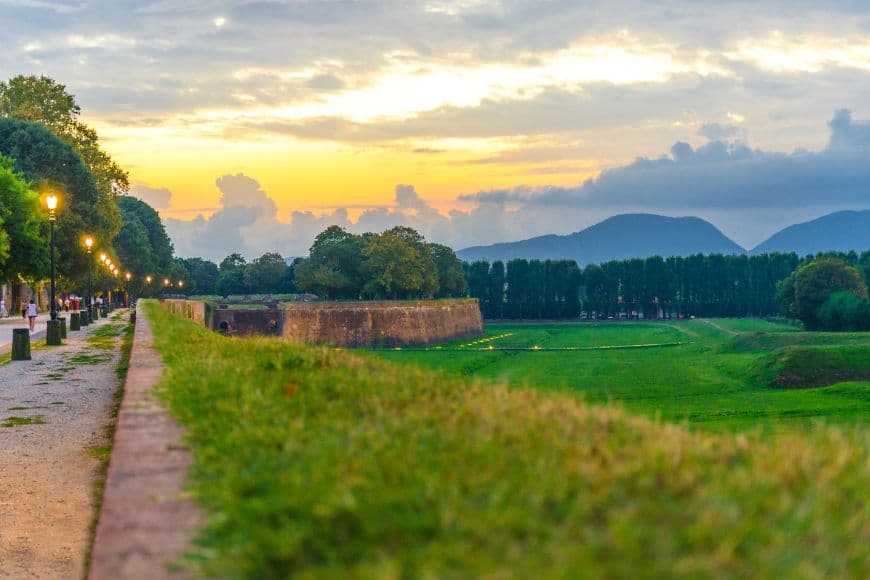
The town is best known for its beautifully preserved Renaissance walls, which have been transformed into a wide, tree-lined promenade. Walking or cycling along these historic fortifications is one of the most enjoyable ways to appreciate Lucca, with views of gardens, rooftops, and the surrounding countryside.
Inside the walls, you’ll discover a maze of narrow streets, elegant churches, independent shops, and inviting cafés. Piazza dell’Anfiteatro, built around the remains of a Roman amphitheater, is particularly charming and makes an excellent place to stop for coffee or a leisurely lunch. I’d also recommend climbing Guinigi Tower, where oak trees grow on the rooftop, offering a distinctive perspective over the city.
Lucca is particularly suitable for slow travel in Italy because you don’t need a car to enjoy its historic center. The compact layout encourages walking, cycling, and discovering small details you might otherwise overlook. You can also take easy train excursions to Pisa or explore the nearby Tuscan countryside.
Ideal stay: 2–4 nights, especially if you want to combine relaxed city exploration with a few nearby excursions.
3. Orta San Giulio, Piedmont — Peaceful Lakeside Escapes
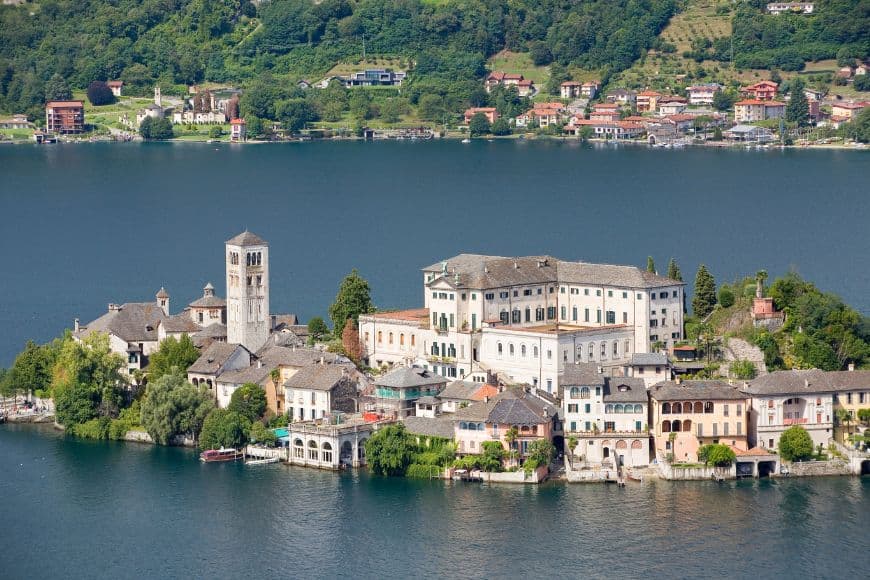
If your idea of a perfect Italian getaway involves quiet lakeside mornings, mountain views, and charming cobblestone streets, Orta San Giulio deserves a place on your itinerary.
Located on the eastern shore of Lake Orta in Piedmont, this small village feels noticeably more intimate than the famous resort towns around Lake Como or Lake Maggiore. Its pastel-colored buildings, narrow lanes, and waterfront cafés create a peaceful setting for a few days of unhurried exploration.
The heart of the village is Piazza Motta, a picturesque square overlooking the lake. From here, you can take a short boat ride to Isola San Giulio, a tiny island known for its historic basilica and tranquil atmosphere.
Another worthwhile experience is walking up to Sacro Monte di Orta, a UNESCO-listed religious complex surrounded by woodland. Its chapels and peaceful pathways offer beautiful views across the lake.
Rather than filling every hour with activities, I’d recommend spending time simply enjoying the waterfront, taking a boat trip, and discovering the village’s quieter corners. Orta San Giulio is also a lovely choice for couples seeking a romantic escape without the bustle of Italy’s more famous lake destinations.
Ideal stay: 2–3 nights, with additional time if you want to explore other villages around Lake Orta.
4. Val d’Orcia, Tuscany — Farm Stays and Rolling Hills
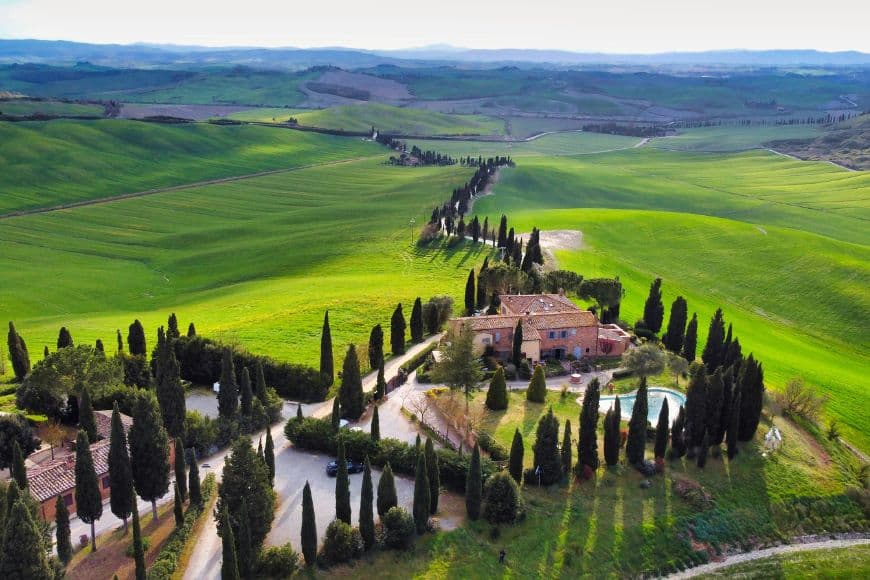
If there’s one place that captures the beauty of the Italian countryside, it’s Val d’Orcia. This UNESCO-listed landscape in southern Tuscany is famous for its rolling hills, cypress-lined roads, vineyards, and medieval villages that seem almost untouched by time.
Unlike destinations where sightseeing revolves around ticking attractions off a list, Val d’Orcia encourages you to enjoy the journey itself. I’d recommend staying in a countryside agriturismo, where you can wake up to peaceful views, enjoy locally produced food, and explore the surrounding villages at your own pace.
Pienza is a wonderful place to begin, with its Renaissance architecture, charming streets, and shops selling the region’s famous pecorino cheese. Nearby, Montepulciano offers historic wine cellars and panoramic viewpoints, while Bagno Vignoni is known for its unusual central square built around a thermal pool.
One of the pleasures of visiting this region is simply driving between villages, stopping for photographs, tasting local wines, and enjoying long lunches overlooking the countryside.
For travelers interested in slow travel in Italy, Val d’Orcia is particularly rewarding because the experience is about the landscape, local traditions, and taking time to appreciate both. A car is the most convenient way to explore, although organized excursions are available from larger Tuscan towns.
If you’re planning a Tuscany road trip, Val d’Orcia is one of the most rewarding regions to explore, especially if you can spend several days discovering its picturesque villages, vineyards, and countryside landscapes.
Ideal stay: 3–5 nights, especially if you want to visit several villages without rushing.
5. Lecce, Puglia — Baroque Beauty and Local Traditions
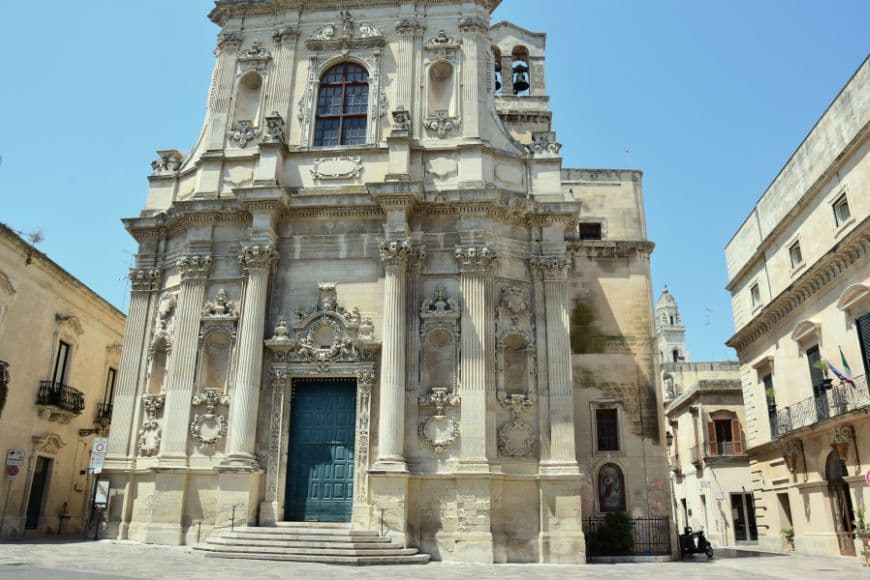
Often called the Florence of the South, Lecce is one of Puglia’s most beautiful cities and an excellent destination for travelers who enjoy architecture, regional cuisine, and the atmosphere of everyday Italian life.
Its historic center is filled with elegant Baroque churches, golden limestone buildings, and narrow streets that are particularly atmospheric in the early morning and evening.
I’d recommend starting at Piazza del Duomo, one of the city’s most impressive squares, before exploring the Basilica di Santa Croce and the nearby Roman amphitheater in Piazza Sant’Oronzo.
But Lecce isn’t a place where you need to spend every hour sightseeing. Part of its appeal is sitting outside a café with a traditional pasticciotto, browsing small artisan workshops, or enjoying a leisurely dinner featuring Salento specialties.
The city also makes a convenient base for discovering southern Puglia. You can visit nearby coastal towns such as Otranto or Gallipoli, although I’d avoid trying to squeeze too many excursions into a short stay.
One advantage of Lecce is that its historic center is highly walkable, and the city has rail connections with other destinations in Puglia. For the most relaxed experience, I’d visit in spring or early autumn, when temperatures are generally more comfortable for exploring.
Ideal stay: 3–4 nights, with extra time if you want to explore the Salento coastline.
6. Ravello, Campania — Gardens and Amalfi Coast Views
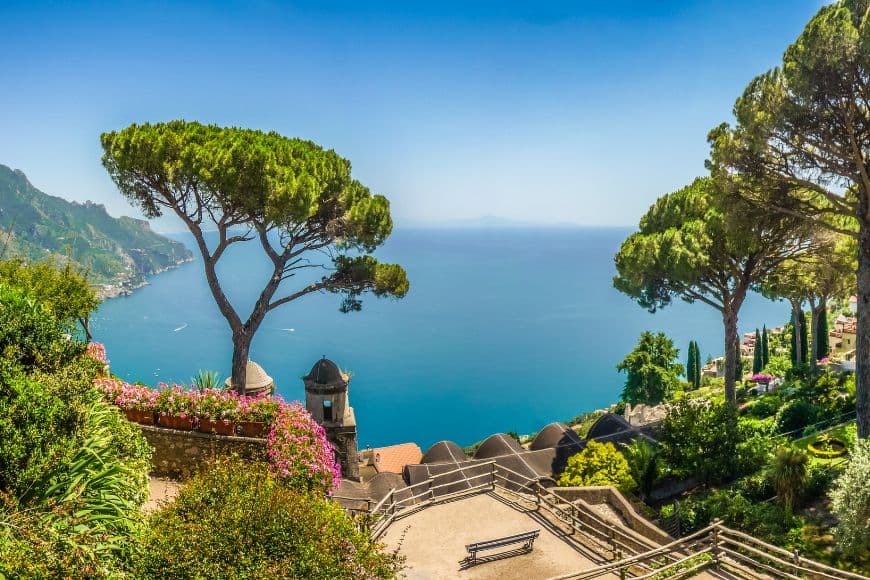
High above the Mediterranean, Ravello offers a different perspective on the Amalfi Coast. While Positano and Amalfi attract visitors to their busy waterfronts, Ravello is known for its peaceful gardens, elegant villas, and spectacular coastal panoramas.
The town’s most famous attractions are Villa Rufolo and Villa Cimbrone. Both are worth visiting for their landscaped gardens and beautiful views, particularly Villa Cimbrone’s Terrace of Infinity, which overlooks the coastline from a dramatic clifftop setting.
I’d recommend exploring Ravello early in the morning, before the day-trip crowds arrive. Wander through its quiet streets, enjoy a coffee in Piazza Duomo, and take time to appreciate the surrounding scenery.
Ravello is also known for its musical heritage, with concerts and cultural events that can add something special to a longer stay. Although it’s quieter than some coastal resorts, Ravello isn’t completely free from tourism. During summer, accommodation can be expensive, and popular attractions still receive plenty of visitors.
For a more peaceful experience, consider visiting in May, early June, September, or October. Keep in mind that Ravello sits above the coast rather than directly beside the sea. Reaching beaches and nearby towns generally requires a bus, taxi, or a combination of transport options.
Ideal stay: 2–3 nights, allowing time for the gardens, scenic walks, and relaxed evenings.
7. Asolo, Veneto — Quiet Streets and Hillside Charm
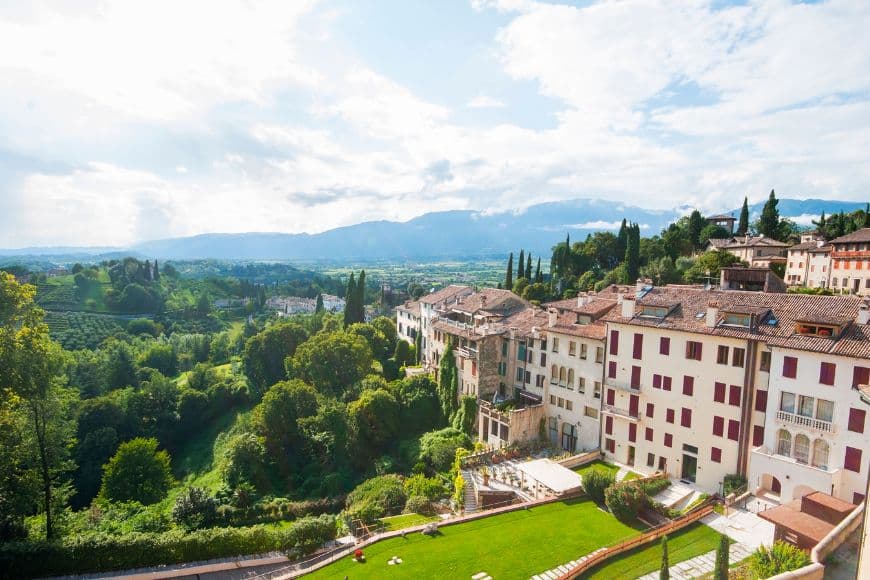
Tucked into the hills of Veneto, Asolo is a small historic town that feels far removed from the crowds of Venice and Verona. Its cobblestone streets, elegant buildings, and surrounding green hills make it a lovely destination for travelers seeking a quieter Italian escape.
Sometimes called the City of a Hundred Horizons, Asolo is known for its panoramic views and artistic heritage. The town has attracted writers, artists, and notable historical figures over the centuries, including the English explorer and writer Freya Stark.
I’d begin with a relaxed walk through the historic center, stopping at Piazza Garibaldi and exploring the narrow lanes around the town’s castle. For beautiful views, you can also walk toward the Rocca di Asolo, a medieval fortress overlooking the surrounding countryside.
Beyond sightseeing, Asolo is a wonderful place to enjoy the slower rhythms of northern Italian life. Spend an afternoon at a traditional café, sample regional dishes, or explore nearby vineyards in the Prosecco-producing hills.
The surrounding countryside offers opportunities for gentle walks and scenic drives, making Asolo a good choice for couples and travelers who prefer small towns over major tourist centers. Although you can reach the area using public transportation, having a car makes exploring nearby villages and rural attractions considerably easier.
Ideal stay: 2–3 nights, particularly if you want to combine the historic town with countryside excursions.
8. Camogli, Liguria — A Relaxed Italian Riviera Experience
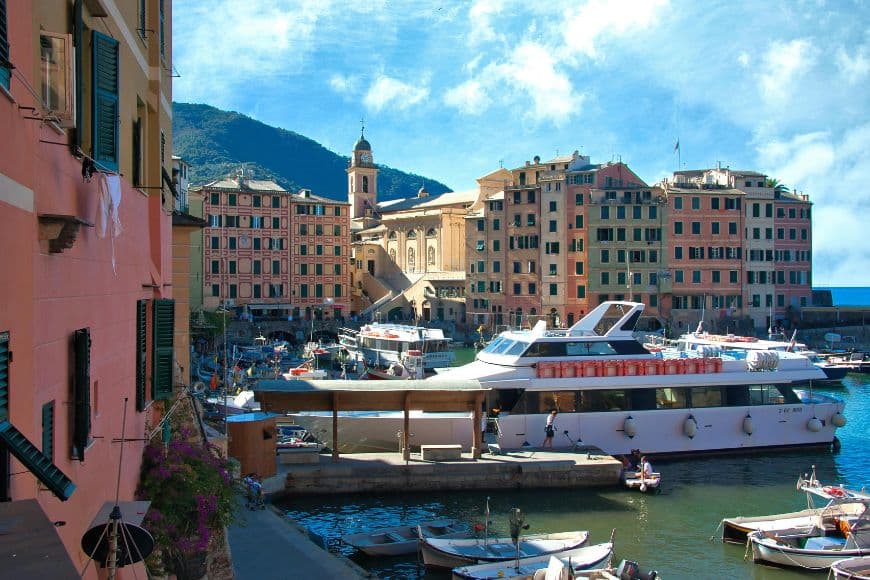
If you love colorful seaside villages but want somewhere that feels a little less hectic than the famous Cinque Terre, Camogli is a wonderful place to consider. Located along the Ligurian coast, this traditional fishing town combines pastel-colored buildings, a picturesque harbor, and a relaxed Mediterranean atmosphere.
One of the best ways to enjoy Camogli is simply to wander along its waterfront, watching fishing boats come and go before settling into a seaside restaurant for a leisurely lunch. I’d recommend trying the local focaccia or a seafood dish while enjoying views of the harbor.
The town also offers beautiful coastal walks. If you’re feeling adventurous, you can follow hiking trails through Portofino Regional Park or take a boat excursion to San Fruttuoso, a secluded bay known for its historic abbey and clear waters.
For a quieter experience, explore Camogli early in the morning or stay overnight, when many day visitors have returned to nearby cities. Camogli is also accessible by train, making it an excellent option for travelers exploring Italy without a car. However, its beach can become busy during summer weekends, so spring and early autumn are particularly appealing.
Ideal stay: 2–3 nights, with additional time for coastal hikes and boat excursions.
9. Castelmezzano, Basilicata — Mountain Villages and Rural Life
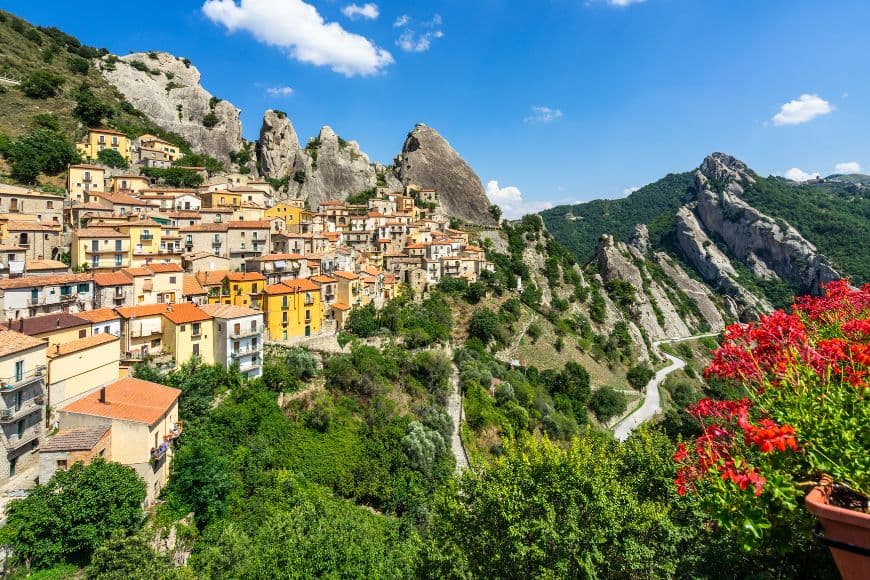
Hidden among the dramatic peaks of the Lucanian Dolomites, Castelmezzano offers a completely different experience from Italy’s famous coastal resorts and historic cities.
This small mountain village is built into a rocky landscape, with stone houses, narrow stairways, and spectacular views of the surrounding mountains. Its peaceful atmosphere and traditional character make it particularly appealing to travelers interested in discovering rural southern Italy.
I’d recommend spending your first afternoon exploring the village on foot, wandering through its winding lanes and stopping at viewpoints overlooking the dramatic rock formations.
If you enjoy hiking, the surrounding area offers scenic trails, including routes connecting Castelmezzano with nearby Pietrapertosa. The region is also famous for the Volo dell’Angelo, an adventurous zipline experience between the two villages, although it’s certainly not essential for a relaxing visit.
For those interested in slow travel in Italy, Castelmezzano provides an opportunity to experience a quieter side of the country, where traditional food, mountain scenery, and small-town life take center stage. Public transportation is limited, so I’d recommend having a car if you want to explore the surrounding villages and countryside.
Ideal stay: 2–3 nights, especially if you enjoy hiking and rural landscapes.
10. Cefalù, Sicily — Coastal Living and Historic Streets
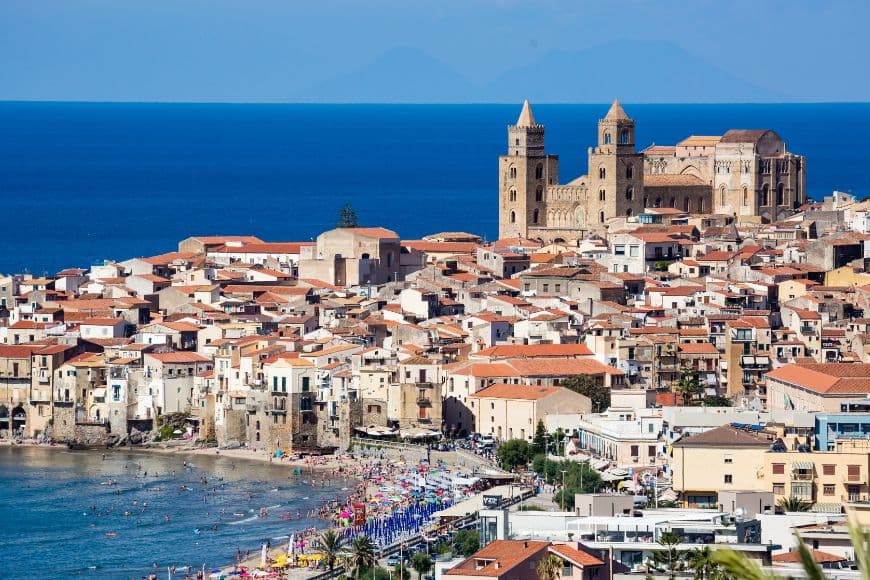
With its sandy beach, medieval streets, and impressive cathedral, Cefalù combines seaside relaxation with some of Sicily‘s most appealing historic scenery. Located on the island’s northern coast, this charming town is dominated by La Rocca, a dramatic rocky hill rising above the rooftops. Below it, the historic center is filled with narrow lanes, traditional restaurants, and small shops selling local products.
I’d recommend beginning your day with a relaxed walk along the waterfront before exploring Cefalù Cathedral, a UNESCO-listed Norman landmark known for its beautiful Byzantine mosaics. Afterward, spend time wandering through the old town, visiting the medieval washhouse, or enjoying a long lunch featuring Sicilian seafood and regional specialties.
If you’re feeling energetic, you can climb La Rocca for panoramic views of the coastline, although the walk is steep and best attempted during cooler hours.
Cefalù is particularly enjoyable outside July and August, when the beach and historic center can become crowded. May, June, September, and early October are often better suited to a slower visit. Another advantage is its rail connection with Palermo, making it possible to enjoy a coastal getaway without renting a car.
Ideal stay: 3–4 nights, allowing time for the beach, historic attractions, and relaxed evenings.
11. Spello, Umbria — Olive Groves and Village Traditions
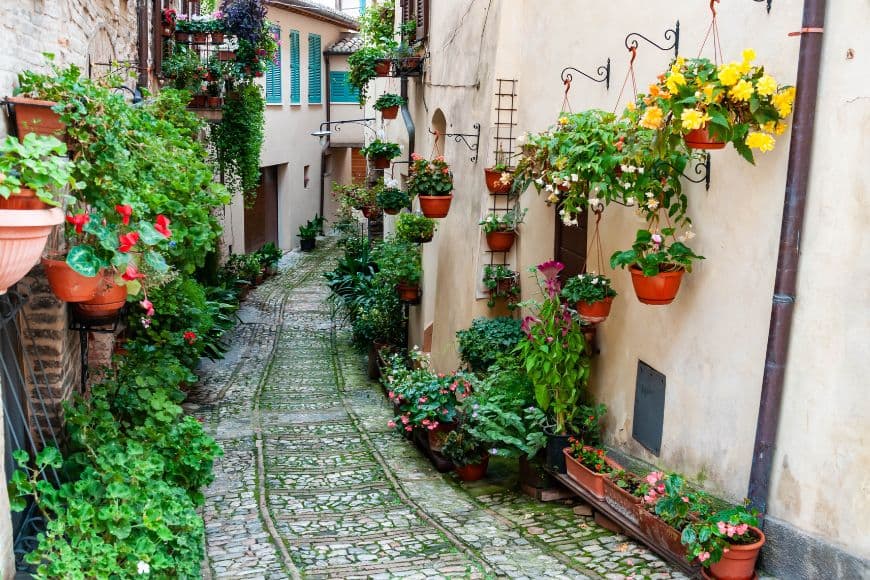
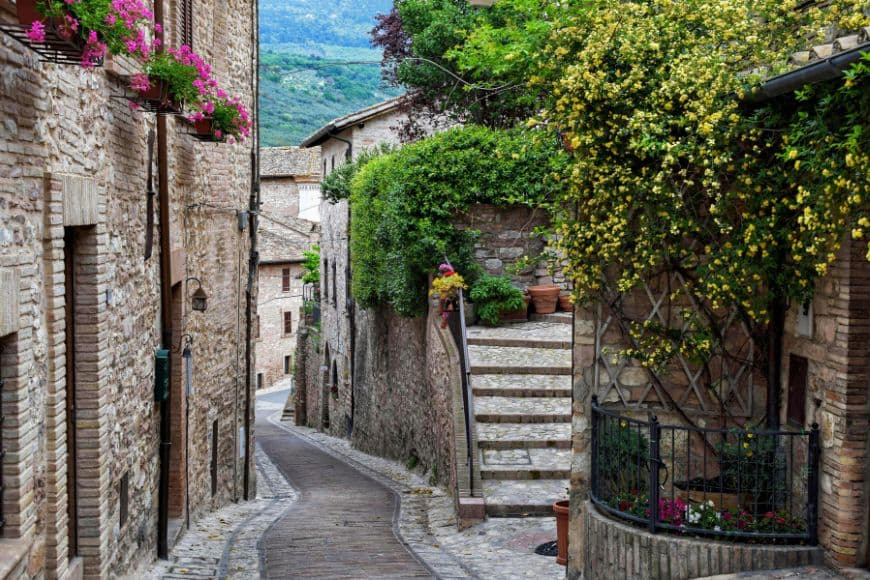
Nestled on the slopes of Mount Subasio, Spello is one of Umbria’s most picturesque hilltop towns. Its stone houses, flower-filled balconies, and narrow medieval streets create an inviting atmosphere for travelers who enjoy exploring small Italian villages at a leisurely pace.
Unlike destinations where you need a long sightseeing checklist, Spello is best appreciated through simple experiences. I’d recommend wandering through the historic center, discovering hidden courtyards, and stopping at local cafés along the way.
One of the town’s cultural highlights is the Baglioni Chapel inside the Church of Santa Maria Maggiore, which contains beautiful Renaissance frescoes by Pinturicchio. Spello is also known for its olive oil production and its annual Infiorata festival, when elaborate floral carpets decorate the streets during the Corpus Christi celebrations. The festival is spectacular, although it also attracts considerable crowds.
For a quieter visit, consider exploring the town outside major events and spending time in the surrounding countryside, where olive groves and gentle walking routes offer beautiful views across the Umbrian landscape.
Spello also has a railway station, making it relatively accessible for travelers exploring Umbria without a car.
Ideal stay: 2–3 nights, particularly if you want to combine village life with countryside walks and regional food experiences.
12. Chioggia, Veneto — Canals, Markets, and Everyday Italian Life
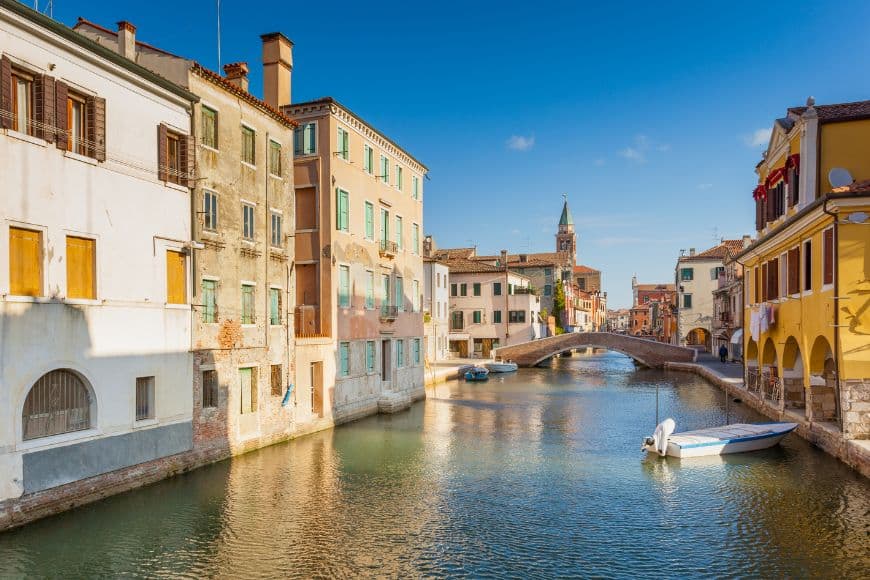
Often nicknamed Little Venice, Chioggia offers a different perspective on life along the Venetian Lagoon. While Venice is famous for its grand palaces and busy tourist attractions, Chioggia retains the atmosphere of a working fishing town, with colorful buildings, lively markets, and canals lined with traditional boats.
One of the pleasures of visiting Chioggia is exploring its historic center without following a strict sightseeing schedule. I’d recommend starting along Corso del Popolo, the town’s main street, before wandering toward the picturesque Canal Vena, where small bridges connect narrow streets and waterfront buildings.
The local fish market is another highlight, offering a glimpse into Chioggia’s maritime traditions. Arriving in the morning gives you the chance to see the market at its liveliest and discover the seafood that features prominently in local cuisine.
For a more relaxing afternoon, head toward nearby Sottomarina, where a long sandy beach provides an opportunity to enjoy the Adriatic coast. You can also explore the lagoon by boat or simply spend time watching fishing vessels along the waterfront.
What makes Chioggia particularly appealing is its balance between historic attractions and everyday Italian life. It’s an excellent destination for travelers who want to experience the Venetian Lagoon without spending every day surrounded by Venice’s busiest crowds.
Although Chioggia attracts summer visitors, particularly around Sottomarina, spring and early autumn are generally more comfortable for leisurely exploration.
Ideal stay: 2–3 nights, with additional time if you want to enjoy the beach and surrounding lagoon.
How to Plan a Slow Travel Itinerary in Italy
Planning a memorable trip doesn’t always mean visiting as many destinations as possible. In fact, one of the biggest advantages of slow travel in Italy is having the freedom to spend more time in fewer places.
Instead of trying to explore five cities in seven days, I’d recommend choosing one region and using one or two destinations as your base. This reduces travel time, makes accommodation planning easier, and allows you to experience places beyond their main attractions.
For example, if you have a week in Tuscany, you could spend three nights in Lucca, enjoying its historic streets, local restaurants, and cycling routes, before heading south for four nights in Val d’Orcia. There, you can explore villages such as Pienza and Montepulciano, visit local wineries, and enjoy the countryside without rushing between attractions.
If you enjoy exploring at your own pace, our guide to the best scenic drives in Tuscany offers inspiration for discovering beautiful countryside roads, charming villages, and panoramic viewpoints along the way.
Another excellent option is spending a full week in Umbria, combining Orvieto with Spello and nearby towns. This approach gives you time to appreciate regional food, local traditions, and the relaxed atmosphere of smaller Italian communities.
I’d also recommend leaving some flexibility in your daily schedule. Rather than booking several activities every day, choose one main experience and allow the rest of the day to unfold naturally.
Consider staying in locally owned guesthouses or agriturismi, shopping at neighborhood markets, and using regional trains whenever practical. Most importantly, remember that a successful slow travel itinerary isn’t measured by how many places you’ve visited. It’s about how much you’ve enjoyed the places you chose.

When Is the Best Time for Slow Travel in Italy?
Choosing the right season can make a big difference to your experience, especially if you’re hoping to avoid crowds and enjoy Italy’s smaller towns at a relaxed pace.
For most destinations, I’d recommend spring (April to June) or early autumn (September to October). These shoulder seasons generally offer pleasant temperatures, fewer visitors than the peak summer months, and excellent opportunities for exploring historic towns and countryside landscapes.
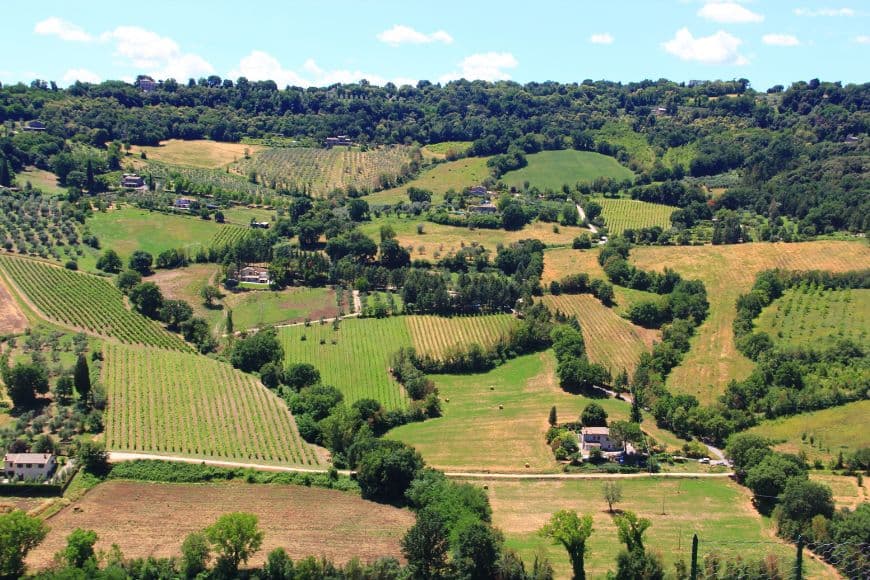
Spring is particularly beautiful in Tuscany and Umbria, when the hills turn green, flowers brighten village streets, and outdoor cafés begin filling with locals. It’s a lovely time for countryside walks, cycling, and visiting places such as Lucca, Orvieto, and Spello.
Autumn offers a different atmosphere. Vineyards change color, olive harvests begin in many regions, and seasonal food becomes an important part of the travel experience. If you enjoy local cuisine and rural traditions, September and October can be especially rewarding.
Summer is still a good option for coastal destinations such as Camogli and Cefalù, particularly if swimming and beach time are priorities. However, July and August bring higher temperatures, larger crowds, and increased accommodation prices in many popular areas.
Winter can also work well for slow travel in Italy, especially in historic cities where you can enjoy museums, traditional restaurants, and quieter streets. Just remember that some smaller coastal towns have reduced services outside the main tourist season.
Ultimately, the best time depends on the type of experience you’re looking for. For a balance of comfortable weather, local atmosphere, and fewer crowds, I’d choose May, late September, or early October.
Exploring Italy Slowly Without a Car
You don’t necessarily need to rent a car to enjoy a slower Italian holiday. In fact, traveling by train can be one of the most relaxing ways to explore the country, particularly when you’re visiting well-connected towns and cities.
Italy’s rail network makes it relatively easy to reach destinations such as Lucca, Orvieto, Cefalù, and Spello. Regional trains often connect smaller communities with larger transport hubs, allowing you to enjoy the scenery without worrying about driving or parking.
I’d recommend choosing accommodation within walking distance of a railway station or historic center whenever possible. This makes it easier to explore on foot, visit local markets, and enjoy restaurants without relying on taxis.
For example, you could spend several nights in Lucca, then take a regional train to Pisa for a day trip. Alternatively, Orvieto makes a convenient base for exploring parts of Umbria, although some rural attractions require additional transportation.
Walking and cycling are also excellent ways to embrace the slower pace. Towns such as Lucca are particularly well suited to exploring by bicycle, while compact historic centers encourage you to discover hidden streets and neighborhood cafés.
However, not every destination is equally accessible. Rural areas such as Val d’Orcia and mountain villages like Castelmezzano are generally easier to explore with a car, especially if you want to visit several smaller communities.
If you’re planning slow travel in Italy without a car, I’d focus on one or two well-connected bases rather than trying to reach remote destinations every day. The goal isn’t to avoid transportation altogether. It’s to spend less time moving between places and more time enjoying them.

FAQs About Slow Travel in Italy
What is slow travel in Italy?
Slow travel in Italy is an approach to exploring the country that focuses on spending more time in fewer destinations rather than rushing between famous attractions. It encourages travelers to experience local culture, enjoy regional cuisine, explore smaller towns, and appreciate everyday Italian life. Instead of visiting several cities in a week, you might spend a few days in one village or region, discovering its traditions and surroundings at a relaxed pace.
Is Italy a good destination for slow travel?
Yes, Italy is one of Europe’s most rewarding destinations for slow travel. Its historic towns, diverse landscapes, regional food traditions, and extensive rail network make it easy to enjoy meaningful experiences without constantly changing locations. Regions such as Tuscany, Umbria, Puglia, and Piedmont are particularly appealing, offering everything from countryside farm stays to peaceful lakeside villages and charming historic centers.
Where is the best place for slow travel in Italy?
The best destination depends on your interests. I’d recommend Val d’Orcia for countryside scenery and agriturismo stays, Lucca for walkable streets and relaxed city life, and Orta San Giulio for a peaceful lakeside escape. If you prefer coastal destinations, Camogli and Cefalù are excellent options, especially outside the busiest summer months. Each offers a different way to experience Italy at a slower pace.
Can you experience slow travel in Italy on a budget?
Absolutely. Slow travel can be surprisingly budget-friendly because staying longer in one destination often reduces transportation costs. Choosing family-run guesthouses, traveling by regional train, shopping at local markets, and eating at traditional trattorias can also help manage expenses. I’d recommend visiting during spring or autumn, when accommodation may be more affordable than during peak summer, particularly in popular coastal areas.
Is slow travel in Italy possible without a car?
Yes, many Italian destinations are suitable for car-free travel. Lucca, Orvieto, Cefalù, and Spello have railway connections, while their historic centers are enjoyable to explore on foot. Regional trains and local buses can also help you reach nearby attractions. However, rural areas such as Val d’Orcia and remote mountain villages like Castelmezzano are generally more convenient with a car.
Final Thoughts: Finding Your Own Pace in Italy
The beauty of slow travel in Italy is that it allows you to experience the country beyond its famous landmarks. Instead of rushing from one attraction to another, you can spend your mornings exploring quiet streets, enjoy leisurely lunches, and discover the small details that make each destination special.
Whether you’re wandering through Orvieto’s medieval lanes, cycling around Lucca’s historic walls, or watching the sunset over Lake Orta, slowing down gives you more time to appreciate the places you visit.
If I were planning a relaxing Italian getaway, I’d choose one region, stay in two or three destinations at most, and leave plenty of room for spontaneous experiences.
You don’t need to see everything in one trip. Sometimes, the most memorable way to discover Italy is simply to stay a little longer and travel a little slower.
About Asia A.
Explore More
-
 Best Day Trips from Rome: 12 Amazing Places to Explore
-
 Is Orvieto Worth Visiting? 7 Reasons to Visit
-
 Small Towns in Italy to Visit: 20 Beautiful Places Worth the Trip
-
 Is Bergamo Worth Visiting? An Honest Traveler’s Opinion

Book Your Tour
Rent Car

💬 We’d love to hear from you!
Have questions, tips, or personal travel stories to share? Drop them in the comments below — your insights help fellow travelers plan their adventures too.