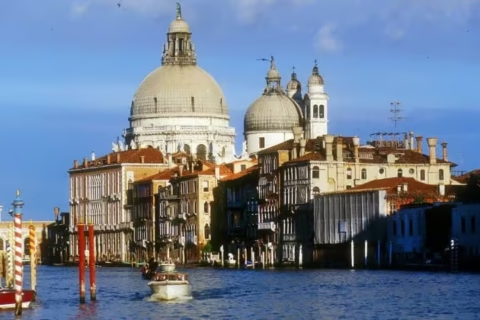
Best Day Trips from Rome: 12 Amazing Places to Explore

by Panther | Last Updated October 18, 2026
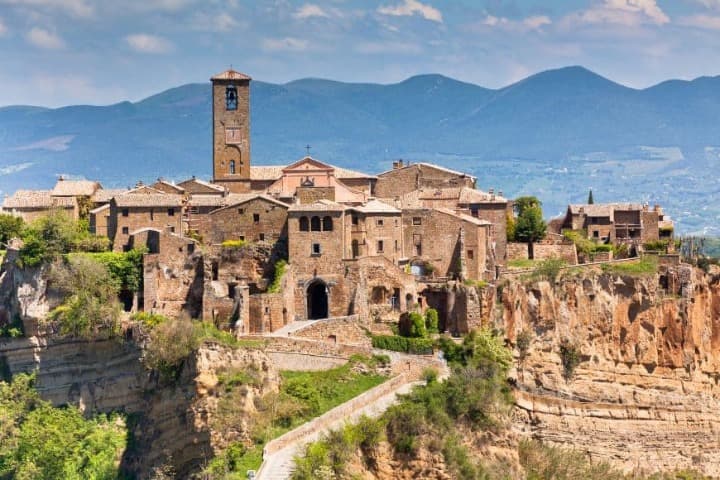
Rome is one of those cities where you could spend an entire week exploring and still feel like you’ve barely scratched the surface. But sometimes, stepping away from the busy streets of the Eternal City is exactly what makes a trip even more memorable. And that’s where the best day trips from Rome come in.
Imagine wandering through the medieval streets of Orvieto, admiring the beautiful fountains of Tivoli, exploring the ancient ruins of Pompeii, or enjoying a leisurely lunch in a charming lakeside town. The wonderful thing about staying in Rome is that you don’t have to travel far to experience a completely different side of Italy.
Whether you love history, picturesque villages, beautiful landscapes, or simply want a change of scenery, there’s a day trip worth taking. Some places are easy to reach by train, while others are better explored by car, giving you plenty of options depending on your travel style.
In this guide, I’ll walk you through 12 of the best day trips from Rome, sharing what makes each destination special, how to get there, and practical tips to help you choose the right adventure for your time in Italy.
Planning Your Rome Day Trips at the Last Minute
Planning your day trips from Rome at the last minute? Here are a few useful resources to organize everything quickly.
- 🚆 Trains & Transport: Compare routes and tickets with Omio.
- 🎟️ Tours & Activities: Find guided excursions and attraction tickets on Viator.
- 🚗 Car Rentals: Explore flexible driving options with DiscoverCars.
- 🏨 Accommodation: Find last-minute stays on Booking.com or Hotels.com.
Planning your Italy vacation?
Try our Italy trip planner to create a smart itinerary between cities with real travel routes and transport options.
Quick Comparison: Best Day Trips from Rome
| Destination | Travel Time (One Way) | Best Transport | Best For |
|---|---|---|---|
| Tivoli | 45–75 minutes | Train + local bus | Gardens and ancient villas |
| Orvieto | 1–1.5 hours | Train | Medieval towns and architecture |
| Ostia Antica | 45–60 minutes | Local train | Ancient Roman history |
| Frascati | 30–45 minutes | Train | Wine and traditional food |
| Castel Gandolfo | 45–75 minutes | Train | Lake views and papal history |
| Naples | 1–1.25 hours | High-speed train | Pizza, history and culture |
| Pompeii | 2–2.5 hours | Train via Naples | Archaeology and ancient ruins |
| Florence | 1.5–2 hours | High-speed train | Renaissance art and architecture |
| Viterbo | 1.5–2.5 hours | Train or car | Medieval history and thermal baths |
| Bracciano | 50–75 minutes | Train | Castles and lakeside scenery |
| Civita di Bagnoregio | 1.5–2 hours | Car | Hilltop villages and photography |
| Sperlonga | 1.5–2 hours | Car | Beaches and coastal scenery |
Times are approximate, depend on the service and departure point, and exclude sightseeing. Public transport to some destinations requires additional connections.
1. Tivoli – Renaissance Gardens and Ancient Roman Villas
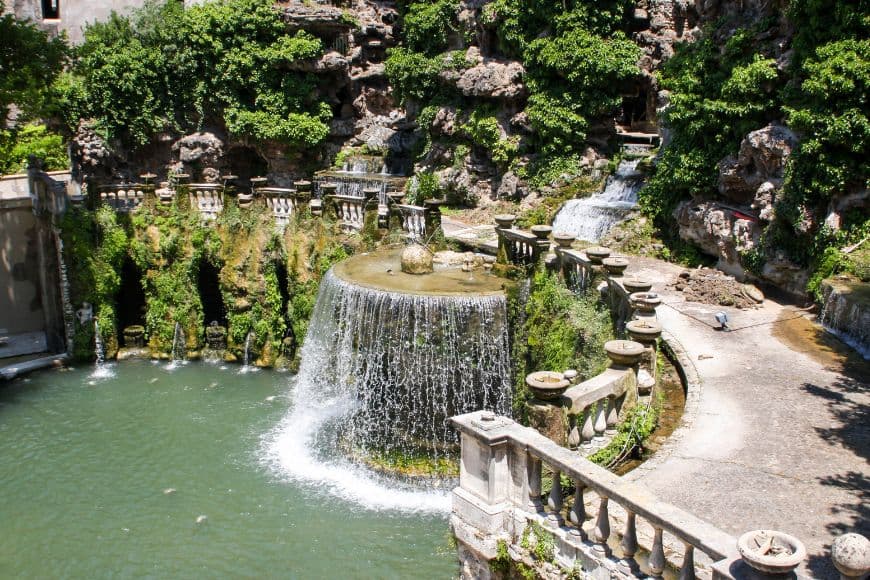
Tivoli is one of the most rewarding day trips from Rome, particularly for travelers interested in beautiful gardens and historic architecture. Located east of the capital, this charming town is home to two extraordinary UNESCO World Heritage Sites: Villa d’Este and Hadrian’s Villa.
Villa d’Este is famous for its Renaissance gardens, elaborate fountains, and impressive water features. Walking through the landscaped terraces feels like stepping into another era, with spectacular views across the surrounding countryside.
Hadrian’s Villa, also known as Villa Adriana, offers a completely different experience. Built as an imperial retreat for Emperor Hadrian, the sprawling archaeological complex includes the remains of palaces, baths, courtyards, and ornamental pools.
How to get there: Take a regional train from Rome to Tivoli or use the bus services departing from the city. Hadrian’s Villa is outside the historic center, so you’ll need additional local transportation.
Is a car necessary? No, although driving can make it easier to visit both villas in one day.
Pro tip: If you only have time for one attraction, choose Villa d’Este for its gardens and fountains. If ancient Roman history is your main interest, prioritize Hadrian’s Villa.
2. Orvieto – A Beautiful Medieval Hilltop Town
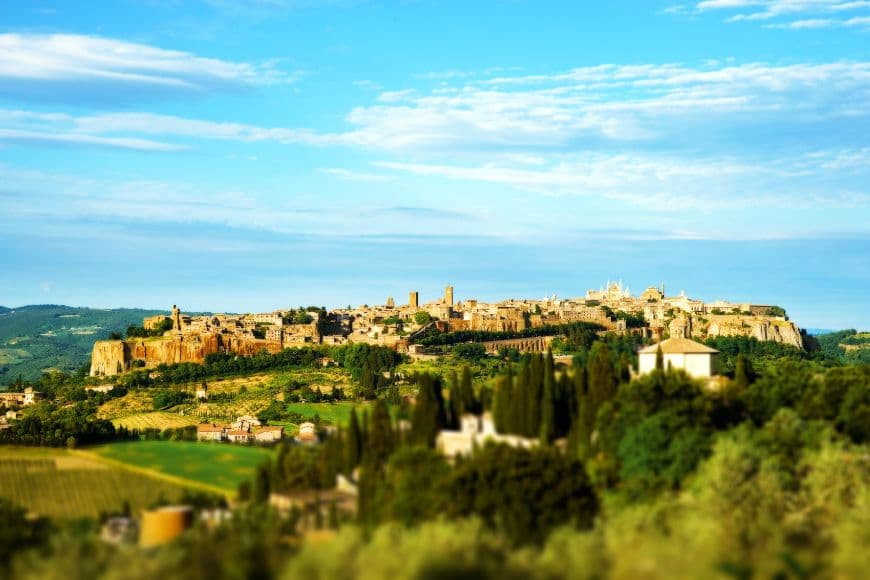
Best for: Medieval architecture, local food, and scenic views
Time needed: Half to full day
If you’re anything like me and love discovering charming Italian towns away from the crowds, Orvieto is definitely worth considering. There’s something special about places where you can wander through narrow cobbled streets, admire centuries-old buildings, and enjoy a leisurely lunch without feeling rushed.
Perched dramatically on a volcanic plateau above the Umbrian countryside, Orvieto offers a completely different atmosphere from Rome. It’s also one of the easiest day trips from Rome by train, which makes it particularly appealing if you don’t want to deal with renting a car or finding parking.
What I find most appealing about Orvieto is the combination of impressive architecture and relaxed small-town charm. The magnificent Orvieto Cathedral, with its intricate Gothic façade and beautiful frescoes, is undoubtedly the main attraction. But I’d also make time for the fascinating underground tunnels, St. Patrick’s Well, and the panoramic views over the surrounding countryside.
My advice is not to rush through Orvieto with a long sightseeing checklist. Leave yourself enough time to explore the historic center, browse the little shops, and stop for a coffee or a traditional Umbrian meal. Sometimes, the most memorable part of visiting a small Italian town is simply enjoying its atmosphere.
If you’re wondering whether to include Orvieto in your itinerary, I’ve put together a separate guide explaining why Orvieto is worth visiting and what makes this Umbrian town such an interesting destination.
How to Get to Orvieto from Rome
- By train: Regional trains from Roma Termini or Roma Tiburtina generally take around 1–1.5 hours, depending on the service. From Orvieto station, take the funicular up to the historic center.
- By car: Approximately 1.5 hours via the A1 motorway, depending on traffic. Park outside the historic center and explore on foot.
- Best option: Train. It’s convenient and avoids parking restrictions.
For anyone looking for historic towns near Rome, Orvieto is one of my favorite recommendations because it combines remarkable architecture, beautiful countryside, and a slower pace of travel without requiring a complicated journey.
3. Ostia Antica – Explore Ancient Rome Without the Crowds
Best for: Ancient Roman history, archaeology, and exploring ruins
Time needed: Half day (3–4 hours)
If you love ancient history but want to escape the crowds around the Colosseum and Roman Forum, Ostia Antica is a destination I’d definitely recommend considering. It’s one of those places that can surprise you with just how much there is to discover, especially if you enjoy exploring archaeological sites at your own pace.
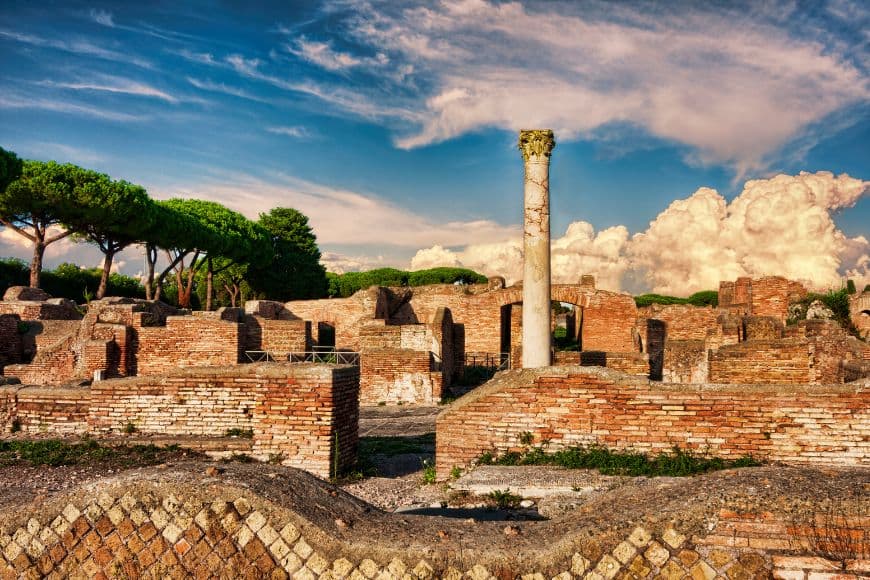
Located near the coast, Ostia Antica was once ancient Rome’s busy port city and an important center of trade and commerce. Today, its remarkably preserved ruins offer a fascinating glimpse into everyday life during the Roman Empire, from bustling marketplaces and public baths to residential buildings and ancient streets.
What I find particularly interesting about Ostia Antica is that you’re not just looking at isolated monuments. You can actually walk along ancient Roman roads, step inside the remains of houses and shops, and imagine what life might have been like nearly 2,000 years ago. For me, that’s what makes it one of the most fascinating places to visit outside Rome.
Among the highlights is the impressive Roman theater, which once welcomed thousands of spectators and remains one of the site’s most recognizable landmarks. You’ll also find beautiful floor mosaics in the Baths of Neptune, ancient temples, and the remains of commercial buildings that reveal how this once-thriving city operated.
My advice is to wear comfortable walking shoes and bring water, especially during the warmer months. The archaeological park is extensive, and you’ll enjoy it much more if you allow yourself time to wander rather than rushing between the main attractions.
If you’re interested in Roman history but don’t have enough time for a longer excursion to Pompeii, Ostia Antica from Rome is an excellent alternative. It’s closer, easier to reach, and offers a rewarding archaeological experience without taking up your entire day.
How to Get to Ostia Antica from Rome
- By train: Take the Metromare railway from Porta San Paolo station, next to Piramide Metro Station, to Ostia Antica. The journey usually takes around 25–30 minutes on the railway, followed by a 10–15-minute walk to the archaeological park. Allow approximately 45–60 minutes overall from central Rome, depending on your starting point.
- By car: Approximately 40–60 minutes, depending on traffic. Parking is available near the archaeological area.
- Best option: Public transport. It’s affordable, straightforward, and avoids Rome’s traffic.
Pro Tip: I’d plan at least three hours inside the archaeological park, even if you’re only visiting the main highlights. If you have extra time, you could combine your visit with a stop at nearby Ostia’s beaches, although that makes for a much longer outing.
4. Frascati – Wine, Local Food, and Charming Streets
Best for: Wine tasting, traditional Italian food, and relaxed sightseeing.
Time needed: Half day (4–5 hours)
If you’re looking for a break from Rome’s busy streets and want to experience a more relaxed side of Italian life, Frascati is a wonderful place to spend a few hours. Located in the beautiful Castelli Romani hills southeast of the capital, this charming town is famous for its white wine, traditional restaurants, and welcoming atmosphere. It’s also one of the best day trips from Rome for travelers who enjoy food, wine, and authentic small-town experiences.
For me, the appeal of Frascati isn’t about rushing between famous monuments. It’s about slowing down, wandering through its historic streets, stopping at a local bakery, and enjoying a leisurely lunch with views of the surrounding countryside. If that sounds like your kind of afternoon, Frascati might be exactly what you’re looking for.
One of the highlights is sampling the town’s famous Frascati DOC wines, often enjoyed alongside local cheeses, cured meats, and freshly baked bread. Traditional fraschette, casual local eateries associated with the Castelli Romani food and wine culture, are especially worth seeking out if you want to experience the area’s culinary traditions.
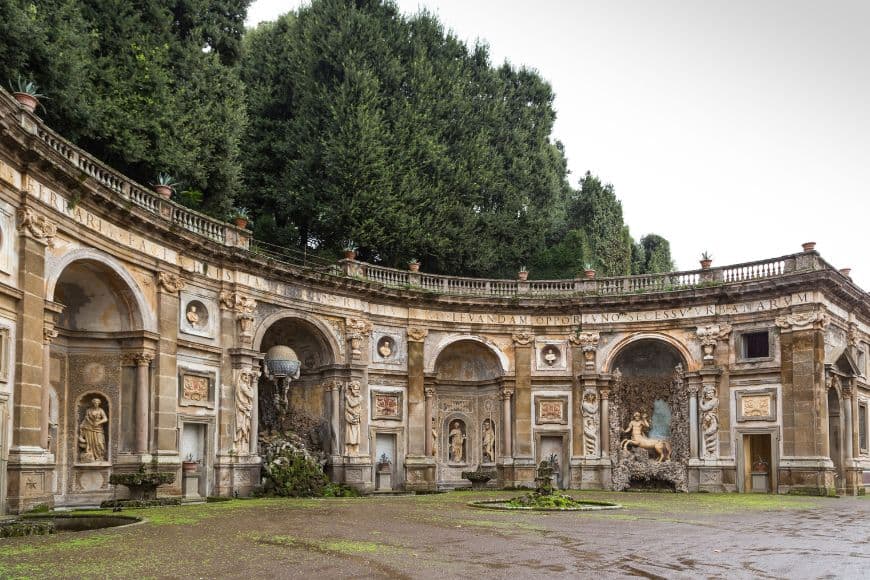
Beyond food and wine, you can explore the historic center, admire the Cathedral of San Pietro Apostolo, and enjoy views across the Roman countryside. The surrounding area is also known for its elegant historic villas, although access to individual properties varies.
I particularly like Frascati as an option for travelers who have already explored Rome’s major attractions and want something different without spending hours traveling. It’s one of the easiest train trips from Rome, making it suitable for a spontaneous half-day escape.
How to Get to Frascati from Rome
- By train: Direct regional trains from Roma Termini generally take around 30 minutes. The station is within walking distance of the historic center, although the walk uphill requires some effort.
- By car: Approximately 35–50 minutes, depending on traffic. Parking can be limited near the historic center.
- Best option: Train. It’s convenient, inexpensive, and particularly practical if you’re planning to enjoy local wine.
If you’re visiting Frascati for the food and wine, I’d recommend arriving before lunch and leaving enough time to enjoy a traditional meal without rushing. It’s one of those destinations where the experience matters more than checking attractions off a list.
5. Castel Gandolfo – Lakeside Views and Papal History
Best for: Lake scenery, historic architecture, and peaceful walks
Time needed: Half to full day
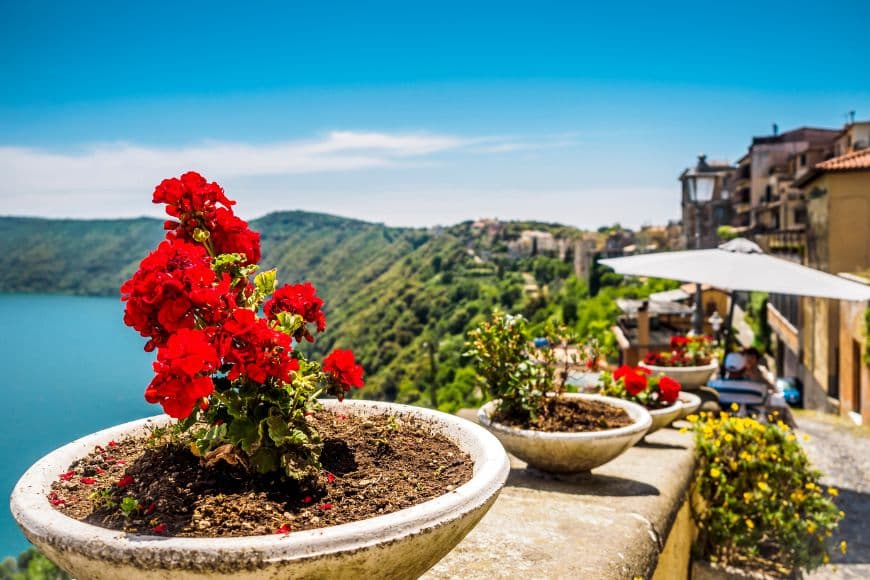
If you enjoy beautiful lakeside scenery and charming Italian towns, Castel Gandolfo is another destination I’d seriously consider adding to your Rome itinerary. Overlooking the sparkling waters of Lake Albano, this picturesque town offers a refreshing change of pace from the capital.
Castel Gandolfo is best known for its connection to the papacy. For centuries, the town served as a summer retreat for popes, and today visitors can explore parts of the Papal Palace and the beautiful gardens associated with the historic papal residence, subject to opening arrangements.
What appeals to me most about Castel Gandolfo is the combination of history and natural beauty. You can wander through the small historic center, admire the elegant Piazza della Libertà, and enjoy sweeping views across the volcanic lake below.
If you’re feeling adventurous, you can also head down toward Lake Albano, where you’ll find waterfront restaurants and opportunities for outdoor activities during the warmer months. Just remember that the lake sits considerably below the town, so walking back uphill can be demanding.
Among the towns near Rome to visit, Castel Gandolfo stands out for its peaceful atmosphere and beautiful setting. It’s particularly appealing if you want a relaxing excursion that combines sightseeing with time outdoors.
I’d suggest taking your time here rather than trying to fit too many activities into a few hours. Enjoy a coffee in the main square, explore the historic streets, and find a viewpoint overlooking the lake. Sometimes, those simple moments are the most memorable part of a trip.
How to Get to Castel Gandolfo from Rome
- By train: Regional trains from Roma Termini generally take around 40–50 minutes. The station is below the historic center, so expect an uphill walk to reach the town.
- By car: Approximately 40–60 minutes, depending on traffic. Driving is useful if you also want to explore Lake Albano or nearby Castelli Romani towns.
- Best option: Train for the historic center; car if you’re planning to explore the surrounding lake area.
If you have a full day available, consider combining Castel Gandolfo with nearby Frascati for a relaxed Castelli Romani excursion. However, I’d recommend checking transportation connections in advance if you’re not driving, as traveling between smaller towns can take longer than expected.
6. Naples – A Lively City Full of History, Culture, and Incredible Food
Best for: Italian food, historic streets, museums, and local culture
Time needed: Full day
If you’re looking for a day trip that feels completely different from Rome, Naples is one of my top recommendations. It’s energetic, colorful, sometimes chaotic, and full of character. From its narrow historic streets to its famous pizza, Naples offers an experience that’s difficult to replicate anywhere else in Italy.
What I find particularly appealing about Naples is how much you can discover simply by walking through the historic center. You don’t need an elaborate itinerary to enjoy the city. Wander along Spaccanapoli, admire the beautiful churches, explore the lively streets around Via dei Tribunali, and stop for an authentic Neapolitan pizza.
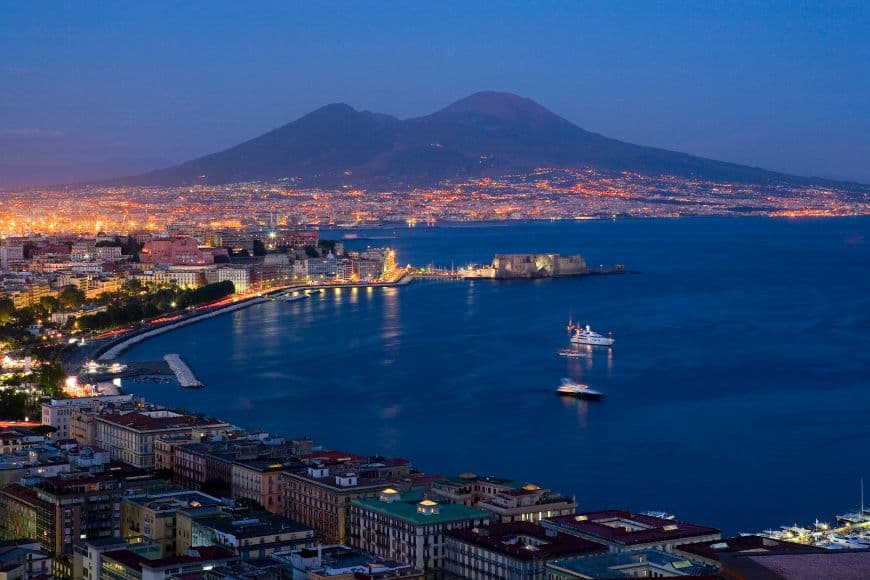
Of course, Naples has much more to offer than food. The city is home to impressive museums, underground passages, historic castles, and beautiful views across the Bay of Naples toward Mount Vesuvius.
If you’re interested in archaeology, the National Archaeological Museum is particularly worthwhile, especially if you’re planning to visit Pompeii during your time in Italy.
For travelers looking for easy day trips from Rome, Naples is surprisingly convenient thanks to Italy’s high-speed rail network. You can reach the city in just over an hour, making it possible to enjoy a full day of sightseeing without renting a car.
My advice is to focus on the historic center rather than trying to see every major attraction. Naples deserves several days, but even a short visit can give you a wonderful introduction to its food, history, and atmosphere.
How to Get to Naples from Rome
- By train: High-speed trains from Roma Termini to Napoli Centrale typically take around 1 hour 10 minutes to 1 hour 20 minutes, depending on the service.
- By car: Approximately 2.5–3 hours via the A1 motorway, depending on traffic.
- Best option: High-speed train. It’s faster and avoids the challenges of driving and parking in Naples.
I’d recommend booking your high-speed train tickets in advance, especially during weekends and holidays. An early departure from Rome gives you more time to explore Naples without feeling rushed.
7. Pompeii – Walk Through an Ancient Roman City
Best for: Archaeology, ancient history, and UNESCO World Heritage Sites
Time needed: Full day
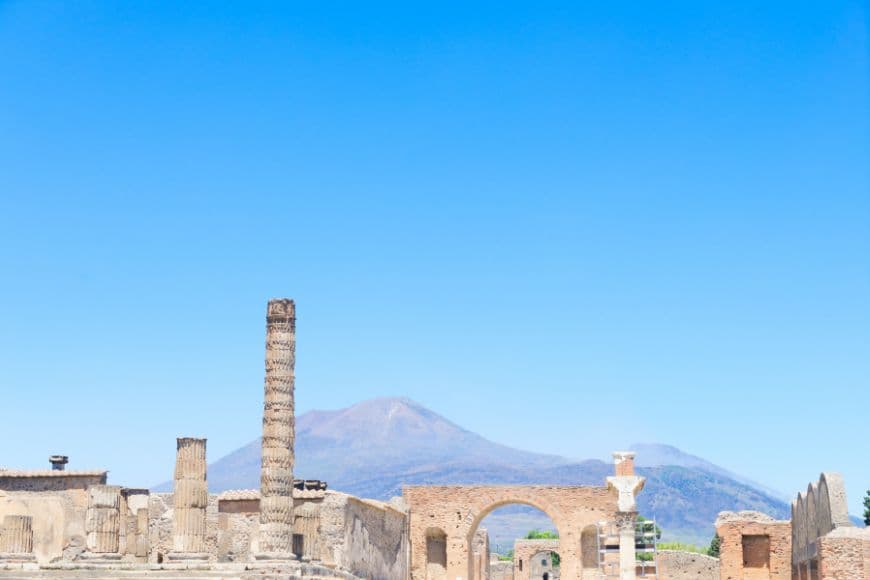
Few archaeological sites in Italy are as fascinating as Pompeii. Buried beneath volcanic ash following the eruption of Mount Vesuvius in AD 79, this ancient Roman city offers an extraordinary glimpse into everyday life nearly 2,000 years ago.
If ancient history interests you, a Rome to Pompeii day trip can be one of the most memorable experiences of your visit to Italy. Walking along the original Roman streets, exploring ancient houses, and seeing remarkably preserved frescoes gives you a sense of how people lived before the eruption.
What fascinates me most about Pompeii is the incredible level of detail preserved throughout the archaeological site. You can explore public baths, temples, shops, theaters, and residential buildings that reveal how this once-thriving city functioned.
Among the highlights are the Forum, the House of the Vettii, the amphitheater, and the famous plaster casts of eruption victims. Some buildings may have restricted access or temporary closures, so it’s worth checking current opening information before visiting.
Pompeii is extensive, and I wouldn’t recommend trying to see everything in just a couple of hours. My advice is to allow at least three to four hours inside the archaeological park and prioritize the areas that interest you most.
If you’re unsure whether the longer journey from Rome is worthwhile, our dedicated article explains whether Pompeii is worth visiting and what you should know before planning your trip.
How to Get to Pompeii from Rome
- By train: Take a high-speed train from Roma Termini to Napoli Centrale, then connect to a local train toward Pompeii. The journey generally takes around 2–2.5 hours one way, depending on connections and the station used.
- By car: Approximately 2.5–3 hours via the A1 motorway, depending on traffic.
- Best option: Train or an organized tour. Both avoid the stress of driving and parking.
Pro Tip: Pompeii can become extremely hot during summer, and shade is limited in many parts of the archaeological site. I’d recommend arriving as early as possible, carrying plenty of water, and wearing comfortable shoes.
8. Florence – Renaissance Art and Beautiful Architecture
Best for: Art, museums, architecture, and Italian culture
Time needed: Full day
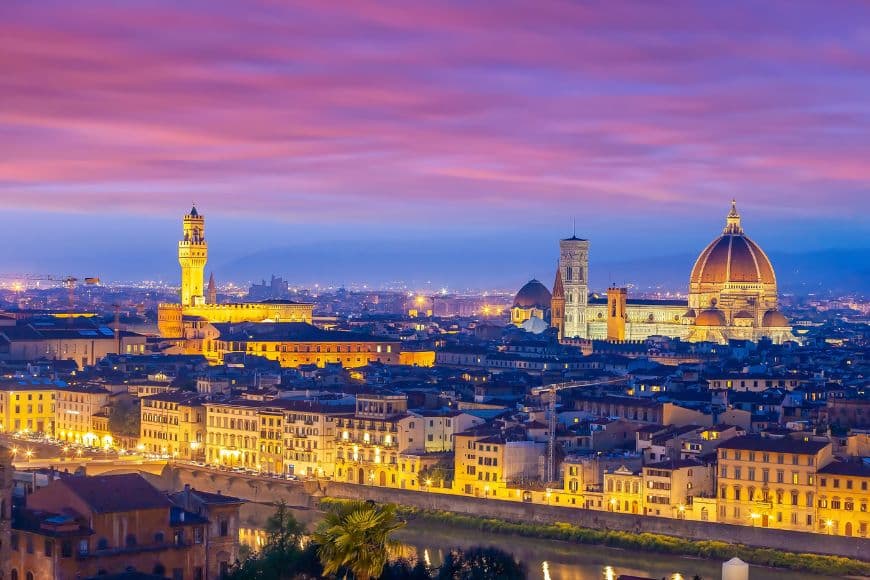
Florence might seem too far away for a day trip from Rome, but Italy’s high-speed trains make it surprisingly accessible. In around 90 minutes, you can leave the capital behind and arrive in the heart of Tuscany, surrounded by Renaissance architecture and some of the world’s most famous artistic masterpieces.
If you’re interested in art and history, a Rome-to-Florence day trip is certainly possible, although I’d personally recommend spending at least two days in Florence if your schedule allows.
What makes Florence special is how much history and beauty are concentrated within its compact historic center. You can admire the magnificent Cathedral of Santa Maria del Fiore, walk across the iconic Ponte Vecchio, and explore Piazza della Signoria, where impressive sculptures and historic buildings create an open-air museum atmosphere.
Art lovers will naturally be drawn to the Uffizi Gallery and Accademia Gallery, home to Michelangelo’s David. However, visiting both museums on a single day trip can leave little time to enjoy the rest of the city.
I recommend choosing one major museum and spending the rest of your time exploring Florence on foot. Stop for a coffee, wander through the historic streets, and enjoy the city’s atmosphere rather than rushing from one attraction to another.
Florence is one of the most rewarding places to visit outside Rome, but it’s also a destination that deserves more time. If you’re planning a longer stay, our Florence Travel Guide can help you organize your visit and discover more of the city.
How to Get to Florence from Rome
- By train: High-speed trains from Roma Termini to Firenze Santa Maria Novella generally take around 1.5 hours. The station is within walking distance of Florence’s historic center.
- By car: Approximately 3–3.5 hours via the A1 motorway, depending on traffic.
- Best option: High-speed train. It’s significantly faster and avoids parking restrictions in Florence.
If Florence is on your itinerary, book major museum tickets in advance. I’d also recommend taking an early train from Rome and returning in the evening to make the most of your day.
9. Viterbo – Medieval Streets and Historic Thermal Baths
Best for: Medieval history, architecture, and relaxing thermal experiences
Time needed: Half to full day
If you enjoy discovering lesser-known Italian destinations, Viterbo is a wonderful alternative to the more famous cities around Rome. Located in northern Lazio, this historic town is known for its remarkably preserved medieval quarter, impressive papal history, and nearby thermal springs.
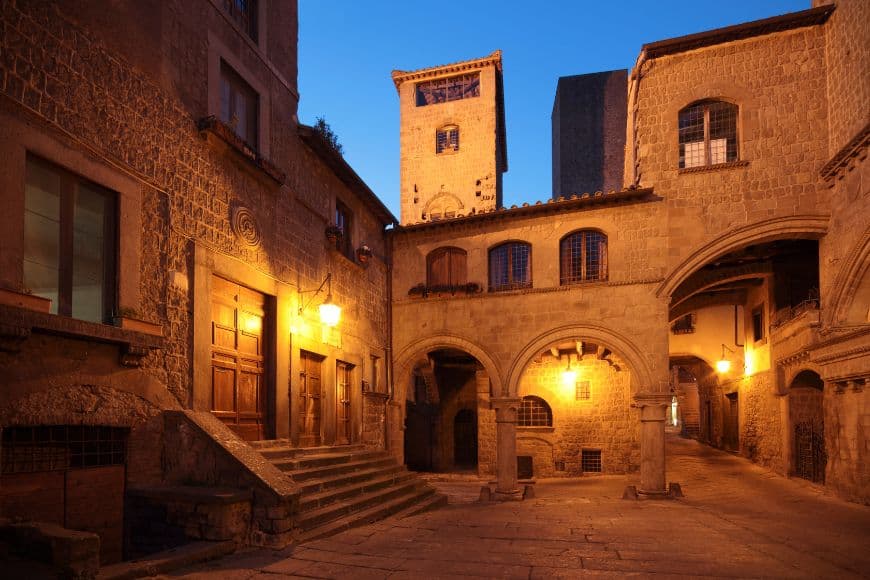
What I like about Viterbo is that it offers the kind of atmosphere many travelers hope to find in smaller Italian towns. Narrow stone streets, historic buildings, quiet squares, and traditional restaurants make it an appealing destination for a relaxed day of exploration.
The highlight is San Pellegrino, one of Italy’s most atmospheric medieval neighborhoods. Walking through its narrow streets, you’ll discover stone archways, ancient towers, and distinctive external staircases that make the area feel almost untouched by time.
Another important attraction is the Palazzo dei Papi, or Papal Palace, which reflects Viterbo’s historical importance during the Middle Ages. The city served as a papal residence during the 13th century and played a significant role in the history of the Catholic Church.
Beyond the historic center, Viterbo is also known for its thermal waters. Several bathing facilities and natural hot springs are located in the surrounding countryside, although reaching them may require a car or taxi.
For travelers searching for medieval villages near Rome, Viterbo offers an interesting combination of architecture, history, and local atmosphere, even though it’s technically a city rather than a village.
I’d recommend spending most of your time exploring the historic center before considering a visit to the thermal baths, especially if you’re relying on public transport.
How to Get to Viterbo from Rome
- By train: Regional rail services generally take around 1.5–2.5 hours, depending on the departure station, route, and connections.
- By car: Approximately 1.5 hours, depending on traffic and your starting point in Rome.
- Best option: Train for the historic center; car if you also want to visit thermal baths or explore the surrounding countryside.
If you’re planning to visit Viterbo’s thermal baths, check opening hours, reservation requirements, and transportation options beforehand. Some facilities are outside the city center and aren’t particularly convenient without a vehicle.
10. Bracciano – A Medieval Castle Overlooking a Beautiful Lake
Best for: Medieval castles, lake views, and relaxed sightseeing
Time needed: Half to full day
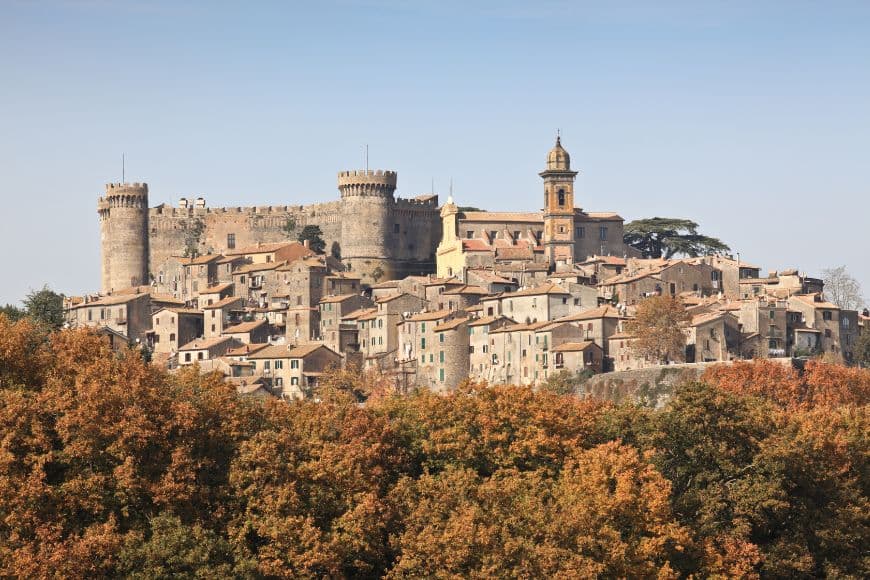
If you enjoy picturesque lakeside towns and impressive medieval architecture, Bracciano is one of those destinations I’d definitely recommend considering. Located northwest of Rome, this charming town overlooks Lake Bracciano, one of the largest volcanic lakes in central Italy.
What appeals to me most about Bracciano is the combination of its magnificent castle, peaceful streets, and beautiful natural surroundings. It’s a destination where you can enjoy a little history in the morning and spend the afternoon relaxing beside the water.
The town’s main attraction is Castello Orsini-Odescalchi, a remarkably well-preserved medieval castle that dominates the historic center. Inside, you’ll discover elegant rooms, historic furnishings, and impressive architectural details that reflect the lives of the noble families who once occupied it.
I’d certainly make time to explore the castle, but I wouldn’t overlook the town itself. Bracciano’s narrow streets, small squares, and panoramic viewpoints are worth discovering at a leisurely pace.
Then there’s the lake. With its clear waters and surrounding green hills, Lake Bracciano offers a refreshing escape from Rome, particularly during the warmer months. You can enjoy a lakeside lunch, take a relaxing walk, or explore the waterfront.
For travelers interested in Rome day trips without a car, Bracciano is an especially attractive option because the historic center is easily accessible by train.
I recommend visiting the castle first, then deciding whether to spend the rest of your time exploring the town or heading down to the lake. Keep in mind that the waterfront is below the historic center, so the return walk involves a climb.
How to Get to Bracciano from Rome
- By train: Regional trains from Roma Ostiense, Roma Trastevere, or Roma San Pietro generally take around 50–75 minutes, depending on the departure station and service. Bracciano station is within walking distance of the historic center.
- By car: Approximately 50–75 minutes, depending on traffic.
- Best option: Train for visiting the castle and historic center; car if you want to explore several places around the lake.
If you’re planning a Lake Bracciano day trip, check the castle’s opening hours before leaving Rome, as private events can affect visits. The nearby lakeside towns of Anguillara Sabazia and Trevignano Romano are also worth considering if you have a car and extra time.
11. Civita di Bagnoregio – Italy’s Extraordinary Hilltop Village
Best for: Medieval villages, photography, and spectacular countryside views
Time needed: Half to full day
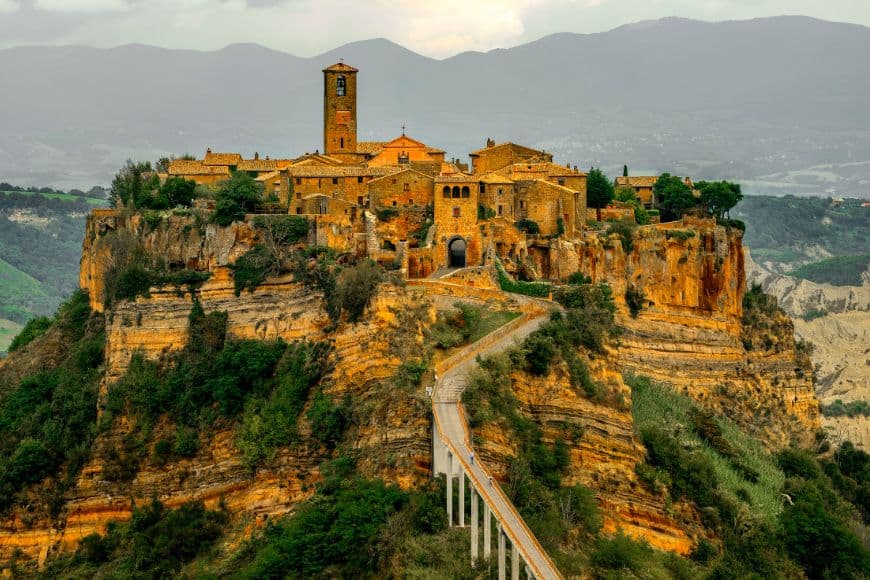
If there’s one place on this list that looks like something from a fairytale, it’s Civita di Bagnoregio. Perched dramatically on a fragile hilltop above the surrounding valleys, this tiny medieval village is connected to the modern town of Bagnoregio by a long pedestrian bridge.
Often called La Città che Muore, or “The Dying City,” Civita has become famous for its extraordinary setting and the erosion that has threatened the settlement for centuries.
What fascinates me most about Civita di Bagnoregio is its almost surreal appearance. As you approach the village, the historic buildings seem to rise directly from the rocky landscape, creating one of the most recognizable views in central Italy.
Once you cross the pedestrian bridge, you’ll find a small collection of narrow stone streets, historic houses, charming squares, and beautiful viewpoints overlooking the surrounding countryside.
I wouldn’t approach Civita with a long sightseeing checklist. The village is small, and much of its appeal comes from wandering through the streets, admiring the architecture, and enjoying the atmosphere.
It’s also one of the most photogenic day trips from Rome by car, particularly if you enjoy discovering unusual destinations beyond Italy’s major cities.
I recommend arriving early, especially on weekends and during the busy summer season. Civita attracts plenty of visitors, and exploring before the busiest hours can make the experience much more enjoyable.
How to Get to Civita di Bagnoregio from Rome
- By car: Approximately 1.5–2 hours, depending on traffic. Park in or near Bagnoregio and continue toward the pedestrian bridge.
- By public transport: Travel by train to Orvieto, then use local bus connections toward Bagnoregio. Services can be limited, making the journey less convenient for a day trip.
- Best option: Car or an organized excursion. Both make reaching the village considerably easier.
Remember that access to Civita involves walking across a pedestrian bridge with a noticeable incline. An entrance fee may also apply, so check current arrangements before visiting.
If you’re driving, consider combining Civita di Bagnoregio with Orvieto for a full day exploring two of central Italy’s most beautiful hilltop destinations. I’d recommend starting early and allowing enough time for both stops rather than rushing through them.
12. Sperlonga – A Beautiful Coastal Escape from Rome
Best for: Beaches, coastal scenery, and charming seaside streets
Time needed: Full day
After exploring ancient ruins, medieval villages, and historic cities, you might be ready for something completely different. That’s where Sperlonga comes in.
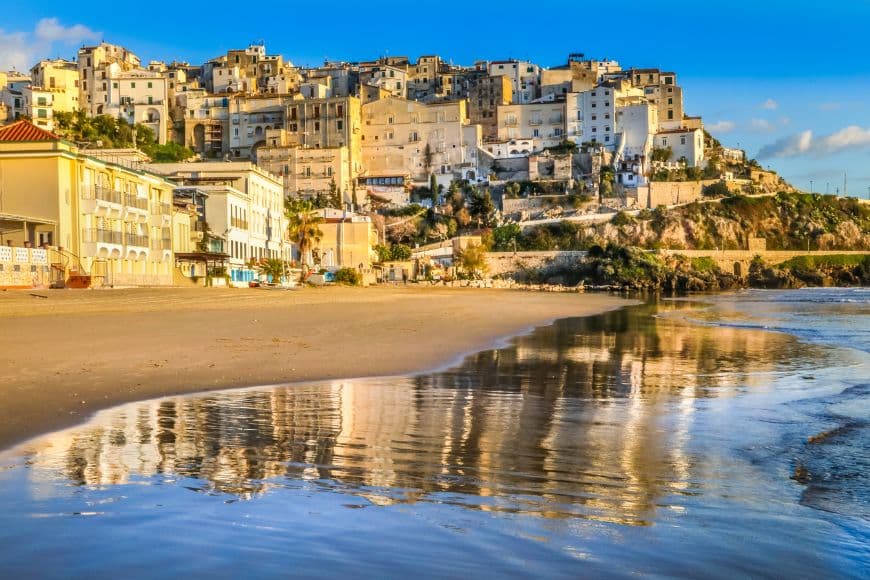
Located along the Lazio coastline between Rome and Naples, Sperlonga is a beautiful seaside town known for its whitewashed buildings, narrow streets, and sandy beaches overlooking the Tyrrhenian Sea.
If you’re visiting Rome during the warmer months and want a break from museums and crowded attractions, Sperlonga is one of the best day trips from Rome for enjoying the Italian coast.
What I find particularly appealing about Sperlonga is that it combines the atmosphere of a traditional Italian seaside village with genuinely beautiful beaches. You can spend the morning exploring its picturesque historic center, stop for lunch overlooking the sea, and enjoy the afternoon relaxing on the sand.
The old town sits on a rocky headland, with narrow stairways, white buildings, and scenic viewpoints that make wandering through its streets a pleasure.
Beyond the beaches, Sperlonga also has an interesting historical attraction: the archaeological area associated with the Villa of Tiberius. Here, you can explore the remains of the Roman emperor’s coastal residence and visit the nearby archaeological museum, known for its impressive ancient sculptures.
My advice is to plan Sperlonga as a relaxed coastal outing rather than trying to fit too many activities into one day. Enjoy the beach, explore the old town, and leave time for a leisurely seafood lunch.
If you’re traveling during July or August, I’d recommend arriving early because the beaches and parking areas can become particularly busy.
How to Get to Sperlonga from Rome
- By train and bus: Take a regional train from Roma Termini to Fondi-Sperlonga, usually around 1–1.25 hours. From the station, continue by local bus or taxi to Sperlonga. Allow extra time for the transfer.
- By car: Approximately 1.5–2 hours, depending on traffic and your route.
- Best option: Car for flexibility, although the train-and-bus combination is possible with some planning.
If you’re considering Sperlonga from Rome during summer, check the return bus schedule before heading to the beach. Connections between the town and Fondi-Sperlonga railway station may be less frequent than expected, particularly outside peak travel periods.
Day Trips from Rome by Train vs. Car: Which Is Better?
One of the first decisions you’ll need to make when planning day trips from Rome is whether to travel by train or rent a car. Fortunately, both options work well, depending on where you want to go and how much flexibility you prefer.
Personally, I’d recommend using trains whenever possible, especially for destinations such as Florence, Naples, Orvieto, and Frascati. Italy’s rail network makes these journeys relatively straightforward, and you won’t have to worry about traffic, parking, or restricted driving zones.
For destinations such as Civita di Bagnoregio or the countryside around Lake Bracciano, however, having a car can make your experience considerably easier.
When to Choose the Train
Taking the train is often the simplest option for day trips from Rome by train, particularly when visiting cities and towns with centrally located railway stations.
I’d recommend trains for:
- Florence and Naples: Fast high-speed connections make both cities accessible in around 90 minutes or less.
- Orvieto and Frascati: Convenient regional services and walkable historic centers.
- Ostia Antica: Easy access using Rome’s local railway network.
- Bracciano: A straightforward regional train journey from several Rome stations.
You can compare train schedules and ticket prices using Trenitalia, Italo, or Omio before your trip.
When Renting a Car Makes More Sense
If you’re interested in exploring smaller villages, scenic countryside, or destinations with limited public transportation, renting a car offers greater freedom.
I’d particularly consider driving for Civita di Bagnoregio, Sperlonga, and itineraries combining several Castelli Romani towns. However, I’d avoid driving into the historic centers of major cities such as Florence and Naples, where traffic restrictions and parking can make the journey unnecessarily complicated.
For more advice about road rules, parking restrictions, and what to expect behind the wheel, take a look at our Driving in Italy guide.
My recommendation: Use trains for individual city excursions and consider renting a car only when your itinerary involves smaller towns or several countryside stops.
How to Choose the Best Day Trip from Rome
With so many interesting destinations nearby, choosing where to go can be surprisingly difficult. My advice is to think about what kind of experience you’d enjoy most rather than simply choosing the most famous destination.
If you’re interested in ancient Roman history, I’d recommend Tivoli, Ostia Antica, or Pompeii. Each offers something different, from imperial villas and ancient streets to remarkably preserved archaeological remains.
For medieval towns and architecture, Orvieto, Viterbo, and Civita di Bagnoregio are wonderful choices. They’re especially appealing if you enjoy wandering through historic streets and discovering quieter corners of Italy.
If food and local culture are your priorities, Naples and Frascati would be high on my list. Naples is perfect for pizza and lively city life, while Frascati offers a more relaxed countryside experience.
For lakes and beautiful scenery, Castel Gandolfo and Bracciano are excellent options. And if you’re dreaming of a day beside the sea, Sperlonga is an attractive choice during the warmer months.
Florence is my recommendation for travelers who love Renaissance art and architecture, although I’d encourage you to stay longer if your itinerary allows.
Ultimately, the best places to visit outside Rome depend on your interests, available time, and preferred travel style. I’d rather enjoy one destination properly than rush through two or three places just to fit more into a single day.
Practical Tips for Planning Your Rome Day Trips
A little preparation can make a big difference when exploring destinations outside the capital. Even relatively short journeys can become stressful if you underestimate travel times or leave important reservations until the last minute.
Here are a few things to keep in mind when planning your Rome day trips.
- Start early: An early departure gives you more time to explore and helps you avoid some of the busiest sightseeing hours, especially in Pompeii and Florence.
- Book popular attractions in advance: Museums, archaeological sites, and guided tours can sell out during peak periods. I’d prioritize reservations for attractions you definitely don’t want to miss.
- Check the complete journey: A train ride might take only an hour, but reaching the station, making connections, and walking to the attraction can add considerable time.
- Consider the season: Summer is wonderful for Sperlonga and the lakes, but archaeological sites can become extremely hot. Spring and autumn are generally more comfortable for sightseeing.
- Watch out for restricted traffic zones: If you’re driving, familiarize yourself with Italy’s ZTL areas and use designated parking outside historic centers.
- Leave some flexibility: Train delays, unexpected closures, and changing weather can affect your plans. I always recommend having a little extra time rather than scheduling every minute.
One final piece of advice: don’t underestimate how tiring a full-day excursion can be, especially after several busy days exploring Rome. Sometimes, choosing a nearby destination such as Frascati or Castel Gandolfo can be just as rewarding as traveling farther.
For me, the secret to enjoying these excursions is simple: choose fewer places, allow more time, and enjoy the journey as much as the destination.
FAQs About Day Trips from Rome
What are the best day trips from Rome?
Some of the best day trips from Rome include Tivoli, Orvieto, Ostia Antica, Florence, Naples, and Pompeii. For medieval villages, I’d recommend Civita di Bagnoregio, while Frascati and Castel Gandolfo are excellent choices for a more relaxed countryside escape.
What are the easiest day trips from Rome by train?
Frascati, Ostia Antica, Orvieto, and Bracciano are among the easiest destinations to reach using public transportation. Naples and Florence are also convenient thanks to high-speed trains, although I’d recommend allowing a full day for either city.
Can you visit Pompeii on a day trip from Rome?
Yes, visiting Pompeii from Rome in one day is possible. The journey typically takes around 2–2.5 hours each way by train via Naples, depending on connections. I’d recommend departing early and allowing at least three to four hours to explore the archaeological site.
Is Florence worth visiting for just one day from Rome?
Yes, Florence is worth visiting for a day if you have limited time. High-speed trains connect Rome and Florence in approximately 1.5 hours. You can explore the historic center, admire the Duomo, and visit one major museum, although staying longer would provide a more complete experience.
Do you need a car for day trips from Rome?
No, you don’t need a car for many popular destinations. Florence, Naples, Orvieto, Frascati, and Ostia Antica are accessible by train. However, renting a car can be helpful for reaching Civita di Bagnoregio, exploring the Castelli Romani countryside, or visiting several smaller towns in one day.
Final Thoughts
Rome is an extraordinary destination, but one of the things I love about planning an Italian itinerary is how easily you can combine famous cities with smaller towns, beautiful landscapes, and completely different experiences.
Whether you’re wandering through the ancient streets of Ostia Antica, enjoying a glass of wine in Frascati, admiring the medieval beauty of Orvieto, or exploring the spectacular ruins of Pompeii, each destination offers another perspective on Italy’s remarkable history and culture.
My advice is to choose the excursions that genuinely interest you rather than trying to visit as many places as possible. Some of the most memorable travel experiences come from slowing down, exploring without a strict schedule, and enjoying the atmosphere of a destination.
And remember, you don’t have to travel far to discover something special. Sometimes, a short train journey from Rome is all it takes.
If you’re still organizing your stay in the Eternal City, take a look at our Full Rome Travel Guide for more practical advice on attractions, transportation, and making the most of your time in the Italian capital.
Explore More
 Is Orvieto Worth Visiting? 7 Reasons to Visit
- Small Towns in Italy to Visit: 20 Beautiful Places Worth the Trip
- Is Bergamo Worth Visiting? An Honest Traveler’s Opinion
- Where to Stay in Bergamo: Best Areas & Hotels for Every Traveler


Book Your Tour
Rent Car

💬 We’d love to hear from you!
Have questions, tips, or personal travel stories to share? Drop them in the comments below — your insights help fellow travelers plan their adventures too.