
Do You Need a Car in Tuscany? When Renting One Makes Sense

by Abu | Last Updated October 11, 2026
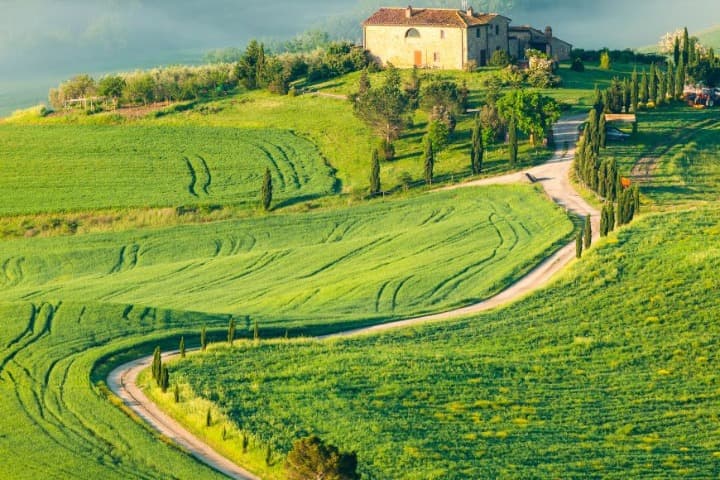
But do you need a car in Tuscany to enjoy everything the region has to offer? Not necessarily. If your itinerary focuses on Florence, Pisa, Lucca, or Siena, I’d actually recommend considering public transport before booking a rental car.
Trains and buses connect many of Tuscany’s major destinations, and avoiding city parking, restricted traffic zones, and unnecessary rental costs can make your trip considerably easier.
The situation changes when you head into the countryside. If you’re dreaming of exploring Val d’Orcia, visiting Pienza and Montepulciano, staying at a rural agriturismo, or stopping whenever a beautiful viewpoint catches your attention, having your own car gives you much more freedom.
For me, that’s the real distinction: Tuscany’s cities are easy to explore without a car, but its countryside is where driving becomes particularly rewarding.
So, do you need a car in Tuscany, or can you enjoy the region using trains and buses? In this guide, I’ll explain when I think renting a car makes sense, when I’d skip it entirely, and how I’d combine driving with public transport to explore Tuscany without unnecessary expenses or complicated logistics.
Planning a road trip?
Use our road trip planner to map your route, optimize travel time, and build your itinerary in minutes.
Do You Need a Car in Tuscany?
No, you don’t need a car in Tuscany if you’re mainly visiting Florence, Pisa, Lucca, or other well-connected towns. Trains and buses make traveling between these destinations relatively straightforward. However, if you want to explore Val d’Orcia, visit smaller hill towns, or stay in the countryside, renting a car is often the more practical choice.
Personally, I wouldn’t recommend renting a car for an entire Tuscany trip unless your itinerary genuinely requires one. Florence is a perfect example. Most of its major attractions are within walking distance, and having a car means dealing with parking costs and restricted traffic zones rather than enjoying the city.
But Tuscany is much more than Florence. Some of the region’s most memorable experiences are found along quiet countryside roads, between vineyards, olive groves, and medieval villages where public transport can be limited or inconvenient. That’s where I’d choose a rental car without much hesitation.
My recommendation is to combine both options whenever possible: explore Tuscany’s larger cities by train or bus, then rent a car for a few days to discover the countryside at your own pace. This way, you get the freedom of a Tuscany road trip without paying for a vehicle that spends half your holiday sitting in a parking garage.
If you’re considering exploring beyond the main cities, check out our Tuscany road trip itinerary for scenic routes, beautiful hill towns, and ideas for planning your journey.
When You Don’t Need a Car in Tuscany
Not every Tuscany itinerary needs a rental car. In fact, if you’re planning to spend most of your time exploring historic cities, famous landmarks, and well-connected towns, I’d recommend using public transport instead. Tuscany has a useful network of trains and regional buses, and choosing the right connections can save you money, parking headaches, and unnecessary driving.
Exploring Florence, Pisa, and Lucca
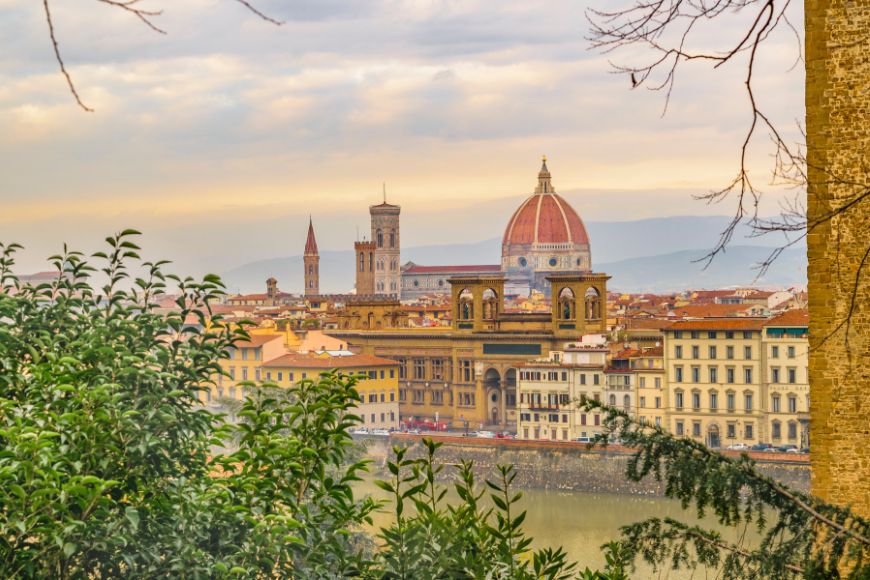
Florence is one of the easiest places in Tuscany to explore without a car. Its historic center is compact and walkable, with attractions such as the Duomo, Uffizi Gallery, Ponte Vecchio, and Piazza della Signoria relatively close together. Driving through the city isn’t particularly useful for sightseeing, especially with its restricted traffic zones (ZTLs) and limited parking options.
Explore our guides to the best attractions in Florence and parking in Florence to plan your sightseeing and avoid unnecessary driving hassles.
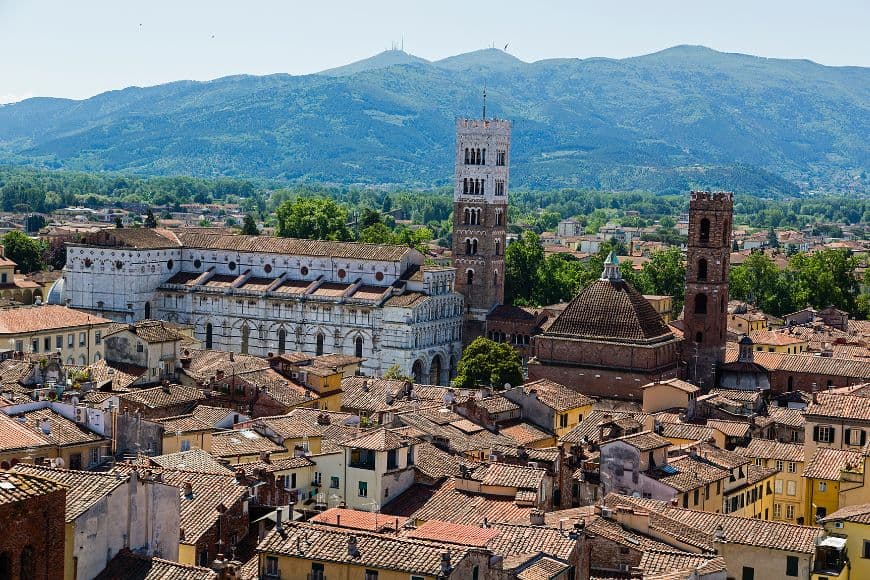
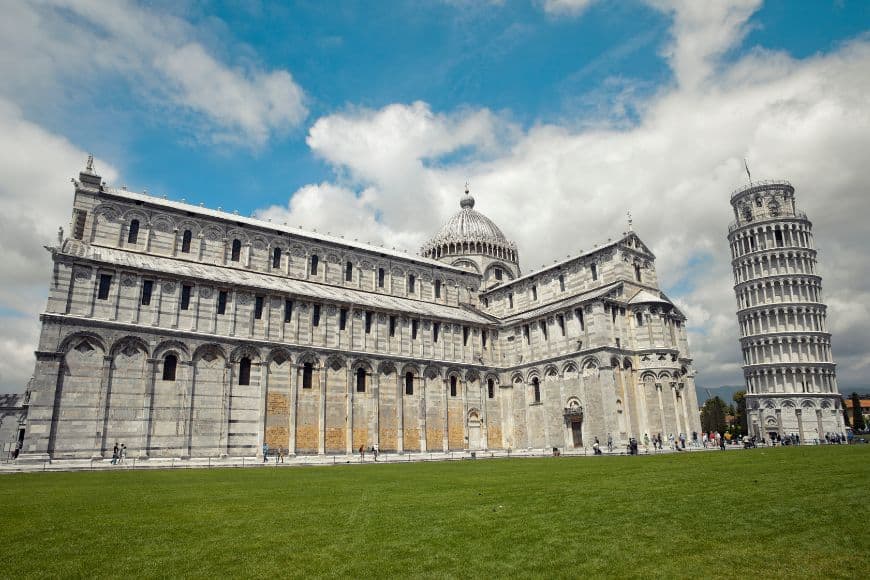
Pisa and Lucca are also excellent destinations for travelers relying on trains. Both have railway connections with Florence, making them convenient choices for day trips or overnight stays. Once you arrive, you can explore their main attractions on foot, although Pisa’s Leaning Tower is a longer walk from Pisa Centrale station.
If these three cities form the backbone of your Tuscany itinerary, I see little reason to rent a car.
Staying in Florence and Taking Day Trips
Using Florence as your base is another practical way to explore Tuscany without driving. You can take the train to Pisa or Lucca, while regional buses provide convenient connections to Siena. San Gimignano is also reachable by public transport, although you’ll generally need to change buses in Poggibonsi.
The main advantage is simplicity. You can enjoy several destinations without changing accommodation, navigating unfamiliar roads, or worrying about where to park. Organized day tours are another option if you’d like to visit multiple towns without arranging every connection yourself.
However, I’d be selective about how much you try to fit into a single day. Public transport works well for visiting individual destinations, but combining several smaller hill towns can become time-consuming. If your plans involve multiple countryside stops rather than one main destination, that’s when I’d start considering a rental car.
Check out our guide to the best day trips from Florence for beautiful Tuscan towns, historic cities, and easy excursions beyond Florence.
When Renting a Car in Tuscany Makes Sense
While Tuscany’s larger cities are relatively easy to explore without driving, the countryside is a different story. If your ideal trip includes scenic roads, vineyards, medieval villages, and spontaneous stops along the way, I’d strongly consider renting a car. Public transport can get you to some smaller towns, but it rarely offers the flexibility needed to explore several countryside destinations in one day.
Exploring Val d’Orcia and the Tuscan Countryside
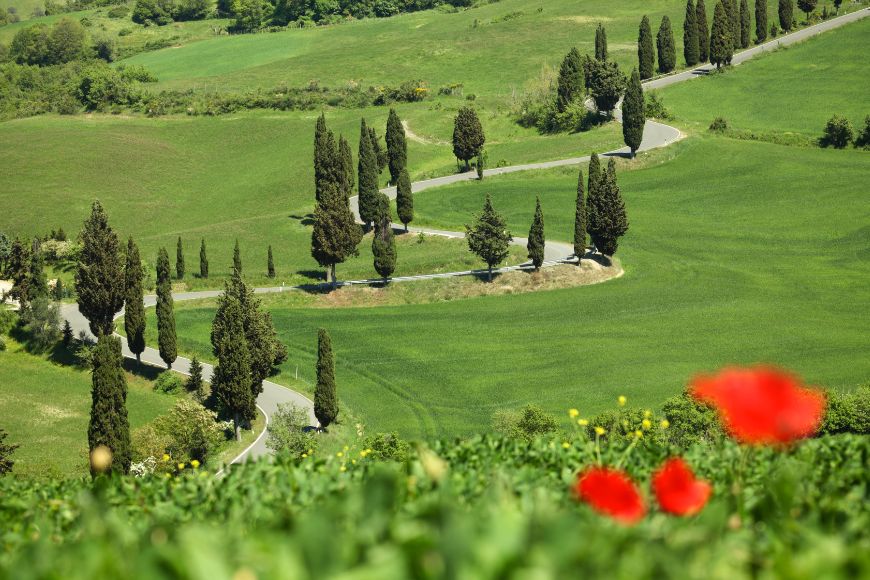
Val d’Orcia is one of the strongest reasons to rent a car in Tuscany. This UNESCO-listed landscape south of Siena is famous for its rolling hills, cypress-lined roads, vineyards, and beautiful towns such as Pienza, Montepulciano, and Montalcino. While some of these destinations have bus connections, traveling between them can involve limited schedules and lengthy waits.
With a car, you can explore at your own pace, stop at scenic viewpoints, and visit smaller villages that would otherwise be difficult to reach. Personally, this is where I’d want the freedom to change my plans whenever an interesting road or beautiful landscape catches my attention.
Visiting Several Tuscan Hill Towns
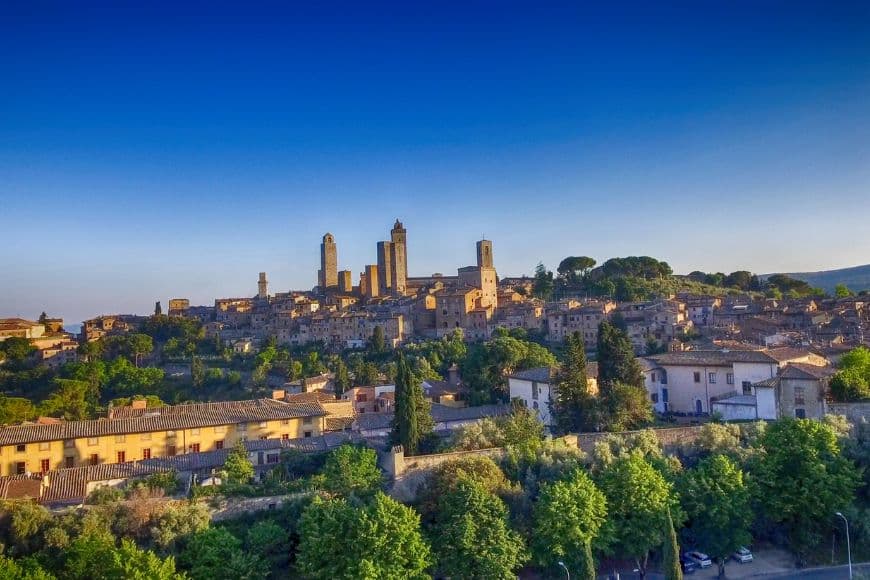
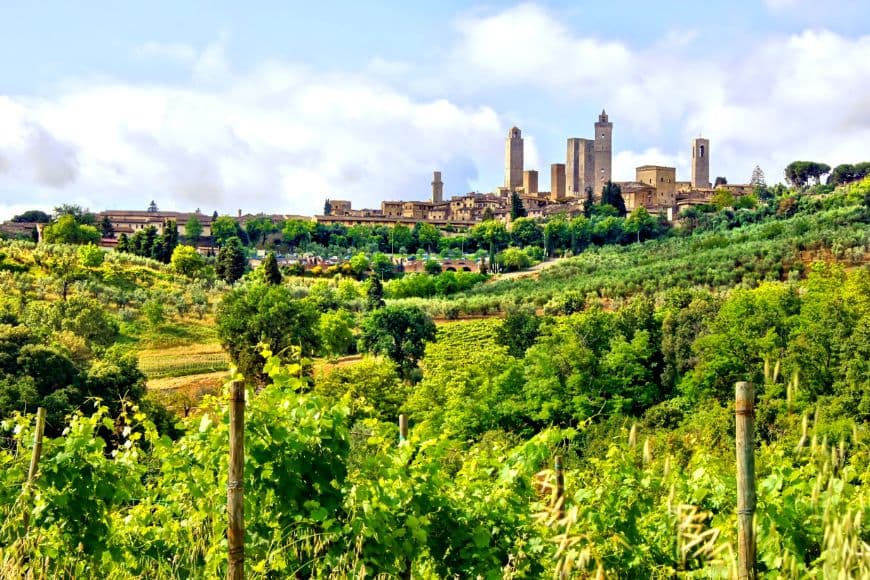
Tuscany has no shortage of charming hill towns, but visiting several in a single trip isn’t always straightforward without a vehicle. Places such as San Gimignano, Volterra, Pienza, and Montepulciano are spread across different parts of the region, and public transport connections aren’t always direct.
If you’re planning to visit just one town from Florence, buses or organized tours may be perfectly adequate. However, if you’d like to combine multiple villages, explore quieter countryside roads, or spend time outside the main tourist routes, renting a car makes much more sense.
I’d particularly recommend this approach for travelers who enjoy flexible itineraries rather than following a strict timetable.
Looking for more charming villages to add to your itinerary? Explore our guide to the best small towns in Italy, featuring 20 beautiful destinations across Tuscany, Umbria, the Italian lakes, Puglia, and beyond.
Staying at a Countryside Agriturismo
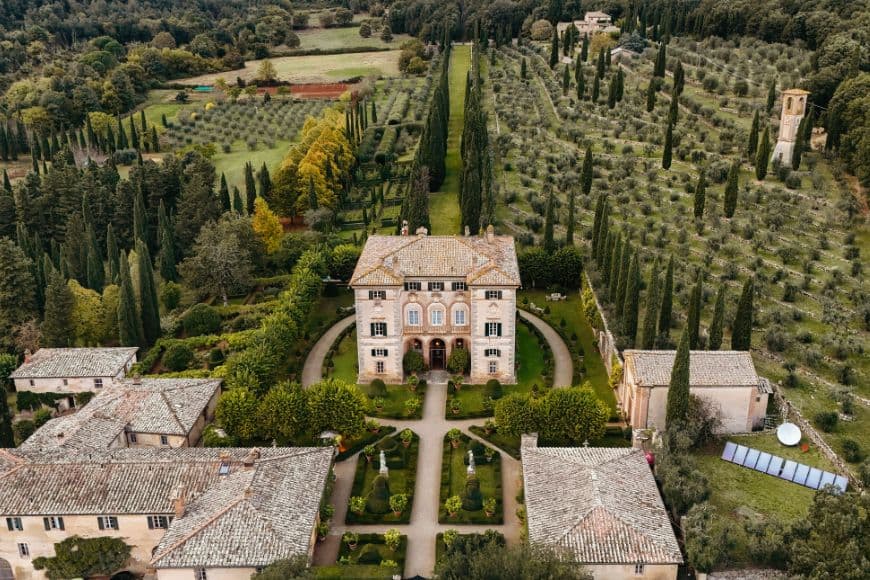
One of the most appealing ways to experience Tuscany is by staying at an agriturismo, a countryside property that often combines accommodation with a working farm, vineyard, or olive grove.
The trade-off is location. Many agriturismi sit outside towns and villages, sometimes several kilometers from the nearest public transport connection. Without a car, even something as simple as going out for dinner or visiting a nearby winery can become complicated.
If you’re planning a countryside stay, I’d check the property’s location and transport options before booking. Unless the accommodation provides transfers or you’re happy to remain on the property, having a rental car is usually the most convenient option.
For this kind of trip, I’d compare rental options through DiscoverCars and collect the vehicle when leaving Florence or another major city, rather than paying for additional days when you won’t need it.


Tuscany by Car vs Public Transport
Choosing between a rental car and public transport in Tuscany really comes down to your itinerary. Trains are generally the easiest option for traveling between major cities, while buses help you reach towns without railway stations. A rental car becomes more useful when you want to explore rural areas, combine several destinations, or travel without depending on fixed schedules.
Here’s how I’d choose between the two for some of Tuscany’s most popular destinations.
| Destination or Travel Plan | My Recommendation |
|---|---|
| Florence city break | Walking and public transport |
| Florence to Pisa | Train |
| Florence to Lucca | Train |
| Florence to Siena | Bus |
| Florence to San Gimignano | Bus or organized tour |
| Val d’Orcia countryside | Rental car |
| Pienza and Montepulciano | Rental car |
| Rural agriturismo stay | Rental car |
| Scenic Tuscany road trip | Rental car |
One thing I’d emphasize is that traveling around Tuscany without a car is entirely possible, but it requires more planning once you leave the main cities. Trains and buses are excellent for point-to-point journeys, especially when you’re visiting one destination at a time.
However, if your itinerary includes several smaller villages, countryside viewpoints, or rural accommodation, having your own vehicle can save considerable time.
For me, the ideal solution is often a combination of both: use public transport for the cities and reserve a rental car for the part of the trip where it genuinely adds value.
If you’re planning to explore Tuscany without renting a car, check out our Train Travel in Italy guide for practical tips on routes, tickets, and traveling between destinations by rail.

Where Should You Rent a Car in Tuscany?
If you’re planning to explore Tuscany by car, choosing where and when to collect your rental can make a noticeable difference to your trip. Personally, I’d avoid picking up a car as soon as I arrive unless I’m heading directly into the countryside. There’s little benefit in paying for a rental while spending several days sightseeing in Florence or another walkable city.
Renting a Car in Florence or Pisa
Florence and Pisa are two practical starting points for a Tuscany road trip, but the better choice depends on your arrival location and itinerary.
If you’re flying into Pisa International Airport and planning to explore the countryside immediately, collecting a rental car at the airport can be convenient. However, if you’re heading straight to Florence, I’d recommend taking public transport first and renting a car later.
Florence is also a good starting point for exploring Chianti, Siena, and Val d’Orcia. You can collect a vehicle from an airport or a suitable rental location outside the historic center, avoiding unnecessary driving through busy streets and restricted traffic zones.
Before booking, I’d compare rental prices, pickup locations, opening hours, and any one-way fees if you plan to return the car somewhere else.
Renting a Car Only for the Countryside
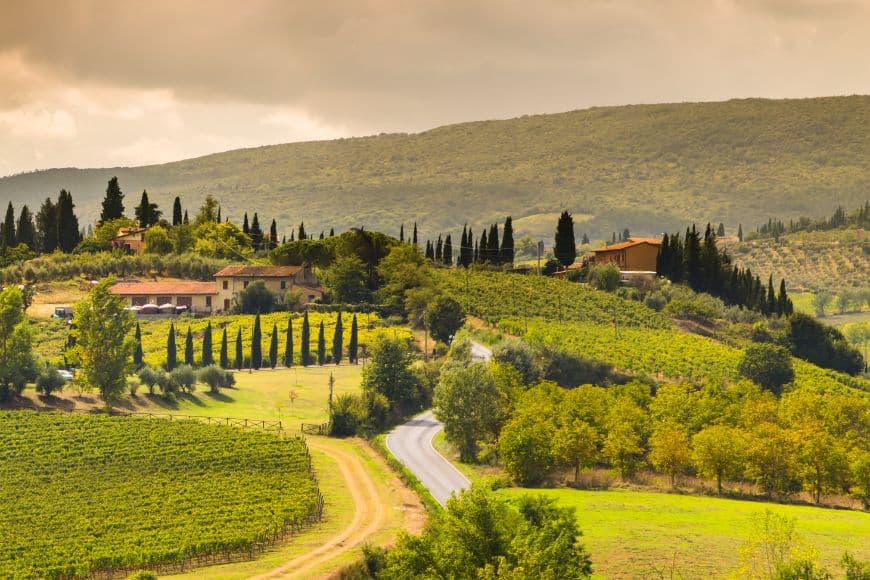
For many travelers, I think the smartest approach is to rent a car for just the countryside portion of a Tuscany itinerary, rather than keeping one throughout the entire trip.
For example, you could spend two days exploring Florence on foot, then collect a rental car for a scenic drive through Tuscany. After visiting the hill towns and countryside, return the vehicle before continuing to another major Italian city by train.
This approach helps reduce rental costs, parking expenses, and the stress of driving in urban areas. It also gives you the freedom to explore rural Tuscany without depending on limited bus connections.
One detail I’d pay attention to is the rental return location. Returning the car to the same office is often simpler, while dropping it off in another city may involve an additional fee. I’d check those conditions before finalizing the itinerary, rather than discovering unexpected charges at the end of the trip.
Driving in Tuscany: What You Should Know
Driving through the Tuscan countryside can be one of the most enjoyable parts of a road trip, but there are a few practical details I’d consider before renting a car. The roads between villages, vineyards, and rolling hills are often scenic and pleasant to drive, while navigating historic town centers can be considerably more complicated. Fortunately, most of these challenges are easy to manage with a little preparation.
ZTLs and Restricted Traffic Zones
Many Tuscan cities and historic towns have Zona a Traffico Limitato (ZTL) areas where unauthorized vehicles are restricted, often monitored by cameras. Florence, Siena, Pisa, and several smaller towns have these zones, and accidentally entering one can result in a fine.
My recommendation is simple: don’t drive into a historic center unless you’re certain your vehicle is authorized. If you’re staying at a hotel within a ZTL, contact the property beforehand to ask about access arrangements. Some accommodations can register guests’ license plates for permitted entry, but you shouldn’t assume this happens automatically.
Parking in Tuscan Hill Towns
Parking is another important consideration, especially when visiting popular destinations such as San Gimignano, Montepulciano, and Pienza. Historic centers are often pedestrianized or have limited vehicle access, so you’ll generally need to park outside the old town and walk to the main attractions.
I’d look for official parking areas before arriving rather than following navigation instructions directly into the center. Some parking facilities are paid, and during busy summer weekends, spaces near popular towns can fill quickly. Arriving earlier in the day usually makes things easier.
Roads and Driving Conditions
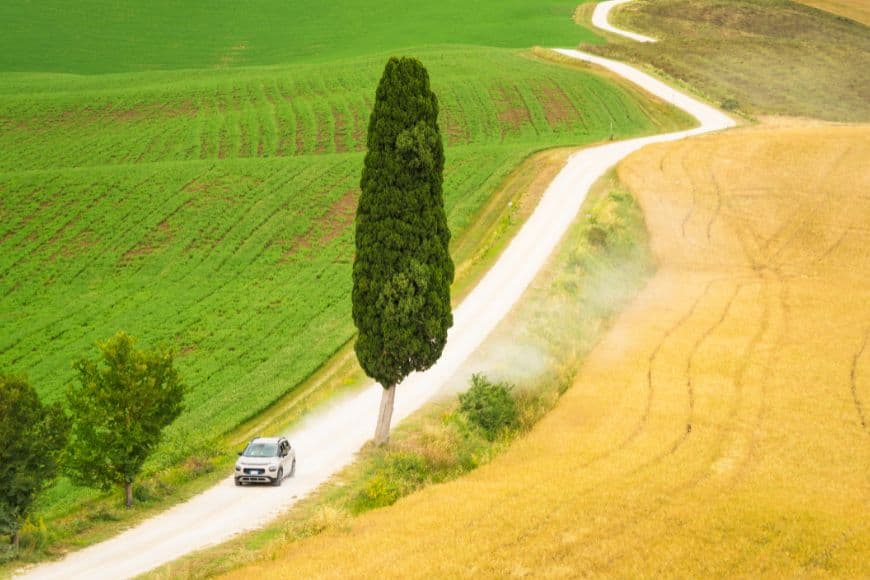
Most main roads connecting Tuscany’s larger destinations are well-maintained, but countryside routes can be narrower, winding, and occasionally steep. You’ll also encounter roundabouts, cyclists, and agricultural vehicles, particularly in rural areas.
I’d allow extra time for scenic drives rather than relying entirely on the estimated journey time shown by navigation apps. Some of Tuscany’s most beautiful roads deserve a slower pace, and you’ll probably want to stop for photographs along the way.
Also, pay attention to unpaved roads, known locally as strade bianche. These are common around rural properties and vineyards, and some rental agreements restrict driving on unpaved surfaces.
Before hitting the road, explore our essential tips for driving in Italy, covering traffic rules, ZTLs, toll roads, parking, and everything you should know before renting a car.
Rental Car Costs and Insurance
When comparing rental cars in Tuscany, I’d look beyond the advertised daily rate. Fuel, parking, tolls, insurance coverage, deposits, and additional-driver fees can all affect the final cost.
Before booking, check the insurance excess, deposit requirements, fuel policy, and whether your rental includes unlimited mileage. I’d also photograph the vehicle at pickup and return to document its condition.
For me, the goal isn’t necessarily to find the cheapest rental, but to choose one with clear conditions and suitable coverage. A slightly higher daily rate can sometimes be worthwhile if it avoids unexpected expenses or inconvenient restrictions later.
For more practical advice, explore our guides on how to rent a car in Italy stress-free and car insurance requirements in Italy, covering rental tips, insurance coverage, hidden fees, and common mistakes to avoid.
How Many Days Should You Rent a Car in Tuscany?
You don’t necessarily need a rental car for your entire Tuscany holiday. In fact, I’d recommend choosing the number of rental days based on the places you want to explore rather than the total length of your trip. If you’re spending several days in Florence before heading into the countryside, renting a car for just two or three days could be enough.
Here’s how I’d plan the rental duration depending on your itinerary.
| Rental Duration | Best For |
|---|---|
| 1 day | A focused countryside excursion from Florence or Siena |
| 2–3 days | Exploring Val d’Orcia, Pienza, Montepulciano, and nearby hill towns |
| 4–5 days | A longer Tuscany road trip through Chianti, Siena, and Val d’Orcia |
| 7 days | A relaxed itinerary covering several rural areas and smaller villages |
Personally, I think two to three days with a rental car is a good starting point for travelers who want to experience Tuscany’s countryside without committing to a full week of driving. It gives you time to explore several beautiful destinations, enjoy scenic routes, and avoid rushing between towns.
Of course, if your entire trip revolves around rural accommodation, wineries, and smaller villages, keeping the car longer may be worthwhile. But if you’re combining Tuscany with Rome, Florence, or other major Italian cities, I’d return the vehicle before continuing by train.
The important thing is to rent a car for the days when it genuinely improves your experience, rather than treating it as a requirement for visiting Tuscany.
If you’re planning a longer journey through Tuscany, explore our Rome to Florence road trip guide for scenic routes, beautiful towns, and worthwhile stops along the way.
Tuscany Car Rental FAQs
Is it worth renting a car in Tuscany?
Yes, renting a car in Tuscany is worth it if you plan to explore the countryside, visit several hill towns, or stay at a rural agriturismo. However, if your itinerary focuses on Florence, Pisa, and Lucca, I’d recommend using public transport instead. A rental car is most valuable when it gives you access to places that are difficult to reach by train or bus.
Can you visit Tuscany without a car?
Absolutely. You can explore many of Tuscany’s most popular destinations without renting a car. Florence, Pisa, and Lucca have convenient railway connections, while buses serve Siena and several smaller towns. I’d recommend staying in a well-connected city and planning day trips around public transport schedules. Exploring remote countryside areas is more challenging, but organized tours can help fill those gaps.
Do you need a car in Florence?
No, you don’t need a car in Florence. The historic center is compact, and most major attractions are within walking distance. Driving also means dealing with restricted traffic zones, parking expenses, and busy streets. Personally, I’d avoid renting a car until you’re ready to leave Florence and explore the Tuscan countryside.
Can you visit Val d’Orcia without a car?
Yes, but exploring Val d’Orcia without a car requires considerably more planning. Some towns, including Pienza and Montepulciano, have regional bus connections, although services can be limited, particularly on weekends. If you want to visit several villages, stop at scenic viewpoints, and explore the countryside freely, I’d strongly recommend renting a car or joining an organized tour.
Is driving in Tuscany difficult for tourists?
Driving in Tuscany is generally manageable, particularly on the main roads and countryside routes. The biggest challenges are narrow village streets, restricted traffic zones, parking, and occasional winding roads. I’d recommend avoiding historic town centers, checking parking locations before arrival, and allowing extra time for rural journeys. With a little preparation, driving can be one of the most enjoyable ways to explore Tuscany.
Continue Planning Your Tuscany Road Trip
Ready to explore more? These practical guides will help you plan your route, prepare for the drive, and choose the right rental car.
- Tuscany Travel Guide — Discover where to go, what to see, and how to plan your visit.
- How to Prepare for an Italy Road Trip — Essential planning tips before hitting the road.
- Best Car for an Italy Road Trip — Find the right vehicle for your route, budget, and travel style.
Final Thoughts: Do You Really Need a Car in Tuscany?
For me, the best way to explore Tuscany is to combine the convenience of public transport with the freedom of a rental car. You don’t need to drive everywhere to enjoy the region, and renting a car for your entire holiday isn’t always the smartest choice.
If you’re visiting Florence, Pisa, Lucca, or Siena, I’d stick with trains and buses whenever practical. But if your plans include Val d’Orcia, scenic countryside roads, medieval hill towns, or a peaceful agriturismo stay, having your own vehicle can make the experience considerably more rewarding.
My advice? Rent a car for the countryside, not the cities. Plan your route carefully, choose the rental days you actually need, and leave enough time to enjoy the journey rather than rushing between destinations.
After all, some of Tuscany’s most memorable moments aren’t necessarily found at famous attractions, but along the beautiful roads connecting them.
About Abu
Explore More
- Parking in Italy for Tourists: Rules, Colors & Tips
- Is It Hard to Drive in Italy as a Tourist? What To Expect
- Best Scenic Drives in Italy: Routes, Tips & Must-See Stops
- Winter Olympics Italy 2026 Travel Guide: Plan Your Trip by Car to Milan & Cortina


Book Your Tour
Rent Car

💬 We’d love to hear from you!
Have questions, tips, or personal travel stories to share? Drop them in the comments below — your insights help fellow travelers plan their adventures too.


