
Where to Stay in Venice: Best Areas & Neighborhoods (First-Timers, Budget, Luxury & Families)

by Katia | Last Updated January 27, 2026

Choosing where to stay in Venice isn’t just about finding a nice hotel — it’s about choosing the kind of Venice you want to experience.
Stay in the wrong area, and Venice can feel overcrowded, exhausting, and confusing. Stay in the right one, and it becomes magical: quiet morning walks along empty canals, easy access to sights without rushing, and evenings that feel local rather than touristy.
That’s because Venice isn’t a single neighborhood. Each area has a completely different rhythm — from the iconic buzz of San Marco to the lived-in calm of Cannaregio, or the scenic romance of Dorsoduro.
In this guide, I’ll walk you through the best areas to stay in Venice, explain who each neighborhood is really for, and share carefully chosen hotel picks inside each area — so you can decide confidently, without overthinking or scrolling through endless listings.
If you’re planning your trip and want the bigger picture — attractions, itineraries, and practical tips — you can also explore our Venice Travel Guide to connect everything smoothly.
Best Areas to Stay in Venice
The best areas to stay in Venice are:
- San Marco – best for first-time visitors and sightseeing
- Dorsoduro – best for romance, views, and a calmer atmosphere
- Cannaregio – best for budget travelers and local life
- Castello – best for quiet stays close to major attractions
- Santa Croce – best for easy arrival with luggage
- Mestre – cheapest place to stay near Venice
Venice is divided into distinct neighborhoods, each offering a very different experience. Some areas put you steps away from iconic landmarks, while others feel residential, relaxed, and far removed from the crowds. Choosing the right neighborhood depends on how long you’re staying, your budget, and the kind of atmosphere you want from your trip.
Below, I break down each area in detail — who it’s best for, the pros and cons, and recommended hotels in every neighborhood to help you choose quickly and confidently.
Best Area for First-Time Visitors: San Marco
Where to Stay in Venice for First-Time Visitors

For first-time visitors, the best area to stay in Venice is San Marco.
It’s the most central part of the city, home to St. Mark’s Square and within walking distance of Venice’s most iconic sights, which makes it the easiest place to base yourself on a first trip.
What it feels like to stay in San Marco
The first time I stayed in San Marco, I understood immediately why so many people choose it — and why others warn you about it.
Early in the morning, before the crowds arrive, the area feels almost unreal. I remember stepping outside just after sunrise, walking across an empty square, and hearing nothing but footsteps and church bells echoing between the buildings. For a moment, Venice felt completely mine.
By late morning, everything changes. Tour groups roll in, the square fills up, and the atmosphere becomes loud and busy. But here’s the trade-off: when you’re staying in San Marco, you can duck back to your hotel whenever you want. No long vaporetto rides, no rushing to “see everything before leaving the area.” That convenience matters more than people realize — especially on a first visit.
Why stay in San Marco
San Marco is the easiest introduction to Venice. Most major landmarks are clustered nearby, and you’ll spend less time navigating transport and more time actually exploring.
It’s particularly good if:
- You’re visiting Venice for 1–2 days
- You want to walk everywhere
- You don’t want to think too much about logistics
Pros of staying in San Marco
- Unbeatable location for sightseeing
- Walkable access to Venice’s main attractions
- Excellent vaporetto connections
- Wide range of hotels, from luxury to simple guesthouses
Cons of staying in San Marco
- Very crowded during the day
- Hotels are among the most expensive in Venice
- Some streets can be noisy at night
Where to Stay in San Marco
- Luxury: Hotel Danieli — historic, dramatic, and one of the most iconic hotel experiences in Venice
- Mid-range: Hotel Saturnia — classic Venetian style, central but slightly calmer than the busiest streets
- Budget: Locanda Casa Petrarca — basic, affordable, and hard to beat for location
Is San Marco right for you?
If this is your first time in Venice and you want the most straightforward, no-stress experience, San Marco is a safe and satisfying choice. Just be prepared for crowds — and plan to enjoy the area early in the morning or late in the evening, when it shows its quieter, more magical side.
If you’d rather trade convenience for atmosphere, the next area — Dorsoduro — might surprise you.
Best Area for Romance & Scenic Venice: Dorsoduro

What it feels like to stay in Dorsoduro
The first time I stayed in Dorsoduro, Venice finally slowed down.
I remember crossing the Accademia Bridge in the late afternoon, leaving the chaos behind almost instantly. The streets felt wider, quieter. Locals were walking dogs, students were sitting along the canals with takeaway pizza, and the air felt calmer — like Venice had exhaled.
In the evening, I walked along the Zattere promenade as the sun dipped behind the Giudecca. No rush. No crowds. Just long views over the water and that soft Venetian light that makes everything feel cinematic. That’s when Dorsoduro really clicks: it’s still undeniably Venice, but without the constant pressure to move, see, tick off.
Why stay in Dorsoduro
Dorsoduro is ideal if you want a more romantic, scenic, and relaxed Venice experience. It’s close enough to the historic center to walk everywhere, yet far enough to feel removed from the busiest tourist zones.
It works especially well if:
- You want quieter evenings
- You enjoy wandering without a plan
- You’re staying more than one night
Pros of staying in Dorsoduro
- Calmer atmosphere than San Marco
- Beautiful canal walks and waterfront views
- Great local restaurants and wine bars
- Easy access to art museums and galleries
Cons of staying in Dorsoduro
- Fewer “big-name” attractions right outside your door
- Slightly longer walks to San Marco (still very manageable)
- Limited late-night nightlife
Where to Stay in Dorsoduro (Hotel Picks)
- Luxury: Ca’ Pisani Hotel — elegant, art-focused, and perfectly matched to the area’s refined feel
- Mid-range: Hotel American-Dinesen — comfortable, stylish, and close to the Zattere promenade
- Budget: Hotel Agli Artisti — simple, good-value option with easy transport access
Is Dorsoduro right for you?
Choose Dorsoduro if you’re visiting Venice as a couple, celebrating something special, or simply want a quieter base with beautiful surroundings. It’s less about ticking off landmarks and more about enjoying Venice at a gentler pace.
If budget and local life matter more than romance, Cannaregio is where Venice starts to feel truly lived-in — and that’s coming next.
Plan Your Trip with Our Favorite Booking Tools
Best Area to Stay in Venice on a Budget: Cannaregio

Best Area to Stay in Venice on a Budget
The best area to stay in Venice on a budget is Cannaregio.
It offers better-value hotels than the historic center, a genuinely local atmosphere, and fewer crowds — all while still being well connected to the rest of the city.
What staying in Cannaregio feels like
Cannaregio feels like Venice with the volume turned down.
In the mornings, the neighborhood wakes up slowly. Locals head to work, bakeries open their doors, and the canals reflect everyday life rather than tour groups. By the evening, small wine bars fill with Venetians chatting over cicchetti, and the streets feel lively without ever becoming overwhelming.
This is one of the few areas where Venice feels lived in rather than staged. You’re not surrounded by souvenir shops, and you don’t feel rushed to move on to the next attraction. It’s the kind of place where you start recognizing the same faces after a day or two — and that alone changes how the city feels.
Why stay in Cannaregio
Cannaregio is ideal if you want to balance price, atmosphere, and authenticity. It’s also one of the best neighborhoods for food, especially if you enjoy casual dining and local bars.
Cannaregio works well if:
- You’re traveling on a budget
- You prefer local neighborhoods over tourist hubs
- You’re staying more than one night

Pros of staying in Cannaregio
- More affordable accommodation than central Venice
- Authentic, residential atmosphere
- Excellent local food and wine bars
- Well connected by vaporetto and on foot
Cons of staying in Cannaregio
- Longer walks to San Marco
- Fewer major landmarks nearby
- Quieter nightlife compared to central areas
Where to Stay in Cannaregio (Hotel Picks)
- Mid-range: Carnival Palace Hotel — modern comfort in a quieter canal-side location
- Budget: Hotel Ariel Silva — simple, affordable, and full of character
- Apartment-style: Combo Venezia — great value for longer stays or social travelers
Is Cannaregio right for you?
If you’re looking for the best budget-friendly area in Venice without sacrificing atmosphere, Cannaregio is hard to beat. It’s especially rewarding for travelers who enjoy food, local life, and evenings that feel relaxed rather than crowded.
If you want something even quieter — but still close to the center — Castello is the next area worth considering.
Best Quiet Area Close to Attractions: Castello

What staying in Castello feels like
Castello feels like Venice easing back into everyday life.
The streets are wider, the pace is slower, and the crowds thin out noticeably once you move away from San Marco. You’ll pass small grocery stores, local cafés, and laundry hanging between buildings — details that quietly remind you people actually live here. It’s peaceful without feeling isolated, and authentic without trying too hard.
Walking back to Castello in the evening is especially telling. As the day-trippers fade away, the neighborhood settles into a calm rhythm. It’s the kind of place where Venice feels stable and grounded, not constantly performing.
Why stay in Castello
Castello is ideal if you want a quiet base while still being close enough to Venice’s main sights. You can walk to San Marco, but you don’t have to deal with the crowds once you’re back home for the night.
Castello works well if:
- You value calm evenings and good sleep
- You want to stay inside Venice without paying peak prices
- You’re visiting for several nights
Pros of staying in Castello
- Peaceful, residential atmosphere
- Less crowded than San Marco and Dorsoduro
- Walkable distance to major attractions
- Better value for money compared to central areas
Cons of staying in Castello
- Fewer dining and nightlife options nearby
- Less “iconic” scenery than San Marco
- Can feel quiet late at night
Where to Stay in Castello (Hotel Picks)

- Luxury: Hotel Metropole — elegant, historic, and surprisingly tranquil
- Mid-range: Hotel Savoia & Jolanda — classic comfort with a central-but-quiet location
- Budget: Hotel Casa Linger — simple, well-located, and good value
Is Castello right for you?
Choose Castello if you want to stay inside Venice but away from the constant movement and noise. It’s a strong option for longer stays, travelers who enjoy walking, and anyone who wants to experience Venice at a more grounded, residential pace.
If arrival logistics matter more than atmosphere — especially with luggage — Santa Croce may be an even better fit.
Get our FREE Italy
Travel Guide
E-Book
This printable guide is your ultimate companion for exploring Italy, with insider tips, detailed itineraries, transportation advice, must-see attractions, and more.

Best Area for Easy Arrival & Transport: Santa Croce
What staying in Santa Croce feels like
Santa Croce is where Venice feels… practical — and that’s not a bad thing.
Arriving here after a long journey was the first time Venice didn’t feel like an obstacle course. No endless bridges with suitcases, no guessing which vaporetto stop was closest, no stress about getting lost before even checking in. I stepped off the transport, walked a short distance, and that was it. For once, arrival was easy.
Once settled, Santa Croce revealed a quieter side. The streets are calm, the canals less dramatic but still unmistakably Venetian, and evenings feel peaceful rather than empty. It’s not the Venice of postcards — it’s the Venice of smooth logistics and low friction.
Why stay in Santa Croce
Santa Croce is ideal if arrival ease matters more than being surrounded by attractions. It’s the only neighborhood in Venice accessible by car and bus, making it a smart choice if you’re arriving late, traveling with heavy luggage, or staying just one night.
Santa Croce works well if:
- You’re arriving by car, bus, or taxi
- You want to avoid dragging luggage over bridges
- You value calm evenings and easy exits
Pros of staying in Santa Croce
- Closest area to Piazzale Roma
- Easy arrival with luggage
- Quiet, residential feel
- Well connected by vaporetto
Cons of staying in Santa Croce
- Fewer major attractions nearby
- Less iconic scenery than central Venice
- Requires transport or longer walks for sightseeing
Where to Stay in Santa Croce
- Luxury: Papadopoli Venezia – MGallery — elegant, comfortable, and perfectly placed for easy arrivals
- Mid-range: Hotel Santa Chiara — modern comfort right at the edge of Venice’s transport hub
- Budget: Albergo Marin — simple, friendly, and excellent value for its location
Is Santa Croce right for you?
If the idea of arriving smoothly — especially after a long trip — matters more than waking up next to landmarks, Santa Croce makes Venice feel far less intimidating. It’s a practical, calm base that quietly removes a lot of friction from the experience.
If budget is the top priority and you don’t mind commuting, Mestre is the next area to consider.
Cheapest Place to Stay Near Venice: Mestre

Cheapest Place to Stay Near Venice
The cheapest place to stay near Venice is Mestre.
Located on the mainland, Mestre offers significantly lower hotel prices than staying on the islands, with fast and frequent train connections to Venice’s historic center.
What staying in Mestre feels like
Staying in Mestre feels like choosing function over fantasy — and sometimes, that’s exactly what you need.
The first time I stayed there, Venice became something I visited rather than something I lived inside. Each morning started with a short train ride, and each evening ended the same way. It was efficient, predictable, and undeniably cheaper — but also very different from waking up to quiet canals or wandering home through empty streets after dinner.
That said, the commute is far easier than many people expect. Trains run constantly, the ride is short, and if you’re tired after a long day of sightseeing, Mestre can actually feel refreshing in a very ordinary way.
Why stay in Mestre
Mestre makes sense if budget is your top priority and you don’t mind separating accommodation from experience. It’s also practical for longer stays, early flights, or trips where Venice is part of a bigger itinerary.
Mestre works well if:
- You’re traveling on a tight budget
- You’re staying several nights
- You’re combining Venice with other destinations
Pros of staying in Mestre
- Much cheaper hotels and hostels
- Modern accommodation with elevators and space
- Excellent transport links to Venice
- Easy access to the mainland
Cons of staying in Mestre
- Not staying in Venice itself
- Daily commute required
- No Venetian atmosphere in the evenings
Where to Stay in Mestre
- Mid-range: Hotel Plaza Venice — extremely convenient, right next to Mestre station
- Budget: a&o Hostel Venezia Mestre — affordable, modern, and social
Is Mestre right for you?
If your priority is saving money and you’re comfortable commuting, Mestre does the job well. But if staying inside Venice is part of the dream — those quiet mornings and late-night walks — you’ll feel the difference immediately.
Next, we’ll cover something just as important as where to stay: where you probably shouldn’t.
Where NOT to Stay in Venice (What Most Guides Don’t Tell You)

Venice is compact on a map, but deceptively difficult on the ground. Many accommodation mistakes don’t look obvious when you’re booking — they only become clear once you’re dragging luggage over bridges, waiting for overcrowded boats, or realizing you’ve added hours of friction to every day.
Here are the most common where-to-stay mistakes in Venice, and how to avoid them.
Hotels Far from Vaporetto Stops
One of the biggest mistakes is choosing a hotel that looks “central” on Google Maps but is actually far from water transport.
In Venice, distance isn’t measured in meters — it’s measured in:
- How many bridges you cross
- How far you walk with luggage
- How close you are to a vaporetto stop
A hotel that’s technically only 10 minutes away can feel exhausting if that walk involves multiple bridges and narrow streets. This matters even more if you plan to:
- Return to your hotel midday
- Stay out late
- Travel with kids or older companions
Rule of thumb: If a hotel is more than a 5–7 minute walk from a vaporetto stop, think twice.
“Cheap” Hotels That Add Hidden Costs
Venice is famous for expensive hotels, which pushes many travelers to book the cheapest option they can find — often without realizing the trade-offs.
Some budget hotels look like a bargain until you factor in:
- Daily vaporetto passes
- Long commutes
- Extra travel time eating into sightseeing
In practice, a cheaper hotel far from everything can end up costing more — not just in money, but in energy and time, which are limited in Venice.
If a hotel’s low price depends on:
- Multiple transport connections
- Long walks after dark
- Complicated routes back
It’s rarely worth it for a short stay.
Plan Your Trip with Our Favorite Booking Tools
Mestre (If You Expect a “Venice” Experience)
Mestre deserves honesty.
It’s not a bad place to stay — but it’s a bad place to stay if you expect to feel like you’re in Venice.
Staying in Mestre means:
- Commuting in and out every day
- Missing early mornings and late evenings in Venice
- Ending your nights outside the historic center
For some trips, that’s fine. But for first-time visitors or short stays, it often leads to disappointment — especially when people realize how different Venice feels before 9 a.m. and after 7 p.m.
If Venice itself is the highlight of your trip, staying on the islands makes a real difference.

Ground-Floor Rooms in Flood-Prone Areas
This is something many guides skip, but it matters — especially in autumn and winter.
Venice experiences acqua alta, and while it’s usually manageable, ground-floor rooms in certain areas can feel damp, dark, or uncomfortable during high tides.
Even when flooding isn’t an issue, ground-floor rooms often mean:
- Less natural light
- More noise
- Reduced privacy
If possible, choose:
- Upper floors
- Hotels with proper flood protection
- Rooms with good ventilation
Hotels That Require Crossing Too Many Bridges
Dragging luggage over bridges sounds manageable — until you actually do it.
Some hotels are located deep inside residential zones with:
- No nearby vaporetto stops
- Multiple bridges between transport and check-in
- Narrow alleys that slow everything down
This isn’t a problem if you’re traveling light and staying long enough to settle in. But for short trips, it adds unnecessary stress right at the start and end of your stay.
If you’re arriving late, leaving early, or carrying more than a backpack, bridge count matters.
Staying “Too Quiet” if It’s Your First Visit
While avoiding crowds is good, going too far in the opposite direction can backfire — especially on a first trip.
Some areas are:
- Very residential
- Almost empty at night
- Limited in dining options
That can feel peaceful, but it can also feel isolating if you’re not prepared for it. First-time visitors often enjoy a balance: lively enough to feel connected, calm enough to rest.
Venice rewards contrast — but only if you understand what you’re choosing.
How to Avoid These Mistakes
Before booking, ask yourself:
- How close is the nearest vaporetto stop?
- How many bridges are between transport and the hotel?
- Will I want to return midday?
- Am I okay commuting every day?
- Does this area match how I imagine Venice feeling at night?
If the answers feel uncertain, keep looking.

Bottom line
In Venice, location matters more than hotel quality. A simple, well-located hotel will almost always give you a better experience than a nicer one in the wrong place.
Choosing where not to stay is just as important as choosing where to stay — and getting this right quietly improves every part of your trip.
Venice Accommodation Tips (How to Choose the Right Place to Stay)
Choosing where to stay in Venice isn’t just about neighborhoods — it’s about understanding how the city actually works. Venice looks small and walkable, but daily movement is shaped by bridges, water transport, crowds, and timing. These practical details quietly influence whether your stay feels smooth or unnecessarily tiring.
Vaporetto access matters more than “central” location

When searching for Venice accommodation, many travelers focus on how close a hotel is to major sights. In reality, being close to a vaporetto stop often matters more.
Vaporetto routes act like floating metro lines, and staying near one makes it far easier to:
- Move between neighborhoods
- Return to your hotel for a break
- Travel comfortably in the evening
Even some of the best neighborhoods to stay in Venice can feel inconvenient if your hotel is buried deep inside the streets without nearby water transport.
Expect stairs — and plan for them
Historic buildings are part of Venice’s charm, but they come with trade-offs. Many Venice hotels don’t have elevators, and staircases can be narrow and steep.
This isn’t usually a problem once you’re settled, but it’s worth considering if:
- You’re carrying large suitcases
- You’re staying on a higher floor
- You prefer easy access in the evenings
More modern properties in areas like Santa Croce or Mestre often offer more space and facilities, while older buildings inside the historic center may prioritize character over comfort.
Ground-floor rooms and acqua alta
When deciding where to stay in Venice Italy, room placement can matter almost as much as location.
Acqua alta — Venice’s seasonal high water — is usually manageable, but ground-floor rooms can feel damp or dark during certain periods, especially in autumn and winter. Even without flooding, lower floors tend to be noisier due to foot traffic and early morning activity.
If you have the option, choosing an upper-floor room usually leads to a brighter, quieter stay.
Walking distance is misleading in Venice
Venice doesn’t work like other cities. A ten-minute walk on Google Maps might involve:
- Multiple bridges
- Crowded alleys
- Frequent stops
This is why the best area to stay in Venice isn’t always the most “central” one. Staying slightly farther out, but with easier transport connections, often saves energy — especially over multiple days.
Staying in Venice vs. staying in Mestre
This question comes up constantly when people ask where to stay near Venice.
Staying on the islands gives you:
- Quieter mornings and evenings
- The chance to see Venice without crowds
- A more immersive atmosphere
Staying in Mestre offers:
- Lower prices
- Larger, modern hotels
- Easy access to trains and the mainland
For short trips or first visits, staying inside Venice usually feels more rewarding. For longer stays or tighter budgets, Mestre can be a practical compromise.
Match your stay to your trip length
How long you’re in Venice should guide your decision.
- One night: Central areas like San Marco or Santa Croce reduce logistics
- Two to three nights: Neighborhoods like Cannaregio, Dorsoduro, or Castello offer a better balance
- Longer stays: Quieter areas or Mestre become more comfortable over time
This is often the difference between a trip that feels rushed and one that feels relaxed.
Bottom line
When choosing where to stay in Venice, think in terms of flow rather than perfection. A well-located hotel in the right neighborhood will quietly make everything easier — from arrivals to evenings — and that’s what turns a good trip into a great one.
Where to Stay in Venice by Travel Style
One of the easiest ways to decide where to stay in Venice is to think about how you plan to experience the city. Venice rewards different travelers in different ways — and choosing the right area upfront saves a lot of second-guessing later.
Best area to stay in Venice with kids
Castello and Santa Croce
If you’re traveling with children, space, calm evenings, and easy movement matter more than postcard views. Castello works well because it’s quieter and more residential, while still being walkable to major sights. Santa Croce is even more practical if you’re arriving with strollers or suitcases — fewer bridges make a real difference.
Families often underestimate how tiring Venice can be for kids. Staying somewhere calmer helps everyone slow down.
Best area to stay in Venice for couples
Dorsoduro or quieter parts of San Marco
For couples, Venice is less about ticking boxes and more about atmosphere. Dorsoduro stands out for its scenic walks, relaxed evenings, and beautiful light along the water. It’s the kind of place where plans naturally loosen — long dinners, slow strolls, no rushing back to a hotel.
Quiet streets just outside the busiest parts of San Marco can also work well if you want central access without the constant noise.
Best area to stay in Venice for first-time visitors
San Marco
For a first visit, San Marco keeps everything simple. You’re close to the city’s most famous landmarks, transport connections are easy, and it’s hard to feel lost. On a short trip, that convenience often matters more than avoiding crowds entirely.
Many first-time visitors later say they’re glad they stayed central — even if they choose a quieter area next time.
Best area to stay in Venice on a budget
Cannaregio or Mestre
If budget is a priority, Cannaregio offers the best balance inside Venice itself. You get better prices, a local atmosphere, and great food without feeling disconnected.
Mestre is cheaper still, but it changes the rhythm of the trip. It works best if saving money outweighs the desire to stay on the islands.
Best area to stay in Venice for one night
San Marco or Santa Croce
With just one night, minimizing logistics is key. San Marco lets you walk almost everywhere, while Santa Croce simplifies arrival and departure. Both reduce stress when time is limited.
Best area to stay in Venice for a luxury trip
San Marco or Dorsoduro
Luxury in Venice is often about setting rather than size. Historic buildings, canal views, and refined details define the experience. San Marco delivers classic grandeur, while Dorsoduro offers a more understated, elegant version of luxury with space to breathe.
Bottom Line
There’s no single best place to stay in Venice — only the best place for your trip. Matching your accommodation to your travel style often matters more than choosing the “top-rated” hotel.
Plan Your Trip with Our Favorite Booking Tools
Best Hotels in Venice
After choosing where to stay in Venice, the next question is usually the same for everyone: which hotel actually makes sense.
Instead of long descriptions or endless lists, this is a short, carefully curated selection — places that are well-located, consistently reliable, and suited to different budgets. Think of this as a starting point, not a final decision.
Best Luxury Hotels in Venice
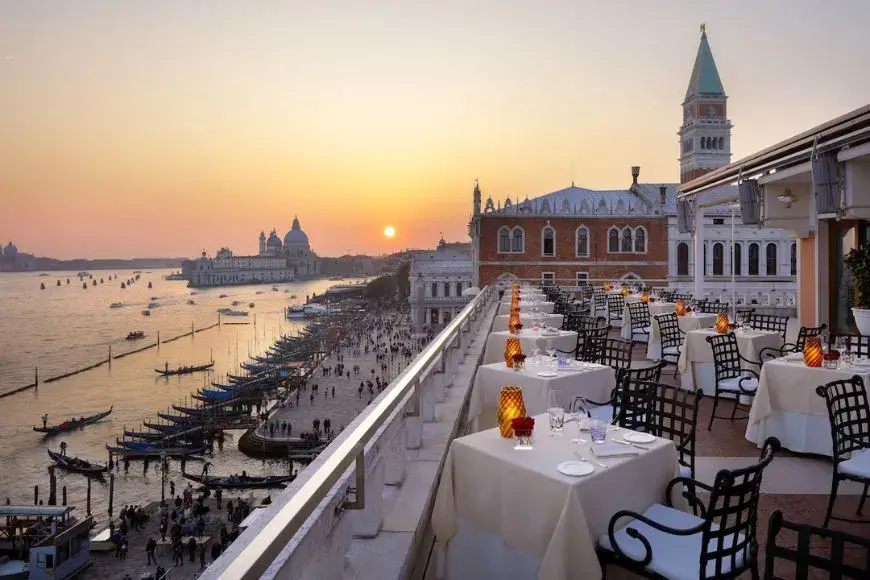
These are hotels chosen for setting and atmosphere, not just five-star labels.
- Hotel Danieli — iconic, dramatic, and one of the most memorable hotel settings in the city
- Ca’ Sagredo — historic palace feel with quieter elegance along the Grand Canal
Luxury in Venice feels most special when the building itself is part of the experience — these hotels deliver that sense of place.
Best Mid-Range Hotels in Venice
This is where value, comfort, and location intersect.
- Hotel Saturnia — classic Venetian style in a central but manageable location
- Hotel American-Dinesen — comfortable, stylish, and well placed for scenic walks
Mid-range hotels in Venice often offer the best balance, especially if you plan to spend most of your time exploring rather than staying in.

Best Budget Hotels in Venice
Affordable by Venice standards, without sacrificing location.
- Albergo Marin — simple, friendly, and ideal for easy arrivals
- Combo Venezia — great value in Cannaregio, especially for longer stays or social travelers
Budget accommodation works best when it’s well located. These options keep daily logistics easy, which matters more than extras.
How to use this list
If one of these hotels fits your needs and budget, it’s a solid choice. If not, use them as reference points — compare nearby hotels in the same area rather than jumping to a completely different neighborhood.
A well-chosen area plus a good-enough hotel almost always beats the opposite.
Venice Neighborhoods Map (How the Areas Connect)
Looking at a map of Venice can be misleading at first. The city appears compact, almost walkable end to end — but once you’re there, movement depends less on distance and more on bridges, canals, and water transport.
This map highlights Venice’s main neighborhoods and shows how they relate to each other in real life, not just on paper.
How to read the Venice map correctly
Venice doesn’t have straight lines or logical routes in the usual sense. What matters most is:
- Which neighborhoods are walkable between each other
- Where vaporetto routes run
- How easily you can return to your hotel during the day
For example:
- San Marco, Dorsoduro, and Castello are all walkable between each other, especially if you enjoy exploring on foot
- Cannaregio feels slightly removed, but it’s well connected by vaporetto and rewarding once you’re there
- Santa Croce sits at the edge of Venice’s transport hub, making arrivals and departures easy
- Mestre is not on the islands at all — it connects by train and bus, not by walking
Walking vs vaporetto: what actually works
Many first-time visitors assume they’ll walk everywhere — and for short distances, that’s true. But Venice walking is slower than expected, especially with crowds or luggage.
In practice:
- Walking works best within the same neighborhood
- Vaporetto works best between neighborhoods
- A mix of both keeps days balanced and less tiring
This is why staying near a vaporetto stop matters as much as staying “central.”
Why your neighborhood choice shows up on the map
Once you see Venice laid out visually, earlier decisions make more sense.
- Staying in San Marco means minimal transport but more crowds
- Staying in Dorsoduro means scenic walks and calmer evenings
- Staying in Cannaregio means committing to transport — but being rewarded with atmosphere
- Staying in Santa Croce simplifies logistics
- Staying in Mestre means separating accommodation from experience
The map doesn’t tell you which option is “best” — it shows you what each choice costs and gives back.
Book Smart Before You Go (Helpful Resources)
Venice rewards a bit of planning — especially when it comes to transport and logistics. These are the tools I personally use and recommend because they simplify things and save time once you’re there.
🚆 Getting to Venice & Around Italy
If Venice is part of a bigger Italy trip, Omio makes it easy to compare trains, buses, and ferries in one place. It’s particularly useful for routes like Florence–Venice, Milan–Venice, or day trips nearby, without juggling multiple websites.
🚗 Renting a Car (Before or After Venice)
You won’t need a car inside Venice, but it’s useful if Venice is one stop on a longer itinerary. DiscoverCars lets you compare prices across major rental companies and pick up or drop off a car before entering the historic center — which avoids unnecessary stress and ZTL issues.
📶 Staying Connected
Having mobile data makes navigating Venice much easier, especially for maps and vaporetto routes. I usually rely on Airalo for an eSIM, so I don’t have to hunt for Wi-Fi or deal with local SIM cards after arrival.
🏨 Booking Accommodation
Once you’ve chosen where to stay in Venice, compare hotel options within the same neighborhood rather than jumping between areas. Staying in the right area almost always matters more than small differences in price or rating.
Why these resources matter
Venice is beautiful, but it’s not always intuitive. The right tools:
- Reduce arrival stress
- Save time moving between cities
- Let you focus on the experience, not logistics
They’re optional — but they make the trip smoother.
FAQs: Where to Stay in Venice
What is the best area to stay in Venice for first-time visitors?
The best area to stay in Venice for first-time visitors is San Marco. It’s the most central neighborhood, close to major attractions and well connected by vaporetto, making sightseeing easy on a short trip.
Is Mestre a good place to stay when visiting Venice?
Mestre can be a good place to stay if you’re on a tight budget or staying longer. Hotels are cheaper and transport to Venice is fast, but you won’t experience Venice’s atmosphere in the mornings or evenings.
Where should I stay in Venice on a budget?
For budget travelers who want to stay inside Venice, Cannaregio offers the best balance of price, atmosphere, and transport connections. Mestre is cheaper, but requires commuting.
How many nights should you stay in Venice?
Most travelers should stay 2 to 3 nights in Venice. This allows time to see the main sights, explore quieter neighborhoods, and experience the city early in the morning or late in the evening when it’s less crowded.
Is it better to stay in Venice or Mestre?
If this is your first visit or you want the full experience, staying inside Venice is usually better. Mestre works well for saving money, but staying on the islands offers a more immersive and relaxed trip.
What is the quietest area to stay in Venice?
Castello is one of the quietest areas to stay in Venice while still being close to major attractions. It’s residential, less crowded, and ideal for travelers who value calm evenings.
Which area of Venice is best for couples?
Dorsoduro is one of the best areas to stay in Venice for couples. It’s scenic, calmer than the historic center, and perfect for romantic walks and relaxed dinners.
Is Venice walkable from all neighborhoods?
Venice is walkable, but distances take longer than expected due to bridges and crowds. Staying near a vaporetto stop makes moving between neighborhoods much easier, especially over multiple days.
Keep Planning Your Trip to Italy
If Venice is part of a larger Italy itinerary, these guides will help you connect the dots and plan smarter:
- Venice Travel Guide – a complete overview of what to see, how to get around, and how to plan your time in the city
- Where to Stay in Rome – the best neighborhoods in Rome for first-time visitors, budget travelers, and couples
- Where to Stay in Milan – a practical guide to Milan’s districts, from central areas to quieter local neighborhoods
- Where to Stay in Florence – how to choose the right area based on sightseeing, atmosphere, and trip length
These guides follow the same logic as this one: area-first decisions, real-world experience, and clear pros and cons.
Final Words: Choosing the Right Place Changes Everything
Venice is one of those cities where where you stay quietly shapes everything else — how relaxed your mornings feel, how tired you are by the end of the day, and whether the city feels magical or overwhelming.
There’s no single best place to stay in Venice. San Marco makes sense for a first visit. Dorsoduro rewards slower travel. Cannaregio offers value and authenticity. Castello gives you calm. Santa Croce simplifies logistics. Mestre saves money, but changes the experience.
The key is choosing the area that fits your trip — not the most famous hotel, not the cheapest deal, and not what looks best on a booking site.
Get the location right, and Venice does the rest.
Buon Viaggio!
Get our FREE Italy
Travel Guide
E-Book
This printable guide is your ultimate companion for exploring Italy, with insider tips, detailed itineraries, transportation advice, must-see attractions, and more.
Explore More
 Bari Travel Guide: Best Things to Do, Where to Stay & Local Tips
- Southern Italy Travel Guide: Best Places, Coastal Towns & Itinerary
- Siena Travel Guide: Best Things to Do, Where to Stay, and Travel Tips
- Tuscany Travel Guide: Best Places to Visit, Things to Do & Travel Tips


Book Your Tour
Rent Car

💬 We’d love to hear from you!
Have questions, tips, or personal travel stories to share? Drop them in the comments below — your insights help fellow travelers plan their adventures too.