
Where and What to Eat in Milan: Local Food Guide for First-Time Visitors

by Tim | Last Updated January 1, 2026

What I Wish I Knew About Eating in Milan
The first time I visited Milan, I made the same mistake many first-time visitors do: I expected Italian food here to feel like Rome or Naples. More pizza, more pasta, more tomato sauce. Milan proved me wrong — in a very good way.
Eating in Milan is different. Milanese cuisine is richer, more refined, and deeply tied to Lombardy traditions, where butter replaces olive oil, rice often matters more than pasta, and slow-cooked meat dishes take center stage. This isn’t casual Italian comfort food — it’s elegant, seasonal, and very intentional.
If you’re wondering what to eat in Milan or where to eat in Milan as a first-time visitor, the key is understanding how locals eat. Meals happen later, aperitivo is a ritual (not dinner), and most locals stick to trusted neighborhood spots rather than trendy restaurants. Once I started eating the way Milanese do, everything made sense — and every meal got better.
This guide is written for first-time visitors who want to:
- Try traditional Milanese food, not tourist menus
- Understand what to eat at different times of day
- Know where locals actually eat in Milan
- Avoid common food mistakes (yes, there are a few)
I’ll walk you through what Milan is famous for food-wise, when to eat certain dishes, and how to choose places that feel genuinely local — without turning this into an overwhelming restaurant list.
If you want to experience Milan through its food, this is where to start.

🔗 Plan Smarter: Milan Travel Planning Essentials
Before you plan meals and reservations, make sure you understand how Milan actually works as a city — from neighborhoods and transport to timing your days properly.
👉 Ultimate Milan Travel Guide (2025)
Everything you need to know before visiting Milan for the first time — including top things to do, where to stay, how to get around, best day trips, seasonal tips, and practical local advice.
If you want your food plans to fit smoothly into your itinerary (instead of feeling rushed or out of place), this guide will help you plan smarter and avoid common first-time mistakes.
What Food Is Milan Famous For? Traditional Milanese Dishes You Must Try
If you ask locals what food Milan is famous for, you won’t hear pizza or spaghetti. Milanese cuisine comes from Lombardy, a region shaped by cold winters, agriculture, and a preference for rich, comforting dishes. Think butter instead of olive oil, rice instead of pasta, and slow-cooked meat over quick sauces.
These are the dishes I always recommend first-time visitors focus on.
Risotto alla Milanese (Milan’s Signature Dish)
If there’s one dish that defines Milan, this is it.
Risotto alla Milanese is made with saffron, butter, and Grana-style cheese, giving it that unmistakable golden color. It’s rich, creamy, and surprisingly filling — far more elegant than it looks.
Why it matters:
This dish tells you everything about Milanese food: refined, ingredient-focused, and not flashy.
My tip: Order it for lunch or an early dinner. It’s heavy, and locals rarely eat it very late at night.
Cotoletta alla Milanese (Not a Schnitzel)
At first glance, cotoletta alla Milanese looks like a schnitzel — but Milanese will quickly tell you it’s not the same thing.
It’s a bone-in veal cutlet, breaded and fried in butter, traditionally served without lemon or sauces. Simple, rich, and proudly indulgent.
Why first-timers love it:
It’s familiar enough to feel safe, but different enough to feel local.
Personal note: The portion is usually huge. I’ve learned to skip appetizers when ordering this.
Ossobuco (Slow-Cooked Comfort Food)
Ossobuco is classic Milanese comfort food at its best: veal shanks slowly braised until tender, usually served with gremolata (lemon zest, garlic, parsley).
It’s often paired with risotto alla Milanese, creating one of the city’s most iconic combinations.
When to eat it:
This is a dish I associate with colder months. In winter, it shows up everywhere — in summer, much less.
Cassoeula (Seasonal & Very Local)
Cassoeula is a traditional winter dish made with pork cuts and cabbage. You won’t always see it on menus — and that’s a good sign.
This is true local food, often tied to specific seasons and traditions rather than tourist demand.
Why I mention it anyway:
Even if you don’t try it, knowing about cassoeula helps you understand how seasonal Milanese food really is.
Lombardy Cheeses You’ll See Everywhere

While not “dishes” on their own, Milanese meals rely heavily on local cheeses:
- Gorgonzola (sweet or spicy)
- Taleggio (washed rind, very aromatic)
- Grana Padano (more common here than Parmigiano Reggiano)
These show up in risottos, sauces, aperitivo boards, and even desserts.
My Advice for First-Time Visitors
If you’re only in Milan for a short time and want to eat well:
- Start with risotto alla Milanese
- Try cotoletta at least once
- Don’t chase long menus — Milanese food is about doing a few things well
Understanding what Milan is famous for food-wise makes the rest of your eating decisions much easier.
Get our FREE Italy
Travel Guide
E-Book
This printable guide is your ultimate companion for exploring Italy, with insider tips, detailed itineraries, transportation advice, must-see attractions, and more.

Plan Your Trip with Our Favorite Booking Tools
What to Eat in Milan for Lunch (How Locals Eat Midday)
Lunch in Milan is usually the main meal of the day, especially for locals who still sit down for a proper break. This is when you’ll see heavier, traditional dishes on menus — the kind of food that keeps you full without rushing.
What Locals Commonly Eat for Lunch in Milan
- Risotto alla Milanese – Rich, filling, and best eaten earlier in the day
- Pasta dishes – Often simpler at lunch than dinner
- Cotoletta alla Milanese – A classic lunch choice despite its size
- Daily specials (piatti del giorno) – Always worth checking
If you’re sightseeing, lunch is the best moment to try traditional Milanese food without feeling too heavy later.
My advice: If I want one “serious” meal in Milan, I make it lunch. Portions are generous, menus are more traditional, and prices are often better than dinner.
What to Eat in Milan for Dinner (Local Evening Food Guide)

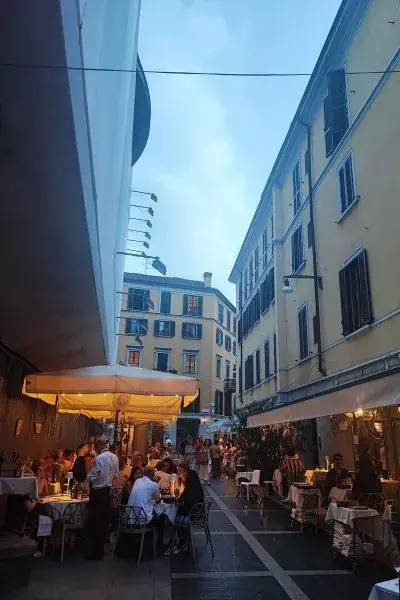
When people ask me what to eat in Milan for dinner, the answer is very different from lunch. Dinner in Milan is lighter, later, and much more social than most first-time visitors expect. Understanding Milan dinner food culture helps you avoid ordering the wrong dishes at the wrong time.
What Locals Eat for Dinner in Milan
Locals eating dinner in Milan usually focus on lighter plates rather than heavy, traditional dishes. Typical Milan dinner food includes:
- Simple pasta dishes or fresh seasonal pasta
→ Pasta with fewer ingredients, often based on what’s in season - Grilled meat, fish, or vegetable-based main dishes
→ Think grilled chicken, beef, fish, or vegetables rather than heavy sauces - Small plates shared after an aperitiv
→ Light bites enjoyed after drinks, not a full meal - Dessert, espresso, or a digestivo to finish
→ Many locals skip dessert and end with coffee instead
Large, rich dishes are less common late in the evening, especially on weekdays.
Eating Dinner in Milan: Timing & Culture
If you plan on eating dinner in Milan, keep in mind:
- Dinner rarely starts before 8:00–8:30 pm
- Many locals have aperitivo first, then eat later
- Portions are smaller than at lunch
- The pace is relaxed and unhurried
The first time I had dinner in Milan, I ordered a heavy dish too late — and immediately understood why locals don’t do that. Since then, I always keep dinners lighter and enjoy the experience much more.
My Personal Dinner Rule in Milan
When deciding what to eat in Milan for dinner, I follow one simple rule:
If I had aperitivo, I eat light. If I skipped aperitivo, I eat simple.
That approach fits perfectly with how locals enjoy Milan dinner food and keeps evenings enjoyable rather than overwhelming.
Aperitivo in Milan: What to Eat, When to Go, and What to Expect
What Is Aperitivo in Milan?
Aperitivo in Milan usually happens between 6:30 pm and 8:00 pm and is one of the most important social rituals in the city. You order a drink, and Milan aperitivo food is served alongside it — small, carefully prepared bites meant to complement the drink rather than replace dinner.
For first-time visitors, understanding aperitivo in Milan is essential to planning the rest of the evening without overeating or skipping a proper meal later.
What to Eat During Aperitivo in Milan
If you’re wondering what to eat during aperitivo in Milan, expect quality over quantity. Typical Milan aperitivo food includes:
- Olives and nuts
- Local Lombardy cheeses
- Focaccia or bread
- Crostini or small sandwiches
- Cold pasta or rice salads (depending on the place)
The food is there to enhance the drink, not to serve as a full meal.
Aperitivo vs Apericena in Milan
You’ll often see apericena on menus, especially in areas like Navigli. Apericena is a heavier version of aperitivo, where the Milan aperitivo food feels closer to dinner.
While apericena can be fun, it’s not how most locals eat on a daily basis. If your goal is to experience aperitivo in Milan like a local, stick to lighter food and plan dinner later in the evening.
Best Time for Aperitivo in Milan
Timing makes a big difference in how authentic an aperitivo feels.
- 6:30–7:30 pm → relaxed, local atmosphere
- After 8:00 pm → livelier, more social, less food-focused
Once I started going earlier, aperitivo felt natural rather than rushed or touristy.
Why Aperitivo Matters for First-Time Visitors
Understanding aperitivo in Milan helps you:
- Plan dinner properly
- Avoid ordering heavy dishes too late
- Experience real Milanese social culture
- Enjoy evenings at a slower, more local pace
Once aperitivo makes sense, everything else about eating in Milan falls into place.
Plan Your Trip with Our Favorite Booking Tools
What Locals Eat for Breakfast in Milan
What a Typical Milanese Breakfast Looks Like
If you’re expecting a big, sit-down breakfast, Milan will surprise you. Milan breakfast is quick, simple, and usually eaten standing at a bar.
A typical Italian breakfast in Milan includes:
- A cornetto (plain, cream-filled, or jam-filled)
- A cappuccino or espresso
- A few minutes at the counter, not a long meal
This is exactly what locals eat for breakfast in Milan, especially on weekdays.
Sweet, Not Savory: How Breakfast in Milan Works

When it comes to what to eat for breakfast in Milan, sweet options dominate. Savory breakfasts are rare, and eggs or bacon are not part of the local routine.
Most Milanese choose:
- Cornetto or pastry
- Coffee or cappuccino
- Occasionally, a small juice
The first time I looked for something savory in the morning, I quickly realized breakfast in Milan follows its own rules — once I embraced them, mornings became much easier.
Coffee Rules You Should Know in Milan
Coffee culture is an essential part of Milan breakfast, and there are a few unspoken rules:
- Cappuccino is perfectly fine in the morning
- Espresso is common at any time of day
- Ordering coffee at the bar is faster and cheaper
- Sitting down usually costs more
Knowing these basics helps you blend in while eating breakfast in Milan like a local.
When and Where Locals Eat Breakfast in Milan

Breakfast in Milan typically happens:
- Between 7:00 am and 10:30 am
- At neighborhood cafés and pastry bars
- On the way to work rather than as a destination
Locals rarely plan breakfast — it’s a daily habit, not an event.
My Personal Breakfast Tip for Milan
If you want to experience what locals eat for breakfast in Milan, skip hotel buffets at least once. Walk into a busy bar, order a cappuccino and a cornetto, stand at the counter, and watch the city wake up.
It’s one of the simplest — and most authentic — food experiences Milan offers.
Street Food & Quick Eats in Milan (How I Eat on Busy Days)
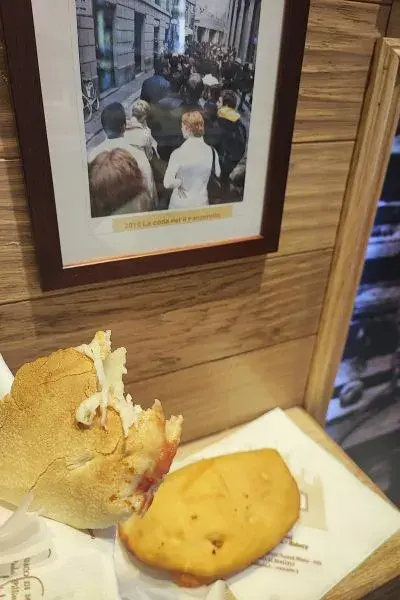

How Street Food in Milan Actually Works
When I’m sightseeing all day, I almost never sit down for a long meal. This is where street food in Milan really shines. It’s not flashy, it’s not heavily marketed, and it’s not always eaten on the street — but it’s how locals fuel their day.
Milan street food is about:
- Eating quickly
- Standing at a counter
- Grabbing something between sights
- Not interrupting the rhythm of the day
Once I stopped looking for “street food stalls” and started paying attention to bakeries and bars, everything clicked.
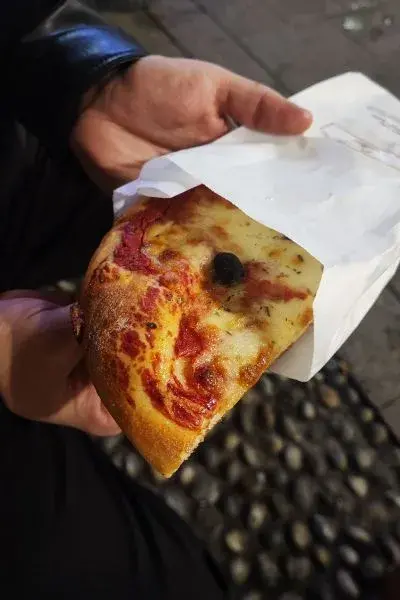
Panzerotti: My Go-To Quick Bite in Milan

If there’s one thing I eat again and again, it’s panzerotti.
Crispy on the outside, hot and cheesy on the inside, panzerotti are one of the most popular forms of quick eats in Milan. Locals grab them mid-morning, mid-afternoon, or whenever hunger hits — no rules.
I’ve eaten panzerotti standing on the street, leaning against a wall, and even walking between metro stops. It’s messy, satisfying, and very Milanese.
Bakeries: The Real Milan Street Food Scene
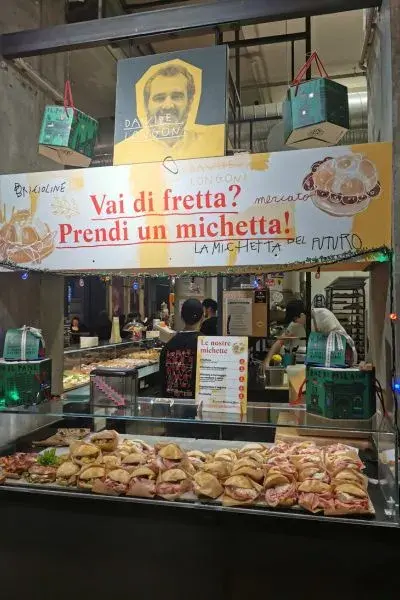
Some of the best cheap food in Milan comes from bakeries (panifici), not street carts.
This is where I usually find:
- Fresh sandwiches on michetta bread
- Focaccia slices
- Savory pastries
- Simple, filling lunch options
When a bakery is packed with locals grabbing food to go, I take that as a very good sign.
Standing Bars & Fast Lunches
Another thing I’ve learned: many locals don’t “go out to lunch.” They eat quickly at bars and counters.
This kind of Milan street food culture includes:
- A sandwich or pastry
- A quick espresso
- Standing at the bar
- Back out the door in 10 minutes
On busy days, this is exactly how I eat — and it keeps the day moving without sacrificing quality.
When I Choose Street Food in Milan
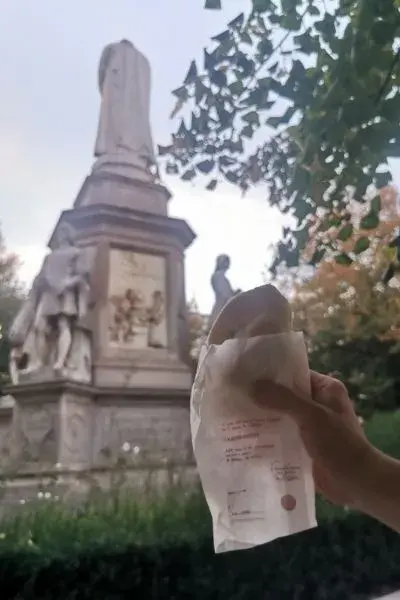
I almost always choose street food in Milan when:
- I’m sightseeing non-stop
- I don’t want a heavy meal
- I plan an aperitivo later
- I want something fast but local
It’s practical, affordable, and surprisingly satisfying.
My Honest Tip for First-Time Visitors
If you’re looking for authentic Milan street food, don’t overthink it. Follow locals, watch where they stop, and don’t be afraid to eat standing up.
Some of my favorite food memories in Milan didn’t happen at a table — they happened in between places.
Panettone: Milan’s Most Famous Dessert

Even if you’re not visiting during Christmas, panettone in Milan matters. This is where it was born, and locals take it seriously.
Panettone is a tall, fluffy cake with dried fruit, traditionally eaten during the holidays — but in Milan, you’ll often find it year-round in bakeries and pastry shops.
I didn’t think I liked panettone until I tried it in Milan. The texture was lighter, less sweet, and nothing like the packaged versions I’d had before. One slice changed my mind completely.
Pastries & Cream-Filled Classics (Local Favorites)
If you like pastries, Milan desserts will not disappoint. Locals often treat pastries as a snack rather than a full dessert.
Some of the most common sweets in Milan include:
- Cannoncini (cream-filled puff pastry)
- Custard or chocolate-filled pastries
- Simple cakes served with espresso
This is what I usually order when I want something sweet without committing to a full dessert course.
Gelato in Milan: How I Choose the Good Ones
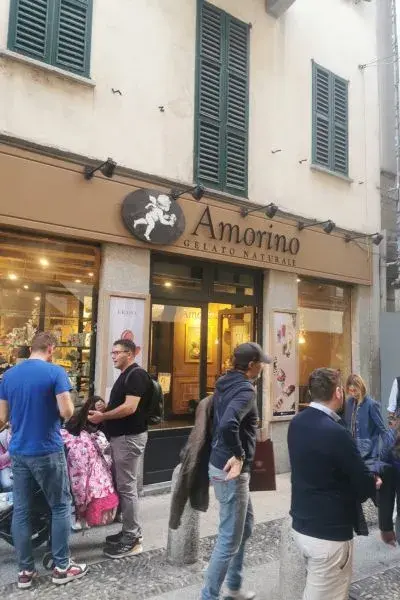
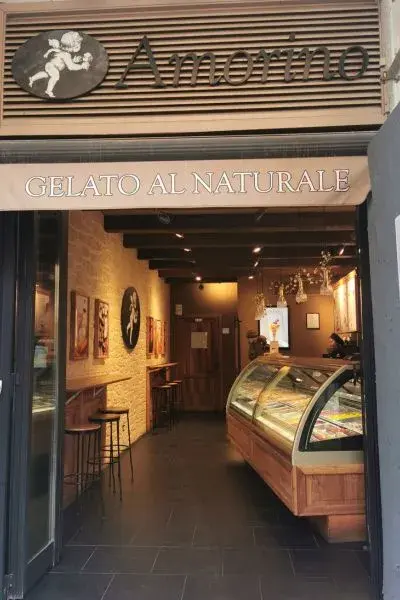
Yes, gelato matters — but Milan isn’t about flashy gelato mountains piled high with neon colors.
When deciding what dessert to try in Milan, I follow a few simple rules:
- Natural colors over bright ones
- Covered metal containers instead of open piles
- Fewer flavors done well
I often get gelato as a late-afternoon treat rather than after dinner. It feels lighter and fits better with how locals snack during the day.
When Locals Eat Dessert in Milan
Dessert in Milan isn’t always automatic.
Locals often:
- Skip dessert at lunch
- Choose a pastry earlier in the day
- End dinner with an espresso instead
Once I stopped forcing dessert into every meal, my eating rhythm in Milan felt much more natural.
My Honest Dessert Advice for First-Time Visitors
If you want to experience Milan desserts like a local, don’t chase the biggest or most Instagrammable option. Try:
- One good pastry
- One slice of real panettone
- One quality gelato
That’s more than enough to understand the sweet side of Milanese food culture.
Where to Eat in Milan (How I Actually Choose Places)
If it’s your first time in Milan, I know how overwhelming it can feel to decide where to eat. After several visits (and plenty of trial and error), these are the places and types of spots I genuinely recommend — reliable, local-approved, and perfect for first-time visitors.
I’ve grouped them by how and when you’ll actually eat in Milan. Jump to map ↓
Best Trattorias for Traditional Milanese Food
If you want to try classic Milanese dishes like risotto alla Milanese, cotoletta, or ossobuco, these trattorias are a safe and authentic choice.
- Antica Trattoria della Pesa – Historic, refined, and deeply Milanese
- Trattoria Milanese – Excellent for traditional Lombardy recipes
- Osteria alla Grande – Rustic, hearty, very local
My advice: This is where I go for lunch when I want a “proper” Milanese meal. Portions are generous, and the food feels true to the city.
Best Bakeries & Quick Eats in Milan

For breakfast, snacks, or a fast lunch, these are places locals rely on daily.
- Luini – Iconic panzerotti, busy but worth it
- Pavé – Excellent pastries and breakfast
- Panificio Pattini – Great sandwiches on michetta bread
This is how I eat on sightseeing days — quick, affordable, and very Milanese.
Best Places for Aperitivo in Milan
Aperitivo is part of Milan’s DNA. These places focus on good drinks and quality food, not tourist buffets.
- N’Ombra de Vin – Atmospheric wine bar, very local crowd
- Cantine Isola – Casual, authentic, wine-first
- Rita & Cocktails – Creative cocktails, solid aperitivo plates
I usually do aperitivo first, then a lighter dinner later — that’s how evenings flow best in Milan.
Best Desserts & Pastries in Milan
For sweets, Milan shines — especially pastries.
- Marchesi 1824 – Elegant pastries and desserts
- Pasticceria Cucchi – Old-school Milanese pastry culture
If I want something sweet without a full dessert, this is where I go.
Where to Get Good Gelato in Milan
Gelato in Milan is about quality, not flashy displays.
- Gelateria della Musica – Natural flavors, excellent texture
- Ciacco – Seasonal, ingredient-focused gelato
I usually eat gelato in the afternoon rather than after dinner — it feels more local.
Food Markets & Food Halls (Easy & Flexible)
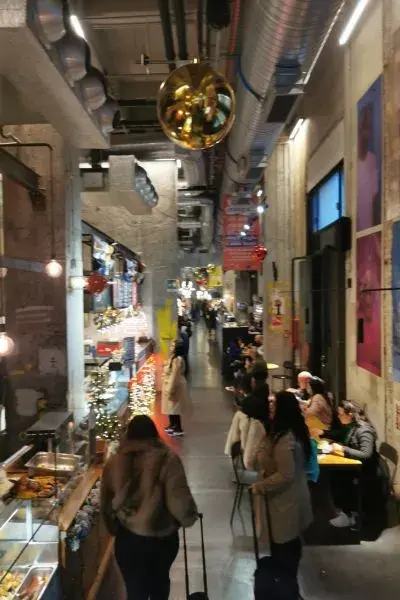

If you want options or are traveling with others:
- Mercato Centrale Milano – Great for first-time visitors
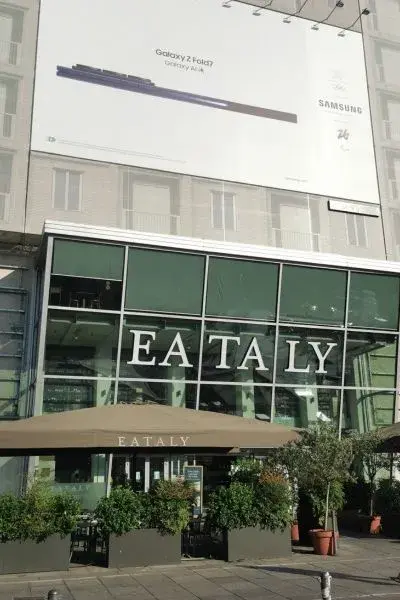
- Eataly Smeraldo – Italian classics in one place
Perfect for casual meals or tasting a bit of everything.
🗺️ Map: Where to Eat in Milan (Recommended Spots)
To make things easier, I’ve pinned all the restaurants, bakeries, aperitivo bars, and gelato spots mentioned above on this map. It’s designed to help you quickly see where to eat in Milan based on your location, sightseeing plans, or neighborhood.
Use it to plan meals on the go, save places for later, or avoid jumping back and forth between tabs while exploring the city.
How I Recommend Choosing Where to Eat in Milan
If you’re short on time:
- Traditional food → trattoria at lunch
- Busy day → bakery or quick bite
- Evening → aperitivo + light dinner
- Sweet craving → pastry, not always gelato
You don’t need dozens of reservations. Milan rewards simple, well-timed choices.
Best Neighborhoods for Food in Milan (Where to Eat Without Overthinking)
One of the smartest things I learned about eating in Milan is this:
Choosing the right neighborhood matters more than choosing the perfect restaurant.
If you eat in the right area at the right time of day, it’s genuinely hard to eat badly. These are the neighborhoods I recommend most to first-time visitors — each for a different reason.
Brera: Classic Milanese Food & Reliable Restaurants
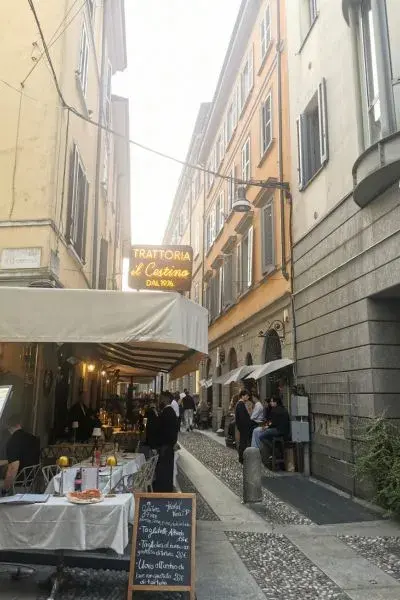

If you want a safe, elegant introduction to traditional Milanese food, Brera is a great place to start.
Why I eat here:
- Excellent trattorias and traditional restaurants
- Central but still refined
- Great for lunch or early dinner
Brera is ideal if it’s your first proper meal in Milan and you want something classic without feeling lost or rushed.
Navigli: Aperitivo, Casual Dining & Evening Atmosphere
For aperitivo and relaxed evenings, Navigli is hard to beat.
Why I go to Navigli:
- Milan’s strongest aperitivo culture
- Lively atmosphere in the evening
- Plenty of casual dining options
My personal rule: aperitivo in Navigli, then either a light dinner nearby or elsewhere later. It’s social, fun, and very Milanese — just don’t expect quiet.
Isola: Trendy, Local & Food-Driven
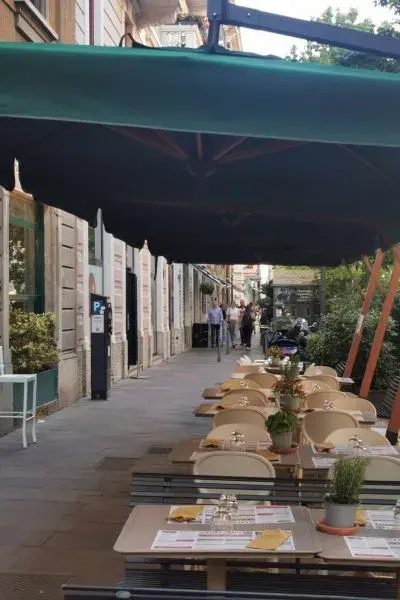

If you want something more modern but still local, Isola is one of my favorite areas to eat.
Why Isola works:
- Young, local crowd
- Great mix of casual restaurants, bakeries, and bars
- Less touristy than the historic center
This is where I go when I want good food without the “tourist energy.”
Porta Romana: Authentic & Underrated
For a more residential, everyday food scene, Porta Romana is an excellent choice.
Why I recommend it:
- Traditional trattorias
- Local prices
- Very few tourists
If you’re staying nearby or want to eat where Milanese families eat, Porta Romana feels refreshingly real.
City Center (Duomo Area): When It Makes Sense

The area around the Duomo is often criticized — and for good reason — but it’s not entirely off-limits.
When I eat near the center:
- Breakfast or pastries
- Quick lunch
- Food halls
For dinner, I usually move away from the Duomo unless I know the place well.
How I Choose the Right Neighborhood to Eat in Milan
Here’s my simple logic:
- Traditional food → Brera or Porta Romana
- Aperitivo & atmosphere → Navigli
- Casual, modern food → Isola
- Quick bites → City center or markets
If you follow this approach, you’ll spend less time researching and more time enjoying the food.
Practical Food Tips for First-Time Visitors to Milan
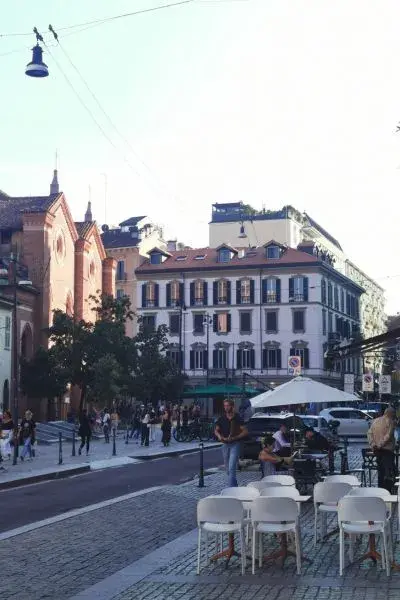
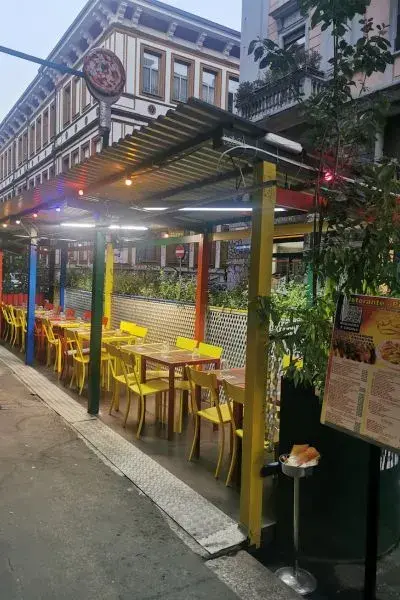
These are the things I wish someone had explained to me before my first few meals in Milan. None of them are complicated, but knowing them in advance makes eating in Milan feel effortless instead of awkward.
Coperto: The Small Charge on Your Bill
Almost every restaurant in Milan charges a coperto, a small per-person fee (usually €2–€4). It covers bread, table setting, and service basics.
What to know:
- It’s normal and legal
- It’s not a tip
- It’s charged per person, not per table
The first time I saw it, I thought it was a mistake. Now I don’t even think about it — it’s just part of eating out in Milan.
Tipping in Milan: When (and If) You Should Tip
Tipping in Milan is simple: you’re not expected to tip.
- Service is already included
- Rounding up or leaving small change is fine
- Tipping is appreciated, not required
If the service is excellent, I might leave a few euros — but no one expects American-style tipping.

Meal Times in Milan (This Matters More Than You Think)
One of the biggest mistakes first-time visitors make is eating at the wrong time.
Typical meal times in Milan:
- Lunch: 12:30–2:00 pm
- Aperitivo: 6:30–8:00 pm
- Dinner: after 8:00 pm
If you show up for dinner at 6:30 pm, many places simply won’t be open yet. Once I adjusted to Milan’s rhythm, everything felt smoother.
How to Read Menus in Milan
Menus in Milan often change daily and focus on seasonal ingredients.
A few useful terms:
- Primi → pasta, risotto
- Secondi → meat or fish
- Contorni → side dishes (ordered separately)
One thing that surprised me: vegetables aren’t always included automatically. If you want them, you usually order them separately.

Coffee Rules You Should Know (Very Important)
Coffee culture in Milan is fast and functional.
Key rules:
- Cappuccino is fine only in the morning
- Espresso is normal anytime
- Standing at the bar is cheaper than sitting
- Saying “un caffè” means espresso
Once I stopped overthinking coffee orders, cafés became one of my favorite daily rituals in Milan.
Language & Ordering Tips
You don’t need perfect Italian, but a few words go a long way.
Helpful phrases:
- Buongiorno / Buonasera (always greet first)
- Possiamo vedere il menu? (Can we see the menu?)
- Il conto, per favore(Check, please)
Even a simple greeting changes how you’re treated — I’ve noticed it again and again.
Common Food Mistakes to Avoid in Milan
Here’s what I see first-time visitors do wrong most often:
- Ordering heavy dishes late at night
- Expecting free refills or substitutions
- Rushing meals
- Treating aperitivo like dinner
Once you stop forcing your own habits onto Milan, the city’s food culture makes a lot more sense.
My One Rule for Eating Well in Milan
If I had to reduce all my Milan food advice to one sentence, it would be this:
Eat with the city’s rhythm, not against it.
Do that, and even simple meals will feel memorable.
Plan Your Trip with Our Favorite Booking Tools
FAQs: Eating in Milan for the First Time
These are the questions I hear most from first-time visitors — and the ones people usually search for after landing in Milan.
What food should I try first in Milan?
If it’s your first meal, I always recommend risotto alla Milanese. It’s the city’s signature dish and gives you a real sense of Lombardy cuisine. If you want something familiar but local, go for cotoletta alla Milanese.
Is Milan expensive for food?
Milan can be expensive, but it doesn’t have to be.
You’ll spend more in tourist-heavy areas and upscale restaurants, but:
– Bakeries and quick lunches are affordable
– Aperitivo often replaces a full meal
– Lunch menus are usually a better value than dinner
I’ve eaten very well in Milan without spending much — timing and location matter more than price.
Is Milan good for food lovers?
Absolutely — especially if you enjoy regional Italian cuisine. Milan isn’t about rustic tomato sauces or street pizza. It’s about refined dishes, seasonal ingredients, and food that follows tradition closely.
If you like understanding why food is cooked a certain way, Milan is a fantastic food city.
What is a typical Milanese meal?
A traditional Milanese meal usually looks like this:
– Primo: risotto or pasta
– Secondo: meat or fish
– Contorno: vegetables (ordered separately)
– Dessert or espresso
That said, many locals simplify meals, especially on weekdays.
Is Milan vegetarian-friendly?
Yes, Milan is vegetarian-friendly— more than many people expect.
While traditional Milanese dishes are meat-heavy, most restaurants offer:
– Vegetarian pasta or risotto
– Vegetable-based secondi
– Excellent cheese-focused dishes
You just may need to look beyond the most traditional menus.
Final Words: Is Milan a Good City for Food?
Milan surprised me — and that’s probably the best way to describe its food scene.
It’s not loud or obvious. It doesn’t try to impress with giant portions or flashy menus. Instead, Milan rewards visitors who slow down, eat at the right time, and trust local habits.
If you:
- Eat your main meal at lunch
- Embrace aperitivo
- Keep dinners lighter
- Choose neighborhoods over hype
You’ll eat extremely well here.
Milan may not be Italy’s most famous food city — but for travelers who appreciate depth, tradition, and rhythm, it’s one of the most satisfying.
Explore More
- Siena Travel Guide: Best Things to Do, Where to Stay, and Travel Tips
- Tuscany Travel Guide: Best Places to Visit, Things to Do & Travel Tips
- One Day in Siena: How to Spend the Perfect Day in Tuscany’s Medieval City
- Pisa Travel Guide: Plan the Perfect Visit to Italy’s Leaning Tower City


Book Your Tour
Rent Car

💬 We’d love to hear from you!
Have questions, tips, or personal travel stories to share? Drop them in the comments below — your insights help fellow travelers plan their adventures too.