
Venice Travel Guide: What to See, Where to Stay & How to Plan Your Trip

by Hwan | Last Updated January 27, 2026

Venice Travel Guide: What First-Time Visitors Should Really Know
Visiting Venice for the first time can feel surprisingly intense. Not because there’s too much to see, but because Venice doesn’t work like any other city. There are no cars, no straight roads, and very little logic if you try to approach it with a typical sightseeing mindset.
I’ve visited Venice multiple times, in different seasons, and in very different ways — rushing through highlights on an early trip, then slowing down on later visits once I understood how the city actually functions. What I learned quickly is this: Venice rewards smart planning, not over-planning.
This Venice travel guide is written from that perspective. It’s not a checklist of attractions, and it’s not built around day-trip shortcuts. Instead, it’s a practical travel guide to Venice that helps you understand how the city works — so you can decide what to see, where to stay, and how to move around without turning your visit into a logistical headache.
In this guide, you’ll find:
- The best things to do in Venice — beyond just the obvious landmarks
- Where to stay in Venice by neighborhood (and where not to)
- Realistic Venice itineraries for 1, 2, or 3 days
- How to get around Venice without stress
- Common first-time mistakes that quietly ruin trips
Whether Venice is a short stop on a bigger Italy itinerary or a destination in its own right, this guide will help you experience it calmly, confidently, and properly.
Venice at a Glance: Quick Planning Overview

If you’re using this Venice city guide to shape your itinerary, this snapshot will help you decide how much time you need and what kind of experience Venice offers before diving into the details.
- Best for: culture lovers, architecture fans, photographers, couples, slow travelers
- Ideal length of stay: 2–3 days
- Walkability: very high (expect stairs and bridges)
- Main transport: walking + vaporetto (water bus)
- Budget level: medium to high
- Biggest mistake: visiting Venice only as a day trip
Venice works best when you plan by areas and timing, not by packing in attractions. Mornings and evenings are quieter, neighborhoods away from San Marco feel more local, and even a short stay becomes more rewarding when you slow the pace slightly.
Is Venice Worth Visiting for First-Time Travelers?
Yes — Venice is absolutely worth visiting, especially if you’re visiting Venice for the first time and approach it with the right expectations. It’s one of the most unique cities in the world, built entirely on water, with car-free streets, historic canals, and neighborhoods that still function as real communities.
Venice tends to disappoint travelers who rush through it on a day trip, stay outside the historic center, or spend all their time around San Marco. But for those who stay at least one night and explore beyond the main a corridors, Venice feels atmospheric, calm, and deeply memorable.
In short, Venice isn’t about seeing everything — it’s about experiencing a place that doesn’t exist anywhere else.
How Many Days Do You Need in Venice?
Most travelers need 2 to 3 days in Venice to experience the city without rushing. If you’re wondering how many days in Venice are enough, the answer depends on how deeply you want to explore — but anything less than two days usually feels incomplete.
- 1 day: Enough for major highlights, but very fast-paced
- 2 days: Ideal for first-time visitors
- 3 days: A relaxed pace with time for quieter neighborhoods or nearby islands
Staying overnight makes a huge difference. Early mornings and evenings, when day-trippers leave, are when Venice feels most authentic and enjoyable.
Understanding Venice Before You Go (What First-Timers Miss)
I’ve watched it happen more than once — including on my own early visits. Someone arrives in Venice with a packed checklist, a tight schedule, and Google Maps open… and within an hour, they’re frustrated. Not because Venice is difficult, but because it refuses to behave like a normal city.
Most disappointing trips don’t fail because of crowds or prices. They fail because travelers arrive without understanding how Venice actually works. These Venice travel tips are the things I wish someone had explained to me before my first visit.

Why Venice Feels Confusing at First
Venice wasn’t designed to be efficient. It grew organically over centuries, shaped by water, trade routes, and daily life — not tourism. Streets curve without warning, canals block what looks like a direct path, and dead ends are part of the rhythm.
On my first trip, I tried to “optimize” everything — shortest routes, fastest crossings, squeezing in sights. I ended up tired and oddly disconnected from the place. On later visits, once I stopped fighting the layout and started planning by areas instead of routes, Venice suddenly made sense.
A small mindset shift helps enormously:
Venice isn’t meant to be conquered — it’s meant to be wandered.
How Venice Addresses Actually Work
This one catches almost everyone off guard. Venice doesn’t follow street-based numbering. Instead, buildings are numbered by sestieri (districts), which means addresses jump around in ways that feel completely illogical.
I remember standing outside a hotel early one morning, convinced I was on the wrong street because the numbers made no sense. I wasn’t lost — the system just wasn’t designed for visitors.
Practical tip: Use landmarks, bridges, and nearby squares to navigate. Venetians don’t think in street numbers — they think in reference points, and once you do the same, moving around becomes far easier.
Why Staying Overnight Changes Everything
This is the single biggest difference-maker in a Venice trip.

Venice has two personalities. During the day, especially late morning to mid-afternoon, it can feel busy and performative. But early in the morning and after sunset, when day-trippers leave, the city softens.
On one of my later visits, I stepped outside just after sunrise and walked for nearly an hour without seeing another tourist. Locals were opening shutters, delivery boats moved quietly along the canals, and Venice felt calm, lived-in, and real.
That’s the Venice people fall in love with — and you only experience it if you stay overnight.
Day trips show you Venice’s surface.
Overnight stays let you experience its rhythm.
Best Things to Do in Venice (What Actually Stays With You)
When people search for things to do in Venice, they usually imagine a greatest-hits list: gondolas, grand squares, and ornate palaces. All of that exists — and some of it is genuinely spectacular — but Venice isn’t a city that reveals itself through highlights alone.
I didn’t fully understand Venice on my first visit. I saw the landmarks, took the photos, followed the crowds, and left feeling like I’d seen Venice without really knowing it. It wasn’t until later visits — when I slowed down, stayed overnight, and allowed space for wandering — that the city started to feel personal.
If you’re deciding what to do in Venice, the key isn’t quantity. It’s balance.
Experience Venice’s Iconic Landmarks — But Don’t Let Them Dominate Your Trip
Some sights in Venice are unavoidable — and they should be. They’re part of the city’s identity.st
- St. Mark’s Square is overwhelming the first time you step into it. I still remember emerging from a narrow street and suddenly standing in that vast open space, unsure where to look first. It’s impressive — but also exhausting at peak hours. The first time I returned at night, nearly empty and echoing, it felt like a completely different place.
- St. Mark’s Basilica is one of those rare interiors that actually lives up to expectations. The mosaics catch light in a way photos never manage. The mistake I made early on was not booking ahead — waiting in line drained my patience before I even walked inside.
- Doge’s Palace surprised me the most. I expected a beautiful building; I didn’t expect how clearly it explains Venice’s political power and paranoia. Walking through its chambers makes the city’s history feel tangible.
My advice after multiple visits: choose one major landmark per day, see it early, then move on. Venice punishes overload.
Wander Without a Plan (This Is the Real Venice)
If there’s one thing I now consider non-negotiable, it’s wandering with no destination.
Some of my strongest memories of Venice come from moments that weren’t planned at all: turning down a side street to avoid a crowd, crossing a small bridge just because the light looked right, ending up in a quiet square where locals were chatting on benches.
Areas like Cannaregio and Dorsoduro are ideal for this. On one evening walk in Cannaregio, I followed the sound of clinking glasses and laughter into a small square I couldn’t name — and stayed far longer than intended, just watching life unfold.
This kind of wandering isn’t filler between attractions. It is one of the best things to do in Venice.
Discover the city’s highlights with our Best Attractions in Venice guide, covering must-see landmarks, hidden corners, and local tips to plan your visit right.
Ride the Grand Canal the Ordinary Way

The first time I rode a vaporetto along the Grand Canal, I expected it to feel like public transport. Instead, it felt like a moving theater.
Palaces slide past inches from the water. Laundry hangs above arched doorways. Delivery boats squeeze through narrow gaps. It’s one of the few moments where Venice’s beauty and its daily life coexist in plain sight.
On later trips, I deliberately chose the slower routes — not because they were efficient, but because they forced me to stop rushing. It’s one of the most underrated things to do in Venice, and it costs very little.
Visit the Islands — But Don’t Treat Them Like a Checklist
Island hopping sounds exciting on paper. In reality, trying to see everything in one day usually leaves you tired and underwhelmed.
- Murano felt rushed on my first visit because I treated it like a stop, not a place. On a later trip, watching a glassblower work quietly for half an hour changed my perception entirely.
- Burano is colorful and photogenic, but what stayed with me was the slower pace — people chatting in doorways, kids playing near canals.
- Torcello felt almost meditative. After days in central Venice, its quiet paths were exactly what I didn’t know I needed.
If you’re wondering what to see in Venice, remember: one island, done slowly, is better than three done poorly.
Be Honest With Yourself About a Gondola Ride

I avoided gondolas for years, convinced they were a cliché. Eventually, curiosity won.
Was it essential? No.
Was it memorable? Surprisingly, yes — but not for the reasons I expected.
It wasn’t the canals themselves that stayed with me, but the silence — the way Venice looks when you’re just above the waterline, moving slowly. That said, it’s expensive, short, and not for everyone. If it doesn’t fit your budget or expectations, skip it without regret. There are many other meaningful places to visit in Venice.
Step Inside a Few Cultural Spaces — Then Stop
Venice has extraordinary museums, but it’s easy to overdo it.
On one visit, I stacked three museums into a single day and retained almost nothing. On another, I chose just one — the Peggy Guggenheim Collection — and spent hours there, unhurried. That second experience stayed with me far longer.
Venice isn’t a city that rewards cramming.
Experience Venice When Tourists Aren’t the Focus

Some of the best things to do in Venice don’t appear on maps.
Early mornings taught me how the city wakes up — shutters opening, deliveries arriving by boat, locals greeting each other across canals. Late evenings showed me a softer Venice, where footsteps echo, and the city feels introspective.
One night, after dinner, I walked for nearly an hour without purpose. No photos, no agenda. That walk is still one of my clearest memories of Venice.
Let Small Moments Matter
What ultimately defines Venice isn’t just what you see — it’s how you move through it.
Coffee at a quiet bar.
A bridge crossed at dusk.
A square where nothing happens — and that’s the point.
Those moments never make “top 10” lists, but they’re what most people remember when they think back on their trip.
Venice Itineraries: How to See the City Without Rushing It
One of the most common questions I get about Venice isn’t what to see — it’s how to fit it all in. Venice looks compact on a map, but distances feel longer once bridges, crowds, and mental overload kick in.
I’ve made every classic mistake here: overpacking days, underestimating walking time, and assuming I could “just squeeze in one more sight.” On later visits, I learned that Venice doesn’t reward efficiency — it rewards pace.
Below are realistic Venice itineraries based on how the city actually feels, not how it looks on Google Maps.
1 Day in Venice: Highlights Without Illusions

Let’s be honest: one day in Venice is not ideal, but it’s common — especially if Venice is part of a larger Italy itinerary.
If you only have one day, the goal is not depth. It’s orientation.
What This Day Is Good For
- First impressions
- Iconic landmarks
- Understanding Venice’s layout
What It’s Not
- A relaxed experience
- Island hopping
- “Seeing everything”
How I’d Spend 1 Day in Venice
Morning (Start Early):
Arrive as early as possible and head straight toward St. Mark’s Square. Seeing it before crowds arrive makes a huge difference. If you want to visit St. Mark’s Basilica, this is the moment — pre-booking is essential.
Late Morning:
Walk toward Doge’s Palace or choose one cultural visit only. Trying to cram multiple interiors into a short visit usually backfires.
Afternoon:
Cross into quieter areas like Dorsoduro. This is where Venice starts to feel human again. Wandering matters more than checking off sights here.
Late Afternoon / Departure:
If you’re leaving Venice the same day, end with a vaporetto ride along the Grand Canal — it’s the best possible “closing scene” for a short visit.
On my very first visit, I tried to do more than this in one day and left exhausted. On a later stopover, I followed a simpler version of this plan — and enjoyed Venice far more, even with limited time.
2 Days in Venice: The Best Balance for First-Time Visitors

If you’re wondering how many days in Venice you really need, this is the sweet spot. Two days give you space to see the essentials and experience Venice beyond its postcard version.
This is the itinerary I now recommend most often.
Day 1: Icons + First Wandering
Morning:
Start with Venice’s landmarks while your energy is high. Visit St. Mark’s Basilica or Doge’s Palace, but not both back-to-back unless you love museums.
Midday:
Move away from San Marco. This is where many itineraries fail — people linger too long in the busiest area. I’ve learned to leave early and let Venice unfold elsewhere.
Afternoon:
Wander through Dorsoduro or San Polo, stopping when something catches your attention rather than following a strict plan.
Evening:
Stay out. Venice changes after dark. One of my most memorable evenings involved nothing more than walking aimlessly for an hour, crossing empty bridges, and ending up in a quiet square without knowing its name.
Day 2: Neighborhoods or Islands
Here’s where your trip becomes personal.
Option A: Neighborhood-Focused Day
Spend time in Cannaregio. This area feels local, lived-in, and less curated. I once spent an entire morning here without a single “must-see” sight — and it became one of my favorite Venice memories.
Option B: One Island Visit
Choose one island:
- Burano for color and calm
- Murano for craftsmanship
- Torcello for quiet and space
Trying to see multiple islands in one day usually feels rushed.
The first time I stayed two nights in Venice, I finally understood the city. Mornings felt gentle, evenings unhurried. Venice stopped feeling like a destination and started feeling like a place.
Plan a short stay in the city with a smart, walkable route → Venice 2-Day Itinerary: How to See the Best of the City Without Rushing
3 Days in Venice: Slow Travel, Properly Done
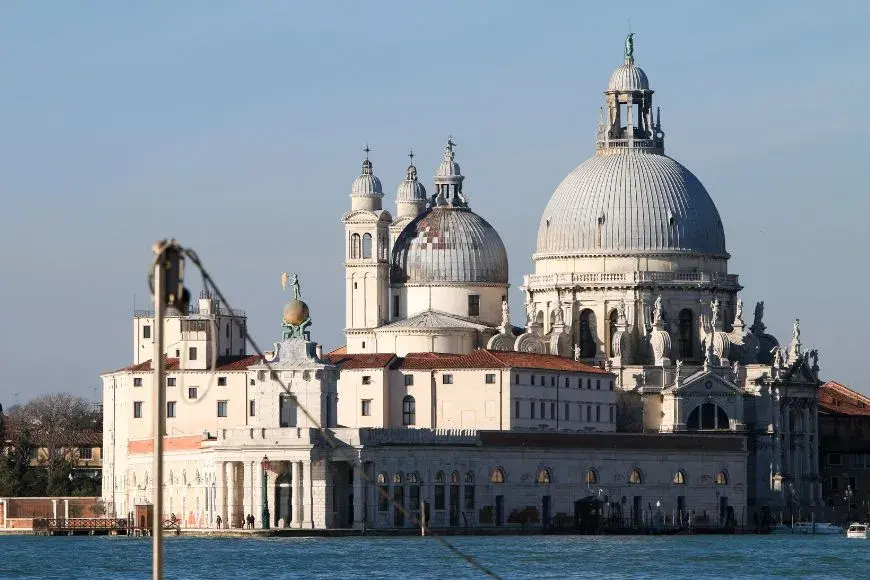
With three days, Venice opens up. This is when the city becomes less about sights and more about rhythm.
Day 1: Landmarks + Orientation
Similar to Day 1 above, but at a slower pace. Choose fewer interiors, linger longer, sit down more often.
Day 2: Deep Neighborhood Exploration
Spend most of the day away from San Marco. Cannaregio, Castello, or Dorsoduro reward curiosity. On one three-day trip, I didn’t enter a single major attraction on Day 2 — and it was my favorite day.
Day 3: Islands or Open Time
Use the final day for:
- One island visit
- A long vaporetto ride
- Revisiting a place you loved
This is also the best day for a gondola ride if you’ve decided it’s something you want — without feeling pressured to justify the cost.
Venice + Islands: When to Add Extra Time
If Venice is your main destination, adding an extra half or full day for the lagoon islands is worth it. The contrast between central Venice and places like Burano or Torcello makes both feel richer.
Just remember: Venice is not about speed. Every extra day reduces friction and increases enjoyment.
Final Advice on Planning Your Venice Itinerary
Venice punishes packed schedules and rewards patience. The trips I enjoyed most weren’t the ones where I saw the most — they were the ones where I felt least rushed.
If you take one thing from these itineraries, let it be this:
Plan less, stay longer, and leave space for the unexpected.
Get our FREE Italy
Travel Guide
E-Book
This printable guide is your ultimate companion for exploring Italy, with insider tips, detailed itineraries, transportation advice, must-see attractions, and more.

Where to Stay in Venice (Best Areas & Neighborhoods, Honestly Explained)
Choosing where to stay in Venice matters more than most people expect. On my first visit, I stayed outside the historic center to save money. On paper, it looked smart. In reality, it quietly ruined the experience — long commutes, missed early mornings, and zero chance to feel Venice when it was calm.
On later trips, once I started staying in Venice itself, everything changed. The city felt slower, softer, and more intimate. If there’s one piece of advice I give to anyone planning their first trip, it’s this:
If you can afford it, stay inside Venice — even if it means a smaller room or one fewer night.
Should You Stay in Venice or Outside the City?
Let’s address this honestly, because it’s one of the most common mistakes.
Staying on the mainland (Mestre or near the airport) is cheaper — but you pay in other ways:
- Long daily commutes
- Crowded transport during peak hours
- Missing early mornings and evenings
- Feeling like Venice is something you “visit,” not experience
Venice has two personalities. Daytime Venice belongs to visitors. Morning and evening, Venice belongs to locals — and you only experience that second side if you stay overnight.
I still remember stepping outside just after sunrise on my second visit, walking along a quiet canal with no one around, and realizing I’d missed this entire side of the city the first time.
San Marco: Central, Iconic, and Often Overwhelming

San Marco is the most famous area in Venice — and for good reason. It’s close to major landmarks and incredibly atmospheric.
Who San Marco Is Best For
- First-time visitors with very limited time
- Travelers who want everything within walking distance
- Those who are comfortable with crowds and higher prices
Honest Take
I’ve stayed near San Marco once. It was convenient, but also the least “Venetian” stay I’ve had. Crowds linger late, prices are higher, and the area can feel performative.
If San Marco is your base, my advice is simple: sleep there, explore elsewhere.
Dorsoduro: Relaxed, Artistic, and Walkable
Dorsoduro is one of my favorite areas to stay in Venice.
It feels open, creative, and noticeably calmer than San Marco, yet it’s still within easy walking distance of major sights.
Why I Like Staying Here
- Fewer crowds
- Beautiful canals and bridges
- Easy access to museums and quieter squares
On one trip, I stayed in Dorsoduro and found myself lingering longer each morning — coffee by the canal, slow walks, no rush to escape the crowds because they simply weren’t there.
This area is ideal if you want balance: close to the action, but not consumed by it.
Cannaregio: Local, Lived-In, and Authentic

If I had to choose just one neighborhood that feels most like real Venice, it would be Cannaregio.
This is where many Venetians actually live, and it shows.
Why Cannaregio Works So Well
- Quieter streets and canals
- Local shops and cafés
- A slower, more residential feel
I once stayed here for three nights and barely felt the urge to “do” anything. Mornings were calm, evenings felt social without being loud, and wandering felt effortless.
For travelers who want Venice without the constant buzz, Cannaregio is hard to beat.
Castello: Quiet, Spacious, and Underrated
Castello stretches east of San Marco and feels noticeably different from the rest of Venice.
It’s quieter, more spacious, and less polished — in a good way.
Who Should Stay in Castello
- Travelers returning to Venice
- Those who enjoy walking and slower days
- Anyone looking for a more residential atmosphere
I stayed here once on a longer trip and appreciated how Venice slowly faded into everyday life the further east I walked. It’s not for everyone, but it rewards patience.
San Polo & Santa Croce: Central but Less Touristy
These central neighborhoods are often overlooked, which works in their favor.
- San Polo feels lively during the day and quieter at night
- Santa Croce is practical and less crowded
They’re good middle-ground options if you want central access without San Marco prices.
Where NOT to Stay in Venice (First-Time Mistakes)
Based on experience, here’s where I’d think twice:
- Right next to major transport hubs — noisy and chaotic
- Mainland Venice (for short trips) — convenient but disconnected
- Ultra-budget areas far from everything — Venice exhaustion is real
Saving money on accommodation often leads to spending more energy — and in Venice, energy is everything.
Final Thoughts on Choosing Where to Stay in Venice
The best place to stay in Venice isn’t about luxury or star ratings — it’s about how you want the city to feel.
The stays I remember most weren’t the most expensive ones. They were the ones where I could step outside early, walk without urgency, and feel like Venice was mine for a moment.
If you’re planning your first visit:
- Stay inside Venice
- Choose calm over convenience
- Accept a smaller room for a better experience
Venice gives back what you give to it — time, patience, and presence.
Plan Your Trip with Our Favorite Booking Tools
Finding the Best Hotels in Venice
Once you’ve chosen the right neighborhood, the next step is finding a place that actually fits your travel style — whether that’s a quiet canal-side stay, a romantic boutique hotel, or something practical and well-located.
To make that easier, I’ve curated a short list of the best hotels in Venice, organized by area and travel type, with options I’d genuinely consider staying in myself.
👉 Explore the best hotels in Venice here.
Getting Around Venice (Walking, Vaporetto & Transfers Without Stress)

Getting around Venice is often what worries first-time visitors the most — and understandably so. No cars, confusing streets, canals instead of roads, and transport that looks nothing like what you’re used to.
I remember my first arrival vividly. I stepped off the train, looked around, and realized there were no taxis waiting — just water, boats, and people moving with a confidence I didn’t yet have. For a moment, Venice felt intimidating. Then, within a day, it felt strangely simple.
The truth is this: Venice is easier to navigate than it looks, once you understand how movement actually works here.
Walking in Venice: What to Expect on Your First Day
Venice is one of the most walkable cities in Europe — but walking here feels different.
There are no straight lines. Bridges interrupt your rhythm. Google Maps will occasionally send you into a dead end or across a bridge you weren’t expecting. On my first day, I checked my phone constantly, convinced I was going the wrong way. On later trips, I barely checked it at all.
That’s when Venice clicked.
What to know before you start walking:
- You’ll walk more than you expect
- You’ll cross dozens of bridges (stairs included)
- Getting “lost” is normal — and often rewarding
Venice isn’t designed for efficiency. It’s designed for discovery. Once I stopped trying to optimize routes and started planning my days by neighborhoods, walking became one of my favorite parts of the experience.
Vaporetto Explained: Venice’s Water Bus System
The vaporetto is Venice’s version of public transport — and it’s far more scenic than most city buses.
At first, it can feel confusing: different lines, crowded docks, boats arriving from multiple directions. I avoided it on my first visit, choosing to walk everywhere. On later trips, I realized how much I was missing.
Taking a vaporetto along the Grand Canal is one of the best ways to experience Venice from the water without paying for a private boat.
Why the vaporetto is worth using:
- It saves energy on longer routes
- It connects major areas and islands
- Some routes double as sightseeing cruises
Line 1, in particular, is slow — but stunning. Palaces slide past inches from the water, everyday life unfolds along the canal, and Venice suddenly makes sense as a city built for boats, not around them.
Vaporetto Tickets, Passes & Common Mistakes
Here’s where many first-time visitors overspend or get frustrated.
- Single rides are expensive
- Multi-day passes quickly become a better value
- Tickets must be validated before boarding
I once watched a couple argue with a ticket inspector because they didn’t realize validation was required. Venice is strict about this — not out of hostility, but because the system relies on it.
My advice: If you’ll use boats more than once or twice per day, a 24- or 48-hour pass almost always makes sense.
Gondolas vs Traghetti: What’s Worth It (and What Isn’t)
Gondolas are iconic — and expensive. They’re not meant for transportation; they’re an experience.
I avoided gondolas for years, assuming they were purely tourist traps. When I finally tried one, what surprised me wasn’t the view — it was the silence. Floating just above the waterline gives Venice a different texture.
That said, gondolas aren’t essential.
A traghetto, on the other hand, is transport. These shared gondolas cross the Grand Canal at specific points for a small fee and are used by locals. They’re quick, practical, and oddly fun — especially if you want the gondola experience without the full price tag.
Get our FREE Italy
Travel Guide
E-Book
This printable guide is your ultimate companion for exploring Italy, with insider tips, detailed itineraries, transportation advice, must-see attractions, and more.
Getting to Venice from the Airport
Arriving in Venice sets the tone for your trip.
Most international flights arrive at Venice Marco Polo Airport, and from there you have several options.
Venice Marco Polo Airport Transfers Explained
Water taxi:
Fast, direct, and expensive. Ideal if you’re traveling with luggage and want a dramatic arrival.
Alilaguna boat:
Slower but scenic and far more affordable. My personal favorite if timing works.
Bus to Piazzale Roma:
Budget-friendly and efficient, followed by walking or vaporetto.
On my second visit, I took the Alilaguna at sunset. Watching Venice emerge from the lagoon, slowly and quietly, remains one of my strongest arrival memories.
Arriving in Venice by Train
Venice’s main station, Venezia Santa Lucia, might be the most beautiful arrival point of any city in Europe.
You step off the train — and Venice is immediately there. No transfer, no taxi ride, no delay.
From the station:
- Walk if your accommodation is nearby
- Take a vaporetto if crossing the city
- Avoid dragging luggage across too many bridges
The first time I arrived by train, I stood still for a full minute just taking it in. It’s a powerful way to enter the city.
Book Train / Bus / Ferry / Flight


Can You Use a Car in Venice?
Short answer: no — not inside Venice itself.
Venice is completely car-free. Once you reach the edge of the historic city, cars stop, and everything continues on foot or by boat. If you’re arriving as part of an Italy road trip, this isn’t a problem — it just requires a bit of planning.
Cars can only go as far as Piazzale Roma or designated parking areas on the mainland. From there, you switch to walking or a vaporetto to reach your accommodation. The first time I arrived by car, I underestimated how much of a mental shift this would be — but once you park and let go of the car, Venice immediately feels calmer.
If you’re driving, choosing the right parking option matters. Venice has a few main choices, each with different costs, convenience levels, and trade-offs:
- Parking directly at Piazzale Roma (closest, most expensive)
- Tronchetto parking island (good balance for many travelers)
- Mainland parking in Mestre (cheaper, but requires commuting)
To avoid confusion — and expensive mistakes — I’ve broken everything down in a dedicated guide covering where to park in Venice, including practical advice on which option works best for short stays, longer visits, and different arrival times.
👉 Read the full guide on where to park in Venice.
Once the car is parked, you won’t need it again until you leave — and that’s part of Venice’s charm. The city forces you to slow down, walk more, and experience it at a slow pace.
Accessibility & Luggage Tips (Important to Know)
Venice can be challenging with heavy luggage or limited mobility.
Things I learned the hard way:
- Bridges mean stairs — lots of them
- Wheel access is limited in some areas
- Rolling suitcases over stone gets old fast
If possible:
- Pack lighter than you think you need
- Choose accommodation with minimal bridge crossings
- Confirm accessibility in advance
These small decisions dramatically affect comfort.

Common Transport Mistakes First-Time Visitors Make
Based on my own early trips and what I’ve seen others struggle with:
- Assuming Venice is “small”
- Not budgeting for boat transport
- Dragging heavy luggage across half the city
- Treating vaporetto rides as wasted time
- Overusing Google Maps instead of landmarks
Once you let Venice guide you — rather than fighting it — movement becomes intuitive.
What Is the Best Way to Get Around Venice?
The best way to get around Venice is on foot, supported by vaporetto rides when distances are long or energy runs low. Gondolas are optional experiences, not necessities.
Is Venice Walkable?
Yes — Venice is extremely walkable, but it rewards patience and comfortable shoes. Walking isn’t just transport here; it’s part of the experience.
Final Thoughts on Moving Through Venice
Venice teaches you to move differently. Slower. Less direct. More observant.
The moment I stopped treating transport as a problem to solve — and started seeing it as part of the journey — Venice stopped feeling confusing and started feeling intuitive.
Once you understand how to get around, the city opens up.
Day Trips & Islands from Venice (What’s Actually Worth Leaving the City For)
One of the quiet surprises of visiting Venice is how complete it feels on its own. On my earlier trips, I felt no urgency to leave the city at all — Venice was already enough. On later visits, especially longer ones, I started appreciating how well a carefully chosen day trip can refresh the experience rather than distract from it.
Venice’s lagoon and surrounding region offer excellent excursions, but trying to do too many — or treating day trips like a checklist — often backfires. Some places reward a slow half-day. Others are best saved for a different trip altogether.
The Lagoon Islands: Venice’s Natural Extensions
If you leave Venice at all, the lagoon islands should be your first choice. They feel connected to the city’s identity, history, and rhythm — not like a detour.
Murano: Craft, Not Souvenirs

Murano is famous for glassmaking, and it’s often dismissed as overly touristy. I used to think the same — until I slowed down.
On my first visit, I rushed through shops, watched a five-minute glass demo, and left unimpressed. On a later trip, I visited a working furnace, stayed longer, and watched the same repetitive gestures slowly shape molten glass. That experience changed my perception completely.
Murano works best if you:
- Visit one workshop or museum, not many
- Avoid shop-hopping
- Pair it with a quiet walk along the canals
If you treat Murano as a place rather than a souvenir stop, it becomes meaningful.
Burano: Color, Calm, and Everyday Life

If there’s one island I recommend most confidently, it’s Burano.
Yes, the houses are colorful. Yes, it’s photogenic. But what stayed with me wasn’t the photos — it was the pace. Burano feels lived-in. People chat in doorways. Laundry dries above canals. Time stretches slightly.
On one visit, I planned to stay an hour and ended up staying most of the afternoon, sitting quietly near the water doing absolutely nothing productive — and loving it.
Burano is ideal if you want:
- A slower rhythm
- A visual contrast to Venice
- A relaxed half-day without pressure
Torcello: Quiet, Space, and Perspective

Torcello isn’t for everyone — and that’s exactly why it’s special.
It’s green, quiet, and lightly visited. After days of navigating bridges and crowds, stepping onto Torcello feels like exhaling. The island offers space, silence, and a glimpse of what the lagoon was like before Venice dominated it.
I once visited Torcello on a warm afternoon with no real plan. I walked slowly, sat often, and felt no urge to check the time. It was the most restorative few hours of that trip.
If Venice ever feels overwhelming, Torcello is the antidote.
How Many Islands Should You Visit?
Here’s the honest answer: one per day is enough.
Trying to combine Murano, Burano, and Torcello in a single outing usually turns the day into a transport exercise rather than an experience. The lagoon looks calm, but distances add up, and boats take time.
Choose one island that fits your mood — and let that be enough.
Mainland Day Trips from Venice (When You Want a Change of Scene)
If you’re staying longer in Venice or craving something different, mainland day trips can work well — especially by train.
Padua: Art, History, and Calm Streets
Padua is one of the easiest and most rewarding day trips from Venice.
It’s compact, walkable, and rich in history, yet far less crowded. The highlight for many is Giotto’s frescoes in the Scrovegni Chapel, but Padua’s appeal goes beyond that — it feels scholarly, relaxed, and grounded.
I visited Padua on a whim one morning and returned to Venice by evening feeling refreshed rather than exhausted. That’s the mark of a good day trip.
Verona: Romantic, but Busy
Verona often appears on lists of popular day trips from Venice, and while it’s undeniably beautiful, it’s also busy.
I enjoyed Verona most when I arrived early and left before evening crowds peaked. It’s a strong option if you’re curious — but if your time is limited, I’d prioritize lagoon islands first.
Should You Do a Day Trip at All?
This is worth asking.
On short trips (1–2 days), I usually recommend staying in Venice. The city has enough depth that leaving can feel unnecessary. On longer stays, a well-chosen day trip can add contrast without pulling you away from the core experience.
Some of my favorite Venice trips included no day trips at all — just slower days, longer walks, and repeated routes that slowly became familiar.
Practical Tips for Planning Day Trips from Venice
From experience, a few things make day trips smoother:
- Start early, especially for islands
- Avoid packing multiple destinations into one day
- Check return boat times in advance
- Keep one day unscheduled if possible
Day trips should feel like a break — not a race.
Final Thoughts on Leaving Venice
Venice is a destination that doesn’t demand constant movement. The best day trips from Venice are the ones that complement the city rather than compete with it.
If you choose carefully, even a few hours away can deepen your appreciation of Venice itself.
Best Time to Visit Venice (By Season, Crowds & Real Experience)
If you ask ten people when is the best time to visit Venice, you’ll probably get ten different answers — and after multiple trips across different seasons, I understand why. Venice changes dramatically throughout the year. Not just in weather, but in mood, crowds, prices, and even how much patience you’ll need.
The truth is: there’s no single “perfect” time to go. The best time to visit Venice depends on what kind of experience you want — energetic or calm, warm or atmospheric, busy or introspective.
I’ve visited Venice in peak summer crowds, quiet winter mornings, and shoulder-season sweet spots. Each version felt like a different city.
Venice in Spring (March to May): The Sweet Spot for Many Travelers
If you’re wondering when to go to Venice for the best balance of weather and atmosphere, spring often tops the list — and for good reason.
What Spring Feels Like in Venice
- Mild temperatures
- Longer daylight hours
- A city slowly waking up after winter
I remember one April morning walking along a quiet canal with light reflecting softly off the water, cafés setting up tables, and no urgency anywhere. Venice felt optimistic — open, but not overwhelmed.
Pros
- Comfortable weather for walking
- Fewer crowds than summer (especially March–April)
- Great light for photography
Cons
- Prices rise around Easter
- Late spring (May) starts getting busy
Verdict: For many people, spring is the best time to visit Venice, especially if you want pleasant weather without peak summer chaos.
Venice in Summer (June to August): Intense but Iconic
Summer is often the default answer to when is the best time to visit Venice — but it’s also the most challenging season.
What Summer Is Really Like
- Hot, humid days
- Heavy crowds from late morning to evening
- Busy transport and long lines
My first-ever Venice trip was in July. I saw everything — and enjoyed almost none of it the way I expected. The heat drained my energy, crowds tested my patience, and I spent too much time escaping rather than exploring.
That said, summer Venice isn’t bad — it just requires adjustment.
How to Make Summer Work
- Start days very early
- Rest midday
- Explore in the evening
Some of my most beautiful Venice moments happened on warm summer nights, when the city finally exhaled, and footsteps echoed across empty bridges.
Pros
- Lively atmosphere
- Long days
- Events and festivals
Cons
- Heat and humidity
- Peak crowds and prices
Verdict: Summer isn’t the best time to visit Venice for comfort — but it can be rewarding if you plan carefully and embrace early mornings and late nights.
Venice in Fall (September to November): Calm Returns
If spring is Venice waking up, fall is Venice settling down.
When people ask me when to go to Venice for a calmer experience without winter conditions, I often point to fall.
What Fall Feels Like
- Softer light
- Cooler air
- A slower pace returning
On a September visit, I noticed something subtle: people lingered longer. Cafés felt less rushed. Walking felt easier. Venice regained its balance.
Pros
- Fewer crowds than summer
- Comfortable walking weather
- Beautiful autumn light
Cons
- Occasional rain
- Increasing chance of acqua alta in late fall
Verdict: Early fall is one of the most underrated times to visit Venice — especially for travelers who value atmosphere over events.
Venice in Winter (December to February): Quiet, Moody, and Polarizing
Winter Venice divides opinion — and I understand why.
My first winter visit felt eerie and unforgettable. Fog rolled in off the lagoon, streets were quiet, and Venice felt introspective. It wasn’t “pretty” in the traditional sense — it was atmospheric.
What Winter Venice Is Like
- Fewer tourists
- Shorter days
- Cold, damp air
Pros
- Lowest crowds
- Lower accommodation prices
- A more local feel
Cons
- Cold and humidity
- Acqua alta risk
- Limited daylight
If you’re someone who loves moody cities and quiet walks, winter might actually be the best time to visit. If you want bright light and café culture, it may feel too quiet.
Acqua Alta: What You Need to Know
High water (acqua alta) often comes up when people ask when to go to Venice — and it’s worth addressing calmly.
Acqua alta usually:
- Happens in fall and winter
- Affects specific low-lying areas
- Is temporary
I experienced it once unexpectedly. Raised walkways appeared, locals adapted instantly, and within hours, life returned to normal. It’s inconvenient, not catastrophic.
With modern warning systems, it’s rarely a surprise anymore.
Plan Your Trip with Our Favorite Booking Tools
Events & Festivals: Timing Around Crowds
Venice hosts some incredible events — but they affect crowd levels dramatically.
- Carnival (Feb): magical visuals, intense crowds
- Biennale: art-focused visitors, longer stays
- Summer festivals: lively but busy
If events matter to you, plan around them. If not, avoid peak dates.
So… When Is the Best Time to Visit Venice?
Here’s the honest breakdown:
- Best overall balance: April, May, September
- Best for fewer crowds: November, January
- Best for energy & events: June, July
- Best for atmosphere: Winter (if you’re prepared)
The best time to visit Venice isn’t about perfection — it’s about alignment. Choose the season that matches how you like to travel.
Common Venice Mistakes to Avoid (Lessons I Learned the Hard Way)
Venice has a way of humbling even experienced travelers. I’ve seen it happen repeatedly — and I’ve been guilty of most of these mistakes myself. Not because Venice is difficult, but because it quietly punishes rushed planning, false assumptions, and trying to treat it like a “normal” city.
If you avoid just a few of the mistakes below, your experience in Venice will feel calmer, richer, and far more rewarding.
Treating Venice as a Day Trip
This is the most common mistake — and the most damaging.
I did it on my first visit. I arrived late morning, followed the crowds, rushed through highlights, and left in the evening, convinced Venice was beautiful but exhausting. What I didn’t realize was that I’d only seen Venice at its worst.
Day-trippers experience:
- Peak crowds
- Long lines
- Noise and congestion
- Zero sense of rhythm
Venice transforms early in the morning and after sunset. Streets quiet down, neighborhoods feel lived-in, and the city becomes intimate. You only experience that if you stay overnight — even just one night.
Fix: If at all possible, stay at least one night in Venice. It changes everything.
Spending All Your Time Around San Marco
San Marco is iconic — and also the most crowded part of the city.
I once spent nearly an entire day in and around the square, thinking I was “doing Venice right.” By late afternoon, I was drained and oddly disconnected from the city.
Venice is made up of distinct neighborhoods, each with its own rhythm. Limiting yourself to San Marco means missing most of what makes Venice special.
Fix: See San Marco early or late, then move on. Neighborhoods like Cannaregio, Dorsoduro, and Castello offer a more human version of Venice.
Overpacking Your Itinerary
Venice looks compact on a map, which leads many people to assume they can see a lot in a short time. I made this mistake early on — stacking landmarks, museums, and islands into a single day.
The result? Constant movement, little memory.
Venice requires more energy than you expect. Bridges slow you down. Crowds drain focus. Even beautiful things become tiring when rushed.
Fix: Plan fewer activities per day. Choose one or two “anchors” and leave space in between. Venice rewards slower travel more than any city I know.
Underestimating Walking (and Stairs)
Venice is walkable — but it’s not flat.
On one trip, I arrived with a heavy rolling suitcase and immediately regretted it. Bridges mean stairs, stone surfaces mean vibration, and short distances feel longer with luggage.
The same applies during sightseeing. You’ll cross dozens of bridges daily, often without noticing — until your legs do.
Fix: Pack lighter than you think you need. Wear comfortable shoes. Plan accommodations with minimal bridge crossings if mobility is a concern.
Assuming Gondolas Are Essential
Gondolas dominate Venice imagery, which creates the impression that you must ride one to “do Venice properly.”
I avoided gondolas for years, then finally tried one out of curiosity. It was pleasant, quiet, and memorable — but it wasn’t essential, and it wasn’t transformative.
Many travelers feel pressured into a gondola ride, only to regret the cost or feel underwhelmed.
Fix: Treat gondolas as optional experiences, not requirements. You won’t miss Venice’s essence if you skip them.
Ignoring Vaporetto Passes
Transport costs catch many visitors off guard.
Single vaporetto rides are expensive, and I’ve watched countless travelers pay far more than necessary because they didn’t plan ahead. I did the same on my first visit, assuming I’d mostly walk — and then realizing how useful boats actually are.
Fix: If you plan to use boats more than once or twice a day, multi-day vaporetto passes almost always offer better value and less stress.
Staying on the Mainland to Save Money
This one is controversial — and I understand why people do it. Venice accommodation is expensive.
I stayed on the mainland once to save money. Logistically, it worked. Experientially, it didn’t. Daily commutes added friction, early mornings were missed, and evenings felt rushed.
Venice is at its best when you can step outside and immediately be in it.
Fix:
If the budget is tight, consider:
- A shorter stay inside Venice
- A smaller room in a quieter neighborhood
- Visiting during the shoulder or low season
Saving money shouldn’t come at the cost of the experience itself.
Overusing Google Maps Instead of Landmarks
Venice isn’t street-based — and Google Maps doesn’t always understand that.
I’ve followed Maps instructions that led me into dead ends, private courtyards, or unnecessary detours. Locals navigate by landmarks, bridges, and general direction — not exact addresses.
Fix: Use Google Maps as a guide, not a rule. Pay attention to signs, bridges, and water direction. Getting slightly lost is part of the experience.
Trying to “Beat” Venice Instead of Letting It Happen
This is less obvious, but just as important.
Venice isn’t a city you conquer. It’s a city you adapt to. The trips I enjoyed least were the ones where I tried to control everything — routes, timing, outcomes. The best trips were the ones where I left space for wandering, repetition, and quiet moments.
Fix: Let go of perfection. Accept that you won’t see everything. Venice gives more to travelers who don’t demand too much from it.
Final Thoughts on Avoiding Venice Mistakes
Most Venice mistakes come from good intentions — wanting to see more, do more, save money, or maximize time. But Venice works differently.
The trips I remember most weren’t flawless. They were slow, imperfect, and full of small moments I didn’t plan.
Avoid these common mistakes, and Venice will meet you halfway — with beauty, calm, and a sense of place that’s hard to describe but easy to feel.
Essential Booking & Planning Resources
To keep your Venice trip smooth, these are the tools I consistently use for planning and bookings. They’re not about adding more — they’re about removing friction.
🚆 Transportation
Best for comparing trains, buses, and ferries across Italy, especially routes like Venice ↔ Milan, Florence, and Verona.
👉 Check transportation options with Omio.
🚗 Car Rental
Ideal if Venice is part of a larger Italy road trip. Compare prices and avoid overpaying for insurance.
👉 Compare car rentals for Italy.
🎟️ Tours & Tickets
Useful for skip-the-line tickets and small-group tours when time is limited or crowds are heavy.
👉 Browse Venice tours and tickets.
📶 Stay Connected
Quick, digital data access without physical SIM cards — convenient the moment you arrive.
👉 Get an Italy eSIM.
🏨 Hotels in Venice
Choose your neighborhood first, then book.
👉 Explore the best hotels in Venice by area.
Frequently Asked Questions About Visiting Venice
Do you need tickets to enter Venice?
For most travelers, no ticket is required to enter Venice, but there may be a day-visitor access fee on selected peak dates. Overnight guests are generally exempt. Rules can change seasonally, so it’s worth checking official updates before visiting.
Is Venice walkable for older travelers or families?
Yes, Venice is very walkable, but it involves bridges, stairs, and uneven stone surfaces. Older travelers and families often do best by planning shorter walking days, using vaporetti strategically, and staying in a central but quieter neighborhood.
Is Venice safe for tourists?
Venice is considered very safe, even at night. Violent crime is rare, but pickpocketing can occur in crowded areas like San Marco and on busy vaporetti. Basic awareness is usually enough to avoid issues.
Can you drink tap water in Venice?
Yes — tap water in Venice is safe to drink. You’ll find public water fountains around the city where you can refill bottles, which is especially useful in warmer months.
Do shops and restaurants close early in Venice?
Not exactly, but Venice follows a different rhythm. Many shops close mid-afternoon, while restaurants typically open for dinner later than expected. Planning meals slightly later in the evening often leads to a calmer, more local experience.
Is Venice suitable for budget travelers?
Venice can be expensive, but budget travel is possible with smart choices — visiting in shoulder or winter seasons, staying in less touristy neighborhoods, and avoiding restaurants near major attractions. Costs depend heavily on timing and location.
Are there public bathrooms in Venice?
Public bathrooms exist but are limited and often paid. Cafés and restaurants are the most reliable option. It’s a small detail, but knowing this in advance avoids frustration during long walking days.
Do you need cash in Venice?
Cards are widely accepted, but having some cash is still useful for small cafés, bakeries, and public restrooms. ATMs are easy to find throughout the city.
Plan Smarter: Related Travel Guides & Next Stops
If Venice is part of a bigger Italian journey, these guides help you connect the dots without re-planning everything from scratch:
- Italy Travel Guide – Routes, timing, and planning tips for traveling across Italy
- Milan Travel Guide – A natural pairing with Venice by train
- Florence Travel Guide – Renaissance art and walkable historic streets
- Rome Travel Guide – Italy’s historic capital and cultural anchor
Final Thoughts: How to Experience Venice Properly
Venice isn’t a city you rush through or try to “complete.” It’s a place that asks for patience, curiosity, and a willingness to slow down. The trips I remember most weren’t the ones where I saw the most — they were the ones where I stopped trying to control every moment and let the city unfold on its own terms.
If there’s one thing I hope this guide helps you do, it’s arrive prepared but not rigid. Choose the right neighborhood, stay at least one night, plan fewer days more thoughtfully, and leave space for wandering. Venice gives its best moments quietly — early in the morning, late in the evening, or on a bridge you didn’t plan to cross.
Whether this is your first visit or a return trip, Venice rewards travelers who treat it as a living place rather than a checklist. Walk slowly. Look up often. Sit when something feels right. And don’t worry if you don’t see everything — Venice has a way of making even small moments feel complete.
If Venice is part of a larger Italian journey, use it as a reminder of how powerful slowing down can be. And if Venice is the journey, trust that it will meet you halfway.
Buon viaggio — and enjoy Venice properly!
Get our FREE Italy
Travel Guide
E-Book
This printable guide is your ultimate companion for exploring Italy, with insider tips, detailed itineraries, transportation advice, must-see attractions, and more.
Explore More
- Siena Travel Guide: Best Things to Do, Where to Stay, and Travel Tips
- Tuscany Travel Guide: Best Places to Visit, Things to Do & Travel Tips
- One Day in Siena: How to Spend the Perfect Day in Tuscany’s Medieval City
- Pisa Travel Guide: Plan the Perfect Visit to Italy’s Leaning Tower City


Book Your Tour
Rent Car

💬 We’d love to hear from you!
Have questions, tips, or personal travel stories to share? Drop them in the comments below — your insights help fellow travelers plan their adventures too.