
Best Things to Do in Florence: Must-See Places & What’s Truly Worth Your Time

by Asia A. | Last Updated January 13, 2026

What to See in Florence, Beyond the Checklist
Florence is one of those cities that feels familiar long before you arrive — and still manages to surprise you once you’re there. On my first visit, I expected a city defined by museums and monuments. What I found instead was a place that reveals itself slowly, through walkable streets, quiet piazzas, and moments that don’t show up on a checklist.
The challenge with Florence isn’t finding things to do — it’s choosing what actually deserves your time. With so many famous sights packed into a compact historic center, it’s easy to rush past the must-see places in Florence without really absorbing them. I learned quickly that Florence rewards a slower approach, where knowing when and how to explore matters just as much as what you see.
This guide focuses on the best things to do in Florence — the places that genuinely shape a visit, the walks that tie everything together, and the small planning choices that make the city feel effortless rather than overwhelming.
Whether you’re deciding what to see in Florence for the first time or refining a return trip, the goal here is simple: help you experience Florence with clarity, balance, and breathing room.
This guide focuses on what to see and do in Florence — for broader planning, neighborhoods, and practical tips, explore our Florence Travel Guide.
Map of Top Attractions in Florence
Florence looks compact on a map, but once you start walking, the distances — and the crowds — add up faster than expected. One of the biggest mistakes I see (and made myself on my first visit) is hopping between attractions in the order they sound important, rather than how the city actually flows.
Most of the must-see places in Florence cluster naturally around the historic center and along the Arno River. When you understand this layout, planning becomes easier: less backtracking, fewer rushed moments, and more time to actually enjoy the city instead of navigating it.
This map highlights the key tourist places in Florence and shows how they connect geographically, making it easier to group sights logically and build a relaxed sightseeing plan — whether you’re here for one day or several.
What You’ll See on the Map
- The Duomo complex and the surrounding historic core
- Accademia Gallery (Michelangelo’s David)
- Uffizi Gallery & Piazza della Signoria
- Ponte Vecchio and the Arno River walk
- Oltrarno highlights south of the river
- Piazzale Michelangelo viewpoint
Use this map as your visual reference point — the sections that follow break these places down one by one, with practical tips on timing, priorities, and what’s truly worth your time.
🚀 Plan Smarter: Bookings & Travel Tools
Short on time? These are the tools most travelers use to plan Florence smoothly and avoid last-minute stress.
🎟️ Must-Book Attractions
- Accademia Gallery (David) – Timed entry & skip-the-line tickets.
- Uffizi Gallery – Reserve ahead for Renaissance masterpieces.
- Brunelleschi’s Dome – Limited access, advance booking essential.
🚗🚆 Getting Around Italy
- DiscoverCars – Compare car rentals in Florence and across Italy. Best for Tuscany road trips and countryside travel.
- Omio – Book trains and buses between Florence, Pisa, Rome, and more. Ideal for day trips and city-to-city travel.
📶 Stay Connected
- Airalo eSIM – Instant mobile data in Italy with no physical SIM card.
Set it up before landing and stay connected from arrival.
Using these tools keeps your Florence itinerary flexible and stress-free.
What Are the Best Things to Do in Florence for First-Time Visitors?
If it’s your first time in the city, focus on a small group of experiences that capture Florence’s art, history, and atmosphere without turning your trip into a race.
The best things to do in Florence for first-time visitors are:
- Visit the Duomo complex to understand the city’s religious and architectural heart
- See Michelangelo’s David at the Accademia Gallery
- Walk through Piazza della Signoria and admire its open-air sculptures
- Cross Ponte Vecchio and stroll along the Arno
- Watch the sunset from Piazzale Michelangelo
These highlights cover the most important must-see places in Florence and give you a strong sense of the city without overloading your schedule. Once these essentials are in place, you can slow down, explore nearby streets, or add museums and neighborhoods based on your interests.
Below, each of these experiences is broken down with practical tips on timing, crowds, and how to see them in a way that feels relaxed rather than rushed.
The Duomo Complex: Florence’s Icon You Can’t Skip

No matter how short your stay is, the Duomo complex is non-negotiable. This is where Florence’s history, ambition, and artistry come together — and understanding how to visit it makes a huge difference to your experience.
At the center stands the Cathedral of Santa Maria del Fiore, usually called the Duomo. Its marble façade dominates the historic center, but the real story unfolds when you explore the surrounding buildings that form the full Duomo complex.
Florence Cathedral (Exterior & Interior)
The cathedral itself is free to enter and worth stepping inside, even briefly. The interior is intentionally austere, which makes the scale of the space — and the engineering of the dome above — feel even more dramatic. I recommend coming early in the morning or later in the afternoon to avoid the longest lines.
Brunelleschi’s Dome (Cupola Climb)

Climbing Brunelleschi’s Dome is one of the most memorable experiences in Florence. The climb is narrow and physically demanding, but you’re rewarded with close-up views of Vasari’s frescoes and one of the best panoramas over the city.
Worth it if: this is your first visit and you want a once-in-a-lifetime perspective.
Skip it if: tight spaces or steep stairs aren’t your thing — the city offers other viewpoints.
Giotto’s Bell Tower

The Giotto’s Bell Tower offers a different experience. The climb is slightly less intense, and the view looks toward the dome rather than from it — a big plus for photography.
Baptistery of St. John

Directly opposite the cathedral, the Baptistery of St. John is one of Florence’s oldest buildings. Its bronze doors and glittering mosaics give important context to the city’s early religious history.
Museo dell’Opera del Duomo
Often overlooked, the Museo dell’Opera del Duomo ties everything together. It houses original sculptures, architectural models, and works that once stood outside the cathedral — and it’s one of the best places to truly understand how the Duomo was built.
Practical Tips for Visiting the Duomo Complex
- Visit early to avoid crowds, especially in peak season
- Choose one climb (Dome or Bell Tower) to save energy
- Combine the museum visit with your climb for a better context
- Allow at least 2–3 hours if you plan to explore the complex properly
For first-time visitors, this is one of the most important places to visit in Florence, Italy — and doing it thoughtfully sets the tone for the rest of your trip.
See Michelangelo’s David (Accademia Gallery)

There are very few moments in travel where a place goes completely quiet — even in a crowded room. Seeing David at the Accademia Gallery is one of those moments.
I remember the walk through the gallery feeling almost ordinary at first, and then suddenly opening into the Tribune — the space where Michelangelo’s David stands. The scale hits you immediately. Photos never prepare you for how alive the sculpture feels, from the tension in the hands to the calm focus in his expression. It’s not just a masterpiece you admire — it’s something you feel.
Why Seeing David Matters
Michelangelo carved David from a single block of marble that others had abandoned, and standing in front of it, you can sense both the confidence and vulnerability he captured. It’s easy to understand why this statue became a symbol of Florence itself — strength, independence, and quiet defiance.
Even if art museums aren’t usually your thing, this visit often changes minds. I’ve seen people who planned to “pop in for ten minutes” end up circling the statue slowly, just taking it in.
What Else to See Inside the Accademia
While David is the star, don’t rush out immediately:
- The Prisoners (Slaves) — unfinished sculptures that show Michelangelo’s creative process, almost as if the figures are emerging from the marble
- Florentine paintings from the 13th–15th centuries, which provide context for the city’s artistic evolution
These quieter rooms balance the emotional intensity of seeing David and help you appreciate why Florence became such a powerful center of Renaissance art.
Practical Tips for Visiting the Accademia
- Book tickets in advance — lines can be long even outside peak season
- Visit early morning or late afternoon for a calmer experience
- Plan about 45–60 minutes inside; more if you enjoy lingering
For many travelers, this is one of the most powerful things to see in Florence — not because of its size or fame, but because of how personal the experience feels once you’re standing there, face to face.
Plan Your Trip with Our Favorite Booking Tools
Uffizi Gallery: Is It Worth It (and How to Visit Without Burnout)?

The Uffizi Gallery can feel intimidating before you go — long corridors, famous names, and the fear of museum overload. I felt that too. What changed everything for me was realizing that the Uffizi isn’t meant to be “completed.” It’s meant to be experienced selectively.
When you pace it right, the Uffizi becomes one of the most rewarding places to visit in Florence — not because you saw everything, but because you connected with a few unforgettable works.
What Makes the Uffizi Special
This is where Florence’s story unfolds room by room. Seeing Botticelli’s Birth of Venus and Primavera in person is different from seeing them in books — the colors are softer, the scale more human, and the emotion more intimate than you expect.
There’s a moment when the crowds thin out, and suddenly you’re standing quietly in front of a painting that has shaped centuries of art. Those are the moments the Uffizi does best.
Don’t miss the windows along the corridors either. Pausing to look out over the Arno offers a mental reset — and one of the most underrated views in the city.

How to Visit Without Burning Out
The biggest mistake is trying to see it all. Instead:
- Decide in advance which artists or periods matter most to you
- Move slowly through a few rooms, then take a break
- Step outside onto the terrace or pause by the windows when you feel saturated
I’ve found that limiting the visit to about two hours keeps the experience meaningful rather than exhausting.
Who Should Prioritize the Uffizi (and Who Might Skip It)
- Worth it if: you enjoy art, history, or want to understand Florence beyond its architecture
- Optional if: you’re short on time and already planning the Accademia and Duomo — Florence still offers plenty beyond museums

Practical Tips for Visiting the Uffizi
- Book tickets in advance — same-day availability is unpredictable
- Early morning or late afternoon visits feel calmer
- Plan your visit on a different day than the Accademia to avoid museum fatigue
When visited thoughtfully, the Uffizi isn’t just another gallery — it’s one of the most meaningful tourist places in Florence, offering quiet, reflective moments that balance the city’s busier landmarks.
Piazza della Signoria & Palazzo Vecchio

If there’s one place where Florence feels most alive, it’s Piazza della Signoria. I found myself passing through this square again and again — sometimes with purpose, sometimes just to sit, watch, and absorb the atmosphere. It doesn’t feel like a museum you enter; it feels like a stage where Florence’s past and present keep playing out.
Why Piazza della Signoria Feels Different

Unlike many famous squares, this one isn’t frozen in time. Locals cross it on their way home, street performers appear at dusk, and the light shifts constantly across the statues. Standing here, it’s easy to understand Florence as a living city rather than a collection of monuments.
Under the open arches of the Loggia dei Lanzi, you can admire powerful Renaissance sculptures without buying a ticket. I remember lingering here longer than expected, circling the statues slowly, noticing details that photos never capture.
Palazzo Vecchio: Power, Politics, and Perspective

Dominating the square is Palazzo Vecchio, Florence’s historic town hall. Even from the outside, it conveys authority — solid, imposing, unapologetically political.
Going inside adds another layer. The richly decorated halls, maps, and frescoes reveal how art and power were intertwined in Florence. Walking through these rooms, I felt the contrast sharply: outside, an open and social square; inside, spaces designed to impress, intimidate, and control.
Worth going inside if: you’re curious about Florence beyond art museums and want to understand how the city was governed.
Enough to admire from outside if: your time is limited — the square itself already tells a powerful story.
Practical Tips for Visiting Piazza della Signoria
- Visit once during the day and again in the evening — the atmosphere changes completely
- The square is free and always accessible, making it one of the easiest things to see in Florence
- Combine this stop naturally with the Uffizi and a walk toward the river
Get our FREE Italy
Travel Guide
E-Book
This printable guide is your ultimate companion for exploring Italy, with insider tips, detailed itineraries, transportation advice, must-see attractions, and more.

Ponte Vecchio & The Arno River Walk

Crossing the Ponte Vecchio is one of those moments that feels unmistakably Florentine. The first time I walked over it, I expected a quick photo stop. Instead, I slowed down — not because of the shops, but because of the sense of continuity. This bridge has carried daily life across the Arno for centuries, and it still does.
Why Ponte Vecchio Is More Than “Just a Bridge”
Yes, it’s busy. Yes, it’s famous. But Ponte Vecchio earns its reputation. The goldsmith shops built directly into the bridge give it a texture you don’t see anywhere else in Europe, and the enclosed Vasari Corridor running above hints at the city’s Medici past.
What surprised me most wasn’t standing on the bridge — it was looking at it from a short distance away.
The Best Way to Experience the Arno
After crossing Ponte Vecchio, take time to walk along the river. The stretch between Ponte Santa Trinita and Ponte Vecchio offers one of the most beautiful views in the city, especially as the light softens toward evening.
I remember pausing here at sunset, watching the river reflect the warm tones of Florence’s buildings. It’s a quiet, grounding moment — a reminder that some of the best experiences in the city don’t require tickets or planning.
When to Go (and When to Avoid It)
- Early morning: calmer, more local feel
- Golden hour: magical light, but crowded
- Late evening: fewer tour groups, relaxed atmosphere
If you’re overwhelmed by museums or churches, this walk is the perfect reset. It’s also one of the simplest yet most memorable things to see in Florence, especially for first-time visitors.
Plan Your Trip with Our Favorite Booking Tools
Where Are the Best Views in Florence?
Florence rewards anyone willing to look up — or climb a little. The city’s skyline is compact, layered, and incredibly photogenic, and a few well-chosen viewpoints reveal how everything fits together.
The best views in Florence are:
- Piazzale Michelangelo – the most iconic panoramic view
- Giotto’s Bell Tower – a close, architectural perspective on the Duomo
- Brunelleschi’s Dome – immersive, emotional, and unforgettable
Each offers a very different experience — and choosing the right one depends on your time, energy, and what kind of moment you’re looking for.
Piazzale Michelangelo: The Classic Panorama

If you only choose one viewpoint, this is it. From Piazzale Michelangelo, Florence spreads out in front of you — the Duomo rising from a sea of terracotta roofs, the Arno cutting through the city, and the hills framing it all.
I remember coming here just before sunset, thinking I’d stay five minutes. I stayed nearly an hour. It’s one of the rare spots where the scale of Florence finally makes sense.
Tip: Walk a little higher to San Miniato al Monte for a quieter, equally beautiful view.

Giotto’s Bell Tower: The Photographer’s Choice
Climbing Giotto’s Bell Tower gives you something Piazzale Michelangelo can’t — the Duomo in your view, not just below it. The climb is steep but manageable, and the open terraces make it feel less claustrophobic than the Dome.
This was the viewpoint where I took my favorite photos of Florence.
Brunelleschi’s Dome: The Most Emotional View
Standing at the top of Brunelleschi’s Dome feels earned. The narrow staircases, the closeness of the frescoes, and the final emergence onto the terrace make the view feel personal rather than panoramic.
It’s not the easiest climb, but it’s often the most memorable — especially on a first visit.
Which View Should You Choose?
- Short on time: Piazzale Michelangelo
- Love photography: Giotto’s Bell Tower
- Want a once-in-a-lifetime experience: Brunelleschi’s Dome
Whichever you choose, these viewpoints are among the most rewarding things to see in Florence, offering perspective not just on the city’s layout, but on its character.
Oltrarno: Florence’s Most Authentic Neighborhood

Cross the Arno, and Florence changes pace. Oltrarno isn’t about ticking off landmarks — it’s about atmosphere. The first time I wandered here, the noise softened, the streets narrowed, and the city felt suddenly more lived-in. It’s the part of Florence where everyday life still takes center stage.
Why Oltrarno Feels Different

South of the river, you’ll find fewer tour groups and more local rhythms: residents chatting in doorways, artisans at work, and piazzas that fill slowly as evening approaches. This is where Florence feels human-sized again, and where slowing down actually makes sense.
At the heart of it all is Piazza Santo Spirito. I like coming here in the late afternoon, when cafés begin to spill onto the square and the neighborhood comes alive without ever feeling rushed.
What to See and Do in Oltrarno

- Wander the streets of San Frediano, one of the city’s most characterful areas
- Peek into artisan workshops — leather, wood, paper, and gold are still crafted here
- Step inside Basilica of Santo Spirito for a quieter, more local church experience
- Enjoy aperitivo in the evening, when the neighborhood feels at its best
When to Visit Oltrarno
Oltrarno shines later in the day. After a morning of museums and monuments, this is where I come to decompress — no lines, no schedules, just wandering with intention.
If you’re looking to balance Florence’s iconic sights with something more personal, Oltrarno is easily one of the most satisfying neighborhoods worth exploring in Florence.
Palazzo Pitti & Boboli Gardens

After the intimacy of Oltrarno’s streets, Palazzo Pitti and the Boboli Gardens feel expansive and deliberate — spaces designed to impress, breathe, and slow you down.
I remember stepping into the Boboli Gardens on a warm afternoon and feeling the pace of Florence shift almost instantly. The crowds thin out, the city noise fades, and suddenly Florence feels wide open.
Palazzo Pitti: Power on Display

Palazzo Pitti was once home to the powerful Medici family, and it shows. The palace is grand, formal, and intentionally overwhelming. Inside, you’ll find several museums, but unless you’re a dedicated art lover or have plenty of time, it’s worth being selective.
Worth prioritizing if: you enjoy palace interiors, royal history, and formal art collections.
Optional if: your trip is short and you’ve already visited the Uffizi and Accademia.
Boboli Gardens: Florence’s Green Escape
The real highlight for many visitors is Boboli. These Renaissance gardens unfold in terraces, fountains, statues, and long shaded paths. It’s not a manicured city park — it’s theatrical, slightly wild in places, and meant to be explored slowly.
Walking here, I found myself lingering without a plan, stopping for views back over the city and moments of quiet that felt rare elsewhere in Florence. It’s one of the best places to pause and reset between busy sightseeing days.
Practical Tips for Visiting Palazzo Pitti & Boboli
- Visit in the afternoon when the museums feel heavy, and you want fresh air
- Focus on Boboli Gardens if time is limited
- Wear comfortable shoes — distances are longer than they appear
- Allow 1.5–2 hours for a relaxed garden visit
Markets, Food & Local Experiences in Florence

Florence isn’t just a city to admire — it’s a city to taste. Some of my favorite memories here aren’t tied to museums or monuments, but to simple moments around food: standing at a market counter, sharing small plates during aperitivo, or grabbing something warm to eat while wandering aimlessly.
If you’re wondering what to eat in Florence, the answer starts with its markets and everyday food culture — not fancy reservations.
Florence Markets: Where Food Feels Local
The heart of Florence’s food scene beats loudest at its markets. They’re lively, informal, and perfect for understanding how locals actually eat.
- Mercato Centrale – A two-level market where traditional stalls meet modern food counters. Upstairs is great for a casual meal; downstairs shows the raw ingredients of Tuscan cooking.
- San Lorenzo Market – Best for fresh produce, street food bites, and soaking up the atmosphere just outside the historic center.
Wandering these Florence markets is one of the easiest ways to experience the city without a plan — follow what smells good and see where you end up.
Must-Try Food in Florence

Florentine cuisine is simple, bold, and deeply tied to tradition. A few things are truly non-negotiable:
- Bistecca alla Fiorentina – Thick-cut, rare, and meant to be shared
- Lampredotto – Florence’s iconic street food sandwich (don’t overthink it — just try it)
- Ribollita & pappa al pomodoro – Comfort food rooted in Tuscan history
- Crostini neri – A classic starter you’ll see everywhere
These are the kinds of dishes that define Florence food culture — humble, seasonal, and surprisingly emotional once you connect them to place.
Aperitivo & Wine Windows
As evening approaches, Florence slows down. Aperitivo is less about rules and more about rhythm — a drink, a small bite, and time to breathe.
Keep an eye out for buchette del vino (wine windows), tiny openings in old buildings where wine is served directly onto the street. Ordering a glass this way feels playful and deeply Florentine — one of those small experiences that stays with you.
How to Enjoy Florence’s Food Scene Without Overplanning
- Eat where menus are short and seasonal
- Avoid places with aggressive hosts or photo-heavy menus
- Follow local timing — lunch earlier, dinner later
- Mix sit-down meals with casual bites from markets
Exploring what to eat in Florence doesn’t require a checklist. Some of the best meals come from slowing down, wandering, and letting the city feed you naturally.
Are There Free Things to Do in Florence?

Yes — and this is one of Florence’s biggest strengths. Despite its world-class art and history, some of the most memorable experiences in the city don’t cost anything at all.
The best free things to do in Florence include:
- Wander Piazza della Signoria and admire Renaissance sculptures in the open air
- Cross Ponte Vecchio and stroll along the Arno River
- Explore Florence’s historic streets and hidden corners on foot
- Watch the sunset from Piazzale Michelangelo
- Step into churches with free entry areas and soak up their atmosphere
Some of my favorite moments in Florence came from unplanned walks — following narrow streets, pausing in quiet piazzas, or sitting with a coffee and simply observing daily life. These experiences give the city depth beyond its ticketed attractions.
How to Make the Most of Florence Without Spending Much
- Walk as much as possible — Florence is made for it
- Mix paid attractions with free experiences to avoid fatigue
- Visit famous squares early morning or late evening for a calmer feel
Florence proves that you don’t need a full itinerary or constant ticket bookings to enjoy the city. Many of its most rewarding experiences are free, unhurried, and woven into everyday life.
Hidden & Less Touristy Things to Do in Florence
Some of my favorite moments in Florence happened when I stopped chasing landmarks and started following curiosity. The city changes when you do that. The streets quiet down, the crowds thin out, and suddenly Florence feels personal again. This is where you begin to discover the real Florence hidden gems — the places that don’t appear on most itineraries, but linger long after you leave.
San Miniato al Monte: Where Florence Finally Went Quiet

I climbed past Piazzale Michelangelo expecting just another viewpoint. What I found instead was San Miniato al Monte — calm, almost empty, and deeply atmospheric. Sitting inside for a few minutes, listening to the silence, felt like stepping outside of time. It became one of those places I didn’t want to photograph — just remember.
Giardino delle Rose: A Pause Between Sightseeing
Below the viewpoint lies the Giardino delle Rose. I wandered in without expectations and ended up staying far longer than planned. With the city spread out below and only birds and footsteps around, it felt like Florence offering a quiet apology for the crowds above.
San Niccolò & the Streets That Feel Lived-In

Around Porta San Niccolò, Florence felt unfiltered. Laundry hung overhead, locals moved at their own pace, and the slightly leaning tower reminded me that not everything here is polished for visitors. Walking these streets felt less like sightseeing and more like being allowed into daily life.
Via dei Serragli: Where Florence Slows Down
I still remember drifting down Via dei Serragli, with no plan and no destination. Workshops replaced souvenir shops, and time seemed to stretch. This was Florence without pressure — no tickets, no lines, no urgency.
Watching Craft Still Happen
Stopping at small artisan workshops was never about buying something. For me, it was about watching hands at work — leather being shaped, paper cut, metal polished. These moments connected me to Florence as a living city, not just a beautiful one.
Why These Hidden Gems Matter
These experiences didn’t compete with Florence’s famous sights — they completed them. Exploring Florence’s hidden gems gave me space to breathe and helped the city feel human, not overwhelming. If you have even a little flexibility in your schedule, these quieter moments often become the ones you remember most.
Day Trips from Florence (Pisa, Siena, Tuscany)
One of the things I love most about staying in Florence is how easy it is to step beyond the city without overplanning. Thanks to fast trains and short distances, some of Tuscany’s most famous sights are close enough for a half-day escape. If you’re building flexibility into your itinerary, day trips from Florence can add variety without exhausting your schedule.
Day Trip to Pisa from Florence: Is It Worth It?

A day trip to Pisa from Florence is one of the most common — and simplest — excursions. The journey is short, straightforward, and works well even if you only have a few extra hours.
I remember expecting Pisa to feel rushed and overly touristy. Instead, once I stepped into the Piazza dei Miracoli, the space and calm surprised me. Seeing the Leaning Tower of Pisa in person felt very different from the photos — less gimmick, more quiet marvel.
Why Pisa works well as a day trip:
- Trains from Florence take about an hour
- The main sights are concentrated in one area
- You can comfortably return to Florence the same afternoon
Whether you’re planning a trip to Pisa from Florence independently or joining a guided tour, it’s an easy addition that doesn’t demand a full day.
Siena: Medieval Contrast to Florence
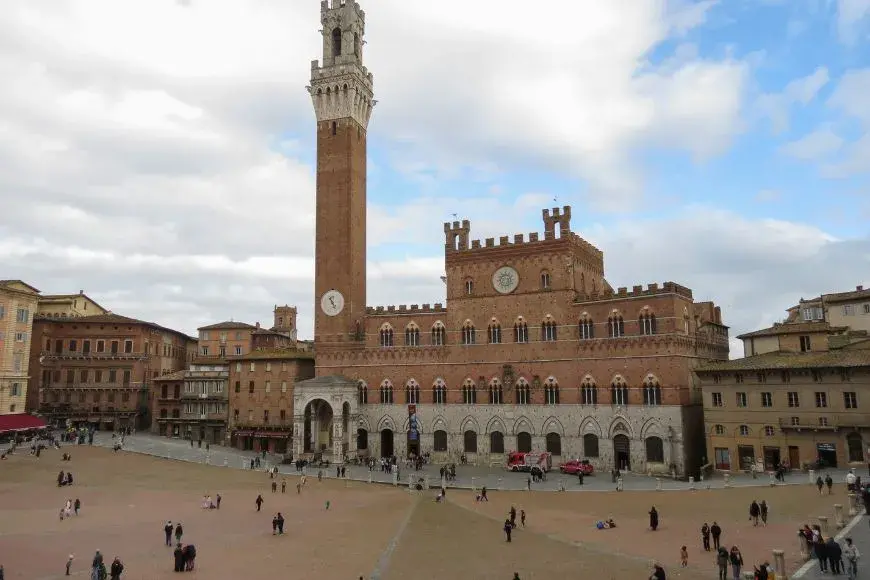
If Pisa feels too brief, Siena offers a deeper change of pace. Its medieval streets, steep climbs, and shell-shaped piazza create a completely different atmosphere from Florence. I found Siena slower, quieter, and more introspective — a place that invites wandering without an agenda.
Tuscan Countryside: Vineyards & Hill Towns

For a more relaxed escape, the Tuscan countryside delivers exactly what you imagine: rolling hills, vineyards, and small towns where lunch stretches into the afternoon. This is where Florence fades into the background, and Tuscany takes over.
These trips work best if you want scenery and rhythm rather than another checklist of attractions.
How to Choose the Right Day Trip
- Short on time: Pisa
- Love history & atmosphere: Siena
- Craving landscapes & food: Tuscan countryside
Adding one of these day trips from Florence can round out your visit beautifully — offering contrast without pulling you too far from the city that anchors it all.
How Many Days Do You Need in Florence?
One of the most common questions I get is how long to stay in Florence — and the honest answer depends on how you like to travel. Florence can be rewarding even on a short visit, but the experience changes completely as you add time.
One Day in Florence: The Highlights Only
If you only have one day in Florence, the key is focus. This isn’t the time to chase every museum or neighborhood.
On my shortest visit, I stuck to the historic core:
- The Duomo complex
- Michelangelo’s David
- Piazza della Signoria
- A walk across Ponte Vecchio
It was fast, intense, and unforgettable — but definitely a highlights-only experience.

2 Days in Florence: Balance Without Rushing
With 2 days in Florence, the city starts to breathe. This is where Florence really clicked for me.
A well-paced Florence 2-day itinerary allows you to:
- Spread museums across two mornings
- Add the Uffizi without fatigue
- Explore Oltrarno in the afternoon
- Enjoy evenings without watching the clock
This is the minimum I recommend for first-time visitors who want more than surface-level impressions.
3 Days in Florence: Slow, Immersive, and Rewarding
With three days, Florence becomes less about planning and more about presence. You can:
- Visit hidden gems and quieter churches
- Add Boboli Gardens or a short day trip
- Leave space for wandering and food-focused moments
This is when Florence stops feeling like a destination and starts feeling like a place you temporarily belong to.
My Personal Recommendation
- One day: doable, but intense
- Two days: ideal for most first-time visitors
- Three days: perfect if you want depth and flexibility
No matter how long you stay, Florence rewards thoughtful pacing more than packed schedules — and even a short visit can leave a lasting impression when planned well.
Practical Tips for Visiting Florence
Florence is easy to love — but it’s even better when you know what to expect. A few small planning choices made a big difference for me, turning potentially stressful moments into smooth, enjoyable days. These tips aren’t about over-optimizing your trip — they’re about avoiding the most common frustrations.
Getting Around: Walk First, Transport Second
Florence is one of the most walkable cities in Italy. I walked almost everywhere, and it’s often faster than relying on buses.
- Most major sights are within a 15–20 minute walk
- Comfortable shoes matter more than transport passes
- Public transport is useful mainly for reaching Piazzale Michelangelo or the outer neighborhoods
Book These Florence Attractions in Advance (Highly Recommended)
Some of Florence’s most popular sights sell out quickly, especially in high season. Booking ahead saves time, avoids long lines, and makes planning far more relaxed.
- Accademia Gallery (Michelangelo’s David): Skip the lines and secure a timed entry to see one of the most iconic sculptures in the world.
- Uffizi Gallery: Reserve tickets in advance to explore Renaissance masterpieces without the stress of same-day availability.
- Brunelleschi’s Dome: Access to the Dome is limited — advance booking is essential if you want to experience Florence’s most unforgettable view.
Booking these ahead of time frees up your days in Florence and lets you focus on the experience, not logistics.
Plan Your Trip with Our Favorite Booking Tools
When to Visit Florence
- Spring & fall: best balance of weather and crowds
- Summer: beautiful but busy — early mornings are your friend
- Winter: fewer crowds, quieter museums, shorter days
I found early mornings and evenings to be the most rewarding times to explore, regardless of season.
Common Mistakes to Avoid
- Trying to see too much in one day
- Scheduling multiple museums back-to-back
- Skipping neighborhoods like Oltrarno
- Eating near major landmarks without checking menus
Florence doesn’t reward rushing. The more space you leave in your schedule, the more the city gives back.
FAQs
Is Florence easy to explore on foot?
Yes. Florence is compact and very walkable. Most major sights in the historic center are within a short walk of each other, which makes wandering part of the experience rather than a chore.
Can you see Florence in one day?
You can see the highlights in one day in Florence, but it will feel fast-paced. Focus on the Duomo area, Michelangelo’s David, Piazza della Signoria, and a walk along the Arno. Two days is far more comfortable.
What is the number one attraction in Florence?
For most visitors, the Duomo complex is the number one attraction in Florence. It defines the city visually and historically, and everything else radiates outward from it.
What should you not miss in Florence?
You should not miss:
– The Duomo and its surrounding complex
– Michelangelo’s David at the Accademia
– Piazza della Signoria
– Ponte Vecchio
– A city view from Piazzale Michelangelo
These experiences together capture the essence of Florence.
Is the Uffizi or Accademia better if I have limited time?
If you’re choosing just one:
– Pick the Accademia for a powerful, shorter visit centered around David
– Choose the Uffizi if you want deeper insight into Renaissance art and have more time
What should be booked in advance before visiting Florence?
Advance booking is strongly recommended for:
– Accademia Gallery (David)
– Uffizi Gallery
– Brunelleschi’s Dome
Everything else can usually be planned more flexibly.
Are there free things to do in Florence?
Absolutely. Walking historic streets, exploring piazzas, crossing Ponte Vecchio, and watching sunset from Piazzale Michelangelo are all free — and often among the most memorable experiences.
How far is Pisa from Florence?
Pisa is about 85 km (53 miles) from Florence. By train, the journey usually takes 50–60 minutes, making it ideal for a short excursion.
Is a day trip to Pisa from Florence worth it?
Yes, especially if you have an extra half day. A day trip to Pisa from Florence is easy to organize, and the main sights are concentrated in one area, so it doesn’t require a full day.
How many days should I spend in Florence?
– One day: highlights only
– Two days: ideal for first-time visitors
– Three days: relaxed pace with hidden gems and optional day trips
Final Words: Making the Most of Florence
Florence isn’t a city that rewards rushing. The moments that stayed with me weren’t always the famous ones — they were the pauses between them: a quiet street in Oltrarno, the light shifting over the Arno, a meal that stretched longer than planned. Florence has a way of slowing you down, if you let it.
Whether you’re here for a single day or a longer stay, the key is balance. Anchor your trip around the essentials, then leave space for wandering, eating well, and seeing how the city feels beyond its headlines. That’s where Florence stops being a checklist and starts becoming an experience.
If you’re continuing to plan your trip — from neighborhoods and logistics to how Florence fits into a wider Italy itinerary — explore our Florence Travel Guide for deeper insights, or zoom out with the Italy Travel Guide to shape the bigger picture.
Many travelers also combine Florence with other iconic cities, so you may want to continue with our guides to things to do in Rome and things to do in Milan when planning the rest of your journey.
Florence has been here for centuries. It doesn’t need to be rushed — and neither do you.
Get our FREE Italy
Travel Guide
E-Book
This printable guide is your ultimate companion for exploring Italy, with insider tips, detailed itineraries, transportation advice, must-see attractions, and more.
Explore More
- Alberobello Travel Guide: Trulli Houses, Best Things to Do & Tips
- Puglia Travel Guide: Best Towns, Beaches & Where to Stay
- Bari Travel Guide: Best Things to Do, Where to Stay & Local Tips
- Southern Italy Travel Guide: Best Places, Coastal Towns & Itinerary


Book Your Tour
Rent Car

💬 We’d love to hear from you!
Have questions, tips, or personal travel stories to share? Drop them in the comments below — your insights help fellow travelers plan their adventures too.