
Rome Travel Guide: What to See, Do & Know Before You Go

by Luca | Last Updated February 5, 2026

Rome is one of those cities I thought I already knew—until I actually spent time there.
I’m based in Florence, so Rome has always felt close, familiar… almost obvious. A quick train ride south, a weekend escape, a place you “visit later.” But every time I go back, Rome reminds me why it’s unlike anywhere else in Italy.
This is not a city you just see. Rome is a city you experience—slowly, imperfectly, and sometimes chaotically. One moment you’re standing in front of a 2,000-year-old ruin on your way to grab a coffee, the next you’re lost in a quiet side street, wondering how something so historic can still feel so alive.
I’ve visited Rome many times over the years—as a traveler, not a tourist rushing from one landmark to the next. I’ve learned when to go, where to stay, what’s actually worth your time, and what looks good on Instagram but feels exhausting in real life. I’ve also made the classic mistakes (overplanning, underestimating distances, visiting the Vatican at the worst possible hour… yes, that happened).
This Rome travel guide is everything I’d tell a friend coming to Italy for the first time—or even the second. You’ll find:
- The best time to visit Rome (and when I personally avoid it)
- How many days do you really need
- The top things to do without burning out
- Where to stay, what to eat, and how to get around
- How to get from Rome’s airports to the city center without stress
- Honest tips that only come from being here more than once
Whether you’re planning a short city break, your first big Italy trip, or combining Rome with Florence, the Amalfi Coast, or a road trip, this guide will help you plan smarter—and enjoy Rome the way it deserves.
🧭 How Rome Fits Into a First Trip to Italy
Rome is often the starting point for first-time visitors, but it works best when planned as part of a wider Italy itinerary.
- Start with a complete overview of planning your Italy trip → The Ultimate Italy Travel Guide for First Timers
- Compare Rome with other top destinations before committing → Best Cities to Visit in Italy
Why Visit Rome? (Is Rome Worth Visiting?)

I’ll be honest with you—Rome is not an easy city. And that’s exactly why it’s worth visiting.
Coming from Florence, where beauty feels more polished and controlled, Rome always hits me differently. It’s louder, busier, and more chaotic. The streets don’t feel curated. The traffic can test your patience. And yes, there are crowds. But Rome gives you something no other city in Italy does: layers. Everywhere you walk, you’re stepping through centuries at the same time.
One minute you’re admiring an ancient ruin that’s older than most countries, the next you’re squeezing into a tiny bar for an espresso with locals who’ve been doing the same ritual every morning for decades. Rome doesn’t separate history from daily life—it blends it all together.
So, is Rome worth visiting?
Absolutely—if you come with the right expectations.
Why People Fall in Love with Rome
- You can see world-famous landmarks without even trying
- The food is simple, bold, and deeply Roman
- Every neighborhood feels different
- You don’t need to “plan” history—it’s just there
Rome rewards curiosity. Wander a bit off the main streets, and you’ll find quiet piazzas, small churches that feel frozen in time, and moments that don’t show up on travel reels.
Who Rome Is Perfect For

Rome is ideal if you:
- Love history, art, and architecture
- Enjoy walking in cities and slow exploration
- Don’t mind a bit of chaos and unpredictability
- Want a destination that feels alive, not staged
It’s especially great for first-time visitors to Italy—but only if you pace yourself.
When Rome Might Not Be for You
Rome might feel overwhelming if:
- You dislike crowds entirely
- You expect everything to run smoothly and on time
- You prefer quiet, compact cities
This isn’t a place to rush. Trying to “see everything” in Rome is the fastest way to enjoy nothing.
My Local Advice
Treat Rome less like a checklist and more like an experience. Pick a few must-sees, leave room to wander, stop for long lunches, and accept that things won’t always go according to plan. That’s when Rome starts to make sense—and when most people fall for it.
Next, let’s talk about when to visit Rome, because timing here makes a huge difference.
Best Time to Visit Rome (Month-by-Month Guide)
Timing matters in Rome more than people expect. I’ve been in Rome in every season, and trust me—the same city can feel magical or exhausting depending on when you go.
Here’s the honest, local take.
Spring (March–May): My Favorite Time
If you ask me when Rome feels most balanced, this is it.
- Pleasant temperatures, perfect for walking
- Lively atmosphere without peak-summer chaos
- Long days and soft light (amazing for photos)
April and May are especially good, though Easter can bring big crowds. Still, this is when Rome feels energetic, not overwhelming.
Best for: first-timers, sightseeing, walking a lot

Summer (June–August): Beautiful… but Brutal
Rome in summer is intense.
I don’t avoid it completely—but I plan very differently.
- Temperatures often hit 35°C (95°F)
- Heavy crowds around major landmarks
- Locals slow down; the city feels tired
If summer is your only option, go early in the morning, rest midday, and come out again in the evening. August is quieter in residential areas, but tourist zones stay busy.
Best for: long evenings, night walks, travelers used to the heat
Not ideal for: packed itineraries and nonstop sightseeing
Fall (September–October): Underrated and Excellent
Fall is Rome’s quiet comeback.
- Warm but comfortable weather
- Fewer crowds than in the summer
- Food gets better (truffle season starts 👀)
September still feels summery; October is calmer and cooler. This is one of the most pleasant times to explore Rome without rushing.
Best for: couples, food lovers, relaxed travel
Winter (November–February): Calm, Honest Rome
This is Rome without the filter.
- Fewer tourists
- Shorter lines (sometimes none at all)
- Mild winters compared to northern Europe
December has a festive feel. January and February are quiet and affordable. You won’t get perfect weather every day—but you’ll get space, time, and a slower rhythm.
Best for: budget travelers, repeat visitors, museum lovers
So, When Is the Best Time to Visit Rome?
If I had to choose:
- Best overall: April, May, October
- Best value: January, February
- Most challenging: July, August (unless you adapt your pace)
Rome is always Rome—but the experience changes completely with the season.
Up next, let’s answer a question everyone asks before booking.
🌤️ Choosing the Right Season for Italy
Rome’s crowds and prices follow national travel patterns, especially in peak season.
- Understand seasons, crowds, and weather across Italy → Best Time to Visit Italy
- Decide whether Rome or another city suits your travel style → Best Places to Visit in Italy
How Many Days in Rome Do You Need?
This is one of the questions I get asked the most—and my answer is always the same: Rome deserves more time than you think, but it also depends on how you like to travel.
Rome is spread out, walk-heavy, and full of distractions (the good kind). You’ll plan to go from A to B and suddenly stop three times because there’s a church, a piazza, or a ruin you didn’t expect. That’s normal here.
Here’s how I’d break it down.

1 Day in Rome – Only the Highlights
If you only have one day, be realistic. You won’t “see Rome,” but you can get a taste.
- Colosseum & Roman Forum (outside or inside, not both if rushed)
- Walk through Piazza Venezia → Pantheon → Trevi Fountain
- Evening stroll in Trastevere
This works best as a stopover, not a first proper visit.
2 Days in Rome – A Fast Introduction
Two days lets you split ancient Rome and Vatican Rome.
- Day 1: Colosseum, Forum, historic center
- Day 2: Vatican Museums, St Peter’s Basilica, Castel Sant’Angelo
You’ll still move fast, but it starts to feel like a real trip.
3 Days in Rome – The Sweet Spot for First-Timers
This is what I usually recommend.
- One day for ancient Rome
- One day for the Vatican
- One day to slow down: neighborhoods, food, wandering
With three days, Rome feels less like a checklist and more like an experience.
4–5 Days in Rome – Slow, Local-Style Travel
This is where Rome really shines.
- Time for lesser-known sites and museums
- Long lunches, relaxed evenings
- Neighborhoods like Testaccio or Monti
- Space for mistakes (and discoveries)
If you enjoy walking, food, and unplanned moments, you won’t get bored.
My Honest Recommendation
- 1–2 days: Only if you’re short on time
- 3 days: Ideal for most first-time visitors
- 4–5 days: Best if you want to enjoy Rome without rushing
Rome is not a city to “conquer.” It’s a city to live in—even briefly.
Next, let’s tackle something very practical (and very important after landing). How to get to Rome from the airport without stress.
🗺️ Balancing Rome with the Rest of Italy
Time in Rome affects how much of Italy you can realistically see without rushing.
- Plan a balanced first trip that includes Rome → 7 Days in Italy Itinerary
- Build a slower itinerary with room for multiple cities → 10 Days in Italy Itinerary
How to Get to Rome from the Airport (Fiumicino & Ciampino)
Arriving in Rome can feel overwhelming—especially if it’s your first time. Two airports, different transport options, crowds, and a lot of conflicting advice online. I’ve done this trip more times than I can count, and once you understand your options, it’s actually very straightforward.
Rome has two main airports:
- Leonardo da Vinci–Fiumicino Airport (FCO) – the main international airport
- Ciampino Airport (CIA) – mainly used by low-cost airlines
Here’s how to get from each one to the city center—without stress.
From Fiumicino Airport (FCO) to Rome City Center
This is where most travelers land, and honestly, it’s the easier of the two.
Leonardo Express (Fastest & Easiest)
This is my go-to when I’m traveling light.
- Non-stop train to Roma Termini
- Runs every 15–30 minutes
- Takes about 32 minutes
- No traffic, no confusion
If you’re staying near Termini or connecting to another train, this is the simplest option.
Best for: first-time visitors, solo travelers, carry-on luggage
Regional Train (Cheaper, More Flexible)
If your hotel isn’t near Termini, this can be useful.
- Stops at Trastevere, Ostiense, Tiburtina
- Slightly cheaper than Leonardo Express
- Slower, with more stops
I use this when staying in Trastevere—it saves time overall.
Best for: specific neighborhoods, budget travelers
Taxi (Fixed Fare, Door-to-Door)
Rome taxis from Fiumicino operate on a fixed city fare.
- No meter surprises
- Convenient after a long flight
- Make sure you take an official white taxi
This is worth it if you’re tired, traveling with others, or have heavy luggage.
Best for: families, late-night arrivals, comfort
Private Transfer
Not cheap, but very smooth.
- The driver waits for you
- No language barrier
- Straight to your accommodation
I recommend this if you’re arriving very late or just want zero hassle.
From Ciampino Airport (CIA) to Rome City Center
Ciampino is smaller and closer, but transport is less direct.
Bus + Metro (Most Common Option)
This is what most travelers end up using.
- Bus from the airport to Anagnina metro station
- Metro A into the city
- Cheapest option overall
It works fine, but it’s not the most relaxing after a flight.
Best for: budget travelers, backpackers, daytime arrivals
Taxi (Fixed Fare)
Yes—Ciampino also has a fixed fare into central Rome.
- Fast and direct
- Much easier than juggling buses and metro
If you’re more than two people, this often makes sense.
Private Transfer
Same idea as Fiumicino.
- Easy
- Reliable
- Especially useful for early or late flights
So… What’s the Best Option? (My Local Advice)
If you want my honest recommendation:
- Fiumicino + Leonardo Express → best balance of speed and simplicity
- Taxi → best for comfort and late arrivals
- Bus + Metro → only if you’re watching your budget closely
Rome is a walking city, but arriving relaxed makes a huge difference to how your trip starts. I always choose the option that gets me to my hotel with the least mental effort—especially after flying.
Up next, let’s move from arrival to exploration.
Book Train / Bus / Ferry / Flight


Top Things to Do in Rome (What I Actually Do Every Time I Go)
Rome isn’t a city I try to “cover.” Every visit, I return to the same places—but experience them differently. Coming from Florence, where art and beauty feel more contained, Rome always reminds me that history here is messy, layered, and very much alive. This is how I approach it.
Ancient Rome: Feel the Scale, Don’t Rush the Story
I always start with ancient Rome, but I’m careful not to overdo it. The Colosseum is overwhelming in the best way—its size alone tells you everything you need to know about the city’s past. Sometimes I go inside; sometimes I don’t. If you do, book ahead and focus on understanding how it was used rather than ticking off every level.
The Roman Forum takes more patience. At first glance, it can feel like a jumble of ruins, but once you slow down and imagine it as a living city center—markets, temples, politics—it becomes one of the most fascinating places in Rome. I usually spend longer here than planned, then walk away quietly to let it sink in.
The Vatican: Powerful, Exhausting, Unforgettable

The Vatican Museums are not something I take lightly. They’re intense, crowded, and absolutely worth it—if you prepare properly. I always book tickets in advance and go as early as possible. Once inside, I don’t try to see everything. I focus on a few rooms, knowing that the highlight—the Sistine Chapel—will come at the end no matter what.
Afterward, I slow everything down inside St Peter’s Basilica. Even if you’re not religious, the scale, light, and silence are powerful. This is one of those places where sitting still for ten minutes matters more than moving on quickly.
The Historic Center: Rome at Its Most Effortless
This is where Rome feels natural, almost casual. I never follow a strict route here. I walk until something stops me.
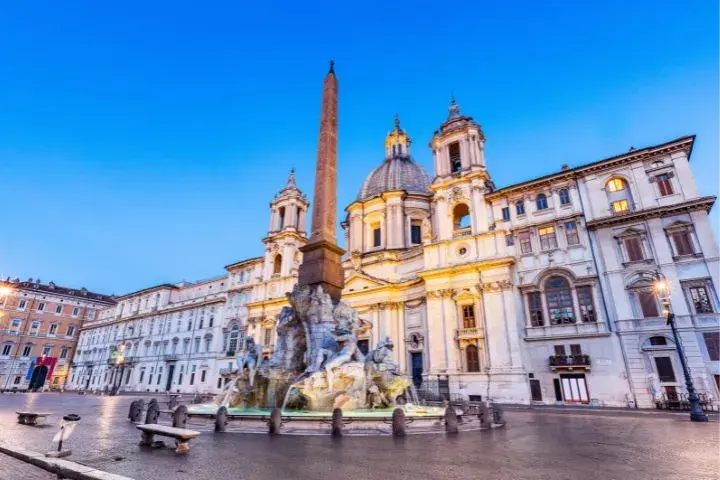
The Pantheon still amazes me every time—it’s quiet, perfectly proportioned, and surprisingly emotional. The Trevi Fountain is beautiful, but timing is everything; I go early in the morning or late at night, when the crowds thin and the moment feels real again. Piazza Navona is less about monuments and more about atmosphere—good for sitting, watching, and resting your feet.
This part of Rome doesn’t need explanation. It just needs time.
Neighborhoods: Where Rome Feels Lived In
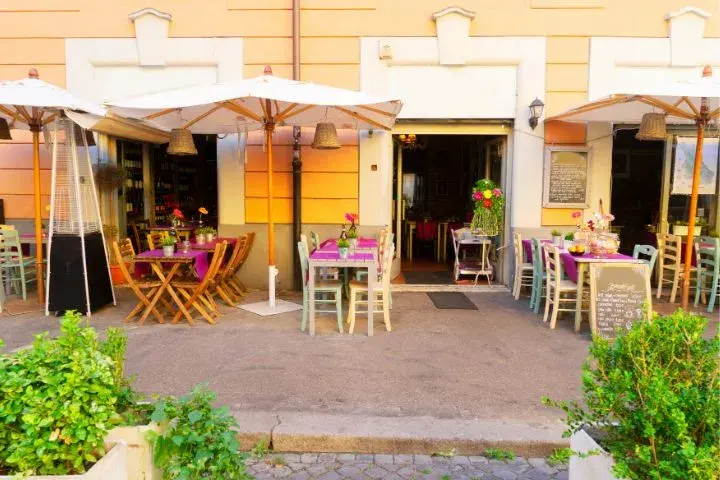
Whenever I can, I end my days in Trastevere. The light changes, the streets fill up, and the city feels warmer and more human. It’s not about sightseeing here—it’s about walking, eating, and lingering longer than planned.
Monti is another favorite of mine. It’s calmer, stylish, without trying too hard, and perfect for wandering without an agenda. If food is a priority, I also make time for Testaccio, where Rome’s culinary traditions feel more honest and less adapted for visitors.
These neighborhoods remind me that Rome isn’t just a destination—it’s a daily reality for millions of people.
Museums, Views, and Knowing When to Stop
Rome has more museums than most trips allow, so I choose carefully. One major museum per visit is enough. Anything more, and I start to lose focus.
What I never skip are the pauses: green spaces like Villa Borghese, quiet viewpoints, or a slow walk along the Tiber at sunset. These moments reset your energy and make the busy parts of Rome feel lighter.
My Most Important Advice
If there’s one mistake I see over and over, it’s trying to optimize Rome. The city doesn’t reward efficiency—it rewards presence. Plan the essentials, yes, but leave room for the unexpected. Rome always fills the gaps.
Next, let’s turn all of this into something practical and realistic.
Rome Itineraries – How to Organize Your Days Without Rushing
Planning a Rome itinerary is less about squeezing things in and more about deciding what to leave out. That took me a while to learn. My early trips were packed from morning to night, and I came home exhausted, with blurred memories and sore feet. Later visits—slower, more intentional—were completely different.
Coming from Florence, I’m used to walkable cities, but Rome is bigger, louder, and far more spread out. Distances matter. Crowds matter. Energy matters. So instead of giving you a rigid schedule, I’ll show you how I structure my days, depending on how much time you have—so Rome feels enjoyable, not overwhelming.
The Golden Rule of Rome Itineraries
Before we get into days and plans, here’s the rule I always follow:
One major sight per half-day is enough.
Rome’s attractions are intense—physically and mentally. Pairing the Vatican with another “big” site on the same morning is a mistake I’ve made once and never again. Balance is everything here.
1 Day in Rome: A Taste, Not the Whole Meal
If you only have one day, accept that this is a snapshot, not a full experience. I’d focus on walking rather than museums.
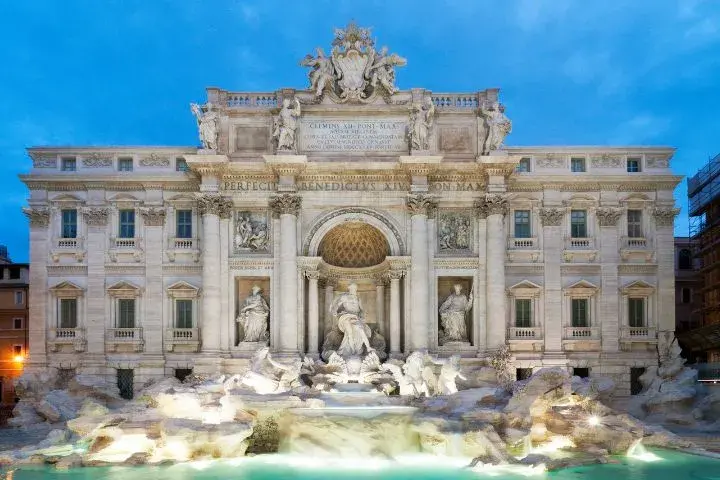
I usually recommend starting early in the Colosseum and Roman Forum area, even if you only admire them from the outside. From there, walk through the historic center—slowly—passing places like the Pantheon, Piazza Navona, and Trevi Fountain. In the evening, head to Trastevere for dinner and a walk.
This works best if Rome is part of a longer Italy trip and you already know you’ll come back one day.
2 Days in Rome: Ancient Rome + Vatican
With two days, Rome starts to make sense—but you’ll still move with purpose.
Day 1:
Ancient Rome and the historic center. This is when I’d visit the Colosseum and Roman Forum properly, then wander through central Rome without a strict plan. Let the city guide you.
Day 2:
The Vatican in the morning, followed by a slower afternoon. After the intensity of the museums, I usually keep the rest of the day light—St Peter’s Basilica, a riverside walk, maybe Villa Borghese if energy allows.
It’s a fast-paced visit, but balanced if you don’t overextend yourself.

3 Days in Rome: The Sweet Spot
This is the itinerary length I recommend most often, especially for first-time visitors.
With three days, you can finally breathe.
- Day 1: Ancient Rome + historic center
- Day 2: Vatican + relaxed afternoon
- Day 3: Neighborhoods, food, and slower exploration
That third day is where Rome often wins people over. It’s when you stop “seeing” and start experiencing. Trastevere, Monti, Testaccio—this is where you understand how Romans actually live.
👉 If you’re planning a short stay, this 3-day Rome itinerary breaks down exactly how to structure your time day by day.
4–5 Days in Rome: Rome at Its Best
If you have four or five days, don’t fill them just because you can. This is the time to slow everything down.
I use extra days for:
- Smaller museums or churches
- Long lunches without a plan afterward
- Scenic viewpoints and parks
- Wandering without a destination
This is also when I allow space for mistakes—wrong turns, closed sites, spontaneous changes. Rome feels kinder when you don’t pressure it.
How I Structure a Day in Rome
No matter how many days you have, my daily rhythm stays the same:
- Morning: One main attraction (early, before crowds peak)
- Midday: Lunch + rest (Rome heat and walking add up)
- Afternoon: Light exploration or neighborhoods
- Evening: Food, strolling, no schedule
Trying to fight this rhythm usually leads to frustration.
Rome Itineraries for Different Travel Styles
First-Time Visitors
Focus on the classics, but don’t try to see them all. Three days is ideal.
Couples
Slow itineraries work best. Fewer sights, more walking, better food.
Families
Rome is doable with kids, but keep days short and flexible. Parks and breaks are essential.
Repeat Visitors
Skip the big names. Explore neighborhoods, markets, and lesser-known sites.
Common Rome Itinerary Mistakes (I’ve Made Them All)
- Overestimating how much you can walk in one day
- Booking museums back-to-back
- Ignoring travel time between sights
- Planning every hour instead of every half-day
Rome doesn’t reward rushing—it punishes it.
My Honest Advice
If your itinerary feels a little “empty” when you finish planning, that’s a good sign. Rome fills the gaps on its own. Leave space for long meals, unexpected stops, and moments where you sit in a piazza doing absolutely nothing.
That’s often when Rome feels most Roman.
Next, let’s talk about where to stay in Rome—because choosing the right neighborhood can completely change your experience.
Plan Your Trip with Our Favorite Booking Tools
Best Neighborhoods in Rome (Where to Stay – My Honest Advice)
Choosing where to stay in Rome can completely change how your trip feels. I’ve learned this over time, moving between different areas depending on the length of the stay and the kind of trip I wanted. Rome isn’t compact, and it isn’t efficient—so location matters far more than fancy amenities.
Before diving into neighborhoods, here’s the rule I always follow:
Stay where you’ll enjoy your mornings and evenings.
You can visit attractions during the day, but you live in your neighborhood.
Centro Storico – Easiest Choice for a First Visit
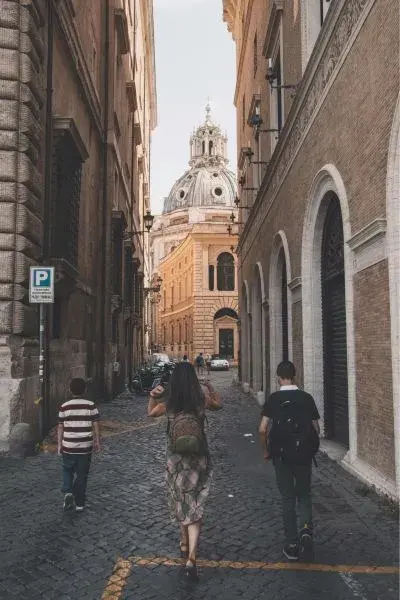
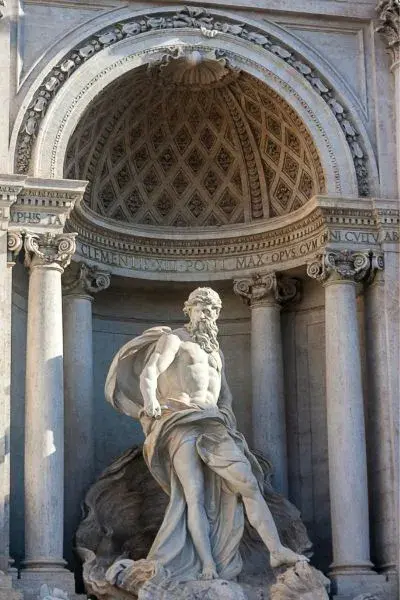
If this is your first time in Rome and you want to walk almost everywhere, the historic center is the simplest option.
Waking up near the Pantheon or Piazza Navona means Rome starts the moment you step outside. Early mornings are peaceful, evenings are atmospheric, and you’ll rarely need public transport. Yes, it’s busy during the day—but being able to drop back to your hotel for a break is priceless.
This area works best for:
- Short stays
- First-time visitors
- Travelers who want everything close by
Expect smaller hotels in historic buildings, boutique-style stays, and higher prices—but also maximum convenience.
Trastevere – Best for Atmosphere and Evenings
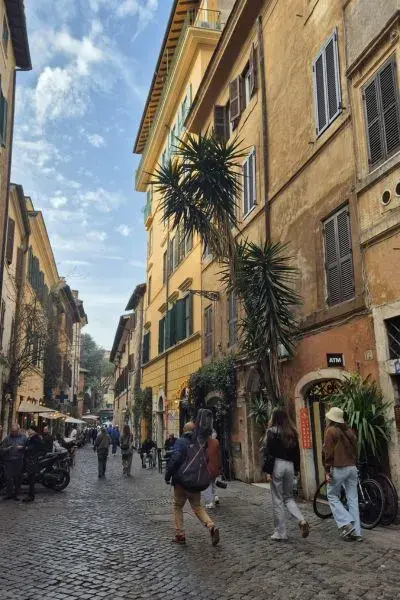

Trastevere is where Rome feels most alive at night. Even when I stay elsewhere, I often end my evenings here.
The charm is real: cobbled streets, lively piazzas, restaurants that stay open late, and a relaxed, social energy. Mornings are quiet, evenings are vibrant, and the whole area feels human rather than monumental.
It’s a great choice if:
- You value atmosphere over proximity
- You don’t mind walking a bit more
- Food and evening strolls matter to you
Accommodation here is mostly small hotels, guesthouses, and apartments rather than large properties—which suits the neighborhood perfectly.
Monti – The Best Balance (And My Personal Favorite)
If I had to recommend one area that works for almost everyone, it would be Monti.
Monti sits between ancient Rome and the historic center, close enough to walk to major sights but calm enough to breathe. It has personality without noise, style without trying too hard, and a neighborhood feel that’s rare, so close to the Colosseum.
I like Monti because:
- It’s central without being chaotic
- Restaurants and cafés feel local
- Streets are pleasant at any time of day
Hotels here tend to be boutique-style or mid-range, often with modern interiors inside older buildings. It’s a fantastic choice for couples, repeat visitors, and anyone who wants character and convenience.
Prati (Vatican Area) – Space, Comfort, and Order

Prati feels different from most of Rome—and that’s not a bad thing.
Streets are wider, buildings are more uniform, and everything feels a bit more organized. It’s especially practical if you plan to visit the Vatican early or if you prefer quieter evenings. You’re well connected by metro, and hotels here often offer better value for space and comfort.
This area suits:
- Families
- Longer stays
- Travelers who prefer calm evenings
You’ll trade some historic charm for comfort—but many people are very happy with that exchange.
Testaccio – For Food Lovers and Repeat Visitors
Testaccio isn’t where I’d send most first-time visitors, but it’s one of the most authentic parts of Rome.
This is a working Roman neighborhood, known for its market and traditional food scene. It doesn’t try to impress, and that’s exactly why it works. Staying here feels more like living in Rome than visiting it.
It’s best if:
- Food is a top priority
- You’ve already seen the main sights
- You enjoy local neighborhoods
Accommodation options are limited but intimate—mostly small hotels and apartments.
Areas to Think Twice About
Rome has a few tricky zones where saving money can cost you time and energy.
- Staying too far outside the center often leads to long, tiring days
- Areas around Termini vary a lot by street—some are fine, others less pleasant
- Being directly on a busy piazza can mean noise until very late
Rome rewards thoughtful choices more than bargain hunting.
How I Personally Choose a Hotel in Rome
When I book a place in Rome, I always check:
- Walking distance to at least one major area
- Access to public transport if needed
- Recent reviews mentioning noise and air conditioning
- Elevator availability (very important in historic buildings)
I care far more about location and comfort than stars or labels.
My Final Take
There’s no single “perfect” place to stay in Rome—but there is a perfect place for your trip.
- First time: Centro Storico or Monti
- Atmosphere-focused: Trastevere
- Comfort and space: Prati
- Food and local life: Testaccio
Choose well, and Rome becomes easier, calmer, and much more enjoyable.
Where I’d Actually Book a Hotel in Rome
When I book accommodation in Rome, I don’t search for the “perfect hotel”.
I start with the right neighborhood, then compare location, reviews, and real prices for my dates.
I usually focus on Centro Storico, Monti, Trastevere, or Prati, depending on the trip style — these areas make Rome much easier to enjoy.
Check well-located hotels in Rome by neighborhood here
This lets you:
- Filter hotels by area
- Read recent guest reviews
- Compare prices across dates
- Find good options without overpaying
My tip: In Rome, a simple hotel in the right location is far better than a luxury hotel far from everything.
Next, let’s move on to one of Rome’s greatest strengths: FOOD.
Where to Eat in Rome (What, Where & How to Eat Like a Local)
Food is one of the main reasons I keep coming back to Rome. Not because it’s fancy—quite the opposite. Roman food is confident, straightforward, and deeply rooted in tradition. Coming from Florence, I notice the difference immediately: Rome is bolder, less polished, and proudly repetitive in the best way. Once you stop searching for variety and start looking for quality and rhythm, eating here becomes incredibly rewarding.
This section isn’t about chasing famous names. It’s about how to eat well in Rome without stress.
A Few Roman Food Rules (That Will Save You Disappointment)
Before we talk dishes and neighborhoods, there are some unwritten rules worth knowing:
Roman cuisine is traditional and seasonal. Menus don’t change to follow trends, and good places focus on a handful of dishes they do perfectly. Restaurants that offer pizza, pasta, burgers, seafood, and sushi all together usually do none of them well.
Lunch and dinner follow a rhythm. Kitchens close between services, and early dinners are uncommon. If you sit down too early, the experience often feels rushed—or flat.
And one important thing: Roman pasta is not customizable. Asking for changes (especially to carbonara) is a fast way to signal you don’t understand what you’re eating.
The Roman Pasta You Should Order (No Guesswork Needed)
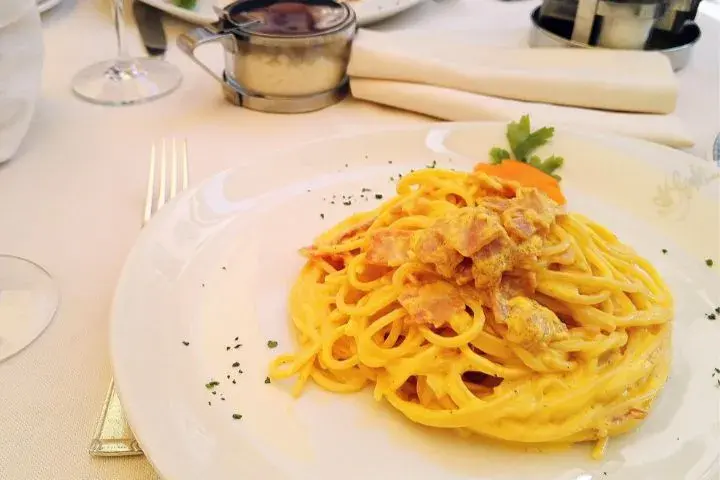
Roman cuisine revolves around a small group of iconic pasta dishes. You don’t need to experiment—just choose one of these.
- Carbonara: Made with eggs, pecorino romano, guanciale, and black pepper. No cream. When done right, it’s rich, silky, and deeply savory without being heavy.
- Cacio e Pepe: Deceptively simple and surprisingly difficult. Just pecorino, black pepper, and pasta water. A good version is unforgettable; a bad one is gluey. Choose your trattoria carefully.
- Amatriciana: Tomato-based, with guanciale and pecorino. Balanced, bold, and very Roman.
- Gricia: Often overlooked, but excellent. Think of it as carbonara without egg—clean, salty, and satisfying.
If a restaurant gets these four right, you’re in good hands.
How to Spot a Good Trattoria (Without Overthinking It)
You don’t need secret lists—just pay attention.
A good Roman trattoria usually has:
- A short, focused menu
- Mostly Italian on the menu
- No food photos outside
- Locals eat there, especially at lunch
Places near major landmarks can still be good, but step a street or two away from the main squares. That small distance often makes a big difference.

Where I Like to Eat by Neighborhood
I don’t choose restaurants first—I choose areas, then let instinct guide me.
- Trastevere: Best for evenings. Lively, social, and full of classic trattorias. Expect noise, shared tables, and honest food. This is where dinners naturally stretch late.
- Testaccio: This is the heart of traditional Roman food culture. Markets, classic dishes, and no compromises. If food is a priority for you, this area is worth the trip even if you’re staying elsewhere.
- Monti: A great balance between traditional and modern. Smaller places, relaxed atmosphere, and good quality without tourist pressure. I often eat here when I want something casual but reliable.
- Historic Center: Good food exists here—but you have to be selective. Avoid restaurants directly on famous squares and look for quiet side streets instead.
Street Food in Rome (Perfect Between Meals)
Rome does street food exceptionally well, especially when you don’t want a full sit-down meal.
- Supplì: Fried rice balls filled with ragù and mozzarella. Crispy outside, comforting inside. I often grab one mid-afternoon.
- Pizza al Taglio: Rectangular pizza sold by weight. Ideal for lunch or a quick bite. Quality varies widely, but good places are excellent.
- Trapizzino: A Roman invention: pizza bread stuffed with classic Roman stews. Casual, messy, and very satisfying.
Street food works best as a supplement, not a replacement, for proper meals.
Gelato in Rome: How to Choose Well

Rome has fantastic gelato—and a lot of forgettable gelato.
Good signs:
- Natural, muted colors
- Covered metal tubs
- Simple flavor lists
Red flags:
- Neon colors
- Huge overflowing mounds
- Endless combinations
I treat gelato as a pause rather than a destination—something enjoyed while walking, not something that needs planning.
Aperitivo in Rome (What to Expect)
Rome’s aperitivo is relaxed and understated. Don’t expect big buffets like in Milan.
Usually it’s a drink with a few small snacks—olives, chips, maybe something simple. It’s a moment to slow down before dinner, not a replacement for it.
When (and How) to Eat in Rome
Timing matters more than people expect.
- Lunch: roughly 1:00–2:30 pm
- Dinner: rarely before 8:00 pm
- Kitchens close between lunch and dinner
Plan around this, and you’ll avoid frustration.
Common Eating Mistakes I See
- Eating near landmarks without checking the area
- Choosing restaurants with massive menus
- Trying to eat at too many “famous” places
- Treating aperitivo as dinner
Rome rewards patience and repetition more than novelty.

My Final Food Advice
Eat fewer meals—but eat them well. Find one or two places you enjoy and return. Familiarity often leads to better service, better food, and a more relaxed experience.
Roman cuisine isn’t about variety. It’s about doing a few things perfectly—and letting time do the rest.
Next, let’s make moving around the city just as smooth.
Getting Around Rome Easily & Without Stress
Getting around Rome is one of those topics that can either make your trip smooth—or quietly exhausting. I’ve experienced both. Coming from Florence, where distances are shorter and everything feels more contained, Rome requires a different mindset. Rome is bigger, more spread out, and far less predictable. The good news? Once you understand how transport really works here, moving around Rome becomes surprisingly manageable.
This section will show you how to get around Rome efficiently, when to walk, when to use public transport, and when it’s simply better to slow down and adapt.
The First Thing to Understand About Getting Around Rome
Rome is not designed for speed. It’s designed for layers—history on top of history, narrow streets, sudden ruins, and neighborhoods that weren’t planned with modern transport in mind.
So if you’re expecting:
- perfectly punctual buses
- seamless metro coverage
- fast cross-city travel
You’ll get frustrated.
If instead, you accept that walking + selective transport is the real strategy, Rome suddenly becomes much easier.

Walking in Rome (The Best Way to Get Around, Honestly)
If I had to choose one way of getting around Rome, it would be walking.
Most of Rome’s major attractions are closer than they look on a map, especially in the historic center. Walking lets you:
- Discover quiet piazzas
- Stop when something catches your eye
- Avoid constant ticketing and transfers
I walk a lot in Rome—even more than I plan to. And yes, it’s tiring, but it’s also where the city reveals itself.
My advice:
- Wear proper walking shoes (not “stylish but painful” ones)
- Plan no more than 2–3 walking-heavy zones per day
- Accept that detours will happen—and enjoy them
Rome is not a city where walking is just transport. It’s part of the experience.
Rome Metro: Fast but Limited
Rome’s metro is simple and efficient—but limited.
There are only a few lines, and they don’t reach everywhere tourists want to go. That said, when it works, it works well.
The metro is especially useful for:
- Longer distances
- Reaching the Vatican area
- Avoiding traffic during busy hours
I use the metro selectively, not constantly.
Things to know:
- Stations are marked clearly with an “M”
- Trains are frequent
- Pickpocketing can happen during peak hours
Think of the metro as a shortcut, not a full solution.
Buses in Rome (Useful but Unpredictable)
Rome buses cover far more ground than the metro—but they require patience.
I use buses when:
- Walking would take too long
- Metro doesn’t go where I need
- I’m staying outside the historic center
However, buses can be late, crowded, or affected by traffic. This isn’t a failure of the system—it’s just Rome being Rome.
My bus tips:
- Use Google Maps or a transport app for live routes
- Board with time flexibility
- Always validate your ticket
Buses are useful, but they work best when you’re not in a hurry.
Trams in Rome (Underrated and Pleasant)
If there’s one form of public transport I actually enjoy in Rome, it’s the tram.
Trams are:
- More reliable than buses
- Less crowded
- Easier to understand
They don’t go everywhere, but when they do, they’re excellent. If your route includes a tram line, take it.
Tickets & Travel Passes (What’s Worth It and What’s Not)
This is where many travelers overcomplicate things.
If you’re mostly walking:
- Single tickets or short-term passes are enough
If you’re using public transport multiple times a day:
- A 24-hour or 48-hour pass can make sense
What I usually do:
- Walk in the morning
- Use transport in the afternoon
- Walk again in the evening
That rhythm keeps things balanced.
Always validate tickets—controls are frequent, and fines are real.
Taxis in Rome (When They Make Sense)
Rome taxis are reliable—but only if you use them correctly.
Always use:
- Official white taxis
- Taxi ranks or apps
- Fixed fares from airports
Avoid:
- Unofficial drivers
- Getting into cars without signage
I use taxis:
- Late at night
- With luggage
- When I’m tired and done walking
They’re not cheap, but sometimes comfort is worth it.
Ride Apps & Alternatives
Ride-hailing exists, but it’s not as widespread as in other cities.
Availability varies by time and area. I don’t rely on it, but I use it occasionally when taxis are scarce.
Getting Around Rome with Luggage
This deserves its own mention.
Dragging luggage through Rome’s cobblestone streets is exhausting. If you’re arriving or leaving:
- Use a taxi or private transfer
- Avoid peak walking hours
- Choose accommodations near transport if possible
This is one moment where convenience matters more than cost.
Bikes, Scooters & E-Scooters (Proceed with Caution)
Rome offers bike lanes and electric scooters—but I use them carefully.
Traffic can be aggressive, streets are uneven, and rules aren’t always followed. If you’re confident and cautious, they can work for short distances. Otherwise, walking is often safer.
Accessibility & Realistic Expectations
Rome is beautiful—but not always accessible.
- Elevators are rare in historic buildings
- Pavements can be uneven
- Public transport isn’t always mobility-friendly
If accessibility is important, plan routes and accommodations carefully.
How I Personally Move Around Rome (My Real Routine)
Here’s my typical Rome day:
- Morning: walk everywhere
- Afternoon: metro or tram for longer stretches
- Evening: walk again
- Late night or tired: taxi
I never rely on one method alone. Flexibility is the key.
Common Mistakes When Getting Around Rome
- Trying to cross the city too often
- Overplanning routes instead of zones
- Expecting transport to be perfectly punctual
- Underestimating walking distances
Rome works best when you group activities by area and move slowly.
My Final Advice
If you remember one thing, make it this:
Rome is not about speed—it’s about flow.
Walk when you can, use transport when it helps, and don’t fight the city’s rhythm. When you stop trying to optimize every movement, Rome becomes far more enjoyable—and far less tiring.
Next, let’s talk about stepping outside the city for a day.
Day Trips from Rome (What’s Worth It, What’s Far, and What I’d Actually Do)
One of the advantages of staying in Rome is how many interesting places sit just beyond the city. The key is choosing day trips that add contrast without turning the day into a race. Some destinations are genuinely easy and rewarding; others are possible but only make sense if you’re happy with an early start and a long return.
Here’s how I’d prioritize them—based on real travel time, energy, and payoff.
Orvieto – One of the Best Day Trips from Rome
If you want a medieval hill town that feels special and manageable in a day, Orvieto is my top recommendation.
Orvieto sits dramatically on a volcanic plateau and has everything you want from a classic Italian town: a compact historic center, stunning views, and one of the most beautiful cathedrals in Italy. The logistics are easy, too—train to Orvieto, then a funicular straight up to the old town.
Why Orvieto works so well:
- Reasonable travel time
- Walkable center
- No rushing once you arrive
- Feels completely different from Rome
It’s relaxed, atmospheric, and doesn’t require a packed schedule. If you only add one day trip to your Rome stay, I’d seriously consider Orvieto.
Tivoli – Close, Elegant, and Very Different from Rome
Tivoli is the easiest classic day trip from Rome.
Most people come to Villa d’Este, famous for its fountains and Renaissance gardens. It’s visually impressive and easy to enjoy without a guide. There’s also Hadrian’s Villa, which is vast and atmospheric but requires more time and walking.
My advice:
- Choose one site, not both
- Pair the visit with a relaxed lunch
- Treat Tivoli as a half-to-full day, not a checklist
Ostia Antica – Ancient Rome Without the Crowds
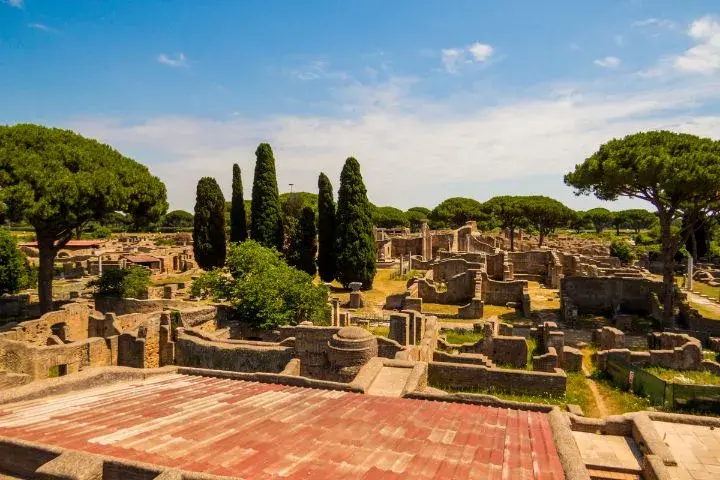
If you like history but want something calmer than Rome’s main ruins, Ostia Antica is a fantastic option.
This former port city is incredibly well preserved, with streets, mosaics, and buildings that feel more immersive than the Roman Forum—without the crowds. It’s easy to reach and doesn’t require a full day unless you want it to.
I often recommend Ostia Antica to travelers who:
- Enjoy archaeology
- Prefer quieter sites
- Want a low-effort day trip
Assisi – Longer, But Meaningful
Assisi is further away, but still doable as a full-day trip if you’re motivated.
It’s compact, beautiful, and deeply atmospheric, especially if you’re interested in medieval towns, art, or spiritual history. That said, this is not a casual outing—you’ll need an early start and realistic expectations.
I’d include Assisi if:
- You’re happy with a long day
- You want something slower and reflective
- You don’t mind prioritizing depth over variety
Pompeii – Incredible, but a Long Day
Pompeii is unforgettable—but from Rome, it’s demanding.
You’ll spend a lot of time traveling and walking, often under the sun. If Pompeii is high on your personal wish list, it can be worth it. Otherwise, it makes more sense when paired with Naples or the Amalfi Coast.
This is a “commitment day,” not a relaxed excursion.
What I Would Not Recommend as a Day Trip
Some destinations sound tempting, but don’t work well in practice.
- Tuscany – far better explored from Florence, not Rome
- Trying to combine multiple towns in one day
- Long coastal trips without staying overnight
Rome-based day trips are best when they’re simple and focused.
How I Choose a Day Trip from Rome
I always ask myself three questions:
- How long is the travel time each way?
- Will I feel rushed once I arrive?
- Does this destination complement Rome—or compete with it?
If the answer feels exhausting, I skip it.
My Final Advice
Rome is intense. Your day trips shouldn’t be.
Choose places like Orvieto, Tivoli, or Ostia Antica—destinations that give you space, perspective, and a change of pace. You’ll come back to Rome refreshed, not drained.
Next, let’s talk about money—because it shapes every travel decision.
Rome Travel Costs (Is Rome Expensive? A Realistic Breakdown)
Let’s talk money—because Rome can feel either very affordable or surprisingly expensive, depending entirely on how you travel. I’ve experienced both. Coming from Florence, I’ve learned that Rome doesn’t charge you for simply being there—it charges you for bad planning.
If you choose the right area to stay, eat like a local, and plan major sights in advance, Rome is far better value than many people expect.
Accommodation Costs in Rome: The Biggest Budget Factor
Accommodation is where Rome’s prices vary the most, mostly due to location and season.
- Budget stays (hostels, guesthouses, basic hotels): €70–130 per night
- Mid-range hotels (well-located 3–4★): €140–260 per night
- Luxury hotels (historic buildings, central locations): €380+ per night
Spring and fall are the most expensive periods. Winter (excluding Christmas and New Year) offers the best value.
My advice: Spend a little more to stay central. You’ll save on transport, avoid exhaustion, and reduce the temptation to eat in tourist traps.
Food Costs in Rome: Excellent Value if You Eat Smart
Rome is not an expensive city for food—unless you eat in the wrong places.
- Breakfast: espresso + pastry (€3–5)
- Lunch: pizza al taglio, street food, or trattoria (€6–15)
- Dinner: traditional trattoria (€15–28), with wine (€22–35)
You don’t need fancy restaurants to eat extremely well here. In fact, the best meals are often the simplest.
Avoid: restaurants near major landmarks with huge menus and aggressive staff.
Attractions & Sightseeing Costs
This is where costs can rise quickly—but also where planning saves money.
- Major sights (Colosseum, Vatican Museums): €15–25
- Churches and historic spaces: often free
- Guided tours and skip-the-line tickets: €30–70+
I usually mix paid attractions with free experiences—walking neighborhoods, churches, viewpoints—which keeps costs balanced and the trip enjoyable.
Transport Costs: Mostly Low
If you walk a lot (and you will), transport costs stay manageable.
- Single metro/bus ticket: ~€1.50
- Short-term passes: good value if used frequently
- Taxis: useful but add up quickly (€10–20 for city rides)
Staying central dramatically reduces transport spending.

Daily Budget in Rome (Per Person, Excluding Accommodation)
Here’s what you can realistically expect to spend per day:
Budget Traveler – €45–70/day
Street food, casual trattorias, walking everywhere, and limited paid attractions.
Mid-Range Traveler – €80–120/day
Sit-down meals, key attractions, occasional taxis, relaxed pace.
Comfort-Focused Traveler – €170–200+/day
Guided tours, taxis, flexibility, quality restaurants.
Rome adapts to your budget more than most European capitals.
Hidden Costs to Watch For
These are the expenses that catch people off guard:
- Tourist menus near landmarks
- Last-minute attraction tickets
- Frequent taxi use
- Buying bottled water (refill fountains instead)
Avoid these, and Rome becomes noticeably cheaper.
How Rome Compares to Other Italian Cities
- Cheaper than Milan
- Similar to Florence
- More expensive than southern Italy
But the value is higher thanks to generous food, walkability, and free attractions.
My Honest Take on Rome Costs
Rome isn’t cheap—but it’s fair.
If you:
- Choose the right neighborhood
- Eat traditionally, not trendily
- Walk more than you ride
- Plan major sights ahead
You’ll find Rome to be excellent value for what it offers—history, food, and atmosphere that feel far richer than the price tag.
Next, let’s finish with the practical advice I wish everyone knew before arriving.
Rome Travel Tips for First-Time Visitors (What I Wish I Knew Earlier)
Rome is generous, but it’s not forgiving. If this is your first visit, small misunderstandings—about timing, tickets, or simple local habits—can quietly turn a great day into a frustrating one. I’ve made many of these mistakes myself, coming from Florence and assuming Rome would work the same way. It doesn’t.
Here’s what actually helps on the ground in Rome.
Book the Big Tickets in Advance (This Is Non-Negotiable)
Rome is one of those cities where not booking tickets ahead can quietly ruin a day. Lines can be extremely long, and popular time slots sell out fast—especially from April to October.
Showing up without tickets can mean hours in line—or being turned away entirely. Booking in advance doesn’t remove spontaneity; it protects your time and energy.
For the Colosseum and Vatican, I always book tickets in advance so I can:
- Skip long queues
- Choose better entry times
- Structure my days without stress
👉 Check skip-the-line tickets for Rome’s top attractions here
My rule: book only the must-see attractions (one per day max) and leave the rest of your schedule open.
Dress Codes Are Real (Especially at the Vatican)
Rome is relaxed—until it isn’t.
Churches, especially the Vatican, enforce dress codes:
- Shoulders must be covered
- Shorts and skirts should reach the knee
I’ve seen people wait in line for an hour only to be turned away at the entrance. Carry a light scarf or extra layer, even in summer. It’s an easy fix that saves frustration.
Pickpockets Exist, but Panic Is Unnecessary
Rome is generally safe, but busy areas attract opportunists.
Be extra mindful:
- On crowded buses and metro lines
- Around Termini station
- Near major attractions
You don’t need to be paranoid—just aware. Keep bags zipped, phones secure, and valuables out of sight, and you’ll be fine.
Learn the Coffee Rules (They’re Simple, but Important)
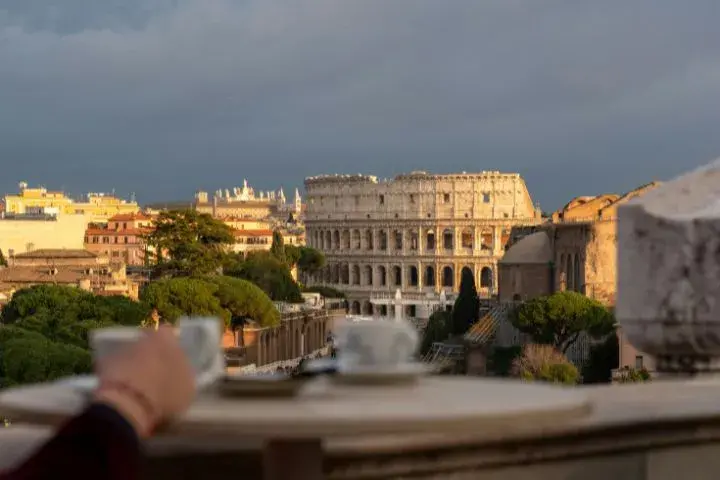
Coffee culture in Rome is fast and functional.
- Espresso is usually drunk standing at the bar
- Sitting down costs more
- Cappuccino is a morning drink
You can order a cappuccino later in the day, but expect looks. I usually stick to espresso—it’s quick, cheap, and very Roman.
Timing Matters More Than You Think
Rome follows its own rhythm, and fighting it makes everything harder.
- Mornings are best for sightseeing
- Early afternoon slows down
- Evenings start late
Plan major sights early, rest or wander mid-afternoon, and enjoy dinner after 8 pm. This rhythm alone makes Rome feel far more manageable.
Walk More Than You Expect
Rome looks huge—and it is—but many attractions cluster closer than they appear.
Walking:
- Saves time compared to transport
- Shows you the real city
- Avoids waiting and transfers
Good walking shoes are essential. Rome’s cobblestones are beautiful and unforgiving.
Use Rome’s Free Drinking Water
Rome has hundreds of public drinking fountains, known as nasoni.
The water is:
- Clean
- Cold
- Free
Carry a refillable bottle and use it. It saves money and is especially important in summer.
Don’t Try to See Everything
This is the most common mistake.
Rome is not a city to “complete.”
Trying to cram everything into one trip leads to rushed days and shallow memories.
Choose:
- A few must-see sights
- A couple of neighborhoods
- Plenty of unplanned time
Rome fills the gaps better than any itinerary.
Eating Tips That Make a Real Difference
A few habits improve meals instantly:
- Avoid restaurants with staff inviting you inside
- Step away from the main squares
- Trust short, focused menus
Roman meals are meant to be slow. Don’t rush them.
Sunday & Monday Surprises
Some practical things to know:
- Many shops close on Sunday
- Some museums close on Monday
- Churches can be crowded during services
Always double-check opening days if your stay is short.
Cash vs Cards
Cards are widely accepted, but:
- Small bars and bakeries may prefer cash
- Taxis sometimes do as well
Carry a small amount of cash—not too much.
My Final Tip
Rome rewards patience. The moment you stop trying to control every detail, the city opens up. Leave space for delays, wrong turns, and long lunches. That’s when Rome starts to feel right.
Next, let’s put everything into perspective.
Rome vs Other Italian Cities (How It Really Compares)
Italy isn’t a one-city country, and choosing where to go first really matters. I get asked this all the time: Is Rome better than Florence? Is Rome overwhelming? Should I skip Milan?
Coming from Florence and traveling often between cities, here’s the honest, no-hype comparison—so you can choose what actually fits your travel style.
Rome vs Florence
This is the comparison people struggle with most.
Rome is bigger, louder, and more chaotic. History isn’t curated—it’s layered. You don’t just visit monuments; you live among them. It can feel intense, but it’s deeply rewarding if you like cities with personality.
Florence is smaller, more polished, and easier to manage. Art and history feel concentrated and beautifully presented. It’s calmer, more walkable, and simpler to “understand” in a short time.
Choose Rome if you want:
- Monumental history and variety
- A city that surprises you daily
- Energy, contrast, and depth
Choose Florence if you want:
- Renaissance art and elegance
- A compact, walkable city
- Easy access to Tuscany day trips
Many travelers do both—and that combination works beautifully.
Rome vs Milan
These two couldn’t feel more different.
Rome is about the past and daily life intertwined. Meals are slow, streets are imperfect, and time feels flexible.
Milan is modern, fast, and functional. It’s Italy’s business and fashion capital, with a more international feel. Sights are fewer, but the city excels in food, shopping, and contemporary culture.
Choose Rome if you want:
- Ancient history and iconic sights
- A classic first-time Italy experience
Choose Milan if you want:
- A modern Italian city
- Shopping, design, and nightlife
- A great base for northern Italy
Rome feels emotional. Milan feels efficient.
Rome vs Venice
This one is about atmosphere.
Rome is chaotic but real. People live there in huge numbers, and the city functions as a capital first, destination second.
Venice is unique, fragile, and unforgettable—but also limited. It’s smaller, more expensive, and very crowded in peak season.
Choose Rome if you want:
- Variety and depth
- A city that changes by neighborhood
Choose Venice if you want:
- Something truly one-of-a-kind
- A short, focused experience
Venice is magical for a few days. Rome sustains longer stays.
Rome vs Naples
This is a comparison of intensity.
Rome is busy but controlled.
Naples is raw, loud, and unapologetic.
Naples offers incredible food and energy, but it’s not for everyone—especially first-time visitors. Rome is easier to navigate and more forgiving.
Choose Rome if you want:
- Structure with character
- History without shock
Choose Naples if you want:
- Chaos, authenticity, and edge
- Pizza and street life at full volume
So… Is Rome the Best Choice?
Rome is the best choice if you:
- Are you visiting Italy for the first time
- Want a bit of everything—history, food, neighborhoods
- Don’t mind crowds and walking
- Enjoy cities with strong personalities
Rome is not the best choice if you:
- Want a quiet, compact city
- Dislike crowds entirely
- Prefer slow countryside travel
My Honest Recommendation
If this is your first trip to Italy, Rome makes sense—even if it’s not “easy.” It gives you context. Once you understand Rome, the rest of Italy becomes clearer.
Up next, let’s answer the most common practical questions travelers ask.
Visiting Rome FAQs (Quick Answers You’ll Actually Use)
Is Rome safe for tourists?
Yes. Rome is generally safe for visitors, including solo travelers. Violent crime is rare in tourist areas. The main thing to watch for is pickpocketing, especially on crowded buses, metro lines, and around major attractions. Stay aware, keep bags zipped, and avoid flashing valuables.
Is Rome walkable?
Very much so—especially the historic center. Many of Rome’s major sights are closer than they look on a map. That said, Rome is physically demanding: cobblestones, uneven streets, and long distances add up. Comfortable shoes are essential.
Do I need cash in Rome, or can I use cards?
Cards are widely accepted in Rome, but cash is still useful. Small cafés, bakeries, markets, and some taxis may prefer cash. Carry a small amount, not a large sum.
How far in advance should I book tickets in Rome?
For major attractions like the Colosseum and Vatican Museums, book at least a few days in advance—more in peak season. Everything else can usually be decided on the spot.
Is Rome expensive to visit?
Rome can be affordable or expensive depending on your choices. Eating like a local, walking instead of using taxis, and booking tickets in advance keep costs reasonable. It’s generally cheaper than Milan and similar to Florence.
What’s the best area to stay in Rome for first-time visitors?
Centro Storico and Monti are the easiest and most convenient for first-timers. They’re walkable, central, and save time and energy.
Can you drink tap water in Rome?
Yes. Rome’s tap water is safe, clean, and excellent. The city’s public drinking fountains (nasoni) are free and widely available.
Is Rome good for families?
Yes, Rome is good for families, but plan shorter days. Rome involves a lot of walking and waiting. Parks, open spaces, and breaks are important when traveling with kids.
How many days do you really need in Rome?
Three days in Rome is ideal for first-time visitors. Four or five days allow for a slower pace and neighborhoods. Less than two days feels rushed.
Is Rome overcrowded?
Rome is busy year-round, but timing helps. Early mornings, evenings, and shoulder seasons (spring and fall) feel far more manageable than midday in summer.
Plan Your Rome Trip with Travelandoo
Once you understand how Rome works, planning the practical side becomes much easier. These are the tools I personally rely on (and recommend to friends) to keep things smooth, flexible, and stress-free.
🚆 Book Trains & Transport in Italy
If you’re arriving in Rome by train or planning to move between cities, I always compare routes and prices first.
👉 Check train, bus, ferry and flight options with Omio
It’s especially useful for:
- High-speed trains between Rome, Florence, Milan, and Naples
- Comparing train vs bus vs flight times
- Seeing real schedules in one place
🚗 Rent a Car for Italy Road Trips
You don’t need a car in Rome—but it’s perfect once you leave the city.
- 👉 Explore Italy beyond Rome with road trips and itineraries
- 👉 Compare car rentals in Italy with DiscoverCars
I use it to:
- Compare prices across providers
- Avoid hidden fees
- Find the best option for road trips from Rome
Ideal if you’re continuing to Tuscany, Umbria, Amalfi Coast, or beyond.
📱 Stay Connected with an eSIM
Avoid airport SIM stress and expensive roaming.
👉 Get a reliable Italy eSIM from Airalo
This is perfect if you want:
- Instant data on arrival
- Google Maps, tickets, and transport apps are working immediately
- No physical SIM card swapping
I activate it before landing—it just works.
🏨 Find the Right Place to Stay
Rome is much easier when you stay in the right area.
👉 Find well-located hotels in Rome by neighborhood
Focus on Centro Storico, Monti, Trastevere, or Prati for the best balance of location and comfort.
🎟️ Reserve Key Attractions in Advance
Some things in Rome should never be left to chance.
👉 Book skip-the-line tickets for Rome’s top attractions
Especially important for:
One pre-booked attraction per day is more than enough.
If you’ve read this far, you already know how to experience Rome the right way.
Final Words: Enjoy Rome the Way It’s Meant to Be
Rome isn’t a city you “do.” It’s a city you live, even if only for a few days.
If you arrive expecting perfection, Rome will test your patience. But if you arrive curious, flexible, and willing to slow down, it gives back more than almost any other city in Italy. History isn’t behind glass here—it’s under your feet, beside your coffee, and woven into everyday life.
My best advice is simple: plan the essentials, then let go. Walk more than you schedule. Sit longer than you think you should. Return to the same café twice. Skip one attraction without guilt. These small choices are often what people remember most when they think back on Rome.
Coming from Florence, I still find Rome challenging at times—but I never find it boring. Every visit shows me something new, and that’s why I keep going back.
If this guide helps you feel more confident, more relaxed, and more open to the city, then it’s done its job.
Rome doesn’t need to be conquered.
It just needs to be experienced.
Buon viaggio!
Get our FREE Italy
Travel Guide
E-Book
This printable guide is your ultimate companion for exploring Italy, with insider tips, detailed itineraries, transportation advice, must-see attractions, and more.

Explore More
- Siena Travel Guide: Best Things to Do, Where to Stay, and Travel Tips
- Tuscany Travel Guide: Best Places to Visit, Things to Do & Travel Tips
- One Day in Siena: How to Spend the Perfect Day in Tuscany’s Medieval City
- Pisa Travel Guide: Plan the Perfect Visit to Italy’s Leaning Tower City


Book Your Tour
Rent Car

💬 We’d love to hear from you!
Have questions, tips, or personal travel stories to share? Drop them in the comments below — your insights help fellow travelers plan their adventures too.