
Rome 3 Day Itinerary: What to See, Skip & Enjoy Without Rushing

by Hwan | Last Updated January 1, 2026

Three days in Rome is enough to fall in love with the city—but only if you approach it the right way.
Most Rome itineraries try to squeeze in everything: too many museums, too much backtracking, and days so full they leave you exhausted rather than inspired. I’ve seen it happen often, and I’ve made that mistake myself. Rome doesn’t reward rushing—it resists it.
The good news is that a well-paced Rome 3 day itinerary can be deeply satisfying. You won’t see every corner of the city, but you will experience its rhythm: ancient streets that connect naturally, long lunches that reset your energy, evenings that feel unplanned in the best way.
This itinerary is designed for first-time visitors who want to see Rome clearly, not completely. Each day has a clear focus, walkable routes, and built-in flexibility—so you spend less time navigating and more time enjoying where you are. I’ll also tell you what’s optional, what’s worth booking in advance, and what you can skip without regret.
If you leave Rome wishing you had just one more day, you probably did it right.
This itinerary is designed for first-time visitors, but for deeper planning, neighborhoods, and practical tips, our Rome Travel Guide covers everything you need before you go.
Let’s start now with the big question everyone asks before booking.

Is 3 Days in Rome Enough?
Yes—3 days in Rome is enough for a first visit, as long as you focus on the essentials and don’t try to do everything. Three days give you time to see the city’s highlights, walk between neighborhoods, and enjoy evenings without feeling constantly rushed.
In simple terms: you’ll cover the must-sees, skip the overload, and leave with a clear sense of Rome.
What you can realistically do in 3 days
- See Ancient Rome (Colosseum area) and the historic center
- Visit the Vatican without stacking museums
- Explore one or two neighborhoods at a relaxed pace
- Enjoy Rome’s evenings, food, and atmosphere
What you should not try to do
- Fit every major museum into the same trip
- Cross the city multiple times per day
- Follow an hour-by-hour schedule
Three days in Rome works best when you accept that the city isn’t a checklist. It’s a place where walking, eating well, and letting areas unfold naturally matter as much as ticking off landmarks.
If your days feel full but not exhausting, you’re on the right track. And if you leave wishing you had one more day, that’s not a failure—it’s exactly how Rome is supposed to feel.
Next: how this itinerary is designed to make those three days work.

How This 3 Day Rome Itinerary Is Structured
This itinerary is built to reduce friction and protect your energy—two things that matter more in Rome than squeezing in extra stops. Instead of bouncing across the city, each day has a clear focus and a natural flow.
Here’s how (and why) it works:
One Clear Theme Per Day
Each day centers on a single area or idea:
- Day 1: Ancient Rome + the historic center
- Day 2: Vatican City + Trastevere
- Day 3: Neighborhoods, views, and slow exploration
This keeps walking distances reasonable and avoids backtracking.

Walking First, Transport Only When It Helps
Rome rewards walking. Routes are planned so you can move on foot most of the time, using transport only for longer hops or when it genuinely saves energy. This makes days feel calmer—and far more enjoyable.
Morning Focus, Flexible Afternoons
Big sights are scheduled earlier in the day when crowds and heat are lower. Afternoons are intentionally lighter, with options you can adapt based on how you’re feeling—tired, curious, or ready to slow down.
Optional Stops Are Clearly Marked
Not everything is a must-see. Optional stops are included so you can customize your days without feeling like you’re missing something if you skip them.
Evenings Are Left Open
Rome shines at night. Dinners, walks, and spontaneous moments aren’t rushed or boxed into tight schedules. If you repeat a neighborhood or linger longer than planned, that’s a feature—not a flaw.
Realistic Pacing Over Checklists
If a day looks “full” on paper, it’s probably too much in real life. This plan favors depth over coverage, so you leave with memories—not burnout.
Let’s start with Day 1—Rome’s historic heart and first impressions.
Get our FREE Italy
Travel Guide
E-Book
This printable guide is your ultimate companion for exploring Italy, with insider tips, detailed itineraries, transportation advice, must-see attractions, and more.

Day 1: Historic Rome & Iconic First Impressions
Day 1 is about meeting Rome properly—not racing it. This is the day I always try to keep slightly lighter than planned, because Rome has a way of slowing you down, whether you want it to or not. You’ll start with the city’s ancient core, then ease into the historic center where Rome’s layers reveal themselves naturally.
It’s a walking-first day with a gentle arc: big history in the morning, living piazzas in the afternoon, and a first evening that sets the tone for the days ahead.
Morning (9:00–12:30): Ancient Rome

Begin early to beat the heat and the crowds. Standing in front of the Colosseum for the first time is one of those moments that feels strangely familiar and overwhelming at the same time—I still catch myself slowing down here, even after multiple visits, just to let it sink in.
- Colosseum: Even if you don’t go inside, standing outside and walking around it slowly is powerful. When I do choose to enter, I always book skip-the-line Colosseum tickets in advance—waiting in line here can drain your energy before the day has even begun. Inside, I keep expectations simple and focus on understanding the space rather than every detail.
- Roman Forum: Walk the main path and pause at viewpoints rather than trying to “see everything.” The Forum can feel chaotic at first, but once you stop rushing, it starts to make sense as a landscape rather than a checklist.
- Palatine Hill (optional): Only if you’re feeling fresh. I treat this as a bonus, not a requirement—Rome is long, and energy saved here pays off later.
Why this works: You anchor the trip with Rome’s origins while your legs and focus are at their best, before the city’s intensity fully kicks in.
Lunch (12:30–14:00): Central & Casual
Eat close to where you are—this saves time and keeps the pace relaxed. I’ve learned the hard way that crossing half the city “for lunch” almost never feels worth it on Day 1. Look for a simple trattoria or a bakery with savory options, sit down, drink some water, and reset. Avoid places advertising “tourist menus” right outside major sights; walking a few minutes usually improves both food and mood.
Afternoon (14:00–17:30): Pantheon & Piazzas

The afternoon is about flow, not ticking boxes. This is where Rome starts to feel less monumental and more human.
- Pantheon: Step inside and stand still for a moment. Every time I enter, the noise of the street drops away instantly—it’s one of Rome’s quiet miracles and works perfectly as a midday reset.
- Piazza Navona: Lively and theatrical, sometimes chaotic, but great for people-watching. This is a good place to slow your pace rather than push it.
- Campo de’ Fiori: Pass through rather than linger; it’s more of a connector than a destination, especially in the afternoon.
- Largo di Torre Argentina (optional): A quick stop if you’re nearby—interesting ruins without the commitment of a full archaeological site.
Walking between these places is part of the experience. I rarely take the shortest route here; the small detours are often where Rome feels most alive.
Evening: First Roman Night

As the light softens, head toward Trevi Fountain later rather than earlier. It’s still busy, but the atmosphere shifts after dinner, and the fountain feels more magical once the day-trippers thin out.
For your first dinner, keep it simple and close to where you end up. I never plan a long walk after dinner on Day 1—fatigue sneaks up quickly. A slow meal, a short evening stroll, and the feeling that you don’t have to rush anywhere are more than enough to close the day.
Rome Itinerary Day 1 Takeaway
You’ve seen Rome’s foundations, felt its rhythm, and learned how distances actually work. If you’re pleasantly tired—not exhausted—you’ve paced Day 1 exactly right. That balance is what makes the rest of the itinerary work.
Next: a completely different side of the city.
Rome Itinerary Day 2: Vatican City & Classic Rome
Day 2 feels different from Day 1. If Day 1 is about Rome’s ancient weight, Day two is about scale and contrast—from the intensity of the Vatican to the looseness of an evening in Trastevere. It’s a fuller day mentally, and I always feel that by mid-afternoon, so pacing matters even more here than it seems on paper.
Morning (8:30–13:00): Vatican Essentials

Start early. The Vatican rewards an early start more than almost any place in Rome—both for crowds and for your own patience. I’ve done this too late once, and I never repeat that mistake.
Vatican Museums & Sistine Chapel
This visit is impressive, overwhelming, and tiring—all at once. I always remind myself before going in that I’m here for the experience, not to absorb every detail or memorize every fresco. Move steadily, pause when something genuinely grabs you, and don’t fight the flow—doing that only leads to frustration.
👉 Skip-the-line Vatican tickets are strongly recommended here. Standing in long queues outside can drain your energy before you even step inside, and having direct access makes the whole morning feel calmer and more intentional.
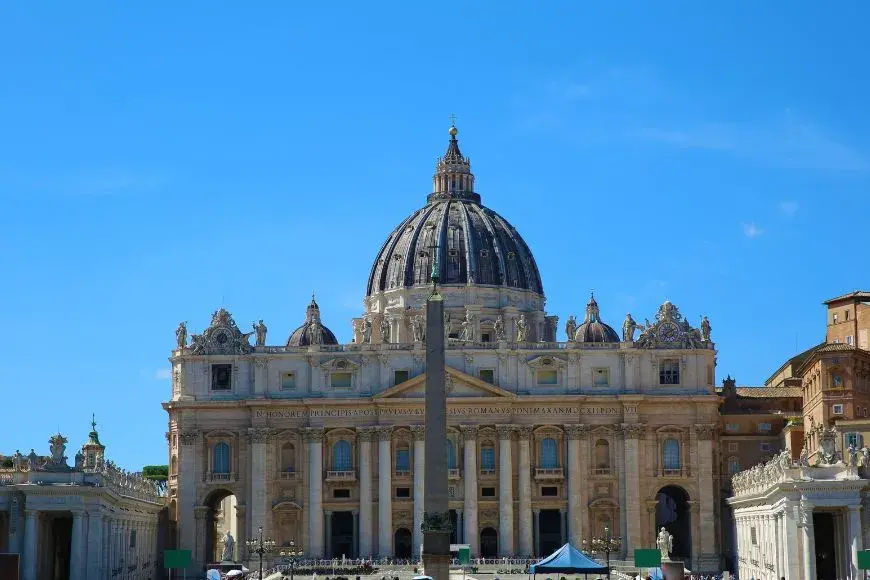
St. Peter’s Basilica
Stepping inside after the museums feels like a release. Even when it’s busy, there’s room to slow down, breathe, and let the space sink in. I usually spend less time than I think I should here, but more time than I planned, and that balance always works for me. The scale humbles you without feeling rushed.
Why this works: You tackle Rome’s most demanding sights while your focus—and patience—are still fresh.
Lunch (13:00–14:30): Light & Nearby
After the Vatican, heavy lunches are a mistake—I’ve learned that the hard way. Keep it simple, close by, and unhurried. This break is a reset, not a highlight meal, and letting your mind decompress here makes the rest of the day noticeably smoother.
Afternoon (14:30–17:30): Castel Sant’Angelo & the River
The shift from the Vatican to the river is subtle but important, and I always feel it almost immediately.

Castel Sant’Angelo
Whether you go inside or just walk around it, this area helps decompress after the morning’s intensity. The views from the bridge and along the river feel like a mental exhale—one of those moments where Rome gently loosens its grip on you.
River Tiber Walk
This stretch is less about ticking off sights and more about rhythm. Walking here naturally slows the day down, which is exactly what you need after the Vatican’s visual overload.
Evening: Trastevere

By evening, Trastevere feels like a reward. Wandering without a strict plan works best—voices spill out of restaurants, streets glow softly, and the mood is relaxed in a way that contrasts beautifully with the morning’s formality.
Dinner here is as much about atmosphere as food. I never chase “the best place”; I look for somewhere that feels right in the moment. This is usually the evening where Rome stops feeling like a destination and starts feeling like a place you’re temporarily living in.
Rome Itinerary Day 2 Takeaway
If Day 2 feels full but not rushed, you’ve done it right. The Vatican is intense by nature—balancing it with open spaces, walking, and a loose evening is what keeps the day enjoyable rather than exhausting.
Next: a slower, more personal side of the city.
Day 3: Neighborhoods, Views & Slow Rome
Day 3 is where Rome finally exhales. After the intensity of the first two days, this is the moment I always look forward to—the day when the city feels less like a checklist and more like a place you’re moving through at your own pace.
Morning (9:30–12:00): Monti or Local Rome

Start in Monti, one of Rome’s most quietly charming neighborhoods. I love beginning the day here because it doesn’t demand anything from you—no lines, no pressure, just cafés opening their doors, locals greeting familiar faces, and streets that invite wandering. Grab a coffee, browse small boutiques, and let yourself linger longer than planned. This slower start is intentional; by Day 3, your feet and your mind both need it.
Midday – Best Views in Rome
From Monti, make your way toward Terrazza del Pincio on the Pincian Hill. No matter how many times I’ve seen this view, it still stops me for a moment. Looking out over Piazza del Popolo with Rome stretching endlessly beyond feels like a pause button on the trip—a chance to take it all in and realize how much you’ve already experienced in just a few days.
Drifting down toward the Spanish Steps afterward keeps the mood light. It’s busy, yes, but by now you know how to move through crowds without fighting them, which makes all the difference.
Lunch – Flexible & Spontaneous
By Day 3, I stop planning lunch. A bakery window, a casual trattoria, or a quick panino eaten standing up often becomes the meal I remember most. Eating without reservations feels freeing here—it’s Rome reminding you that not every moment needs structure.
Afternoon – Choose Your Own Rome

This afternoon is deliberately open. Pick one option and commit to it without squeezing in extras.
- Borghese Gallery – If you choose this, reservations are essential, but the reward is real. The calm inside, the space around each artwork, and the sheer beauty of the collection feel like a gentle contrast to the Vatican’s intensity.
- Villa Borghese – If museums feel like too much, wandering the park is the perfect alternative. Shaded paths, quiet corners, and benches made for doing nothing at all make this one of my favorite reset spots in the city.
- Free wandering – Sometimes the best choice is no choice: churches you stumble into, streets you didn’t plan, moments you didn’t expect.
Evening – Final Roman Stroll
For your last evening, keep things simple. A relaxed dinner, a slow walk through familiar streets, and maybe one last gelato. I usually find myself walking without checking the map, replaying moments from the past few days—the first sight of the Colosseum, the hush of the Sistine Chapel, the laughter drifting through Trastevere. It’s a quiet, emotional close, and it’s exactly how Rome should end.
You don’t need fireworks on your final night—just the feeling that you’ve connected with the city in a way that goes beyond photos and landmarks.
If you find yourself with extra time—or want to swap a museum for something more relaxed—Rome offers far more than what fits into three days.
Our Things to Do in Rome guide dives deeper into experiences, neighborhoods, and lesser-known spots you can mix into this itinerary.
Getting Around Rome During This 3 Day Itinerary
Rome is a city best understood on foot. Walking is the default for this itinerary, not just because the distances make sense, but because so much of Rome reveals itself between the landmarks. Some of my favorite moments here have happened while heading somewhere else—turning a corner, hearing church bells, stumbling onto a quiet piazza I wasn’t looking for.
That said, knowing when not to walk is just as important.
For longer jumps—especially between the Vatican and the historic center—the Rome Metro can be useful, even if it’s limited. Line A does most of the heavy lifting for visitors, and when it works, it works well. I treat it as a connector, not a lifestyle. Buses can be helpful too, but only if you’re flexible; traffic and delays are part of the experience, whether you like it or not.
Taxis are worth using strategically. Late evenings, tired feet, or cross-city trips are moments where a short ride can save your energy for what actually matters. I don’t hesitate to take one at night—it often feels like a gift to your future self the next morning.
Above all, staying central changes everything. When your hotel is walkable from major sights, Rome feels manageable instead of overwhelming. You can pop back for a rest, freshen up before dinner, or change plans without stress. That flexibility is what makes a 3-day Rome itinerary feel relaxed rather than rushed.
👉 For a deeper breakdown of transport options, passes, and local tips, see our full guide on Getting Around Rome.

Where to Stay for a 3 Day Rome Trip
Where you stay in Rome matters more than the hotel itself. With just three days, location can either make the city feel effortlessly walkable—or quietly exhausting. I’ve learned that staying central saves time, energy, and even money, because you’re far less tempted to rely on taxis or public transport when everything is close.
Best Areas to Stay in Rome for This Itinerary
Centro Storico
Staying in the historic center means you’re surrounded by Rome’s greatest hits—piazzas, fountains, churches—right outside your door. Early mornings and late evenings here are magical, when the crowds thin and the city feels almost private. If you want to step out and immediately feel Rome, this is it.
Monti
Monti is one of my favorite bases in the city. It’s central, stylish without being flashy, and has a local feel that makes mornings calmer and evenings more relaxed. You’re close to Ancient Rome but removed from the constant flow of tour groups, which makes a big difference after long sightseeing days.
Trastevere
If atmosphere is your priority, Trastevere delivers. Narrow streets, lively evenings, and a strong neighborhood vibe make it a great choice, especially if you love ending your days with good food and a stroll home through buzzing streets. Just keep in mind that mornings here are quieter—and a bit farther from some major sights.
Prati
Prati is ideal if you want space, order, and proximity to the Vatican. Streets are wider, hotels are often better value, and it feels more residential. It’s less romantic at night than Trastevere, but very practical for a smooth start to Day 2.
Why Location Beats Hotel Class
I’d choose a smaller, simpler hotel in the right area over a luxury stay on the outskirts every time. Being able to walk back for a short rest, change before dinner, or head out again without planning logistics makes Rome feel lighter and more enjoyable—especially on a packed but well-paced 3-day itinerary.
👉 If you want help choosing, check hotels by neighborhood to find the best options based on location, style, and budget rather than star ratings alone.
When Rome is right outside your door, the city stops feeling like something you’re visiting—and starts feeling like somewhere you belong, even if only for a few days.
Rome 3 Day Itinerary Map
A Rome itinerary map makes a huge difference, especially for first-time visitors. Rome isn’t difficult to navigate, but it is dense—major sights sit close together, while others look near on the map but feel far once you’re walking. Seeing everything laid out visually helps you understand the city before you’re in the middle of it.
This Rome map groups sights by area rather than popularity. That’s intentional. Instead of bouncing across the city, each day flows naturally from one neighborhood to the next, keeping walking distances realistic and energy levels steady.
How to Use This 3 Days in Rome Map
- Day 1 clusters Ancient Rome and the historic center, making it ideal for walking-heavy exploration without transport stress.
- Day 2 clearly separates Vatican City from the river walk and Trastevere, so you can see where a metro ride or taxi actually makes sense.
- Day 3 highlights neighborhoods, viewpoints, and green spaces, reinforcing the slower pace built into the final day.
I always recommend opening the map each morning—not to follow it rigidly, but to get a mental picture of where you’re headed. Once you understand the layout, Rome feels far less overwhelming, and detours start to feel exciting instead of stressful.
A well-designed Rome travel itinerary map doesn’t lock you into a schedule—it gives you confidence. And with confidence, you’re more likely to wander, pause, and enjoy the city rather than rush through it trying not to get lost.

Common Mistakes on a Rome 3 Day Itinerary
Even with a solid plan, it’s easy to make Rome feel harder than it needs to be—especially on a 3-day Rome itinerary. These are the mistakes I see (and have made myself) that turn a great trip into an exhausting one.
Trying to See Everything
Rome rewards restraint. Packing too many major sights into each day is the fastest way to burn out. A good itinerary focuses on one main highlight per half-day, not five must-sees back to back. You’ll remember fewer places, but you’ll remember them better.
Crossing the City Too Often
Rome looks compact on the map, but walking times add up quickly. Jumping between distant neighborhoods wastes energy and attention. This itinerary is designed to minimize backtracking for a reason—when your Rome itinerary flows geographically, the city feels lighter and more enjoyable.
Overbooking Museums and Timed Tickets
It’s tempting to pre-book everything “just in case,” but overbooking removes flexibility. One or two timed entries per day is plenty. Leave space for wandering, cafés, and unexpected discoveries—those moments often define what to do in Rome in 3 days more than another museum room.
Ignoring Walking Distances
Rome is walkable, but it’s not flat, and it’s not small. Wearing the wrong shoes or underestimating distances can quietly ruin your pace. Comfortable footwear isn’t optional, it’s a strategy.
Plan Your Trip with Our Favorite Booking Tools
Skipping Breaks Altogether
Rest isn’t wasted time. Short pauses—sitting in a piazza, grabbing a coffee, heading back to your hotel for 30 minutes—reset your energy. Rome is intense by nature; respecting that is what makes your visit feel satisfying instead of overwhelming.
Avoid these mistakes, and Rome stops feeling like a challenge to conquer—and starts feeling like a city you’re actually experiencing.

Tips to Make the Most of 3 Days in Rome
A well-paced itinerary isn’t about squeezing everything in—it’s about giving each experience enough space to breathe.
Start Early, Finish Slow
Rome is gentler in the morning. Major sights are calmer, temperatures are lower, and the city feels more open. By evening, slow things down—long dinners, evening walks, or sitting in a piazza with no agenda. This rhythm keeps three days in Rome enjoyable rather than exhausting.
One Major Sight per Half-Day
Rome is intense by nature. Limiting yourself to one major sight in the morning and one in the afternoon gives structure without pressure. This approach also helps clarify what to see in Rome in 3 days without turning the trip into a checklist.
Walk Whenever Possible
Walking isn’t just transportation in Rome—it’s part of the experience. Many of the most memorable moments happen between landmarks, not at them. A walking-first mindset helps the city feel connected instead of overwhelming.
Book the Vatican and Colosseum in Advance
When time is limited, planning ahead matters. Booking key sights in advance saves energy and avoids unnecessary stress, especially during busy seasons.
Eat Near Where You Are
Crossing the city for a “must-try” restaurant rarely improves the experience. Some of the best meals happen close to where you already are, and they keep your day flowing naturally.
Leave One Evening Unplanned
Not everything worth experiencing in Rome needs a plan. Leaving one evening open allows the city to surprise you—music drifting through a square, a quiet street glowing at night, or a spontaneous dinner that feels just right.

3 Days in Rome Itinerary Variations
Not every trip to Rome looks the same—and that’s a good thing. Below are a few simple ways to adapt this itinerary based on who you’re traveling with, your budget, or the season, without breaking the overall pacing that makes three days in Rome work so well.
Rome 3 Days with Kids
Rome can be surprisingly kid-friendly if you ease up on museums and lean into open spaces.
- Fewer interiors, more outdoors: piazzas, fountains, and parks keep energy levels balanced
- The Colosseum works well even from the outside if attention spans are short
- Villa Borghese is ideal for downtime, shade, and space to move
- Plan regular gelato and snack breaks—they’re not extras, they’re strategy
The key here isn’t doing less, but choosing experiences that feel playful rather than demanding.

Rome 3 Days on a Budget
Rome rewards slow travelers, and that’s great news if you’re watching costs.
- Many of Rome’s best experiences are free: churches, piazzas, viewpoints, and neighborhoods
- Walk as much as possible—this itinerary is designed for it
- Bakeries, pizza al taglio, and casual lunches keep food costs low without sacrificing quality
- Book only the essentials in advance and skip over-tour scheduling
A budget-friendly Rome trip often feels more authentic, not more limited.
Rome 3 Days in Summer or Winter
Summer (June–August):
- Start earlier than usual, especially on Days 1 and 2
- Build in longer midday breaks or shaded walks
- Evenings become the highlight—late dinners and night walks shine
Winter (November–February):
- Fewer crowds make major sights far more enjoyable
- Churches and museums feel calmer and more atmospheric
- Shorter days encourage slower mornings and cozier evenings
Each season changes the rhythm slightly, but the structure of the itinerary still holds.
These variations aren’t about rewriting the plan—they’re about adjusting the feel of it. Once the pacing is right, Rome adapts easily to your travel style.

Can You Do Rome in 2 Days (or Less)?
Short answer? Yes you can do rome in 2 days—but it comes with trade-offs.
I’ve done Rome on a tight timeline before, and while a Rome 2 day itinerary is absolutely possible, it feels very different from spending three days here. Two days is about prioritizing highlights and moving efficiently; three days is when the city starts to feel human and lived-in.
With only 48 hours, you’re making real choices:
- Ancient Rome or the Vatican (trying to do both is intense)
- Fewer neighborhoods, more iconic sights
- Early starts, fuller days, and very little room for wandering
If time were even tighter, a one day in Rome itinerary would have to be brutally selective—Colosseum area, a short historic-center walk, Trevi at night, and that’s it. It works, but it’s more of an introduction than an experience.

What I’d personally skip when time is limited:
- Smaller museums that require focus and energy
- Long cross-city detours that eat into walking time
- Packing evenings too tightly instead of letting Rome slow you down
Rome has a way of demanding attention. In two days, you’re constantly negotiating with the clock. With three, that pressure softens—you still won’t see everything, but you stop feeling rushed, and that’s when Rome really starts to stay with you.
If you leave Rome wishing you had just one more day, you probably planned it right.
Plan Your Trip with Our Favorite Booking Tools
FAQs: Rome in 3 Days
Is 3 days enough for Rome?
Three days won’t let you see everything, but it’s enough to experience Rome in a meaningful way—especially if you pace it well. You’ll cover the essentials, walk through multiple neighborhoods, and still have moments that don’t feel rushed. Most first-time visitors find three days satisfying, not overwhelming.
Do I need guided tours for a 3 day Rome trip?
Guided tours aren’t mandatory, but they can be helpful for major sights like the Colosseum or the Vatican if you enjoy context and storytelling. That said, Rome also works beautifully on your own—especially when paired with skip-the-line tickets and a walking-first approach.
Is Rome walkable for three days?
Yes, very much so. This itinerary is designed around walking, with sights grouped by area to keep distances reasonable. Comfortable shoes matter more than anything else. Public transport and taxis are best used selectively, not constantly.
What should I skip if I’m short on time?
If you’re feeling rushed, skip smaller museums and avoid crossing the city just to check off another attraction. Focus on one major highlight per half-day and let the rest of the time unfold naturally through walking, food, and atmosphere.
What’s the best time of year to follow this itinerary?
Spring and fall are ideal for walking and sightseeing. Summer works too, but requires earlier starts and slower afternoons. Winter is quieter and more relaxed, especially for museums and churches, though days are shorter.
Plan Your 3 Day Rome Trip with Travelandoo
Planning Rome is much easier when the essentials are sorted in advance. These are the tools I personally rely on to keep a 3-day Rome trip smooth, flexible, and stress-free—without overplanning.
🚆 Getting There & Moving Around
Use Omio to compare trains, buses, and flights in one place. It’s especially helpful for arrival day logistics and for checking realistic travel times without jumping between multiple sites.
📶 Stay Connected Without Hassle
I always use Airalo in Rome. Having mobile data from the moment you land makes navigation, tickets, and restaurant decisions effortless—no SIM shops, no roaming surprises.
🎟️ Book Key Attractions in Advance
For a short stay, pre-booking makes a real difference.
- Vatican Museums & Sistine Chapel tickets
- Colosseum & Roman Forum skip-the-line access
Booking these ahead of time saves hours and preserves your energy for actually enjoying Rome.
🏨 Choose the Right Area to Stay
Location matters more than hotel class in Rome. Staying central means more walking, fewer taxis, and easier evenings. Browse hotels by neighborhood to find the right balance between comfort, budget, and location—especially in Centro Storico, Monti, Trastevere, or Prati.
These resources aren’t about turning your trip into a checklist—they’re about removing friction. When logistics are handled, Rome feels lighter, more enjoyable, and far easier to fall in love with.
Final Words: Leave Wanting More
Rome is not a city you “finish.” Even after three well-planned days, there will always be streets you didn’t turn down, churches you didn’t step into, and moments you didn’t expect. And that’s exactly how it should be.
If you end this trip feeling like you could stay just one more day, you’ve done Rome right. You’ve seen the icons, yes—but you’ve also walked without rushing, eaten without overthinking, and let the city unfold at its own pace. That balance is what turns a short visit into a lasting memory.
This itinerary isn’t about ticking boxes or chasing perfection. It’s about experiencing Rome in a way that feels human, layered, and memorable—so that when you leave, you don’t feel exhausted, you feel connected.
Rome will still be here when you come back. And chances are, you’ll want to.
Get our FREE Italy
Travel Guide
E-Book
This printable guide is your ultimate companion for exploring Italy, with insider tips, detailed itineraries, transportation advice, must-see attractions, and more.
Explore More
 Bari Travel Guide: Best Things to Do, Where to Stay & Local Tips
- Southern Italy Travel Guide: Best Places, Coastal Towns & Itinerary
- Siena Travel Guide: Best Things to Do, Where to Stay, and Travel Tips
- Tuscany Travel Guide: Best Places to Visit, Things to Do & Travel Tips


Book Your Tour
Rent Car

💬 We’d love to hear from you!
Have questions, tips, or personal travel stories to share? Drop them in the comments below — your insights help fellow travelers plan their adventures too.