
Getting Around Milan: Complete Transport Guide

by Abu | Last Updated January 1, 2026

Getting around Milan is easier than most first-time visitors expect — efficient, modern, and surprisingly affordable for a major European city. Whether you’re riding the sleek metro to the Duomo, hopping on a historic yellow tram through Brera, or catching a quick train to Lake Como, Milan’s transport system makes exploring simple and stress-free.
As someone who’s lived in and traveled through this city countless times, I’ve learned that Milan rewards those who move like locals — hopping between metro lines, trams, and bikes instead of relying on taxis. The network is well-connected, safe, and runs like clockwork (almost). With just one pass, you can move seamlessly from Navigli’s canals to Porta Venezia’s art deco streets or even out to Bergamo for the day.

In this complete guide, I’ll walk you through every way to get around Milan — from metro and trams to bikes, taxis, and car rentals. You’ll find local tips, ticket hacks, and time-saving tricks that make navigating the city easy, even on your first visit.
Whether you’re staying a weekend or planning day trips across Northern Italy, this is your go-to guide to moving confidently through Milan — like a true Milanese.
Key Takeaways
What is the best way to get around Milan?
The metro is the fastest and most efficient way to get around Milan. It connects all major attractions — from the Duomo and Brera to Navigli and Centrale Station. For shorter trips or scenic rides, hop on Milan’s classic trams or use the ATM 1-day pass for unlimited travel.
Is Milan easy to get around without a car?
Yes — Milan is one of the most walkable and well-connected cities in Europe. You can easily explore using the metro, trams, and regional trains. If you’re planning day trips, book your train tickets on Omio and skip the need for a rental car inside the city.
Can I use contactless payment on Milan public transport?
Absolutely! All Milan metro stations and trams accept contactless debit/credit cards. Just tap your card at the entrance and exit — no paper ticket needed. The fare is the same (€2.20 per ride), and you’ll be charged automatically at the best daily rate.
How do I get from Malpensa Airport to Milan city center?
The fastest way is the Malpensa Express Train (about 50 minutes to Milano Centrale or Cadorna). Tickets cost around €15. You can also take shuttle buses or book a private transfer if you arrive late at night.
Tip: Use Omio to compare train and bus options in one place.
Should I rent a car in Milan?
Only if you plan to explore outside the city, Milan has restricted driving zones (ZTLs) where tourists can’t enter without authorization. For road trips to Lake Como, Bergamo, or Verona, rent a car through DiscoverCars.com and avoid driving in central Milan.
What’s the best ticket or pass for tourists in Milan?
If you’ll be using public transport several times a day, get the 1-Day (€7.60) or 3-Day (€15.50) pass — both include unlimited metro, tram, and bus rides. You can buy passes at metro stations, tabacchi shops, or via the ATM Milano app.
Essentials Before You Go
Before you start navigating Milan’s metro maps or planning your first tram ride through Brera, take a moment to get these travel essentials sorted. Having your bookings and tools ready will make getting around Milan effortless — whether you’re hopping trains, renting a car, or just walking the canals of Navigli.
🎟️ Best Tours in Milan
Da Vinci’s Last Supper Guided Tour – Guarantee your entry to Milan’s most famous masterpiece with skip-the-line access and expert commentary.
Fast Track Duomo & Rooftop Tour – Skip the lines, explore the cathedral’s history, and enjoy sweeping city views from above.
Brera Art District Walking Tour – Explore hidden galleries, artist studios, and the charming cobblestone streets of Milan’s creative heart.
🚆 Book Your Train & Bus Tickets in Advance
Skip the queues at the station by booking your transport online.
👉 Omio compares Trenitalia, Italo, and regional trains, as well as intercity buses — all in one place. You can buy digital tickets, check schedules in English, and show them straight from your phone. Perfect for day trips to Lake Como, Bergamo, or Verona.
🚗 Reserve Your Car Rental Early
If you plan to explore Northern Italy beyond the city, a rental car gives you full flexibility.
👉 Find the best car rental deals on DiscoverCars.com — compare top companies, get full insurance coverage, and pick up at Malpensa, Linate, or Milano Centrale.
💡 Local Tip: Avoid driving inside Milan’s ZTL zones (restricted traffic areas). Instead, park at your hotel or a designated garage near a metro station.
🏨 Where to Stay in Milan
Stay near Milano Centrale for easy transport connections, or in Brera if you prefer charm and walkability.
- Budget: B&B Hotel Milano City Center Duomo
- Mid-range: Hotel Spadari al Duomo
- Luxury: Galleria Vik Milano
👉 Compare Milan hotels and prices here
📱 Must-Have Travel Apps
- ATM Milano Official App: Metro & tram routes, real-time updates, and digital tickets.
- Google Maps: Reliable for walking, metro, and tram navigation.
- Omio: Train & bus bookings across Italy.
- FreeNow / ItTaxi: For safe, official taxis.
🧳 Quick Local Tips
- Validate all paper tickets before boarding.
- Use contactless cards for fast metro entry.
- Always check for ZTL signs if you’re driving.
- Carry small change — not every tabacchi accepts cards.
Pro Tip: Milan is a city where efficiency meets elegance — book your essentials early, download the right apps, and you’ll move through it like a local from day one.
Milan Transport Options at a Glance: The Best Ways to Get Around Milan
| Transport Type | Best For | When to Use | Travel Tips |
|---|---|---|---|
| 🚇 Metro | Fastest way to move around Milan | Reaching major sights like Duomo, Centrale, Navigli | Buy 1-day or 3-day passes via ATM app; use contactless entry |
| 🚋 Trams | Scenic rides through old neighborhoods | Exploring Brera, Porta Venezia, or Navigli at a slower pace | Validate tickets onboard; Tram 1 is great for sightseeing |
| 🚌 Buses | Reaching areas not covered by metro | Trips to Linate Airport or local districts | Check real-time routes on Google Maps or ATM Milano app |
| 🚕 Taxis & Ride-Apps | Late-night or direct airport transfers | When carrying luggage or outside metro hours | Use FreeNow or ItTaxi; avoid unofficial taxis near Duomo |
| 🚴 Bikes & E-Scooters | Short rides & eco-friendly exploring | Brera, Sempione Park, Navigli Canals | Rent via BikeMi, Lime, or Dott; respect bike lanes & ZTL rules |
| 🚗 Car Rental | Day trips beyond Milan | Visiting Lake Como, Bergamo, or the Alps | Avoid ZTL zones; book on DiscoverCars.com |
For most visitors: metro + walking is your answer. That’s it. Two things. Done.
Let me now break down how to get around Milan so you can stop overthinking it and just explore the city.
The Milan Metro: Your Best Friend
Listen, you’re going to spend a lot of time on Milan’s metro, and honestly? It’s not painful. The metro is fast, clean, and gets you literally everywhere tourists want to go. It’s actually one of the best-designed metro systems in Europe—which is saying something.
Milan has four metro lines, each identified by color and number: M1 (red), M2 (green), M3 (yellow), and M4 (blue). The newest line, M4, opened in 2023 and changed everything about airport access. Each line has 20-30+ stops and connects to other lines at specific interchange points.
The trains run with insane frequency—you’re looking at every 2-5 minutes during the day and every 5-10 minutes at night. Seriously, you almost never have to wait.
What You Need to Know About Milan Metro

The metro operates from 5:30 am to 12:30 am every single day. It reopens at 5:30 am (so there’s a 5-hour gap overnight, which is when you use taxis or night buses if you’re out late). The system is organized like a grid—lines cross at certain points, making transfers straightforward once you understand how it works. The best part? One ticket (€2.20) works on the entire network—metro, trams, and buses combined. You buy it once, validate it once, and can transfer between all three transport types for 90 minutes.
M1 Line (Red Line)
M1 runs from Sesto FS (far north) to Rho/Fiera (far west), and it’s the line you’ll probably use most. This is the tourist workhorse. Here are the stops that actually matter:
- Duomo: The obvious one. The cathedral, the piazza, where 80% of tourists gather. If you’re staying centrally, you’ll be at Duomo station constantly.
- Cordusio: Right next to Duomo, one stop away. This is where you get off for the Galleria Vittorio Emanuele II and the fancy shopping streets.
- Cairoli: Near Sforza Castle. Good if you’re visiting that area.
- Garibaldi: Jump off here for Porta Nuova station, modern Milan, trendy restaurants, and the newer parts of the city.
- Centrale (Milano Centrale): The main train station. This is probably where you arrived if you took a train into Milan from elsewhere in Italy.
For a first-time visitor, honestly, just memorize Duomo and Centrale. Everything else is a bonus. M1 hits the major neighborhoods and major sights. You’ll use this line constantly.
M2 Line (Green Line)
M2 runs from Abbiategrasso (southwest) to Gessate (northeast), making it the longest line. It’s less touristy than M1, which is actually the point if you want to escape the crowds. Key stops for visitors:
- Centrale (Milano Centrale): Same as M1, the main train station. Where many lines converge.
- Porta Romana: A residential neighborhood south of the center where locals actually live. Nice restaurants, real Milan vibe, not touristy. If you’re staying in a mid-range hotel outside the center, M2 probably gets you there.
- Sant’Agostino: Near Porta Romana. Another local neighborhood vibe.
M2 is less essential for typical tourism than M1, but it’s genuinely useful if you want to see neighborhoods where tourists don’t usually go or if your accommodation is on this line. It’s also a backup if M1 feels too crowded during peak hours.
M3 Line (Yellow Line)
M3 runs from San Donato (south) to Comasina (north), and it also hits Duomo, which means it’s your backup when M1 is packed. Key stops:
- Duomo: Yes, another way to reach the center. This is useful during rush hour when M1 is absolutely very crowded.
- Missori: Very close to Duomo, basically the same area.
- Monumental Cemetery (Cimitero Monumentale): If you’re into cemeteries—and honestly, Milan’s is worth visiting; it’s beautiful and weird with stunning architecture and sculptures—this is your stop.
M3 is basically your Plan B for reaching central areas when M1 is overcrowded. It operates with the same frequency and reliability as M1, just slightly less touristy overall.

M4 Line (Blue Line)
M4 is the newest line (opened in 2023), and it’s legitimately a game-changer, especially if you’re arriving at Linate Airport. The line runs from Linate Airport directly to Rho/Fiera (northwest). Key stops:
- Linate Airport: This is huge. Before M4, getting from Linate to the city was annoying and required a bus. Now you just get on the metro. €2.20, direct to downtown. It’s one of the best recent improvements to Milan’s transportation.
- San Babila: Shopping and design district. Modern Milan area.
- Milano Centrale: Yes, it connects here too, so you can transfer to other lines.
If you’re arriving at Linate, this line is genuinely the best option for getting into the city. Fast, cheap, reliable.
How to Use Milan Metro (Step by Step)
Okay, using the metro is straightforward. Here’s the actual process:
- Buy a ticket first. €2.20 for a single ride, valid for 90 minutes across all transport. Buy at a tabacchi (tobacco shop—there are thousands and they have a “T” sign), metro kiosks at stations, airport counters, or the ATM app.
- Identify your line by color on the metro map. Every station has maps everywhere. You can’t miss it.
- Find the platform for your direction. Look at the direction sign—it shows the final stop on that line. So if you want to go west on M1 toward Duomo, follow signs for “Rho/Fiera” because that’s where the westbound trains are headed.
- Validate your ticket at one of the yellow machines before entering the gate. This is important. Put your ticket in, it stamps it, you pull it out. Don’t skip this. Inspectors randomly check, and the fine is €50. Not worth it.
- Walk through the gate (your validated ticket opens it) and head to your platform. Watch the display board for your line.
- Get on the train when it arrives. They come constantly, so if you miss one, another is literally 2-5 minutes away. Don’t stress.
- Exit at your stop. Stop names are announced on the intercom and also displayed on screens in the train. You’ll see it coming.
That’s it. Seriously. You’ll have it figured out after one trip.
Book Train / Bus / Ferry / Flight


Milan Metro Tickets & Passes
Here are your actual options and the math:
- Single ticket (€2.20): Good for one journey, valid for 90 minutes across any combination of metro/tram/bus. You can’t re-enter the system after exiting—it’s one continuous trip. But you can transfer between metro lines, get off and take a tram, then take a bus, all on one ticket, as long as you do it within 90 minutes.
- 10-ticket carnet (€19.50): Buying 10 singles would cost €22, so the carnet saves money if you’re going to take more than 10 rides. Works out to €1.95 per ticket. Good value if you’re staying a week and using the metro regularly.
- Day pass (€ 7.60): Unlimited metro/tram/bus for the whole day (valid for 24 hours). The break-even point is 4 trips. If you’re taking 4+ trips in a day, buy the day pass instead of singles.
- 72-hour tourist pass (€15,50): Three days of unlimited transit. If you’re visiting for 3 days and exploring constantly, this is better than buying day passes individually (3 × €7.60 = €22.8). Good value.
- Monthly pass (€39): For residents basically, but if you’re staying a month, this works out.
Real advice: Do the math based on your trip. Visiting 3 days and exploring a lot? Get the 72-hour pass. Week-long trip? Get the weekly pass. Just dropping by for a day? Buy singles or a day pass, depending on how much you move around. Two-day trip? Just buy singles as needed—probably only 4-6 rides.
Milan Metro Lines Map & Navigation
The metro map looks intimidating at first. It’s not. Once you understand the basics, it’s extremely logical:
- Each line is color-coded (red, green, yellow, blue)
- Lines converge at certain interchange stations (Duomo is where M1 and M3 meet, Centrale is where M1, M2, and M4 meet)
- The lines basically form an X pattern through the city, with some extensions
To navigate: find your start station on the map, find your destination, trace the line or lines you need to take, and go. If you need to change lines, look for where they intersect, and that’s where you transfer. The maps are literally everywhere—at every station, in the metro cars, on your phone, in the ATM app.
Milan Metro Times & Frequency
- Operating hours: 5:30 am to 12:30 am (then it closes for 5 hours)
- Frequency during the day: Every 2-5 minutes, depending on the line. M1 and M3 are most frequent (every 2-3 minutes), M2 and M4 vary slightly but are still frequent.
- Frequency at night: Every 5-10 minutes until closing at 12:30 am
- After midnight: Metro is closed. Use night buses or taxis.
- Delays: Extremely rare. Milan’s metro is incredibly reliable. You might occasionally wait an extra minute, but it’s not a regular thing.
Pro Tips for Metro Use
- Download the ATM app. Seriously. This is the official Milan transport authority app. It tells you exactly when the next train arrives at your station in real time. No guessing, no “it should be here soon.” This makes everything easier.
- Avoid rush hours (7-9 am and 5-7 pm) if you can. The metro gets absolutely packed during these times. If you’re not on a schedule, just wait an hour or take a tram instead. The metro is perfect at any other time.
- Validate every single ticket. Don’t be creative. Yes, you might get away with not validating sometimes. You also might get checked by an inspector who will fine you €50. Not worth the risk. Find the yellow machine, put your ticket in, and validate. It takes 3 seconds.
- Keep your belongings close in crowded areas. Pickpockets exist on the metro like they exist in any major city. Nothing crazy, but don’t leave your phone on the seat or your bag open. Use common sense. Keep your valuables close, especially during rush hour or crowded trains.
- Escalator etiquette: stand on the right, walk on the left. This is important in Milan. If you stand in the middle, Italians will glare at you and probably say something. Stand right, walk left. This applies to escalators everywhere in Milan, not just the metro.
Get our FREE Italy
Travel Guide
E-Book
This printable guide is your ultimate companion for exploring Italy, with insider tips, detailed itineraries, transportation advice, must-see attractions, and more.

Milan Trams: Charming But Slower
Okay, so trams are like the metro’s slower, more romantic cousin. They run on tracks at street level, which means you can actually see Milan as you travel. You watch the city unfold. You see street life happening. You feel like you’re in a European film.
The downside? They’re definitely slower than the metro and less frequent. A journey that takes 10 minutes on the metro might take 20-25 minutes on a tram. They stop at every station, they have to navigate street traffic, and they’re subject to delays that the underground metro never experiences.
That said, trams are genuinely useful for specific situations, and honestly, they’re kind of fun if you’re not in a rush.

What Trams Are Good For
Scenic routes: This is the main reason to take a tram over the metro. You’re not underground; you can see where you’re going. Milan’s tram routes pass through neighborhoods, parks, and along streets with character. If you want to experience the city rather than just get from point A to point B, take a tram.
Short distances: For trips under 3-4 km, a tram is fine. You won’t save much time compared to the metro, but you’ll see more. Sit back, enjoy the ride, watch Milan happen.
Specific neighborhoods: Some neighborhoods are only accessible by tram, not metro. If you want to explore those areas without walking the whole way, a tram gets you there.
Less crowded than the metro: During rush hour, trams are usually less packed than the metro. If you’re traveling during peak hours and don’t want to be crushed against Italian businesspeople, take a tram instead.
Main Tourist Tram Routes in Milan

Milan has 28 tram lines, but most tourists only need to know a handful:
Tram 1 (Red): Runs north-south through the center and through Brera. This is the artsy route. If you want to explore the galleries, cobblestone streets, and bohemian vibe of Brera, this tram connects you directly from central areas. It’s charming and frequently recommended in guidebooks.
Tram 15 (Blue): This is the Navigli route. It goes directly to the canal district, where all the nightlife, restaurants, and summer atmosphere happen. If you’re heading to Navigli for dinner or drinks, this is your tram. It’s a direct line, and it saves you from walking.
Tram 9 (Gray): Crosses from Porta Romana (residential, local) through the center toward Lambrate (design district, industrial-chic). If you want to see neighborhood variety and understand different parts of Milan, this is a good exploratory tram. Less touristy than 1 or 15.
Tram 20 (Green): Circular route around the historic center. It’s very touristy—literally designed for tourists to get oriented—but actually useful if you’re new to the city and want to understand the layout. Hop on, ride the whole circle, see what’s where. Take 45 minutes, get your bearings.
These four trams cover most tourist needs. Beyond these, you’re exploring specific neighborhoods that you probably know more about than the average visitor.
Plan Your Trip with Our Favorite Booking Tools
How Milan Trams Actually Work
Trams operate similarly to buses but on fixed tracks. You find a tram stop (there’s a sign with the tram number and route), wait for your tram, get on, validate your ticket on board, and get off at your stop. The stops are marked with signage. Most stops have a shelter. During good weather, waiting is fine. During rain or heat, waiting is less fun.
Trams are slower and more subject to traffic delays than the metro, so expect delays during peak hours. The good news: if you miss one, another usually comes within 5-15 minutes, depending on the line.
Milan Tram Tickets & Passes
Here’s the beautiful part: your ticket is the same as the metro. €2.20 gets you 90 minutes across any combination of metro, tram, and bus. Same passes apply: day passes, 72-hour passes, weekly passes, all work on trams.
The difference from the metro: you validate your ticket on the tram itself when you board, not before entering a gate. Just find the yellow validation machine on the tram, put your ticket in, it stamps it, and you’re good. If you have a digital ticket on the ATM app, show it to the driver, and you’re set.
Important: validate your ticket or you’ll get fined €50, just like the metro. Don’t think trams are more relaxed about this. They’re not.

When to Choose Trams
You want a slower, scenic experience: You’re not in a rush. You want to see Milan, not just pass through it. You’ve got time and you want atmosphere.
You’re going short distances: Under 3-4 km, a tram is fine and more enjoyable than the metro.
The metro is overcrowded: During rush hour, if you’re avoiding the packed metro, a tram is your option. Less crowded, more breathing room.
You’re exploring a specific neighborhood: You want to get into a neighborhood by tram, get off, walk around, experience it, maybe grab lunch or a coffee. Then either walk back or take a tram elsewhere.
You want the “local Milan” experience: Taking a tram feels more integrated into the city than the metro. You’re at street level, moving through neighborhoods, experiencing the actual city. Locals take trams for short distances constantly.car renta
Milan Tram Map & Routes
Finding a tram is easier than finding metro routes because everything is at street level. You can literally see the tracks. Maps are available at major tram stops and in the ATM app. The app shows you real-time tram arrivals if you select a specific stop, which is genuinely helpful for planning.
To navigate: find your starting tram stop (Google Maps can help), identify which tram line you need, wait for it, board, validate, and get off at your destination. Most tram stops have signs showing which trams stop there and where they go.
Connections to the metro: Many tram stops connect to metro stations. For example, Tram 1 passes near several metro stops, so you can combine tram travel with metro travel easily using your single ticket. Look at maps to see where connections exist.
Real talk: don’t overthink it. Trams are slower, but they’re forgiving. If you get on the wrong one, you can get off and catch another. It’s not a big deal.
Milan Buses: Complete Network

Milan has an extensive bus network—like 80+ routes. Buses go everywhere the metro doesn’t, which is genuinely useful if you’re staying in an outer neighborhood, exploring beyond central areas, or need to reach somewhere specific that doesn’t have metro access. The bus system is comprehensive and reaches far corners of the city that tourists never see.
The trade-off: buses are less frequent than the metro (every 5-15 minutes depending on the route and time of day), they’re slower (they navigate regular street traffic), and they’re more crowded during rush hour. Also, navigating bus routes requires a bit more planning than the metro because you need to know your specific stop or ask the driver. It’s not hard, just slightly less intuitive than following a colored metro line.
Milan Bus System
Milan’s bus network is run by the same ATM authority that manages the metro and trams. Buses cover the entire city and the surrounding areas. There are day buses, night buses, and express buses (which make fewer stops). For tourists, you’ll mostly encounter regular-day buses.
The system is reliable but slower than the metro. A journey that takes 10 minutes on the metro might take 20-30 minutes on a bus because buses stop frequently and deal with regular street traffic. During rush hour (7-9 am, 5-7 pm), buses get packed and delays increase.
How to Use Buses
Finding a bus stop: Look for the bus shelter or pole with bus numbers marked on it. Major stops have shelters and benches. Smaller stops might just be a pole on the sidewalk. Unlike the metro, you wait at street level, exposed to the weather.
Reading timetables: Timetables are posted at most stops, showing which buses come and approximate frequencies. They’re usually in Italian and don’t list exact times—instead, they say things like “every 5-10 minutes” or “every 15 minutes.” During early morning (before 6 am) or late night, buses are less frequent. The ATM app shows real-time bus arrivals if you enter your stop.
Validating your ticket: Same as trams—you validate on the bus itself. There’s a yellow validation machine (usually near the door). Put your ticket in, it stamps it, you keep it. Digital tickets on the ATM app: just show the driver or tap if the bus has contactless readers. You can also show your pass.
Requesting your stop: This is the part that confuses tourists. Buses often have electronic displays showing upcoming stops, but not always. Before boarding, ask the driver, “Does this bus go to…?” (name your destination). Or ask a passenger. Milanesi are helpful. Once on the bus, when you see your stop approaching, press the button on the pole (there are buttons between seats and near doors) or say “Scusa!” and the driver will stop. It’s normal and expected.
Main Tourist Bus Routes in Milan

Honestly? Most tourists don’t use buses much because the metro + walking covers 95% of what you need. But here are buses that are occasionally useful:
- Bus 94: Connects Centrale Station to Duomo area and beyond. Useful if you’re at the train station and want to reach central areas without waiting for the metro.
- Bus 4: Runs through several central neighborhoods and reaches some outer areas. Useful for orientation or reaching specific neighborhoods.
- Night buses (N1, N2, N5, etc.): After the metro closes at 12:30 am, various night bus routes run until the metro reopens at 5:30 am. If you’re out late, check which night bus serves your route.
For most tourist purposes, though, buses aren’t essential. The metro and trams cover tourist routes better.
Tickets & Passes
Same €2.20 single ticket, same passes (day, 72-hour, weekly), same validation requirement. Everything that works on the metro and trams works on buses. The ticketing is unified across all three—one system, one price, same rules. You can buy a single ticket and use it across the metro, tram, and bus within 90 minutes. Beautiful simplicity.
You can also book tickets on Omio, which integrates multiple transport providers and shows all your options in one place.
Unified Ticketing System

Here’s what makes Milan transportation genuinely easy: one ticket works for the metro, tram, and bus. €2.20 buys you 90 minutes of travel on any combination of all three systems. You can take the metro for 5 minutes, exit, get on a tram for 10 minutes, exit at a different part of the city, wait for a bus, and ride that bus—as long as the entire journey happens within 90 minutes, it’s all covered by one ticket. You validate once (or once per system), and you’re good.
This is huge. It’s beautifully simple. No confusion about different ticketing systems. No worrying about which transport uses which ticket. One system, one price, everything integrated.
How Milan’s Tickets Work
The basic rule: one ticket = 90 minutes of continuous travel across metro, tram, and bus combined. “Continuous” means you can’t exit the system and come back. Once you exit all transport, your ticket is done. But while you’re in the system, transferring between different types of transport, it all counts as one journey.
The 90-minute window is genuinely generous. Most tourists will use it correctly without even thinking about it. You’re unlikely to need more than one ticket for a day’s normal tourism.
Where to Buy Milan Transport Tickets
Tabacchi (tobacco shops): These are everywhere in Milan. Look for the white “T” sign. Walk in and say “Un biglietto, per favore” (one ticket, please) or “Dieci biglietti” (ten tickets). They know exactly what you mean. This is the most convenient option because tabacchi are literally on almost every corner. Prices are standard everywhere.
Metro station kiosks and machines: Every metro station has either a staffed booth or automated machines. The machines have English language options. Staffed booths are faster if they’re not too busy. Machines take coins and cards.
ATM app: You can buy digital tickets directly on the app (it’s free to download). You select “single ticket” or “carnet” or “pass,” pay via your card, and your phone becomes your ticket. To use it: either show your phone to the driver/inspector or hold it to a validation machine if the stop has contactless readers. This is modern and convenient, especially if you don’t want to carry a paper ticket.
Omio app: This is a comprehensive journey planner that shows bus routes, regional trains, and long-distance transport options. You can book tickets directly through Omio for bus journeys and day trips outside Milan. Useful if you’re planning trips to nearby towns (Como, Bergamo) or comparing bus options for specific routes. For metro and tram tickets within Milan, stick with the ATM app.
Airport counters: Both Malpensa and Linate have ticket counters where you can buy passes. Prices are the same as elsewhere, but the counter speeds up the process when you’re tired from flying. Convenient but not cheaper.
Vending machines at major stops: Some major tram/bus stops have vending machines. Less common than metro machines, but they exist.

How to Use Your Ticket
Physical tickets: Validate at the yellow machines before entering the metro gate. For trams and buses, validate on the vehicle itself using the yellow machines. The machine stamps your ticket with time/date. Once validated, keep the ticket with you—inspectors occasionally check passengers. Never throw away a validated ticket until after you’ve exited all transport.
Digital tickets on the ATM app: Open the app, select your validated digital ticket, and either show your phone to the driver or hold it to the machine if it has contactless readers. The app shows you’ve validated. Some drivers won’t even ask—they’ll just see you have it.
Passes: Passes (day, 72-hour, weekly, monthly) are valid as soon as you activate them. You don’t validate them at each use like single tickets. They’re either physical cards or digital in the app. Just show them to drivers/inspectors if needed.
Where Milan Transport Tickets Actually Get Validated
This is important because it’s slightly different for each system:
Metro: Validate your ticket at the yellow machines before entering the platform gate. You’ll see them clearly near the gates. Put your ticket in, it stamps it, pull it out.
Trams: Validate on the tram itself. There are yellow machines on the tram (usually near doors). When you board, walk over and validate. Same process—put the ticket in, it stamps.
Buses: Same as trams. Validate on the bus using the yellow machine. Usually positioned near the front or middle of the bus.
Digital tickets: Show your phone to the driver or tap it to a reader if present. Drivers are used to digital tickets—it’s normal now.
Don’t skip this validation step. There are inspectors (not frequently, but it happens), and the €50 fine is real.
Getting Around from Milan Airports
You’re probably arriving at one of three airports: Malpensa (huge international, 50km away), Linate (closer domestic, 9km away), or Bergamo (budget airlines, 50km away in the opposite direction). How you get from the airport to the city depends on which one you land at and what matters to you (speed, cost, convenience, luggage situation).
How to Get to Milan From Malpensa (The Main International Airport)
Malpensa is where most international flights land. It’s 50km west of the city, so you can’t just walk. You need transport.
Malpensa Express train (€15, 40 minutes): This is the classic option and honestly the best for most people. It’s a direct train from the airport to Milano Centrale station (the main train station). Trains run every 20-30 minutes from 5:40 am to 11:20 pm. You arrive at the airport, follow signs for the train, buy a ticket, wait for your train, sit down, and 40 minutes later you’re in the city center at Centrale.
From Centrale, you can immediately catch the metro to wherever your accommodation is. This option is reliable, clean, and you can relax after flying. No stress about driving, finding parking, or navigating. Just sit back and get your bearings.
Malpensa Bus Express (€10, 50 minutes): Direct bus from the airport to Centrale. It’s slower than the train (buses deal with traffic), slightly cheaper, and buses run frequently. If you prefer buses or the train is full, this works. Not as comfortable as the train, but it gets you there.
Taxi or Uber (€110+, 55+ minutes depending on traffic): Only do this if you have multiple people and can split the cost, or you’re arriving at weird hours, or you have extensive luggage and want to be taken directlyto be taken to your accommodation. During rush hour, this can take an hour+ and cost more. During off-peak hours, it’s faster but still expensive. Generally not recommended for solo travelers or during normal hours.
Real advice: Take the train, it’s reliable, and it eliminates stress. You’re not driving in Milan traffic, you’re just sitting on a train decompressing from your flight.
How to Get to Milan From Linate (The Closest Airport)
Linate is only 9km from the city, which is close. Getting from Linate used to be annoying (only bus option), but then they opened the M4 metro line directly to Linate, which changed everything.
M4 Metro (€2.20, 10 minutes): This is now the best option, and it’s genuinely incredible. You land, walk to the metro, hop on M4, and you’re downtown in like 10-15 minutes total. The cost is just your standard metro ticket. M4 goes directly to Milano Centrale, where you can transfer to other lines. This is the fastest and cheapest option and has completely changed Linate airport logistics. If you’re arriving at Linate, this is your clear winner. Seriously, just do this.
Bus (€5, 20 minutes): ATAC buses run from Linate to various city locations. It’s slower than the metro, less direct, but cheaper. There’s no real reason to take the bus over the metro now that M4 exists, but it’s an option if, for some reason, the metro doesn’t work.
Taxi (€30-40, 15-20 minutes): Closer airport means cheaper taxi, but still not cheap. Only do this if you have luggage and want to go directly to your accommodation, or you’re a group splitting the cost.
Real advice: Take the M4 metro. It’s €2.20, takes 10 minutes, and goes directly downtown. It’s legitimately one of the best airport connections in Europe.
How to Get to Milan From Bergamo Airport
Bergamo is 50km away in the opposite direction from Malpensa. Ryanair and other budget airlines use this airport. If you’re arriving here, it adds time and cost to get to Milan.
Shuttle buses (€6-10, 1 hour): Most budget airlines arrange shuttle buses from the airport. Check with your airline about options and book ahead. They’re convenient and cheap, but slow.
Train (€12, 1 hour): Take a bus or taxi from Bergamo airport to Bergamo train station, then take a train to Milano Centrale. More complicated than the other airports, but standard route.
Taxi/Uber (€90-100+, 45 minutes+): Only if you have multiple people and can split the cost. Otherwise expensive and not recommended.
Real talk: Bergamo adds an hour and €10-20 to your journey. If you can choose between airports, choose Malpensa or Linate. If you end up in Bergamo, budget extra time and money. The shuttle bus is usually your best bet.
Get our FREE Italy
Travel Guide
E-Book
This printable guide is your ultimate companion for exploring Italy, with insider tips, detailed itineraries, transportation advice, must-see attractions, and more.
Milan Taxis & Rideshare: When They Make Sense
Taxis are available in Milan and can be useful in specific situations. They’re not your primary transportation (the metro is), but they’re genuinely helpful when you need them.

Official Taxis
Milan has white taxis everywhere. This is your official taxi system. Here’s how to actually use them:
Hailing on the street: You can stand on a street and wave down a taxi if you see one. This works but isn’t reliable. During rush hour, you might wait 20 minutes. Off-peak, you might immediately get one. Not recommended as your strategy.
Taxi stands: The reliable way. Go to a taxi stand at major locations: Duomo piazza, Milano Centrale station, airports, and major nightlife areas (Navigli, Brera). There’s literally a line of taxis waiting. Walk up, get in the first one. Tell the driver where you’re going. Done.
Call for a taxi: You can call a taxi company directly, but this requires Italian language skills or a willing bystander. Most tourists don’t bother.
Uber or Lyft: Use these apps like you would at home. They summon official licensed taxis in Milan (not private drivers like in some cities). Booking is easier than calling, and rates are transparent upfront.
Typical costs:
- Short trip across town: €10-20
- To/from Malpensa airport: €100-110 (can be more during rush hour or if there’s traffic)
- To/from Linate airport: €30-40
- To/from Bergamo airport: €80-100+
- Late-night surcharge: 20% extra after midnight automatically added
Meter starts immediately: €3.50 minimum. After that, it’s calculated by distance. Watch the meter, though they’re always accurate.
Tipping: Optional but appreciated. Round up if you want, don’t stress about adding 20% like you might in America. Most Milanese just round to the nearest euro or add a couple of euros.
Milan Uber vs. Lyft vs. Traditional Taxis
Uber in Milan: Works and actually summons official licensed taxis (not Uber drivers). Cost is similar to hailing a traditional taxi, sometimes slightly cheaper because Uber negotiates rates. You get a digital receipt, which is nice.
Lyft: Available in Milan, similar to Uber.
Traditional taxis: Hailing from a stand vs. using Uber doesn’t matter that much—you’re getting the same vehicle and similar pricing. Uber is convenient if you’re not comfortable hailing on the street. Taxi stands are good if you want immediate pickup.
When Taxis in Milan Make Sense
Late night (after the metro closes at 12:30 am): Your only real option. Budget €20-50 depending on distance. Plan ahead if possible.
Heavy luggage: You’re arriving with multiple bags and don’t want to navigate the metro stairs/escalators. Taxi goes door-to-door. Worth the cost for convenience.
Group of 3-4 people: Split the cost, and it might be comparable to multiple metro tickets. Do the math: 4 people × €2.20 = €8.80 for the metro. If a taxi costs €25, that’s €6.25 per person. Actually, similar sometimes.
You’re tired and don’t want to navigate: Fair enough. Sometimes it’s worth paying for convenience and not thinking about directions.
Medical situation or emergency: Taxi is faster than waiting for a bus.
Plan Your Trip with Our Favorite Booking Tools
When Taxis Don’t Make Sense
It’s daytime and you’re going anywhere touristy: The metro is faster (you avoid surface-level traffic), cheaper (€2.20 vs. €15-25 for a taxi), and more reliable. Seriously, just take the metro.
You’re alone and not tired: Metro is always the better value.
You’re trying to save money: Metro wins every single time.
You’re moving around the city constantly: One metro pass (€7.60 day pass) beats multiple taxis easily.
Practical Taxi Tips
- Use Uber if you’re not comfortable with traditional taxi stands. It’s the same vehicles, just digitized.
- Always use official white taxis. Never accept rides from unmarked cars.
- If using a traditional taxi, confirm the meter is running and on when you start.
- Keep the receipt—your hotel might need it for something.
- During rush hour (5-7 pm, especially), taxis take longer and charge more. Avoid if possible.
Milan Bikes & Scooters: The Fun Options

BikeMi: The Bike Share System
Milan has a bike-share system called BikeMi. There are thousands of bikes at stations scattered throughout the city. It’s relatively cheap and straightforward.
How BikeMi works:
- Buy a pass: €4.5 for a day, €9 for a week, €39 for an annual subscription
- Download the BikeMi app or use their website
- Use the app to unlock a bike at any station
- Ride it somewhere
- Return it to any station (doesn’t have to be the same one)
- With your pass, you get unlimited 30-minute trips (overstay charges apply after 30 minutes)
When to use bikes in Milan:
- Good weather (sunny, not raining)
- Short distances under 2km
- You’re in central, flat areas: Navigli, Brera, Centro Storico, Porta Venezia
- You want to feel like a local
- You want exercise/movement instead of sitting on transit
- You’re exploring at a leisurely pace

When NOT to use bikes:
- It’s raining or very hot (summer heat makes biking unpleasant)
- You’re carrying luggage or shopping bags
- You’re unfamiliar with the city and might get lost
- It’s nighttime (traffic is aggressive, visibility is poor)
- Winter (cold, sometimes icy)
- You’re in a rush (actually, the metro is faster for distance)
Real talk: Milan is flat and bikes work fine, but Milan traffic is intense. Most tourists probably shouldn’t bike. Milan drivers are aggressive. If you’re comfortable biking in European cities with regular traffic, go for it. If you’re nervous about traffic, just use the metro. There’s no shame in that.
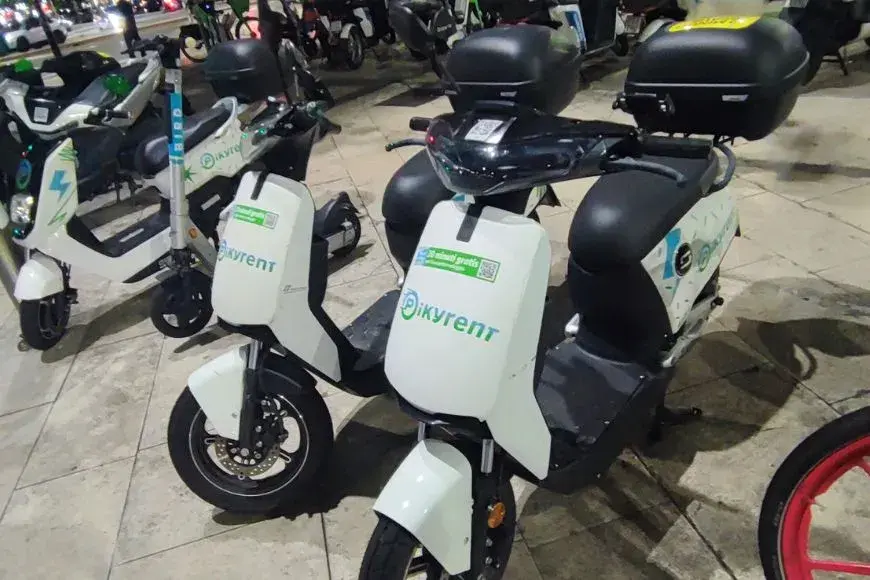
Milan E-Scooters

Electric scooters are everywhere: Lime, Voi, and other companies have thousands of scooters parked around the city.
How they work:
- Download the app
- Find a scooter nearby (app shows them)
- Unlock it (QR code scan)
- Ride it to your destination
- Leave it where you parked (companies want them spread throughout the city)
Cost: Roughly €1 to unlock/start, then €0.28-0.38 per minute. Math: a 15-minute ride costs about €5. A 10-minute ride costs about €3.50.
When to use scooters:
- Very short distances (under 1km)
- You think they’re fun (honestly, this is the main reason)
- The weather is good
When NOT to use scooters:
- It’s rainy (scooters are slippery)
- You’re scared of traffic (they’re fast and exposed)
- You have luggage
- It’s nighttime
- You’re not confident in balancing
Real talk: E-scooters are trendy, but they’re not faster than the metro, not cheaper for multiple people, and genuinely scary in Milan traffic. Tourists sometimes use them for fun, which is fine. But for actual transportation, the metro is better. Use scooters if you think it’s fun, not as your primary transportation strategy.
Walking in Milan: The Underrated Option
Here’s the thing about Milan: some neighborhoods are super walkable, some absolutely are not. Walking is genuinely useful for specific situations, not as your primary transportation method.
Which Areas Are Very Walkable in Milan
Centro Storico (around the Duomo): Everything is close together, pedestrian-friendly, and beautiful. You can walk from Duomo to Cordusio (shopping), to Sforza Castle, and across to Brera all on foot. Very walkable, though crowded.
Brera: Cobblestone streets, galleries, restaurants, wine bars, boutiques. Perfect for walking and getting lost on purpose. You’ll discover side streets and tiny piazzas. Very walkable and actually pleasant.
Navigli: Canal district, cafés, restaurants, summer atmosphere. Totally walkable. You can spend hours wandering along the canals. Very walkable.

Which Areas Are Somewhat Walkable
Porta Venezia: Residential, nice parks (Giardini Pubblici), good restaurants. Walkable within the neighborhood, but distances to other neighborhoods are farther than they feel. Takes 20-30 minutes to walk to Duomo.
Porta Nuova: Modern area, but spread out. You can walk around the neighborhood, but getting to other areas requires the metro or a long walk.
Which Areas Are NOT Really Walkable
Lambrate: Design district, cool, but far from everything and not walkable to touristy areas. You need the metro.
Città Studi: University area, even farther out. Requires the metro to reach anything of interest to tourists.
Milan Walking Tips
Comfortable shoes are essential. Seriously. Milan has cobblestone streets, and you’ll probably walk more than you expect. Bad shoes ruin a day. Bring good walking shoes.
Check the weather first. Rain makes wandering less fun. Summer heat (27-30°C) makes walking exhausting. Good weather? Walk all you want. Bad weather? Use the metro.
Getting lost is actually fine. This is how you discover hidden restaurants, neighborhood cafés, local markets, and side streets. Some of the best Milan experiences come from wandering randomly. You’re in a grid pattern—you can’t get that lost.
Traffic is chaotic. Look both ways multiple times. Delivery scooters come out of nowhere. Cyclists don’t always follow rules. Drivers aren’t expecting tourists to cross randomly. Pay attention, look before you step, and wait for the lights.
Use Google Maps, but also just wander. Maps get you where you need to go, but half the fun is deviating from the route and exploring. Put your phone away sometimes and just walk.
Walking distances are longer than they look on the map. A 1km walk takes about 12-15 minutes. A 2km walk takes 25-30 minutes. Plan accordingly.
When Walking Makes Sense
- Short distances under 2km
- Good weather
- You’re not in a rush
- You want to explore specific neighborhoods on foot
- You’re doing neighborhood-focused time (coffee, lunch, browsing shops)
- You’re staying in a walkable neighborhood and just exploring locally
When Walking Doesn’t Work
- Rainy or very hot weather
- Heavy luggage
- Between distant neighborhoods
- You’re on a tight schedule
- It’s nighttime, and you’re unfamiliar with the area
- You’re exhausted from travel
Milan Walking Strategy
Here’s how smart travelers use walking: Stay centrally in a walkable neighborhood (Brera, Navigli, or central), and walk within that neighborhood. Use the metro to get between neighborhoods. Walking + metro is the best combination. You walk 20-30 minutes in a specific area, experience it, then take the metro to another area and repeat.
Don’t try to walk across Milan. That’s 5km+. That’s what the metro is for. But do walk within neighborhoods. That’s where the character is.
Driving in Milan

I’m going to be very direct here: do not rent a car in Milan. I cannot emphasize this enough. This is not the city for driving tourists.
Here’s why:
1. Traffic is genuinely insane. Milan drivers are aggressive. The roads are narrow. Traffic lights are more of a suggestion. Delivery scooters ignore all rules. You’ll be stressed the entire time. Even experienced drivers find Milan stressful. If you’re not super comfortable in intense European traffic, you will have a bad time.
2. Parking is impossible and expensive. Street parking is either €2-3 per hour or completely full (it’s always full). Your chances of finding a spot are basically zero. Garages are €25-40 per day. Parking fines are €100+. You’ll spend half your trip looking for parking and having anxiety about where you left your car.
3. Congestion charge (Area C). Milan has a charging zone in the center. If you drive in during certain hours, you pay €5. It’s added to your rental. Not huge, but annoying.
4. Tolls on highways. If you leave the city for day trips (Como, Lake Como, Bergamo), the highways have tolls. €0.10-0.30 per km. They add up.
5. The metro costs €2.20 and works perfectly. Why would you drive?
The Only Exception
The only time renting a car makes sense is if you’re doing multiple-day trips outside Milan with multiple people. Example: group of 4 people doing 2-3 day trips to Como, Bergamo, and Lake Como. Split the rental cost, and you’re each paying maybe €30-50 total. That makes sense. But for just Milan? No.
If You Absolutely Must Drive in Milan

If, for some inexplicable reason, you end up needing to drive in Milan:
- Know the city layout first. Don’t drive if you don’t know where you’re going. You’ll make mistakes and stress.
- Avoid rush hours. 7-9 am and 5-7 pm are nightmares. Only drive off-peak.
- Use a parking garage. Don’t try street parking. Garage prices hurt, but it’s worth the peace of mind.
- Drive carefully. Seriously. Defensive driving is not optional. Milanesi drive aggressively. Stay alert.
- Get insurance. Comprehensive coverage is essential. Milan traffic is aggressive.
Car Rentals (If You Insist)
Various companies: Hertz, Avis, Budget, Europcar. If you absolutely must rent a car, I personally use Discovercars.com to compare rental options across companies and find the best rates. It’s a good aggregator for comparing prices before booking. Prices typically €40-80 per day, depending on car type and season. You’ll need a driver’s license (an international driving permit is recommended but not always necessary depending on your country). Insurance is extra but essential (€10-20/day).

The Real Alternative
If you want to leave Milan for day trips:
- Train: Take a train to Como, Bergamo, or other towns. Trains are efficient, you can relax, and you avoid driving stress. This is the best option.
- Organized tours: Many companies do day trips from Milan. You pay more, but it’s hassle-free.
- Public transport: Buses connect Milan to nearby towns if you’re not in a rush.
Any of these beats driving and parking in Milan.
Getting Around Milan at Night
The metro and trams close at 12:30 am and reopen at 5:30 am. That’s a 5-hour gap when underground transport doesn’t exist. If you’re out after midnight, you need different strategies.
Late Night Transport Options
Night buses: Several bus routes run overnight when the metro is closed. They’re less frequent than daytime buses (every 20-30 minutes instead of 5-10), but they exist. Not all routes run all night—some stop at midnight, some run only certain hours. The ATM app shows which routes run late and their schedules. If you’re planning to be out late, check which night bus serves your route before you go out. Alternatively, ask a bartender where the night bus stop is.
Taxis and Uber: After midnight, these are your reliable options. Both operate 24/7. Prices go up automatically: taxis add a 20% surcharge after midnight. Uber surge pricing kicks in, especially on weekends. Expect to pay €20-50 for a ride, depending on distance. If you’re staying in the area with nightlife (Navigli, Brera), it might be cheaper to just walk back than to wait for a taxi.
Walking: If you’re staying near nightlife areas, walking back might actually be your best option. Navigli is 15 minutes from Duomo on foot. Brera is even closer. Most of Milan’s nightlife is in areas that are walkable from central accommodations. A 20-30 minute walk home is free and actually kind of fun (though less fun in bad weather or when you’re exhausted).

Night Bus Routes
The most useful ones:
- N90, N91: Connect different parts of the city during night hours
- Various other N-routes depending on where you need to go
Honestly, the specific routes matter less than knowing: they exist, they run less frequently, and the ATM app tells you which ones go where and when. Plan ahead if possible.
Safety Considerations for Late Night in Milan
Stay in well-lit, populated areas. If you’re waiting for a bus or walking, stick to main streets and areas with people. Milan is generally safe, but basic city sense applies.
Use official taxis. Never accept rides from unmarked cars or people offering rides. Only official white taxis or Uber/Lyft.
Avoid walking alone if possible. If you’re out late with others, walk together. Solo walking is fine in main areas, less ideal in quiet back streets.
Tell someone where you’re going. Basic travel safety. If you’re going out late, let your accommodation know your plans.
Stick to main streets. Getting lost at midnight in back alleys is not fun. Stay on streets you know or major streets.
Cost of Late-Night Transport
Night bus: €2.20 (same as regular metro ticket) if running Taxi: €20-50+ depending on distance and surcharges Walking: Free Uber/Lyft: €20-50+ depending on surge pricing
Pro Late-Night Tips
- Plan your return before you go out. Know which night bus you’re taking, or budget for a taxi, or plan to walk.
- Most nightlife is in walkable areas from central hotels. Navigli and Brera are the main nightlife zones, both within walking distance of central areas. This is actually convenient.
- Weekends (Fri-Sat) have more surge pricing. If possible, go out late on weeknights for cheaper taxi rides.
- Bars often know about night buses. If you’re unsure, ask the bartender where the nearest night bus stop is.
- Stay out until 5:30 am if you want to catch the first metro. Kind of dedication, but some people do it. Otherwise, taxi/Uber is your option.
When to Just Stay Local
Real talk: if you’re tired and the taxi costs €25 to get home, but you’re only 15 minutes from your hotel on foot, just walk. Save the money. Get fresh air. It’s often the better option than waiting for a taxi and paying surge pricing.
Consider staying in or near neighborhoods with nightlife (Navigli, Brera, Porta Nuova) if you plan to be out late. The walkability saves you money and stress.
Pro Tips & Hacks
General
- Download the ATM app. Seriously. It’s free and tells you exactly when the next train/bus arrives. Game changer.
- Always validate your ticket. There are inspectors, and the fine is €50. Not worth the risk.
- Avoid rush hours (7-9 am, 5-7 pm) if you can. Everything is packed and miserable.
- The metro is faster than thinking. I know it feels simpler to walk, but for any distance over 2km, just take the metro. It’s designed for quick trips.
- Keep your bag close in crowded areas.
Money-Saving
- Buy a 10-ticket carnet (€19.50) instead of singles if you’re going to buy more than 10 tickets. It breaks down to €1.95 per ticket vs. €2.20.
- Day pass break-even is four trips. If you’re taking 4+ trips in a day, get the day pass.
- The weekly pass (€14) is absurdly cheap if you’re visiting 5+ days and exploring. Just get it.
Time-Saving
- Plan your route before you go. Use Google Maps or the ATM app. Don’t stand in the station looking confused for 10 minutes.
- Pre-buy your ticket if there are lines. Don’t wait until you’re late to figure it out.
- Use the metro for any distance. It’s genuinely faster than buses or trams.
- Download Omio if you’re planning day trips outside Milan or comparing bus options. It’s useful for regional transport and booking, though for metro/tram within the city, stick with the ATM app.
Milan Navigation
- Google Maps works perfectly in Milan. Use it. It integrates with metro schedules and everything.
- The metro map looks chaotic, but it’s actually very logical. The lines form an X pattern basically. Once you figure that out, it makes sense.
- If you get lost, literally just ask someone. Milanesi are gruff but helpful. “Scusa, dove…?” and point at your phone’s map. Everyone will help.
Final Words
Okay, here’s the honest truth: getting around Milan is easy. The metro is excellent. Trams are charming. Buses are comprehensive. You don’t need a car. You probably don’t even need to overthink it.
Download the ATM app, buy a pass that matches your trip length, and explore. You’ll figure out the metro by your second ride. Within a few days, you’ll know the main lines and won’t even think about it.
The city is designed around the metro. It works. You’ve got this. Now stop overthinking and go explore Milan.
Get our FREE Italy
Travel Guide
E-Book
This printable guide is your ultimate companion for exploring Italy, with insider tips, detailed itineraries, transportation advice, must-see attractions, and more.
Explore More
- Siena Travel Guide: Best Things to Do, Where to Stay, and Travel Tips
- Tuscany Travel Guide: Best Places to Visit, Things to Do & Travel Tips
- One Day in Siena: How to Spend the Perfect Day in Tuscany’s Medieval City
- Pisa Travel Guide: Plan the Perfect Visit to Italy’s Leaning Tower City


Book Your Tour
Rent Car

💬 We’d love to hear from you!
Have questions, tips, or personal travel stories to share? Drop them in the comments below — your insights help fellow travelers plan their adventures too.