
Florence Travel Guide: What to See, Where to Stay & Local Tips

by Luca | Last Updated January 16, 2026

Florence Travel Guide for First-Time Visitors
I’ve lived in Florence long enough to recognize the look on people’s faces when they step out of Santa Maria Novella station for the first time — equal parts excitement and uncertainty.
Many arrive with a packed list of museums, restaurants saved on their phone, and the idea that Florence is small enough to “figure out as they go.” Some manage it. Many end up rushing, queuing longer than expected, or missing places they would have loved simply because they didn’t plan their days in the right order.
This Florence travel guide for first-time visitors is written from that local perspective. It’s based on what I see every day — which attractions get overwhelming by mid-morning, which streets stay quiet even in high season, and which neighborhoods actually make sense for a first stay. If you’re visiting Florence for the first time, this Florence city guide will help you focus on the best things to do and see in Florence, choose the right area to stay, and understand how to move around the city without stress.
You’ll also find practical advice shaped by real life here: where to stay in Florence depending on how you travel, where locals go for simple Tuscan food, the best restaurants in Florence that don’t rely on tourists, and the best bars for aperitivo after the crowds thin out. The aim isn’t to rush through Florence, but to help you experience your first visit in a way that feels natural, well-paced, and genuinely memorable.
Florence is just one part of a much bigger journey — for broader planning, routes, and city guides, explore our Italy Travel Guide.
Florence at a Glance
Florence is one of the easiest Italian cities to understand once you arrive — but only if you know how it’s actually lived in. From my daily walks through the historic center, I’ve learned that Florence feels compact and manageable on purpose. Most of the city’s most important sights sit close together, and when you plan around that, Florence becomes a pleasure instead of a puzzle.
Why Florence Works So Well for First-Time Visitors
From what I see every day, Florence is ideal for first-time visitors because:
- The historic center is truly walkable — I cross it regularly in under 30 minutes
- You don’t need a car — in fact, driving here usually makes things harder
- The main attractions are concentrated, not scattered across the city
- Arriving by train is simple — Santa Maria Novella station drops you right into the city
What Florence Is Best Known For
Living here, these are the things I see visitors come for — and leave remembering:
- Renaissance art and architecture at a scale you can absorb
- Museums like the Uffizi and Accademia that still feel powerful, even after multiple visits
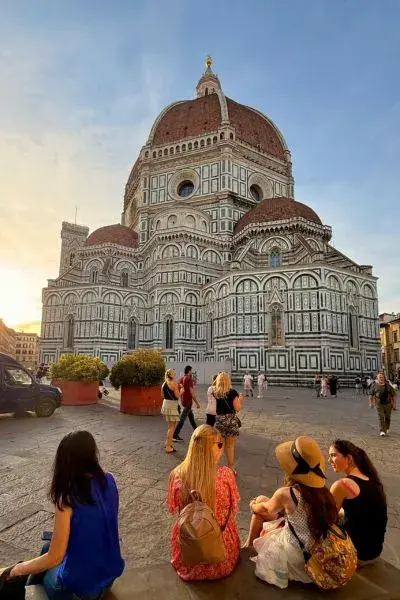
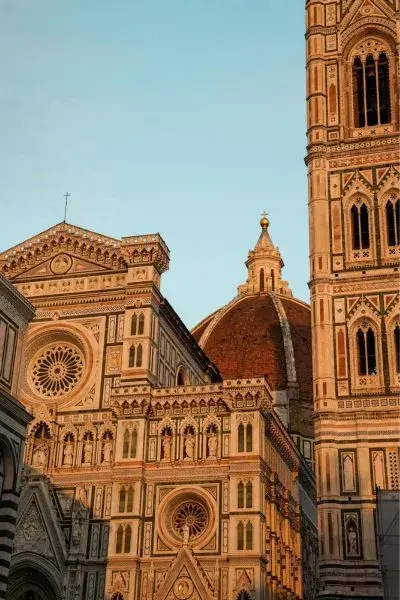
- The Duomo skyline, which I still notice no matter how many times I pass it
- Tuscan food that’s simple, seasonal, and deeply tied to the land
- Evening views over red rooftops when the city finally slows down
How Florence Is Laid Out
Florence revolves around its historic center, where I spend most of my time and where you’ll find the Duomo, Uffizi Gallery, Ponte Vecchio, and Piazza della Signoria within easy walking distance. When I want a quieter pace, I cross the Arno into Oltrarno, an area with local workshops, relaxed cafés, and fewer crowds.
Because the city is so compact, I always tell visitors that where you stay matters less than how you plan your days. Stay central, walk early in the morning, slow down in the evening — that’s how Florence shows its best side.
Planning Shortcuts: Trusted Tools for Florence
Planning Florence doesn’t need to be complicated — but using the right tools can save time, money, and unnecessary stress. These are the platforms we at Travelandoo recommend because they’re reliable, easy to use, and genuinely helpful for first-time visitors to Florence and Italy.
🏨 Find the Right Place to Stay
Florence is compact, but choosing the right neighborhood makes a real difference to how your days feel. Travelandoo uses Hotels.com to compare hotels by area, price, and real guest reviews — especially helpful when deciding between the historic center, Oltrarno, or Santa Croce.
👉 Find the best hotels in Florence
🎟️ Skip the Lines at Top Attractions
Florence’s most popular museums often sell out days in advance. Booking tickets ahead of time helps you avoid long queues and plan sightseeing days realistically. We recommend Viator for museum tickets and guided experiences.
👉 Skip the lines & book Florence tickets in advance
🚗 Renting a Car After Florence
A car isn’t useful inside Florence, but it’s perfect for exploring Tuscany. We use DiscoverCars to compare rental prices across providers, check pickup locations, and avoid last-minute surprises.
👉 Compare car rental deals for Tuscany road trips
🚆 Trains & Transport Across Italy
If Florence is one stop on a longer Italy itinerary, Omio is your best option to compare trains, buses, and other transport options in one place — without juggling multiple websites.
👉 Compare trains & transport across Italy
📱 Stay Connected Without the Hassle
Instead of searching for SIM cards on arrival, use Airalo for quick and reliable mobile data in Italy. It’s easy to set up, works across the country, and keeps you connected from the moment you land.
👉 Get an Italy eSIM before you arrive
Why Travelandoo Recommends These Tools
- They’re easy to use, even for first-time visitors
- They reduce planning stress and save time
- They work well together for multi-city Italy trips
- They’re tools we trust and would recommend to friends and readers
How Many Days in Florence?
How many days do you need in Florence?
Short stopovers, tight Italy itineraries
Focus on the highlights: the Duomo area, Piazza della Signoria, Ponte Vecchio, and one major museum (Uffizi or Accademia).
Rushed but rewarding if well planned
Start early and pre-book tickets to avoid losing time in queues.
First-time visitors
See the essentials (Duomo, Uffizi, Accademia), explore Oltrarno, and enjoy meals without constantly watching the clock.
Balanced and satisfying
Plan one museum per morning and keep afternoons flexible for wandering.
Slower travel, art lovers
Visit major sights at an unhurried pace, add smaller churches/viewpoints, enjoy longer meals, and fit in a short day trip (Pisa or Lucca).
Relaxed, immersive, and complete
This is ideal if you want Florence to feel like a place, not a checklist.
Local Insight
Living in Florence, I usually recommend two full days for a first visit. It gives you enough time to see the essentials without turning your trip into a race between museums. If you have three days, Florence starts to feel less like a checklist and more like a city — with time for quieter neighborhoods, long lunches, and evenings without a plan.
If you only have one day, Florence is still worth visiting, but it helps to accept that you’ll be seeing highlights rather than the full picture.
Best Time to Visit Florence
The best time to visit Florence is spring (April–May) and fall (September–October), when the weather is pleasant, the city is walkable, and crowds are more manageable than in peak summer.
That’s the short answer. Living here, though, I know that each season in Florence feels very different — and the best time really depends on what kind of trip you want.

Spring in Florence (April–May)
Spring is one of my favorite times in the city. Days are mild, flowers start appearing in gardens and along the Arno, and walking all day feels easy.
Why spring is great:
- Comfortable temperatures for sightseeing
- Longer daylight without extreme heat
- Lively atmosphere without full summer chaos
Things to know:
- Easter week can be busy
- Museum tickets should still be booked in advance
Best for: first-time visitors, walkers, museum lovers
Summer in Florence (June–August)
Summer is the most challenging season in Florence — especially for first-time visitors. I see many travelers underestimate the heat and crowds, then slow down by midday.
What summer is like:
- Very hot afternoons (often 30°C / 86°F+)
- Heavy crowds around major sights
- Long queues if tickets aren’t pre-booked
Why some people still choose summer:
- Long evenings and vibrant nightlife
- Rooftop bars and sunset viewpoints shine
- School holiday flexibility
Local tip: Sightsee early in the morning, rest midday, and go out again after sunset.
Fall in Florence (September–October)
If I had to recommend just one season, it would be fall. The heat fades, the light turns golden, and the city feels more balanced.
Why fall is ideal:
- Warm but comfortable temperatures
- Fewer crowds than summer
- Wine harvest season in Tuscany
- Excellent food season
Best for: couples, food lovers, relaxed travel
Winter in Florence (November–March)
Winter is the quiet side of Florence — and that’s exactly why some people love it. I enjoy this season for museums, slow walks, and empty streets early in the morning.
What to expect:
- Cooler weather, occasional rain
- Very manageable crowds
- Shorter days
Exceptions to note:
- Christmas and New Year can be busy
- Some smaller attractions may have reduced hours
Best for: museum-focused trips, budget travelers, repeat visitors
My Local Recommendation
For first-time visitors, I always suggest:
- Best overall: April–May or September–October
- Avoid if possible: July–August (unless you plan carefully)
- Hidden gem: Late November or February for a quieter experience
Florence rewards timing almost as much as planning. Choosing the right season can completely change how the city feels.
Top Things to Do in Florence
Florence rewards smart pacing. One of the biggest mistakes I see first-time visitors make is trying to bounce between attractions without realizing how naturally the city is grouped. Living here, I always suggest planning your days around clusters — the historic center, the Arno river, and Oltrarno — so sightseeing feels effortless instead of exhausting.
These clusters bring together the must-see attractions in Florence, including the Duomo complex, the Uffizi Gallery, Michelangelo’s David at the Accademia, Piazza della Signoria, Ponte Vecchio, Boboli Gardens, and the panoramic views from Piazzale Michelangelo.
Florence Cathedral (Duomo Complex)

The Florence Cathedral is the visual and symbolic heart of the city. Living in Florence, this is the place I use to orient myself — everything seems to radiate from here. What many first-time visitors don’t realize is that the Duomo is not just one attraction, but a full complex that represents Florence’s power and ambition during the Renaissance.
The cathedral itself is impressive, but the real experience comes from understanding the surrounding monuments: Brunelleschi’s Dome, Giotto’s Bell Tower, the Baptistery, and the Duomo Museum. Together, they tell the story of how Florence pushed architectural limits in ways that still influence the world today.
Local tips:
- Visit early in the morning to avoid peak crowds
- Book tickets in advance if you plan to climb the dome or bell tower
- Dress appropriately — this is an active place of worship
- Even without climbing, spend time in the square to absorb the scale
Uffizi Gallery

The Uffizi Gallery is essential for understanding Florence. This isn’t a museum you rush. I always recommend visiting with a plan, focusing on highlights rather than trying to see everything in one go — otherwise it can feel overwhelming.
Inside, you’ll find masterpieces by Botticelli, Leonardo da Vinci, Michelangelo, and Caravaggio — works that shaped Western art and defined the Renaissance. What makes the Uffizi special isn’t just the art, but the way it explains Florence’s role as a cultural powerhouse, room by room.
Local tips:
- Pre-book tickets — walk-ins can wait hours
- Visit early morning or late afternoon
- Allow at least 2–3 hours
Accademia Gallery & Michelangelo’s David

The Accademia Gallery is smaller and more focused than the Uffizi, but its impact is immediate. Most visitors come to see Michelangelo’s David, and for good reason — the scale, detail, and presence of the sculpture are striking, even if you’ve seen countless photos beforehand.
What many people overlook is how the surrounding works add meaning to the visit. The unfinished sculptures reveal Michelangelo’s process, making David feel less like a standalone masterpiece and more like the culmination of extraordinary skill and vision.
Local tips:
- Shorter visit compared to other museums
- Often paired with the Duomo area
- Queues move quickly with timed tickets
- Expect dense crowds around the statue
Piazza della Signoria

Piazza della Signoria is Florence’s political and social heart, and one of the easiest places to experience the city without planning anything at all. It’s a space you naturally pass through, and each time it reveals something new — a detail on a statue, a different rhythm of daily life.
With Palazzo Vecchio anchoring the square and monumental sculptures on display, it functions like an open-air museum. It also balances the more formal museum visits by showing Florence as a living, working city rather than a preserved one.
Why it matters:
- Central meeting point
- Great place to pause between museums
- Free art in a historic setting
Ponte Vecchio

Ponte Vecchio is Florence’s most recognizable bridge and one of the few that survived World War II intact. Crossing it marks a subtle transition between the busy historic center and the calmer Oltrarno district, something first-time visitors often feel without realizing why.
The bridge itself is lined with shops, but its real appeal comes from its history and position along the Arno. It’s best thought of as a passage rather than a destination — a moment that connects different sides of the city.
Local tips:
- Crowded during midday hours
- Best appreciated early morning or near sunset
- Better photos from nearby bridges
- Natural route toward Oltrarno
Boboli Gardens & Pitti Palace Area

The Boboli Gardens and the surrounding Pitti Palace area introduce a quieter, more spacious side of Florence that many first-time visitors don’t expect. After the density of the historic center, this part of the city feels more open and relaxed, making it a natural place to slow down and reset your pace.
Boboli Gardens were designed as an extension of power rather than a decorative park. Long paths, sculptures, fountains, and elevated viewpoints create a sense of scale that contrasts with Florence’s narrow streets. Nearby, Pitti Palace anchors the area historically, reminding visitors that this side of the Arno was once home to the Medici family and the ruling elite. Together, the gardens and palace offer context that goes beyond art — they explain how Florence was governed and lived in.
- A good balance after museum-heavy days
- Best appreciated without rushing
- Offers wide views and open space
- Pairs naturally with exploring Oltrarno
Piazzale Michelangelo (Best Viewpoint)

Piazzale Michelangelo is where Florence finally comes together for first-time visitors. After walking the streets, crossing the river, and visiting museums, this viewpoint gives you the full picture — the Duomo rising above the rooftops, the Arno cutting through the city, and the historic center laid out in front of you.
What makes Piazzale Michelangelo special isn’t just the view, but the perspective it offers. Seeing Florence from above helps you understand how compact the city really is and how close its major landmarks sit to one another. It’s also one of the few places where visitors naturally slow down, stay longer, and reflect on everything they’ve seen so far.
Local Tips:
- One of the best panoramic viewpoints in Florence
- Easy to reach on foot, by bus, or at the end of a longer walk
- Popular at sunset, quieter earlier in the day
- A natural way to end a sightseeing day
Wander the Historic Center

Florence’s historic center is more than a collection of landmarks — it’s the space that connects everything you’ve already seen. Between major attractions, this is where the city reveals its everyday rhythm: narrow streets opening into small squares, quiet churches tucked behind busy roads, and cafés that feel untouched by time.
Walking through the Historic Center of Florence without a fixed plan is one of the best ways to understand the city. This is where first-time visitors often stumble upon unexpected details — artisan workshops, hidden courtyards, or a simple view that feels distinctly Florentine. It’s also where Florence feels least like a checklist and most like a living place.
- Best experienced between major sights, not rushed
- Easy to explore on foot in short segments
- Reveals quieter streets away from main routes
- Ideal for cafés, small churches, and spontaneous stops
Plan Your Trip with Our Favorite Booking Tools
Florence Neighborhoods Explained (Where to Base Yourself)
Choosing the right neighborhood in Florence matters more than many people expect. From my experience living here, most first-time visitors don’t realize how much the end of the day matters — where you return to after the crowds thin out, where you eat dinner, and how far you need to walk back to your hotel. Florence doesn’t have “bad” areas for visitors, but some neighborhoods simply work better depending on how you want your days to feel.
Historic Center (Duomo Area) — Best for First-Time Visitors
If this is your first visit to Florence and you want the simplest possible experience, staying near the Duomo makes everything easier. You’ll be surrounded by the city’s most important landmarks, and most major sights will be a short walk away.
The trade-off is atmosphere. During the day, this area is busy and very tourist-focused. In the evening, it becomes quieter, but it doesn’t feel particularly local. Still, for short stays or tightly planned itineraries, the convenience often outweighs everything else.
Oltrarno & Santo Spirito — Local Feel, Food, Artisan Vibe

Crossing the Arno into Oltrarno changes the mood of the city almost immediately. This is where Florence feels more lived-in: small workshops, neighborhood restaurants, and piazzas where people actually linger in the evening.
I often recommend this area to visitors who want Florence to feel less like a sightseeing circuit and more like a place to settle into at night. You’ll still be close enough to walk to the historic center, but evenings here are calmer and more social, especially around Santo Spirito.
Santa Croce — Lively Evenings & Restaurants
Santa Croce sits slightly outside the main tourist flow, which gives it a different energy. During the day, it feels central and convenient; at night, it becomes one of the more lively areas of the city, with restaurants, wine bars, and a younger crowd.
This neighborhood works well if you like going out in the evening and don’t mind a bit of noise. It’s still walkable to major sights, but the vibe is noticeably more social once the sun goes down.
San Lorenzo & Santa Maria Novella — Transport Convenience & Value

If you’re arriving by train, leaving early, or planning multiple-day trips, staying near Santa Maria Novella can be practical. San Lorenzo, in particular, often offers better value accommodation while still being close to the historic center.
These areas are functional rather than charming. I usually suggest them to travelers who prioritize transport access or budget over atmosphere — especially for short stays where location matters more than neighborhood character.
How I’d Choose as a First-Time Visitor
If I were visiting Florence for the first time:
- I’d stay near the Duomo for a short, sightseeing-focused trip
- I’d choose Oltrarno for a longer stay with relaxed evenings
- I’d pick Santa Croce if nightlife and dining mattered most
Florence is forgiving — you’re never far from anything — but choosing the right base makes the city feel smoother, calmer, and more enjoyable.
Absolutely — names make this section actionable and useful, which improves dwell time and conversion potential.
Get our FREE Italy
Travel Guide
E-Book
This printable guide is your ultimate companion for exploring Italy, with insider tips, detailed itineraries, transportation advice, must-see attractions, and more.

Where to Stay in Florence
Once you know which part of Florence suits you best, the next step is choosing the right accommodation. From my experience living here, first-time visitors often focus too much on hotel names and not enough on how those hotels fit their travel style. Where you stay in Florence should support your pace, not slow it down.
Rather than listing dozens of options, I’ve picked trusted hotels in each category that regularly deliver on comfort, location, and value.
Best Hotels in Florence for First-Time Visitors
If this is your first visit to Florence, location and simplicity matter more than luxury. Staying central allows you to start early, return easily during the day, and head out again in the evening without planning transport.
These hotels combine location, service, and style without unnecessary excess.
Top Picks:
- Hotel Brunelleschi – A classic choice minutes from the Duomo, excellent service, and elegant rooms in a historic setting.
- NH Collection Firenze Porta Rossa – One of the oldest hotels in Italy, with a superb central location near Piazza della Signoria and Ponte Vecchio.
These are ideal if you want:
- Central walking access to major sights
- Comfortable, full-service stays
- Easy access to taxis, buses, or airport transfers
- Well-suited for short stays and tight itineraries

Best Boutique & Mid-Range Hotels in Florence
For many visitors, this category hits the sweet spot: beautiful buildings, thoughtful design, and strong hospitality, often at a better value than big luxury properties.
Top Picks:
- Hotel L’Orologio – Stylish, themed around classic watchmaking, steps from Santa Maria Novella station and central attractions.
- Velona’s Jungle Luxury Suites – Trendy and well-appointed, near San Lorenzo with a lively bar and contemporary décor.
These work well if you:
- Want character and comfort
- Plan to spend most of the time exploring
- Prefer a neighborhood feel without sacrificing central access
Best Budget Hotels & Guesthouses in Florence
Florence isn’t a bargain city, but smart choices let you stay comfortable without overspending. Guesthouses and smaller hotels often deliver excellent beds, good service, and convenient locations.
Top Picks:
- Hotel Davanzati – Charming, family-run, and very close to the historic center; great value for the area.
- B&B La Terrazza Sul Duomo – Simple, bright rooms and a balcony view of the Duomo at a remarkable value for the location.
These are best if you:
- Spend most of your time sightseeing
- Don’t need extra hotel amenities
- Prefer price + location over brand status
Is Staying Outside the Center Worth It?
For first-time visitors, I usually say stay inside the ZTL (historic center) unless you have specific reasons — like parking convenience or staying multiple nights. Florence’s core is compact, and being outside usually adds daily transport and friction you don’t need.
That said, areas just beyond the center can work if:
- You’re comfortable using buses or trams
- You value larger rooms or quieter nights
- You’re on a longer trip (4+ nights)
My Simple Advice
For a first trip to Florence:
- Choose hotels near the Duomo, Santa Maria Novella, or Ponte Vecchio for convenience
- Boutique hotels often feel more Florentine than chain properties
- Value hotels around San Lorenzo offer smart budgets without bad locations
A good hotel won’t just help you sleep — it will quietly shape how relaxed your days feel.
Where to Eat in Florence
Florence is a city where food is part of daily life, not a performance. Living here, I see many first-time visitors fall into two extremes: overpaying for “famous” places near major sights, or spending too much time searching for the perfect restaurant instead of enjoying the city. The truth is, eating well in Florence is easy once you know what to look for — and where.

Best Restaurants in Florence (Traditional & Modern)
For a first visit, it’s worth experiencing classic Tuscan cooking done properly. These restaurants focus on tradition, quality ingredients, and consistency rather than trends.
- Trattoria Mario – A Florentine institution near San Lorenzo, known for hearty Tuscan dishes and a lively, no-nonsense atmosphere.
- Trattoria Sostanza – Famous for its butter chicken and simple menu, popular with both locals and repeat visitors.
These places are best enjoyed at lunch or early dinner, and reservations are a good idea when possible.
Best Casual Eats & Local Favorites
Not every meal in Florence needs to be a long sit-down affair. Some of the most authentic food here is quick, informal, and deeply local.
- All’Antico Vinaio – Legendary for stuffed focaccia sandwiches; busy, but efficient and satisfying.
- Da Nerbone – A classic market lunch spot inside Mercato Centrale, especially known for lampredotto.
These are ideal for midday meals when you don’t want to slow your sightseeing too much.
Best Gelato in Florence (How to Do It Right)
Gelato in Florence is excellent — if you avoid the obvious traps. I always suggest choosing places where flavors look natural and seasonal, not piled high in neon colors.
- Gelateria dei Neri – Reliable, well-balanced flavors and generous portions.
- La Carraia – Popular with locals, especially in the evening, with classic flavors done well.
Gelato is best enjoyed after dinner or during an evening walk, when the city feels calmer.
A Note on Eating Like a Local
In Florence, meals follow a rhythm. Lunch is often the main meal, dinner starts later, and many restaurants close between services. I always recommend planning one relaxed sit-down meal per day and keeping the rest flexible — Florence rewards spontaneity when it comes to food.
Best Bars & Nightlife in Florence
Florence doesn’t have a wild nightlife scene, and that’s part of its charm. Evenings here are about slowing down after a long day of walking — a good drink, a conversation, and the right atmosphere. Living here, I usually point first-time visitors toward aperitivo and wine bars rather than clubs. That’s where Florence really comes alive after dark.
Best Bars in Florence for Aperitivo
Aperitivo in Florence is less about buffets and more about a well-made drink paired with small bites. It’s a pause between sightseeing and dinner — and one of the easiest ways to slip into local rhythm.
- Le Volpi e l’Uva – Small, intimate, and focused on quality wine; a favorite for a relaxed start to the evening.
- Il Santino – Casual and friendly, perfect for a glass of wine and a light snack before dinner.
These places are best enjoyed early in the evening, especially if you want a seat.
Plan Your Trip with Our Favorite Booking Tools
Best Wine Bars in Florence
Florence is surrounded by vineyards, and wine bars here tend to take that seriously. Instead of long cocktail menus, you’ll find thoughtful selections of Tuscan and Italian wines, often served with simple food.
- Enoteca Pitti Gola e Cantina – Cozy, atmospheric, and ideal if you want to explore Tuscan wines with knowledgeable staff.
- Procacci – Elegant and historic, known for truffle panini and classic Florentine style.
These spots work well either before or after dinner, depending on how your day unfolds.
Best Rooftop Bars in Florence
Rooftop bars are where Florence feels most cinematic, especially at sunset. I don’t recommend them every night — they’re pricier and more polished — but for a first visit, experiencing the city from above is worth it.
- La Terrazza Rooftop Bar – Refined setting with views over the Duomo skyline.
- SE·STO on Arno – Panoramic views and a stylish crowd, especially popular around sunset.
Go for one drink, enjoy the view, then move on — that’s how locals usually do it.
What to Expect from Florence at Night
Florence evenings are social but calm. Bars fill up gradually, streets stay lively without feeling chaotic, and most nights wind down earlier than in larger cities. If you’re looking for atmosphere rather than partying, Florence delivers.
Getting Around Florence
Florence is one of the easiest Italian cities to get around — once you understand how it actually works. Living here, I see many first-time visitors overthink transport, buy tickets they don’t need, or worry unnecessarily about distances. The reality is simple: Florence is compact, walkable, and designed for life on foot. Most of the time, getting around is effortless — as long as you don’t try to force it to behave like a big city.
That said, there are a few things worth knowing before you arrive, especially if you’re coming by train, staying outside the historic center, or considering a car.
Walking in Florence: The Best Way to Get Around

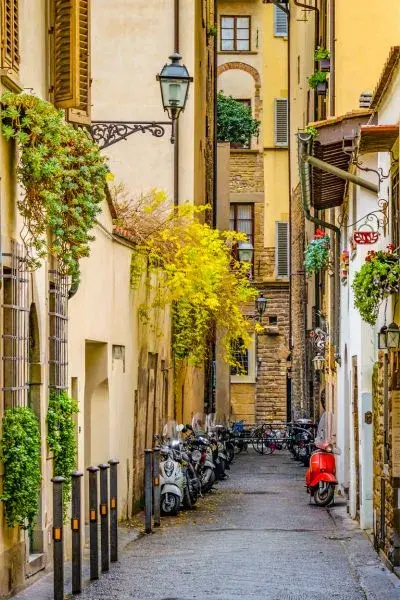
For first-time visitors, walking is the best way to experience Florence. The historic center is small, flat, and packed with landmarks close together. On a typical day, I cross the center on foot faster than most people manage using any form of transport.
Most major sights — the Duomo, Uffizi Gallery, Piazza della Signoria, Ponte Vecchio — are within a 10–20 minute walk of each other. Walking also lets you experience Florence between attractions: small streets, quiet churches, local cafés, and details you’d miss from a bus or taxi.
What surprises many visitors is how short distances really are. Places that look far on a map often take less time to walk than to reach by public transport, once waiting and stops are factored in.
Public Transport in Florence: When It Makes Sense
Florence does have buses and trams, but you won’t need them much if you’re staying centrally. Public transport is most useful for:
- Getting to and from the airport
- Reaching viewpoints or hills
- Traveling from neighborhoods outside the historic center
Buses cover the city well, but routes can feel confusing at first, especially if you’re only here a few days. Trams are newer, simpler, and very reliable — particularly for airport connections.
If you do plan to use public transport, buy tickets in advance from ticket machines, kiosks, or apps. Tickets must be validated when you board.
Trams: The Simplest Option
Florence’s tram system is limited but extremely useful. It’s modern, clean, and easy to understand — even if you don’t speak Italian.
The most important line for visitors connects the airport directly to Santa Maria Novella Station, which sits right on the edge of the historic center. This makes arrival and departure straightforward and stress-free.
Trams are ideal if:
- You’re arriving or leaving with luggage
- You’re staying near a tram stop
- You want predictable travel times
Taxis in Florence: Useful, But Not Everywhere
Taxis in Florence are reliable, but not something you’ll use often. They’re most useful late at night, with luggage, or when walking isn’t practical.
A few things first-time visitors should know:
- You usually don’t hail taxis on the street
- Taxis wait at designated stands or are booked by phone or app
- Short trips can feel expensive compared to walking
For most daytime sightseeing, taxis are unnecessary. For airport transfers, early departures, or returning late to your accommodation, they’re convenient and safe.

Ride Apps: What Works and What Doesn’t
Unlike some other cities, Florence doesn’t have widespread Uber service in the traditional sense. Ride-hailing apps exist, but they’re limited and not always reliable.
For first-time visitors, it’s best not to rely on ride apps for daily movement. Walking, trams, or taxis will cover almost everything you need.
Cycling & Scooters: Not Ideal for First-Timers
While you’ll see bikes and electric scooters around Florence, I don’t usually recommend them to first-time visitors. Cobblestones, narrow streets, pedestrian traffic, and unpredictable road behavior make cycling more stressful than enjoyable if you’re unfamiliar with the city.
If you’re staying longer or already comfortable riding in European cities, cycling can work — but for a short visit, walking is almost always easier and safer.
Driving in Florence: What First-Time Visitors Must Know
This is one of the most important things to understand: driving in Florence’s historic center is not recommended.
The center is protected by ZTL (limited traffic zones), monitored by cameras. Entering these zones without authorization results in fines — even if you’re following GPS directions or “just passing through.”
Many first-time visitors assume:
- Hotel access allows free driving (it often doesn’t)
- Short drives won’t be noticed (they are)
- Rental car staff will warn them clearly (not always)
If you’re renting a car for Tuscany, the best approach is to pick it up after leaving Florence or park outside the historic center and continue on foot.
Planning to Drive in Italy After Florence?
Driving inside Florence’s historic center is rarely worth it, but a car becomes incredibly useful once you leave the city — especially if Florence is just one stop in a longer Italian itinerary. Before you pick up a car or go beyond the city walls, these guides will help you understand the rules, avoid mistakes, and plan road trips that actually add to your experience.
- Driving in Italy: Rules, ZTL Zones & What Tourists Need to Know — Practical overview of Italian driving laws, road signs, speed cameras, and how driving works for visitors.
- Italy ZTL Zones Explained (Florence, Rome & More) — Deep dive into limited-traffic zones — how they’re enforced and why relying on GPS alone can lead to fines.
- Where to Park in Florence: Garages, ZTL Rules & Smart Alternatives — Covers legal parking, garages near key zones, and how to avoid ZTL fines when arriving by car.
- Tuscany Road Trip Itinerary: The Ultimate Guide — A comprehensive Tuscany driving itinerary (starting with Florence) that shows where a car really adds value — scenic routes, hill towns, food, wine, and countryside vistas
Parking in Florence
If you do arrive by car, parking inside the center is limited and expensive. Public garages exist, but navigating to them can be stressful and expensive.
Better options include:
- Parking near the train station
- Parking outside the ZTL and walking or taking a tram
- Returning your car before entering Florence
For first-time visitors, avoiding a car entirely during your stay is usually the smartest choice.
Day Trips: How Transport Affects Your Plans
How you plan to move around Florence also affects day trips. Cities like Pisa, Lucca, and Siena are easy by train, while countryside destinations like Chianti or Val d’Orcia are more practical by car or guided tour.
Many visitors choose to:
- Stay car-free in Florence
- Use trains for nearby cities
- Rent a car only for rural Tuscany
This approach keeps Florence simple while still allowing flexibility later.
My Local Advice for First-Time Visitors
If you’re visiting Florence for the first time:
- Walk everywhere you can
- Use trams for airport transfers
- Take taxis only when necessary
- Avoid driving inside the historic center
- Don’t overplan transport — the city is smaller than it looks
Florence works best when you move at human speed. Once you stop trying to optimize every journey, the city becomes easier, calmer, and far more enjoyable.
Day Trips from Florence
Florence can feel intense in the best possible way. Art, history, and beauty are everywhere, and after a few days, I often see first-time visitors both inspired and slightly overwhelmed. That’s usually when the question comes up: “Should we do a day trip?”
Living here, I think of day trips not as an escape from Florence, but as a way to breathe. Stepping outside the city for a day can reset your pace and help you appreciate Florence even more when you return in the evening.
The key is choosing a day trip that fits how you’re feeling, not just what looks good on a map.
Day Trip to Pisa & Lucca from Florence: (Easy by Train)

When friends or family visit me and want a simple day outside Florence, Pisa, and Lucca are often my first suggestion. They don’t require much planning, and there’s no pressure to “do everything.”
Pisa is busy, yes, but the experience is very focused. You arrive, see the Leaning Tower, take it in, and move on. I rarely linger there myself — and I don’t think most visitors need to. What makes this trip work emotionally is pairing it with Lucca.
Lucca feels gentler. Walking or cycling on top of the city walls, sitting in a quiet piazza, or stopping for lunch without a strict plan often feels like a relief after Florence’s crowds. It’s the kind of place where visitors visibly relax.
This day trip works best if you:
- Want something easy and flexible
- Don’t want to rent a car
- Prefer a mix of iconic and calm
Day Trip to Siena From Florence (Train or Tour)

Siena feels very different from Florence, and that contrast is exactly why it works so well as a day trip. Florence is refined and orderly; Siena feels dramatic and proud of its medieval roots.
The first time I brought friends to Siena, they were surprised by how steep it is — the walk into the historic center alone changes your sense of space and effort. Piazza del Campo opens suddenly, and it always feels like a moment people remember.
Siena is a place that asks a bit more of you physically, but gives a lot back emotionally. It’s not a quick stop — it’s a full day that feels substantial.
Best if you:
- Want a strong contrast to Florence
- Enjoy historic towns with personality
- Don’t mind hills and walking
Day Trip to San Gimignano From Florence

San Gimignano looks like a postcard — and in person, it really is beautiful. But I’ve also seen visitors come back frustrated because they underestimated the logistics.
Without a car, getting there can feel like work. With a car or a guided tour, it’s much easier — but it’s also busy, especially in high season. San Gimignano shines in short moments: a view, a walk, a gelato, a glass of wine.
I usually suggest it to people who already know they want that iconic Tuscan image, and who are comfortable sharing the experience with other visitors.
Works best if:
- You’re already renting a car or joining a tour
- You don’t mind crowds
- You keep expectations realistic
Day Trip to Chianti Wine Region (Best with a Car or Tour)

The Chianti countryside is where I see visitors visibly slow their pace. The roads wind, views open up, and suddenly the pressure to “see everything” fades.
Chianti isn’t about ticking off towns. It’s about driving without rushing, stopping when something catches your eye, and letting lunch last longer than planned. This is why many people who start thinking about Chianti as a day trip end up wanting more time.
Without a car, a wine tour is the simplest option. With a car, Chianti becomes a different kind of experience — one that feels personal rather than scheduled.
Best if you:
- Enjoy scenic drives
- Want flexibility and quiet moments
- Are comfortable driving outside cities
Day Trip to Val d’Orcia From Florence (Worth It with a Car or Tour)

Val d’Orcia is the Tuscany people dream about — but it’s also the place I most often tell first-time visitors not to rush.
It’s far, open, and meant to be absorbed slowly. Trying to fit Val d’Orcia into a single day from Florence often leads to long drives and very little time to actually enjoy it. When people come back disappointed, it’s usually because they tried to do too much.
From my perspective, Val d’Orcia is something to save — either for a return trip or as part of a dedicated Tuscany road trip where the journey matters as much as the destination.
Tour, Train, or Car: How It Feels, Not Just How It Works
Choosing how to travel affects the emotion of your day, not just the logistics.
Choose a train-based day trip if you:
- Want simplicity
- Don’t want to drive
- Prefer fixed schedules
Choose a guided tour if you:
- Want to combine multiple stops
- Prefer not to plan logistics
- Are short on time
Choose a car if you:
- Plan to explore Tuscany beyond one day
- Enjoy scenic driving
- Want flexibility and rural access
Many visitors mix approaches, staying car-free in Florence and saving driving for later.
How Many Day Trips Are Too Many?
This is where I gently warn people. Florence has a way of rewarding those who stay present. Trying to squeeze in too many day trips often turns the visit into a checklist.
From what I’ve seen:
- 2–3 days in Florence → one day trip is enough
- 4–5 days → one or two at most
- Longer stays → Florence + Tuscany works beautifully
If you feel torn, stay in Florence. The city doesn’t fade — it deepens.
My Local Take
If it’s your first time in Florence, choose one day trip that truly excites you, not the one you feel obligated to do. Let it add contrast, not pressure. Florence has a way of meeting you where you are — especially when you don’t rush away from it too quickly.

Florence Travel Costs & Budget Tips
Florence has a reputation for being expensive, and I understand why. It’s one of Italy’s most visited cities, home to world-class art and some of the country’s most famous landmarks. Living here, though, I see every day that Florence doesn’t have to be overwhelming or overpriced — as long as you know where your money actually goes.
What often surprises first-time visitors isn’t that Florence is expensive, but where it’s expensive and where it really isn’t. Some costs are unavoidable, others are easy to control once you understand how the city works.
Is Florence Expensive?
Compared to smaller Italian towns, yes. Compared to cities like Paris, London, or New York, Florence is often more reasonable — especially if you plan a little.
In my experience, Florence feels expensive when:
- You eat near major attractions without checking menus
- You don’t book museum tickets in advance
- You try to do everything in a short amount of time
Florence feels affordable when:
- You walk instead of using transport
- You balance museums with free experiences
- You choose meals intentionally
Accommodation Costs: What to Expect
Accommodation is usually the largest expense in Florence, especially for first-time visitors who want to stay central.
As a rough guide:
- Budget guesthouses / small hotels: €90–170 per night
- Mid-range & boutique hotels: €160–280 per night
- Luxury hotels: €350+ per night
Prices rise sharply in spring, early summer, and during peak events. Staying slightly outside the most tourist-heavy streets can reduce costs without sacrificing walkability — something I often recommend.
Food & Drink: Where Your Budget Can Flex
Food is one of the easiest places to control your spending in Florence — without sacrificing quality.
Typical prices:
- Coffee at the bar: €1.20–1.50
- Sandwich or casual lunch: €7–12
- Sit-down trattoria meal: €20–30 per person
- Aperitivo drink: €7–12
- Gelato: €2.50–3.50
What I always tell visitors is this: one great meal per day is enough. Florence is a city where a simple lunch and a memorable dinner often feel more satisfying than three sit-down meals.
Museum & Attraction Costs
Florence’s major museums are worth the price — but planning matters.
Typical entry fees:
- Uffizi Gallery: ~€25
- Accademia Gallery: ~€16
- Duomo complex tickets: vary by access
Booking in advance doesn’t just save time — it helps you plan your days more realistically and avoid last-minute stress. Many visitors overspend simply because they panic-buy tickets on the day.
Also remember: not everything costs money. Piazza della Signoria, churches, viewpoints, and wandering the historic center are all free — and often just as memorable.
Transport Costs: Lower Than You Expect
Florence is one of the cheapest major Italian cities in terms of daily transport because you barely need it.
- Walking: free
- Tram from the airport: inexpensive and reliable
- Bus tickets: affordable if needed
- Taxis: useful occasionally, not daily
Most first-time visitors spend very little on transport once they’re settled.
Day Trips: Budget Impact

Day trips can significantly affect your budget depending on how you travel.
- Train day trips (Pisa, Lucca): affordable
- Guided tours: more expensive, but all-inclusive
- Renting a car: flexible, but adds fuel, parking, and rental costs
From what I’ve seen, many people overspend by trying to do too many day trips. Choosing one that really interests you usually feels more satisfying — and costs less.
Small Costs That Add Up (And How to Avoid Them)
Some expenses catch visitors off guard:
- Sitting down for coffee instead of standing at the bar
- Eating near major landmarks
- Buying water instead of refilling bottles
- Paying for taxis when walking is faster
These aren’t huge individually, but over a few days they add up. Knowing local habits helps keep spending in check without feeling restrictive.
Money-Saving Tips I Actually Give Friends
When friends visit me in Florence, this is the advice I give them:
- Walk everywhere
- Book museum tickets early
- Eat lunch simply, dinner intentionally
- Don’t chase “famous” restaurants
- Limit day trips
- Enjoy free moments — Florence gives you plenty
Florence isn’t a city you need to “buy” your way through. Some of its best experiences cost nothing at all.
My Local Perspective on Budgeting in Florence
Florence rewards balance. When visitors overspend, it’s usually because they try to do too much too fast. When they slow down, costs naturally come under control — and the trip often feels better for it.
If you plan thoughtfully, Florence can feel generous rather than expensive.

Practical Florence Travel Tips (Learned the Hard Way)
Florence looks easy on paper — compact, walkable, well-organized — and in many ways it is. But living here, I’ve learned that the city has its own rhythm, and visitors who don’t tune into it often end up more tired, frustrated, or rushed than they expected. Most of these issues aren’t big mistakes; they’re small misunderstandings that add up over a few days.
These are the tips I share most often, because they genuinely make a difference.
Don’t Start Your Day Too Late
Florence rewards early mornings. The difference between arriving at a major sight at 8:30 am versus 10:30 am is enormous — not just in queues, but in atmosphere. Early in the day, the city still belongs to itself: delivery vans, locals heading to work, cafés opening their doors.
By late morning, tour groups arrive, and the pace changes. If you’re only going to adjust one habit in Florence, make it this one: start early, finish late.
One Major Sight Per Morning Is Enough
This is one of the hardest lessons for first-time visitors. Florence’s museums are intense — visually, mentally, emotionally. Trying to visit the Uffizi, Accademia, and another major site on the same day often leads to fatigue rather than appreciation.
I usually suggest:
- One major museum in the morning
- Lunch and wandering afterward
- Lighter sights or viewpoints later in the day
Florence isn’t about volume; it’s about absorption.
Book Museum Tickets in Advance (Even in Low Season)
I’ve seen visitors lose hours standing in line because they assumed queues would be manageable outside of summer. Florence doesn’t really have a true “quiet” season for its top museums.
Booking in advance:
- Saves time
- Reduces stress
- Helps you plan realistic days
It also gives your trip structure without making it rigid.
Walk More Than You Think You Should
Florence is smaller than it looks on a map. Many people try to optimize transport when walking would be faster — and far more pleasant. Walking also helps you understand how the city fits together, which makes later decisions easier.
Some of the most memorable moments in Florence happen between attractions, not inside them.
Learn a Few Local Food Habits
Small food customs matter here:
- Cappuccino is a morning drink
- Espresso is taken standing at the bar
- Dinner starts later than many expect
- Restaurants may close between lunch and dinner
None of this is strict, but understanding it helps you avoid awkward moments or disappointment.
Avoid Restaurants Right Next to Major Attractions
This is probably the most repeated advice for a reason. Restaurants directly next to the Duomo, Uffizi, or Ponte Vecchio are often overpriced and underwhelming.
Walking just a few streets away usually results in:
- Better food
- Lower prices
- A calmer atmosphere
Florence rewards curiosity when it comes to eating.
Carry a Reusable Water Bottle
Florence has public drinking fountains with clean, free water — something many visitors don’t realize. Refilling a bottle saves money and makes long walking days more comfortable, especially in warmer months.
It’s a small habit, but locals use it constantly.
Expect Crowds — Then Plan Around Them
Crowds are part of Florence. Trying to avoid them completely often leads to frustration. Instead, plan around them:
- Early mornings for major sights
- Late afternoons for wandering
- Evenings for food and views
When you accept the crowds and work with the city’s rhythm, Florence feels much easier.
Don’t Overpack Your Schedule
This is the most important tip of all. Florence gives back more when you leave space — for a long lunch, a quiet church, or an unplanned walk.
Visitors who try to see everything often leave feeling they missed something. Those who slow down usually leave wanting to return.
My Local Perspective
Florence isn’t a city you conquer. It’s a city you settle into, even briefly. When you stop treating it like a checklist and start treating it like a place where people actually live, everything becomes smoother — and more meaningful.
Plan Your Trip with Our Favorite Booking Tools
Florence Travel FAQs
Is Florence walkable for first-time visitors?
Yes — Florence is one of the most walkable cities in Italy. The historic center is compact and mostly flat, and most major attractions are within a 10–20 minute walk of each other. For first-time visitors, walking is not only the easiest way to get around, but also the best way to experience the city.
How many days do you need in Florence?
For a first visit, 2 days in Florence is ideal, while 3 days allows a more relaxed pace and time for neighborhoods or a day trip. One day is enough to see highlights, but it often feels rushed.
Is Florence expensive to visit?
Florence can feel expensive if you don’t plan, but it’s manageable with smart choices. Accommodation is the highest cost, while food and transport can be very reasonable. Walking, free sights, and simple lunches help keep daily costs under control.
Do you need to book Florence museums in advance?
Yes — especially for the Uffizi Gallery and the Accademia. Tickets often sell out days in advance, even outside peak season. Booking ahead saves time, avoids queues, and makes planning your days much easier.
Is it worth renting a car in Florence?
Not for getting around the city. Florence’s historic center has strict ZTL zones, limited parking, and heavy enforcement. A car only makes sense after leaving Florence, particularly for exploring Tuscany.
Where should first-time visitors stay in Florence?
First-time visitors usually do best staying in the historic center, Oltrarno, or Santa Croce areas. These neighborhoods balance walkability, atmosphere, and access to attractions without relying on transport.
Is Florence safe at night?
Yes — Florence is generally very safe, even in the evening. Like any popular city, it’s wise to stay aware of your surroundings and watch for pickpockets in crowded areas, but violent crime is rare.
Can you do Florence and Tuscany in one trip?
Absolutely. Many visitors spend a few days in Florence and then continue on to Tuscany by car or tour. The key is not trying to do everything at once — Florence and Tuscany both reward slower travel.
Final Thoughts
Is Florence Worth Visiting for First-Time Travelers?
Florence isn’t a city that tries to impress you loudly. It doesn’t overwhelm with size or energy — it draws you in quietly. For first-time visitors, that can be surprising. Many arrive expecting to rush through museums and landmarks, only to realize that the moments they remember most are slower ones: an early morning walk, a long lunch, a view at sunset, a street they didn’t plan to find.
Living here, I’ve seen Florence meet people where they are. For travelers who like structure, it offers some of the world’s greatest art and architecture in a compact space. For those who prefer wandering, it rewards curiosity and patience. And for anyone visiting Italy for the first time, Florence offers something rare: a city that feels manageable without ever feeling small.
If you give it the right amount of time, plan your days with intention, and leave space for the unexpected, Florence becomes more than a checklist of sights. It becomes a place you understand — even briefly — and one you’ll likely want to return to.
Florence doesn’t ask you to do everything. It asks you to slow down just enough to notice it.
Buon Viaggio!
Get our FREE Italy
Travel Guide
E-Book
This printable guide is your ultimate companion for exploring Italy, with insider tips, detailed itineraries, transportation advice, must-see attractions, and more.
Explore More
 Pisa Travel Guide: Plan the Perfect Visit to Italy’s Leaning Tower City
- 15 Best Things to Do in Cinque Terre: Villages, Viewpoints & Coastal Experiences
- 2 Days in Cinque Terre: The Perfect Itinerary from Riomaggiore to Monterosso
- Cinque Terre Travel Guide: How to Visit Italy’s Famous Five Villages


Book Your Tour
Rent Car

💬 We’d love to hear from you!
Have questions, tips, or personal travel stories to share? Drop them in the comments below — your insights help fellow travelers plan their adventures too.